

REVIEW · OMO VALLEY CULTURAL TOURS
6 Days Omo Valley Tribes Tours From Addis Ababa
Tribes, temples, and wildlife in one tight circuit. This 6-day Ethiopia trip strings together UNESCO sites, lake wildlife time, and several different Omo Valley groups, all with English-speaking guidance and a driver who handles the long roads.
What I like most is the mix: you do not just chase one photo stop. You get history in Addis and Tiya, wildlife on Lake Chamo, then village visits from Konso to Turmi to Mursi country.
One thing to think about: this is a long-distance, long-day route. Expect big driving blocks and early starts, and the overall activity level is listed as moderate physical fitness. If you hate being in a vehicle for hours, you might find the pacing tiring.
In This Review
- Key things that make this tour worth your time
- Addis Ababa first day: Lucy, WWII church, and the view from Mount Entoto
- The UNESCO stop at Tiya, then Arba Minch and Lake Chamo wildlife
- Dorze and Konso: beehive huts, terrace villages, and where coffee fits
- Turmi and the lower Omo: Bana pastoral life and Hamer culture
- Omorate and the Dassanech: Lake Turkana’s delta people
- Mago National Park and Mursi: what you’ll see, and why the guide matters
- Jinka wrap-up: folkloric dinner, dancing, and a traditional coffee ceremony
- Price and what you really get for $1,399.98
- Long drives, moderate fitness, and how to stay comfortable
- Who this tour fits best, and who should consider alternatives
- Should you book this Omo Valley tribes tour?
- FAQ
- What is included in the tour price?
- Are lunch and dinner included?
- Are domestic flights included?
- Where does the tour start and do you pick up from hotels?
- Is this tour private?
- Can I cancel for a full refund?
Key things that make this tour worth your time

- A route built around UNESCO sites like Tiya, Dorze beehive houses, and Konso terraces
- Lake Chamo wildlife time, including a boat trip and the crocodile market area (no buying or selling)
- Village variety across the Omo Basin, from Dorze to Hamer, Dassanech, Mursi, and Ari
- English-speaking guides and drivers you can count on, with praised professionals like Sisay, Dagi, Sasha, Shasha, Yihun, Niko, and Debe
- A wildlife day inside Mago National Park plus nearby community visits, not just one village stop
- A cultural finish in Jinka with a folkloric dinner, national dishes, dances, and a traditional coffee ceremony
More Omo Valley itineraries, reviewed
- 6 Days Omo Valley Tribes Tours From Addis Ababa★ 5.0 · 33 reviews
- 3 Days Omo Valley Tour★ 5.0 · 24 reviews
- 5 Days Omo Valley Tours★ 5.0 · 15 reviews
- 6 Days Lalibela, Omo Valley and Harar★ 5.0 · 15 reviews
Addis Ababa first day: Lucy, WWII church, and the view from Mount Entoto
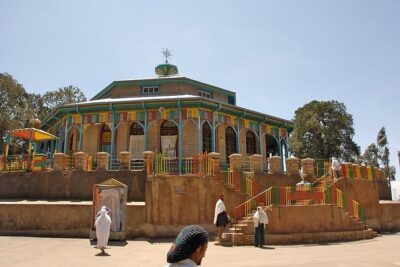
Your trip starts in Addis Ababa, with a hotel pickup after arrival. The big value on day one is that it gets you oriented fast, without wasting time. You drive up to Mount Entoto for panoramic views, which is a nice way to understand the city’s scale before you go indoors.
Then you hit three heavyweight stops: the National Museum area where you can spot the famous Lucy fossil, the Holy Trinity church built during WWII, and the Merkato market. Merkato is a good “welcome to Ethiopia” moment because it feels real and local, not polished for tourists.
If you are the type who gets antsy when a trip starts slowly, this first day helps. You also benefit from having an English-speaking guide from the start, so you are not trying to decode everything on your own.
The UNESCO stop at Tiya, then Arba Minch and Lake Chamo wildlife
After an early breakfast, you head south toward Tiya, an archaeological site classified by UNESCO. This is the kind of stop that adds context. Instead of jumping straight from city to tribes, you get a sense that Ethiopia’s human story goes back a long way.
From there, you move toward Arba Minch. The main “wow” moment here is Lake Chamo. You take a boat trip, aiming for wildlife sightings like hippos and different kinds of birds. There’s also a stop called a crocodile market, which is a local name for an area where crocodiles come out of the lake and hang out. The important detail: you are not there to buy or sell anything.
What makes this day work for most people is timing and variety. You get water, animals, and a break from road time that is more than just scenic driving. If wildlife is your priority, this is one of the best windows on the whole trip.
Dorze and Konso: beehive huts, terrace villages, and where coffee fits
Konso and Dorze are both high-impact stops because the architecture and farming methods are so specific. After Lake Chamo and lunch back in Arba Minch, you drive into the Gughe Mountains for the Dorze village.
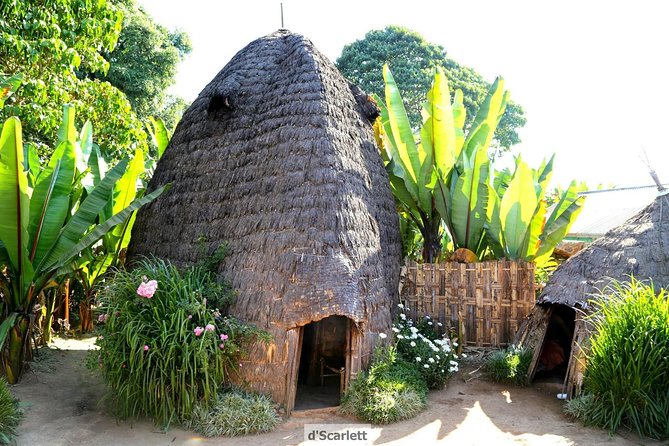
Dorze is known for the beehive-shaped huts, recognized for their distinctive look and included in the UNESCO conversation. It is not just a “stand and take a picture” moment. With a guide, you can focus on how the housing matches the environment and the community’s way of building.
Next you drive to Konso. Konso is also tied to UNESCO, with its terracing and agricultural pattern. This is where the trip earns its balance: you see people’s daily systems, not only ceremonial or one-off moments.
You also get a useful detail that helps you connect the dots later: Konso is cited for one of Ethiopia’s best coffee types. Even if coffee is just a side interest for you, it gives a practical angle on how the region survives and what it produces beyond tourism.
Turmi and the lower Omo: Bana pastoral life and Hamer culture

On day three you go from Konso toward Turmi, with stops that highlight different cultural styles. First you have the Konso village area, with its terracing and coffee connection in mind. Then you head to Bana village.
The Bana are described as indigenous pastoral and semi-nomadic people in the harsh environment of the lower Omo Valley. A small visual cue is part of what your guide can help you notice: men often wear colorful clay caps decorated with feathers. That kind of detail matters because it helps you avoid treating everything as one “tribe” blur.
Then you move on to Turmi for the Hamer people. In a trip like this, Turmi often becomes the most talked-about day because it is where the contrast is strongest between environments you might know and the daily rhythms you are seeing now.
Practical advice for Turmi: keep your expectations rooted in respect and patience. Village visits are short by necessity, and the experience is shaped by how the community wants to engage. Your guide’s timing and tone matter, and this program’s English-speaking guides are a plus here.
Six days, other shapes


Omorate and the Dassanech: Lake Turkana’s delta people

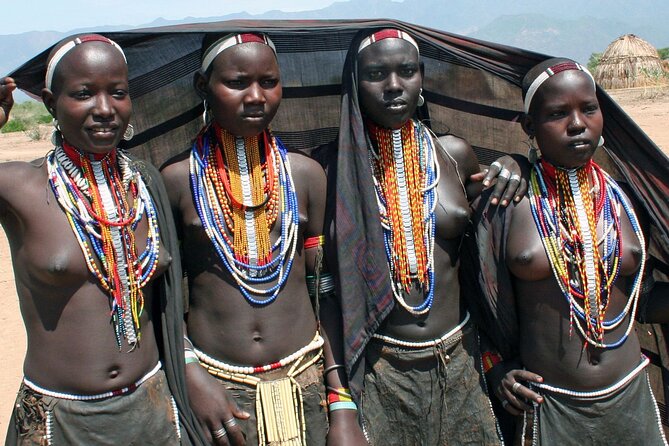
Day four points toward Omorate, with a drive listed as about 75 km. The key stop here is the Dassanech people, often described as people of the delta, living on the northern shore of Lake Turkana.
This part of the trip feels different because you are closer to a harsher, more weather-and-water shaped environment. Even if you only have a limited amount of time in the village area, you get a shift in what people are adapting to, and why their lifestyle looks the way it does.
After the Dassanech visit, you drive back toward Turmi for lunch, then continue on to Jinka. That forward motion is good for trip efficiency, but it also means you are stacking experiences into fewer “rest breaks” than you might expect.
If you like absorbing history and daily life together, this is a strong day. If you need quieter evenings to recharge, you may want to plan for lower energy after the driving.
Mago National Park and Mursi: what you’ll see, and why the guide matters

Day five is the big nature and culture blend: you drive from Jinka to Mago National Park for a day excursion. The central community visit is the Mursi.
The trip describes Mursi villages with low huts made of straw leaves, and a signature look associated with women’s stretched lower lips and ear lobes, often with terra cotta. Whether you find it fascinating or just surprising, this is one of the most iconic reasons people choose Omo Valley trips in the first place.
The practical reality is that you will not spend all day in one spot. You’ll drive, view, and then move on. That is where having a guide you can trust makes all the difference. Your guide helps you understand what you are seeing and keeps the pace respectful and organized.
After Mursi, you also drive to visit the Ari people, described as the largest population in the lower Omo Valley. Here you get another useful detail: Ari women are described as expert in pottery, and the skirts are made from the banana-like tree called enset. This adds variety beyond the lip-plate visual focus that many people assume will be the whole story.
Jinka wrap-up: folkloric dinner, dancing, and a traditional coffee ceremony

Your final day includes a transfer to Jinka Airport for your flight to Addis Ababa. One important cost note: domestic flights are not included, so you are arranging those separately, even though you get the airport transfer as part of the experience.
Before you fly, you also have a folkloric dinner in the evening. This is a good way to round out the trip because you get a performance setting where dances and national dishes are served in one place, instead of only village stops.
The program also includes a traditional coffee ceremony. In a trip like this, it is a thoughtful close because coffee is not a theme someone hands out in every tour. Here, it ties together the idea of hospitality and everyday Ethiopian life.
Price and what you really get for $1,399.98
At $1,399.98 per person, this is not a budget backpacking plan. But you are also not just buying “access” to villages. You are paying for long-distance coordination, 5 nights of accommodation with breakfast, entrance fees, hotel pickup and drop-off, and a car with professional drivers, plus English-speaking guides.
Where the value can be especially strong is the driving and guidance. Omo Valley routes involve serious road time. If you tried to DIY it, you would likely spend heavily on transportation and end up paying even more for reliable local help.
Where costs can sneak up on you is what is listed as not included: lunch and dinner, alcohol drinks, and domestic flights. If you want full control of your budget, you should mentally add those items before you commit.
Long drives, moderate fitness, and how to stay comfortable
This tour lists a moderate physical fitness level, which makes sense given the road schedule and the village walking that comes with multiple stops. You should plan for uneven surfaces near villages and for time outside while you wait for sightings or for your group to get positioned.
I recommend you pack for heat and dust: breathable clothes, sun protection, a hat, and a water plan. Also bring something for motion sickness if you are sensitive, because the route involves multiple “get in the car and go” segments.
A small but real comfort tip: keep your day bag light. You will spend time switching between vehicle and village areas, and you do not want to be wrestling with a heavy backpack at the worst moments.
Who this tour fits best, and who should consider alternatives
This works best if you want a structured Omo Valley experience without spending weeks organizing transportation and guides. It is also a good fit if you care about variety: UNESCO history at Tiya, Lake Chamo wildlife, Dorze and Konso cultural architecture, then Mursi and Ari in Mago National Park context.
You might think twice if you strongly prefer slow travel, rest days, or all meals included. This trip clearly prioritizes seeing many places in the limited time window, so you will trade comfort and flexibility for density of experiences.
It is also a good idea if you appreciate English-speaking guides who can explain context. In the past, strong names like Sisay, Dagi, Sasha, Shasha, Yihun, and Niko have been highlighted for making guests feel safe and informed, including when flight plans changed.
Should you book this Omo Valley tribes tour?
I would book it if your priority list includes cultural variety plus at least one serious wildlife block, and you want a guided route that takes care of the big logistics. The biggest strengths are the organized pacing, the UNESCO layering, and the way Lake Chamo and Mago National Park add real nature time to a tribal-focused itinerary.
I would hesitate if you are very budget-minded after factoring lunch, dinner, and domestic flights, or if you want minimal time on the road. This tour is designed for motion, not downtime.
If you do book, do it with two mindsets: be ready for long drives, and treat village visits as a short window of human life, not a theme park moment. With the right attitude, this kind of Ethiopia trip can stick with you for years.
FAQ
What is included in the tour price?
The price is $1,399.98 per person. It includes 5 nights of accommodation with breakfast, entrance fees, hotel pickup and drop-off, English-speaking guides, and a car with professional drivers.
Are lunch and dinner included?
No. Breakfast is included with your accommodation, but lunch and dinner are not included.
Are domestic flights included?
No. Domestic flights are listed as not included. The tour includes a transfer to Jinka Airport for your flight to Addis Ababa.
Where does the tour start and do you pick up from hotels?
The meeting point is Bole Airport in Addis Ababa, and hotel pickup and drop-off are included.
Is this tour private?
Yes. It is listed as a private tour/activity, meaning only your group will participate.
Can I cancel for a full refund?
Yes, you can cancel for a full refund if you cancel at least 24 hours before the experience’s start time. If you cancel less than 24 hours before, the amount paid is not refunded.
Browsing Ethiopia More Widely
- Full Day Tour of Addis Ababa with Hotel Pickup and Drop-off
★ 5.0 · 430 reviews - Addis Ababa: Debre Libanos, Blue Nile Gorge, and Cave Tour
★ 4.5 · 256 reviews - Addis Ababa Guided City Tour With Airport & Hotel Pick Up
★ 5.0 · 237 reviews - Breathtaking Nature, Wildlife and Cave Church Tour – Free Pickups
★ 5.0 · 225 reviews - Full-Day Private City Tour of Addis Ababa
★ 5.0 · 147 reviews
The Rest of the Ethiopia List
- Full Day Tour of Addis Ababa with Hotel Pickup and Drop-off
★ 5.0 · 430 reviews - Taste of Ethiopia
★ 5.0 · 406 reviews - Day Trip From Addis Ababa See Historical Monastery,Stunning Nature,Animals,Birds
★ 5.0 · 303 reviews - Addis Ababa: Debre Libanos, Blue Nile Gorge, and Cave Tour
★ 4.5 · 256 reviews - Addis Ababa Guided City Tour With Airport & Hotel Pick Up
★ 5.0 · 237 reviews
South to the Omo Valley
- 3 Days Omo Valley Tour
★ 5.0 · 24 reviews - 5 Days Omo Valley Tours
★ 5.0 · 15 reviews - 6 Days Lalibela, Omo Valley and Harar
★ 5.0 · 15 reviews - Private Omo Valley Tours From Addis Ababa
★ 5.0 · 12 reviews - 9 Days Tours To Danakil Depression, Simen MNP, Lalibela With Omo Valley Tribes
★ 5.0 · 11 reviews
Other Ethiopia tours we have written up
Omo Valley Cultural Tours, compared.
 ★ 5.0Lalibela, Axum, Danakil and Omo Valley 8 DAYSFrom $2,05129 reviews
 ★ 5.03 Days Omo Valley TourFrom $80024 reviews
 ★ 5.05 Days Omo Valley ToursFrom $75015 reviews
 ★ 5.06 Days Lalibela, Omo Valley and HararFrom $1,53815 reviews
 ★ 5.0Private Omo Valley Tours From Addis AbabaFrom $1,89012 reviews
 ★ 5.05 Day Private tour to the Omo Valley Tribes and Adventure TourFrom $1,29011 reviews
 ★ 5.09 Days Tours To Danakil Depression, Simen MNP, Lalibela With Omo Valley TribesFrom $1,80011 reviews
 ★ 4.9Omo Valley Tribes 6 Days ToursFrom $1,40010 reviews
Browse the lists this tour appears in