

REVIEW · OMO VALLEY CULTURAL TOURS
5 Day Private tour to the Omo Valley Tribes and Adventure Tour
Omo Valley hits fast. This private five-day trip from Arba Minch mixes culture and wildlife in Ethiopia’s Great Rift Valley, with a guide team led by Mohammed. You’ll meet groups like the Dorze, Konso, Hamer, Dasenech, Karo, and Mursi, then finish with a flight connection from Jinka back toward Addis Ababa.
I like two things right away: the way the days are structured (early starts, then tribe visits at human pace), and the included boat outing on Lake Chamo for crocodiles, hippos, and birds. A small drawback to keep in mind is that this is a remote-region itinerary, so you should expect long drives and a need for moderate physical fitness.
In This Review
- Key highlights you should care about
- Five days in Ethiopia’s Omo Valley: what this trip really feels like
- Arba Minch pickup to Dorze Village: elephant-face huts and weaving time
- Nechisar National Park and Lake Chamo: crocodiles and hippos, with birds everywhere
- Konso and UNESCO walled villages: terraces, protection, and a different kind of history
- Turmi and the Hamer: bull-jumping culture, plus women’s signature style
- Omorate and Dasenech: crossing the Omo River and egg-shaped hut life
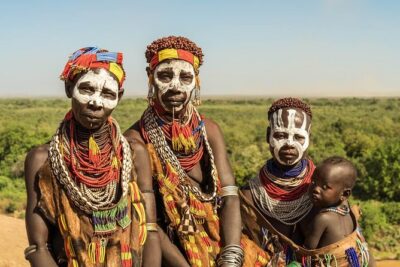
- Karo on the Omo River: body painting and a calmer riverbank day
- Mago National Park and the Mursi: lip plates, living tradition, and the final drive
- Price and what you actually get for $1,290 per person
- Transportation, timing, and why early starts pay off
- Who should book this Omo Valley private tour (and who should think twice)
- Should you book this five-day Omo Valley experience?
- FAQ
- How long is the Omo Valley private tour?
- Where does the tour start and where does it end?
- What’s included in the tour price?
- Does the tour include a boat trip?
- Which tribes are visited during the trip?
- Is this a private tour or a shared group?
- What is the cancellation policy for a full refund?
Key highlights you should care about
- Mohammed’s guiding style: warm, organized, and the kind of person who answers your questions without making you feel rushed.
- Lake Chamo boat safari: crocodiles sunning on the water, plus hippos and lots of birdlife.
- UNESCO Konso: a walled village tradition and terracing practices that have real cultural and environmental meaning.
- Multiple tribe encounters: Dorze huts and weaving, Hamer bull-jumping culture, Dasenech egg-shaped huts, Karo body painting, and Mursi lip plates.
- Value-leaning inclusions: several park or activity entries are marked included, and breakfast is provided on four days.
More Omo Valley itineraries, reviewed
- 5 Day Private tour to the Omo Valley Tribes and Adventure Tour★ 5.0 · 11 reviews
- Omo Valley Tribes 6 Days Tours★ 4.9 · 10 reviews
- 6 Days Omo valley Tribal Tour (Starts Arba Minch End Jinka)★ 5.0 · 7 reviews
Five days in Ethiopia’s Omo Valley: what this trip really feels like
This kind of itinerary is not about checking boxes. It’s about moving through a part of Ethiopia where daily life, ceremonies, and craft traditions are still visible, and where the natural world is right there with you. The Omo Valley is part of the Great Rift Valley, and that matters because the terrain shapes settlement patterns, farming, and travel routes.
The private tour format is a big deal for comfort. You’re not stuck waiting for a bus full of strangers, and you can usually keep your pace through markets, villages, and viewpoints. In the same spirit, the tour is built around early mornings, which helps you get the best light for photos and the most pleasant temperatures for walking around.
I also appreciate that this isn’t just tribes on a schedule. The trip includes wildlife time, especially the Lake Chamo boat ride, so you get contrast between human culture and animals sharing the same region.
One consideration: you’re in a remote area with long overland days. The operator notes moderate physical fitness is expected, and realistically you should be ready for uneven paths, heat, and lots of time in a vehicle.
Arba Minch pickup to Dorze Village: elephant-face huts and weaving time
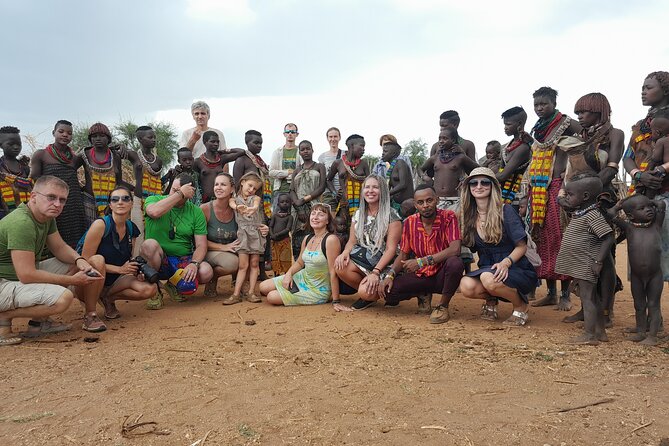
Day 1 begins with a pickup from Arba Minch airport, then lunch with the Jebena team. After that, you drive to the Dorze Village, about 22 km from Arba Minch. This is one of the first chances to see the region’s “everyday architecture” rather than just watching a performance.
The Dorze are known for distinctive hut shapes, often described as elephant-face shaped, and for traditional weaving. For me, the value here is that weaving is not a museum thing. It’s a skill tied to daily life, and it gives you a practical lens for understanding how people make clothing and household goods.
Potential drawback: the Dorze stop is short compared to later, longer sessions. If you’re hoping to spend hours talking and learning, you may want to ask your guide to focus more on craft details during your time there, rather than spreading attention across everything at once.
Nechisar National Park and Lake Chamo: crocodiles and hippos, with birds everywhere
Day 2’s standout is the early boat trip on Lake Chamo in Nechisar National Park. You go out in the morning after breakfast, and the purpose is wildlife viewing: crocodiles sunning themselves, hippos, and plenty of birdlife.
This stop changes the rhythm of the trip. Even if you love tribes, it’s a nice reset to watch animals on their schedule. And because the tour includes admission for this activity, you’re not scrambling at the last minute to figure out entry costs.
A practical note: boat time can be chilly early and hot later, depending on weather. Bring a light layer if you run cold in the morning, and consider water on hand so you don’t lose time to searching for it.
The bigger “why it’s worth it” point is this: Lake Chamo is a living ecosystem. You’ll see how close wildlife can feel to human travel routes, which helps you understand why the region is so heavily tied to rivers, lakes, and seasonal patterns.
Konso and UNESCO walled villages: terraces, protection, and a different kind of history
After the wildlife morning, the day turns toward Konso, one of the most well-known groups in the area. Konso villages are famous for their walled layouts, and Konso terracing is tied to protecting the environment in mountainous terrain.
The UNESCO connection is important because it gives you context beyond aesthetics. When you see stepped farmland and defensive walls, it becomes clearer why settlement design mattered for safety and water control. It’s not just scenery. It’s engineering made by ordinary people.
You’ll then drive onward to Turmi to spend the night. This is a practical transition day, and it helps you avoid the fatigue of moving constantly without breaks. Also, the Konso stop is marked as free for admission, which is a small but real value booster.
One drawback to plan for: Konso and Turmi are part of a long route day. If you’re sensitive to motion sickness, it’s worth preparing, because this portion involves driving time before and after the village visit.
Private departures elsewhere in Ethiopia

Turmi and the Hamer: bull-jumping culture, plus women’s signature style
Day 3 centers on Turmi and a visit to the Hamer (Hamar) people. The Hamer are described as occupying a large area in the Omo Valley region, and they’re especially known for the bull-jumping ceremony. That ceremony is a rite of passage, marking the movement of men from one age group to another.
The cultural value of this stop is timing and attention. Ceremonies are not casual. They carry social meaning, and a good guide will help you interpret what you’re seeing without turning it into a circus. Mohammed’s guiding style is often described as full of knowledge, and the most helpful version of that is when you get asked questions like Why this matters, not just What you’re seeing.
The tour also highlights Hamer women’s distinctive look: colourful leather dresses and dreadlocked hairstyles. Even if you’re not focused on fashion, style here tells you about identity, status, and continuity.
A practical consideration: a ceremony visit can vary in feel depending on timing and what’s happening during your dates. If your main goal is the bull-jumping ritual specifically, keep your expectations flexible and trust your guide to orient you on what’s appropriate to observe.
Omorate and Dasenech: crossing the Omo River and egg-shaped hut life
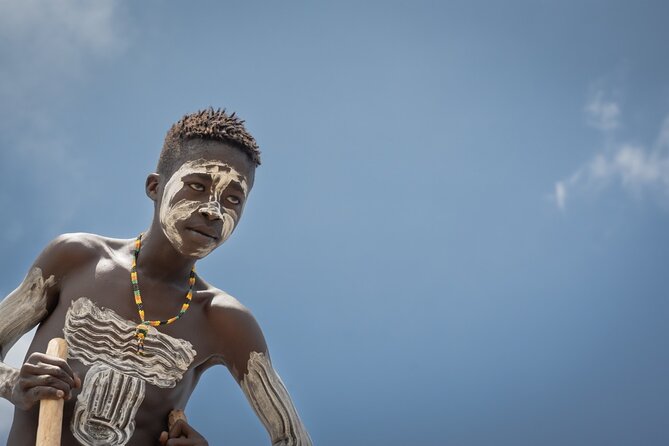
On Day 3, you switch from Turmi toward Omorate in the morning after breakfast. The Dasenech tribe visit is the key stop. Before reaching the village, you cross the Omo River on a wooden carved boat, which turns the journey into part of the experience rather than a boring transit pause.
The Dasenech are known for egg-shaped huts built by women. That detail matters because it frames architecture as a community practice. When women build these homes and maintain them, you start to understand social roles as something visible in everyday spaces.
This is also where you’ll likely notice the differences between tribes quickly. The Omo Valley groups are distinct, but they can blur in your head if you don’t slow down. A private guide helps here because you can ask focused questions while you’re in the moment.
Potential drawback: this is another “early and active” day. If you’re traveling with kids or anyone who tires quickly, plan for rest breaks and keep your expectations realistic about how much time you’ll want to stand, walk, and look around.
Karo on the Omo River: body painting and a calmer riverbank day
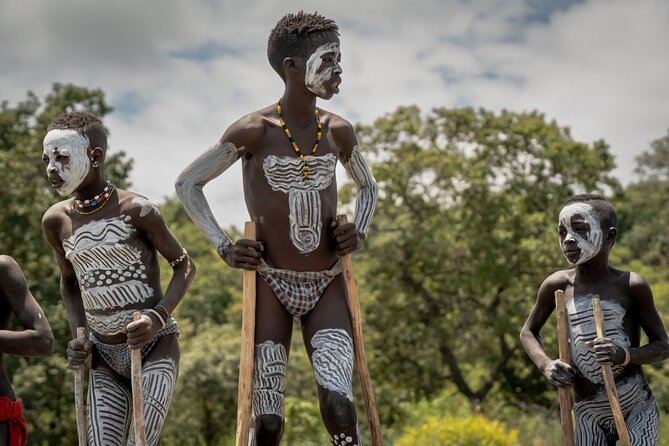
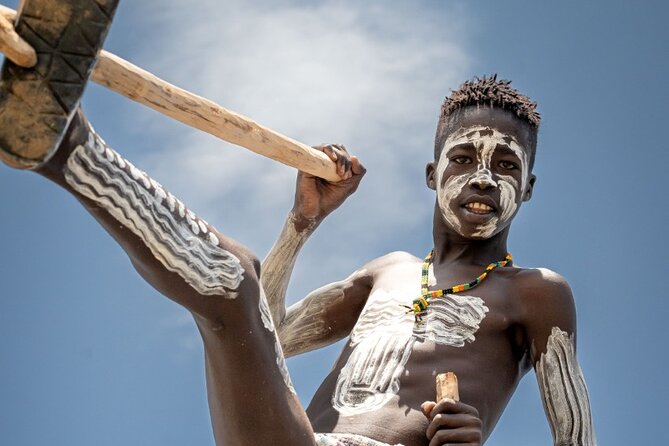
Day 4 goes to karo (Karo) to visit the Karo tribes and enjoy views of the Omo River. Karo people are well known for body painting, and this stop is a visual study of identity markers and art traditions.
What I like about this day is the balance. You’re not rushing from one intense moment to another every hour. You get a more laid-back river setting, and that helps you observe how people interact with the landscape and with each other.
It also helps with photography, because the river setting gives you natural light and background structure. Just remember that body painting and personal appearance can be deeply meaningful, so asking before photographing is the smart move if you want respectful access.
The tour notes admission is included for this day’s activity. For budgeting, that means fewer surprises.
Mago National Park and the Mursi: lip plates, living tradition, and the final drive
Day 5 brings you to Mago National Park to visit the Mursi tribe, then you drive back to Jinka for your flight connection back to Addis Ababa. If the Omo Valley is on your shortlist for Ethiopia, the Mursi lip plates are often the moment people remember most.
The Mursi women are known for lip piercing and stretching the lower lip using plates over time. The tour description also notes that an unmarried woman’s lower lip is pierced and then gradually stretched over the year.
Important note for your expectations: cultural practices like this should be approached with respect and patience. A good guide will set the tone, help you understand what you’re seeing, and steer you toward observing rather than treating people like a photo backdrop.
This is also the day where practical comfort matters most. After the tribe visit, you’re back in a vehicle for the drive to Jinka, where your flight is timed in. Because the tour ends once you reach your flight, the better you pace your energy during the Mursi stop, the smoother your departure day tends to be.
Price and what you actually get for $1,290 per person
At $1,290 per person for about five days, this is not a budget outing. But it also isn’t a “pay for nothing” price tag.
Here’s how the value stacks up from the info you’ve got:
- Private tour means you’re paying for your own group, your own pacing, and your own guide time.
- Pickup is offered from Arba Minch airport, which saves you from handling the hardest logistics in a remote area.
- Breakfast is included on four days, which matters because breakfast costs and time gaps add up fast on multi-stop trips.
- Several key admissions are marked as included or free, including the Lake Chamo boat trip and multiple national park or tribe visits.
- The tour notes photo fees are not included, so if you plan to pay for official photos or special photo access, budget for that separately.
What’s not included is also clear: alcohol drinks, lunch, dinner, flight costs, photo fees, and personal expenses. So the real cost of the trip depends on how much you spend on meals and any add-on photography during the stops.
My practical take: this price makes the most sense if you value a guide who can interpret what you see, and if you want private movement across multiple tribes without negotiating day-by-day details yourself.
Transportation, timing, and why early starts pay off
The tour runs during operating hours listed as 6:00 AM to 6:00 PM, and each day’s rhythm leans early. That’s not just for show. In this region, mornings often feel easier for viewing, and you get steadier daylight for both people watching and animal viewing on the lake.
You’ll spend most of your days in a mix of driving and short, focused visits. The pacing is designed to keep you from turning each day into one long vehicle slog. Still, you should expect travel days with real time on the road, especially as you move between Arba Minch, Turmi, Omorate, and the Mago area near Jinka.
Since it’s a private activity, it’s also likely your schedule can flex within reason for weather or timing changes. The tour notes it requires good weather, so if conditions are poor, you might see adjustments.
Who should book this Omo Valley private tour (and who should think twice)
This tour is a strong fit if:
- You want a guided, structured way to visit multiple Omo Valley tribes in a five-day window.
- You care about wildlife time, not just culture stops.
- You prefer a private group and expect your guide to explain what you’re seeing.
- You want a trip built around multiple locations, not one single base camp.
You might think twice if:
- You dislike long drives or you’re uncomfortable with remote travel pacing.
- You want only very leisurely days with minimal transitions.
- You’re on a strict meal budget, because lunch and dinner are not included.
One more point: the reviews you have included praise the guide’s ability to keep things organized and comfortable even for families with very young children. That suggests the operator takes attention to timing and group needs seriously, which is a real plus.
Should you book this five-day Omo Valley experience?
If your goal is a high-contact Omo Valley trip that balances tribes with a serious wildlife moment, this one is worth serious consideration. Mohammed and the Jebena team appear to be a core part of the experience, and the schedule is built to make the most of limited time in the region.
My advice: book if you want interpretation, not just photos. Plan for long days and bring patience, then you’ll get the best from the Dorze, Konso, Hamer, Dasenech, Karo, and Mursi moments that make this part of Ethiopia so memorable.
FAQ
How long is the Omo Valley private tour?
It runs for 5 days, approximately.
Where does the tour start and where does it end?
You’re picked up from Arba Minch airport on Day 1, and the tour ends after driving back to Jinka for your flight connection back to Addis Ababa.
What’s included in the tour price?
Breakfast is included for 4 days. The tour also includes admissions for certain activities as noted, and you’ll receive a mobile ticket.
Does the tour include a boat trip?
Yes. On Day 2, you’ll take a boat trip on Lake Chamo to see crocodiles, hippos, and many birds.
Which tribes are visited during the trip?
You’ll visit the Dorze Village, Konso, Hamer, Dasenech, Karo, and Mursi.
Is this a private tour or a shared group?
It’s private. Only your group participates.
What is the cancellation policy for a full refund?
You can cancel up to 24 hours in advance for a full refund.
Browsing Ethiopia More Widely
- 3 days around Arbaminch and Konso Adventure Tours Life Time
★ 5.0 · 24 reviews - Private 3 Days Adventure Tour Through Arba Minch
★ 5.0 · 16 reviews - Omo Valley Tribes 6 Days Tours
★ 4.9 · 10 reviews - 6 Days Omo valley Tribal Tour (Starts Arba Minch End Jinka)
★ 5.0 · 7 reviews - 6 days private Sight Seeing Tours.
★ 5.0 · 4 reviews
The Rest of the Ethiopia List
- 3 days around Arbaminch and Konso Adventure Tours Life Time
★ 5.0 · 24 reviews - Private 3 Days Adventure Tour Through Arba Minch
★ 5.0 · 16 reviews - Omo Valley Tribes 6 Days Tours
★ 4.9 · 10 reviews - 3 days, Arba Minch and Dorze
★ 5.0 · 7 reviews - 6 Days Omo valley Tribal Tour (Starts Arba Minch End Jinka)
★ 5.0 · 7 reviews
South to the Omo Valley
- Omo Valley Tribes 6 Days Tours
★ 4.9 · 10 reviews - 6 Days Omo valley Tribal Tour (Starts Arba Minch End Jinka)
★ 5.0 · 7 reviews - 4 Days tour in omo valley.
★ 4.5 · 3 reviews
Other Ethiopia tours we have written up

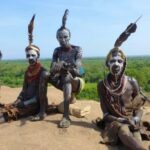
Omo Valley Cultural Tours, compared.
 ★ 5.06 Days Omo Valley Tribes Tours From Addis AbabaFrom $1,39933 reviews
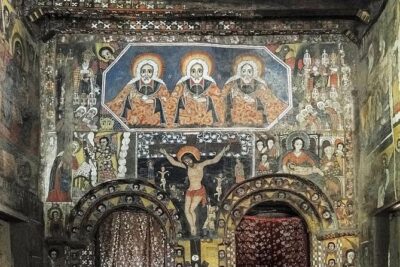 ★ 5.0Lalibela, Axum, Danakil and Omo Valley 8 DAYSFrom $2,05129 reviews
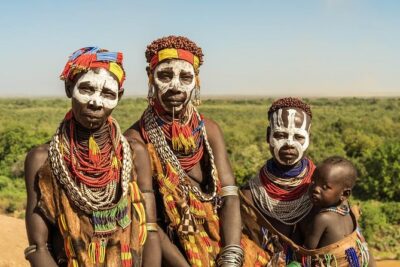 ★ 5.03 Days Omo Valley TourFrom $80024 reviews
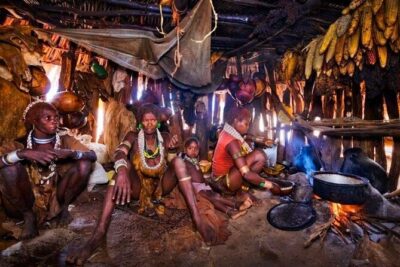 ★ 5.05 Days Omo Valley ToursFrom $75015 reviews
 ★ 5.06 Days Lalibela, Omo Valley and HararFrom $1,53815 reviews
 ★ 5.0Private Omo Valley Tours From Addis AbabaFrom $1,89012 reviews
 ★ 5.09 Days Tours To Danakil Depression, Simen MNP, Lalibela With Omo Valley TribesFrom $1,80011 reviews
 ★ 5.08 Days Lalibela,Danakil Depression and Omo Vally ToursFrom $1,19910 reviews
Browse the lists this tour appears in