
REVIEW · LALIBELA TOURS
Lalibela, Axum, Danakil and Omo Valley 8 DAYS
You cross Ethiopia fast, from churches to volcanoes. This 8-day route ties together Lalibela, Axum, the Danakil lowlands, and the lower Omo cultures, with local guides and a driver handling the handoffs in a small group (max 10). Flights and vehicle transfers mean you spend less time figuring out logistics and more time actually looking at Ethiopia.
I love two things right away. First, entrance fees and village/elder payments are handled, so you are not constantly doing math at ticket booths. Second, the trip includes the domestic flights and most transfers, which is huge when you are hopping between very different regions.
One consideration: this is not a couch-and-cocktails kind of itinerary. You need moderate physical fitness, and some segments involve long, rough roads tied to Erta Ale and the Danakil area. Also, one past group reported a routing mix-up on a church day, so it pays to stay alert and speak up quickly if anything feels off.
In This Review
- Key things to know before you go
- Ethiopia, in eight days: why this route works
- Price and logistics: what you are really paying for
- Lalibela Day 1: rock-hewn churches that still feel unreal
- Axum and the Northern Stelae Park Day 2: history you can walk through
- Gheralta base and rock churches: a different angle on Ethiopian carving
- Erta Ale Day 3: the road is half the story
- Erta Ale Day 4 sunrise and pit craters: walking near the edge
- Danakil Day 5: salt mining, Dallol, and Lake Assal
- Omo Valley Day 6: Ari villages and Jinka Museum
- Mago National Park Day 7 and Turmi: Mursi and Hamer traditions
- Konso Day 8: terraces, fortified settlements, and living culture
- Comfort level and how to prepare, without overthinking it
- Should you book Lalibela, Axum, Danakil and Omo Valley?
- FAQ
- What is the group size for this tour?
- Are entrance fees included?
- Does the price include domestic flights?
- What about international flights?
- How physically demanding is the trip?
- Can I get a refund if I need to cancel?
Key things to know before you go
- Small group, max 10 means you can move at a human pace without feeling lost in a crowd
- Pickups are arranged from both Addis Ababa and Lalibela to simplify your start
- Entrance fees and elders payments included so cultural visits are smooth and predictable
- Domestic flights are part of the plan so you avoid some brutal overland travel
- Erta Ale and Danakil are physically demanding so plan for dust, heat, and uneven roads
- Guides and team support show up in reviews with names like Muller, Muna, Yared, Samrawit, and Sefora credited for strong service
More of Lalibela, reviewed one by one
- Tour 11 monolithic rock churches & museum in Lalibela & cave church with mummies★ 5.0 · 37 reviews
- Lalibela, Axum, Danakil and Omo Valley 8 DAYS★ 5.0 · 29 reviews
- Rock Churches of Lalibela Guided Tour★ 5.0 · 27 reviews
- Lalibela churches , church museum & Yemrehan kirstose ( cave church)★ 5.0 · 19 reviews
Ethiopia, in eight days: why this route works
This tour is built for contrast. One day you are staring at rock churches carved in the 1100s. Next, you are driving toward a place where a volcano holds a permanent lava lake. Then you pivot to the lower Omo Valley, where community traditions are a living part of daily life.
What makes the route valuable is the pacing style. You do not “tick boxes” only at big sights. You also get time in places where Ethiopia feels different street to street, region to region. And because the tour keeps logistics organized, you can focus on being present rather than constantly checking schedules.
Price and logistics: what you are really paying for
At $2,051.29 per person, this is not a cheap trip, but it is also not just a sightseeing day-pass. The package includes:
- Accommodation (varied options across the program)
- Air-conditioned vehicle
- Professional guide plus local guides where needed
- Entrance fees, plus village and elders payments
- Bed and breakfast
- Domestic flights
- Fuel and lubricants, and transfers in and transfers out
That combination matters because Ethiopia can be a “logistics-heavy” destination. When you add up flights, guides, entry fees, and the time cost of coordinating all of it yourself, this kind of package can start to look like real value.
From the review pattern you provided, the strongest theme is that the planning feels handled. People specifically praised the tour team for making the trip comfortable and easy, and they highlighted that hotels were clean and well-placed even if they are basic. One review even mentioned a Toyota 4WD being used for the rougher stretches, which is exactly the kind of practical touch you want when roads get challenging.
Lalibela Day 1: rock-hewn churches that still feel unreal
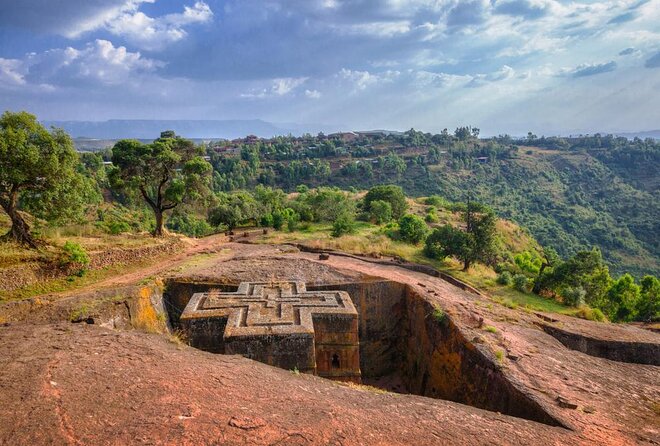
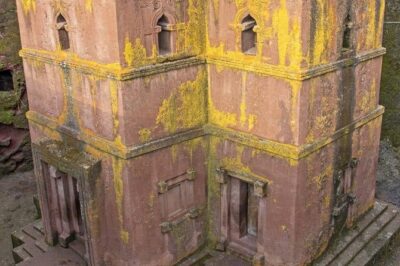
Lalibela is why many people come to Ethiopia in the first place. After flying north and getting transferred to your hotel, you jump in after lunch with the first cluster of churches located north of a stream called the Jordan River.
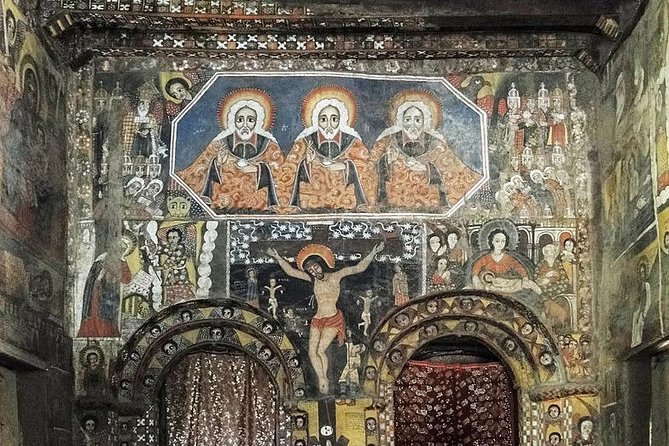
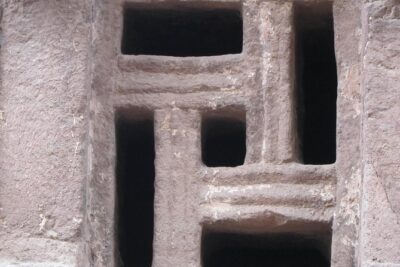
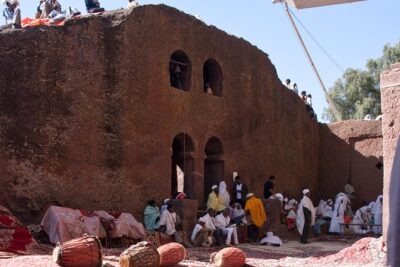
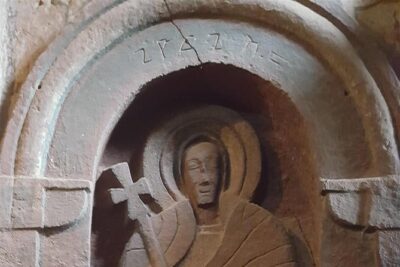
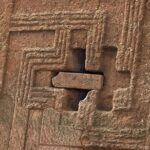
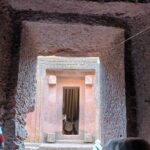
This is not one single church. You are looking at groups of churches, including the famous arrangement of around eleven rock churches organized into sets of three. These were carved during the time of King Lalibela, and they are registered by UNESCO as a World Heritage Site.
What I like about starting here on Day 1 is the mental setup. You arrive, get settled, and then the tour places you right into the big “wow” without making you wait. If you enjoy religious art, architecture, or just the sheer fact of stone being shaped by hand, Lalibela is hard to beat.
Practical note: you will likely walk and climb a bit on uneven church surfaces. Good footwear and a hat help.
Axum and the Northern Stelae Park Day 2: history you can walk through
The route continues north with a morning flight from Lalibela to Axum, then a visit in Axum before you drive onward toward Hawzien via Adwa.
In Axum, you spend time at the Northern Stelae Park. Even if you are not a specialist, stelae fields have a way of doing something simple: they make time feel physical. You stand in the presence of stone monuments that outlast empires.
Then the day shifts into drive time and scenery en route to Hawzien, with the next evening based in that area. You also stop for Gheralta Rock, using Hawzien as the base for exploring the rock-hewn churches around Gheralta.
This is a good mid-trip move because Day 2 balances sightseeing with travel days that reposition you for the big volcanic segment.
Gheralta base and rock churches: a different angle on Ethiopian carving
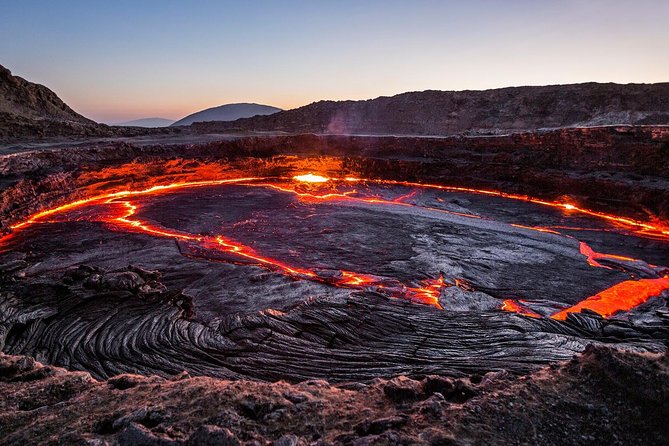
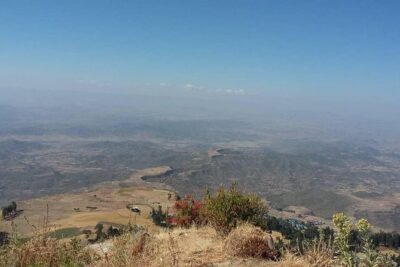
Staying in the Hawzien area is smart if you want the churches without rushing. From there, you can focus on the Gheralta rock-hewn churches rather than treating them as a quick “drive-by.”
You should know what the day suggests: this part of the trip is built around viewpoints and stone structures cut into dramatic terrain. That means you might deal with stairs, uneven steps, and wind. Bring layers, because temperatures can change quickly in elevated areas.
Erta Ale Day 3: the road is half the story
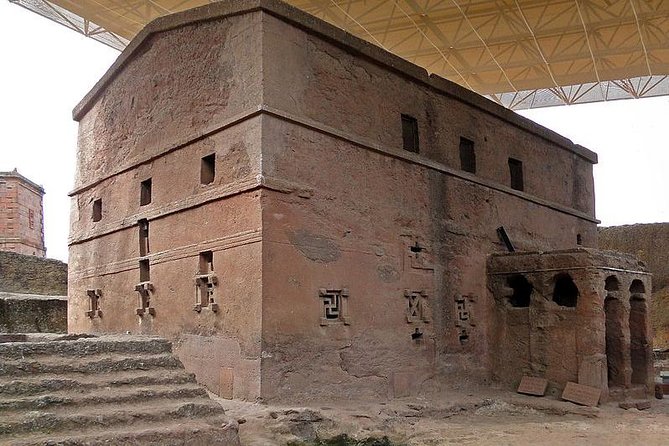
Day 3 is where the trip turns into adventure mode. You head toward Erta Ale via Mekele (often described with the meaning smoky mountain), then you drive to Dodom at the base of the volcano.
Erta Ale is a shield volcano with a summit caldera described at about 1 km square. The headline fact is that it contains the world’s only permanent lava lake, with the lava lake described as present since the early years of the twentieth century.
This stop is physically demanding for a simple reason: getting there involves very rough road conditions. If you have ever been on a road trip where you feel your spine in your teeth, you are getting close. The tour schedule starts in the morning and builds in enough time to reach Dodom for the next phase of the experience.
If you are prone to motion sickness, take it seriously. Bring any medication you normally use, and consider sitting where you get the smoothest ride.
Erta Ale Day 4 sunrise and pit craters: walking near the edge
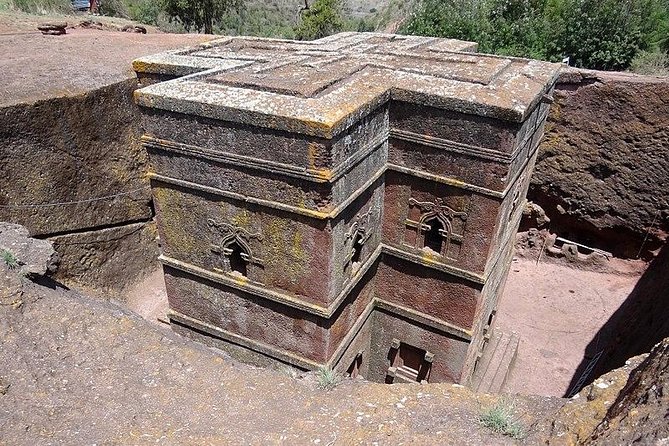
Day 4 starts early with sunrise aimed at the northern one corresponding to the main pit crater. The tour then has you walk a short distance for the southern and central pits.
The details matter here: the main pit crater is described as 200 m deep and 350 m across, sub-circular and three-storied. The smaller southern pit is described as about 65 m wide and roughly 100 m deep.
You also get a calm segment at camp after returning around 9 am, with an early breakfast approach suggested for timing. After that, the program mentions the possibility of reaching Lake Giulietti (Lake Afrera) as an optional add-on, though it can depend on availability during certain conditions.
This day is a great example of why guided tours can help. You are seeing a dangerous natural site, and it is not the moment to freestyle your own pacing. Follow instructions, keep your eyes on where you place your feet, and do not rush.
Danakil Day 5: salt mining, Dallol, and Lake Assal

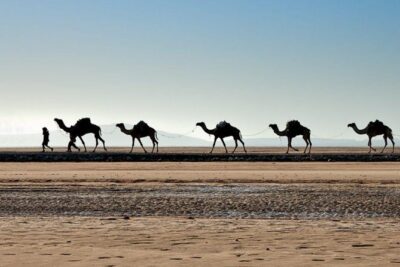
Day 5 is the “how is this real?” day. You start with a morning drive to Ragad (Asebo), a salt-mining area where you can watch workers breaking salts from the ground, cutting them into rectangular pieces, and loading them on camels.
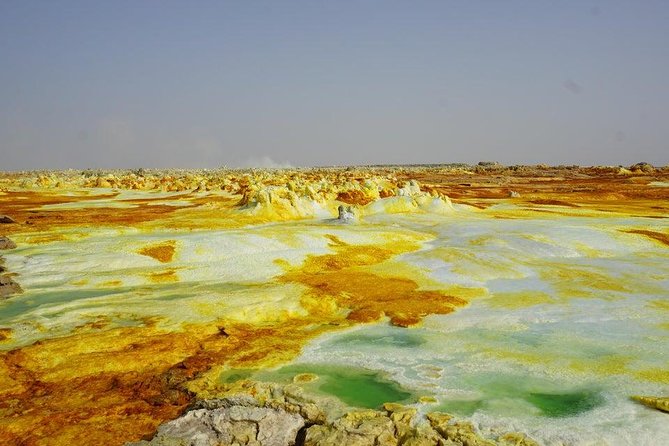
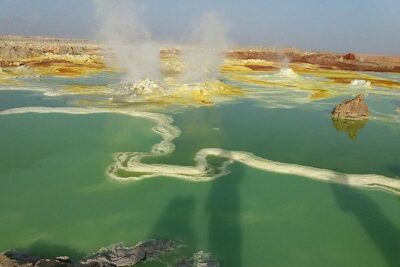
Then the day adds the famous lowland sights: Dallol with its colorful formations from volcanic activity, followed by Lake Assal. Dallol is described as about 116 meters below sea level, one of the lowest places in the world.
The camel caravan detail is practical and seasonal. The program notes there may be no camel caravan during July, August, and early September. If you travel during those months, you should be prepared for the route to adjust.
Also, the tour mentions following up with walking with Afar people. When a trip includes village-level experiences like this, it is a sign that the tour is paying for local time and access, not just driving past scenery.
Omo Valley Day 6: Ari villages and Jinka Museum
After the Danakil segment, you shift to the lower Omo Valley area. The tour meets you at Jinka Airport, then drives into the Ari villages to visit the Ari people.
The focus here is everyday life and crafts. The women are described as wearing skirts made from Enset, and they are described as expert in pottery. That is the kind of detail that makes a visit feel grounded instead of staged.
You also include Jinka Museum time. The museum is described as having a collection of musical instruments, weapons, household items, and more. Even if you only spend an hour, a museum stop can help you interpret what you are seeing in the villages.
The overall value on Day 6 is context. It is much easier to understand what you notice in Omo village visits if you have a quick cultural reference first.
Mago National Park Day 7 and Turmi: Mursi and Hamer traditions
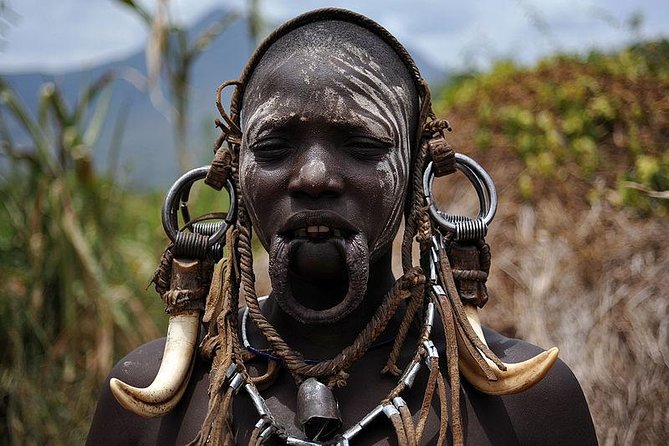
Day 7 runs two cultural stops. First you go to Mago National Park for a day excursion to visit the Mursi village. The tour describes their low huts made of straw leaves and highlights the custom of very long stretched lower lips and ear lobes for women.
Then you continue to Turmi to meet the Hamer people, known for the bull jumping practice. The tour describes the process around a boy’s initiation into manhood, with female relatives dancing and men who have recently been initiated whipping, and then the boy running back and forth across the backs of a row of bulls or castrated steers.
What I appreciate is that the tour gives you the structure of the tradition, not just the spectacle. That makes the experience more than a photo stop, because you understand what the ritual means.
One practical point: these are short time windows (2 hours at Mursi, then 1 hour at Turmi). You do not want to arrive tired. Pace yourself on Day 7 so you can actually absorb what is happening.
Konso Day 8: terraces, fortified settlements, and living culture
The final day shifts to Konso Cultural Landscape, described as an arid property of stone walled terraces and fortified settlements in the Konso highlands.
This is framed as a living cultural tradition stretching back 21 generations, which the program notes is more than 400 years. The tour also points to the way the landscape demonstrates shared values, social cohesion, and engineering knowledge adapted to a dry, hostile environment.
You will also see anthropomorphic wooden statues grouped to represent respected community members and heroic events tied to funerary traditions.
This ending works well because it brings you back to a long-term view. After the raw intensity of volcanoes and salt flats, Konso offers a quieter, deeply human finish.
Comfort level and how to prepare, without overthinking it
This is a tour for people who like real travel, not only air-conditioned rides and museum benches. Still, it is designed with comfort in mind where it matters. You get an air-conditioned vehicle for transfers and a guided plan that takes care of entry fees and local payments.
Your biggest preparation items are simple:
- Moderate physical fitness for rough roads and early starts
- Sun and heat readiness for the Danakil and volcano days
- Respect and patience for cultural visits where elders and community rules matter
On accommodation, the review pattern you shared suggests the hotels are basic but clean, with comfortable beds and good location. That is a solid match for travelers who want comfort without paying luxury prices for every night.
Should you book Lalibela, Axum, Danakil and Omo Valley?
I think you should book if you want Ethiopia in big strokes and you like guided structure. The biggest “yes” is value for what is included: domestic flights, guides, and entry fees are wrapped into the price. The second “yes” is the small group size, max 10, which keeps the trip from feeling chaotic.
I would hesitate if you hate rough roads or you need a slow, flexible pace. Erta Ale and Danakil are intense segments, and even with a good guide and vehicle support, you should expect physical challenge. Also, if you are the type who needs every detail nailed down, note that one past group reported a routing mix-up on a church day. That is uncommon in a well-run operation, but it is a good reminder to stay engaged and ask questions early.
If you fit the first group, this is a memorable, high-impact Ethiopia sampler that feels more like an adventure you joined than a checklist you survived.
FAQ
What is the group size for this tour?
The maximum group size is 10 travelers, so you should expect a small-group experience rather than a large bus crowd.
Are entrance fees included?
Yes. All entrance fees are included, and the tour also covers village and elders payments.
Does the price include domestic flights?
Yes. The tour includes domestic flights as part of the itinerary, along with transfers and an air-conditioned vehicle.
What about international flights?
International flights are not included. You will need to arrange flights to and from Ethiopia separately.
How physically demanding is the trip?
The tour is described as suitable for travelers with moderate physical fitness level. You should be ready for early starts and physically challenging sightseeing, especially around Erta Ale and the Danakil area.
Can I get a refund if I need to cancel?
You can cancel up to 6 days in advance of the experience for a full refund. If you cancel 2 to 6 days before, you receive a 50% refund, and if you cancel less than 2 days before, the amount paid is not refunded.
Lalibela, Reviewed
- Visiting Lalibela churches
★ 5.0 · 40 reviews - Tour 11 monolithic rock churches & museum in Lalibela & cave church with mummies
★ 5.0 · 37 reviews - Rock Churches of Lalibela Guided Tour
★ 5.0 · 27 reviews - Lalibela churches , church museum & Yemrehan kirstose ( cave church)
★ 5.0 · 19 reviews - Day Trip to Rock Hewn Churches of Lalibela
★ 5.0 · 16 reviews
Other Ethiopia tours we have written up
Lalibela Tours, compared.
 ★ 5.012 Days SIMIEN MOUNTAIN-LALIBELA-DANAKIL-TIGRAY CHURCHESFrom $1,64145 reviews
 ★ 5.0Visiting Lalibela churchesFrom $20040 reviews
 ★ 5.0Tour 11 monolithic rock churches & museum in Lalibela & cave church with mummiesFrom $35537 reviews
 ★ 5.05 DAYS Lalibela, Axum, Tigray churches and DanakilFrom $1,02534 reviews
 ★ 5.06 Days tour Package (Simien Mountains, Lalibela, and Danakil Depression)From $1,43532 reviews
 ★ 5.0Danakil Depression and Lalibela 5 Days ToursFrom $95028 reviews
 ★ 5.0Rock Churches of Lalibela Guided TourFrom $4627 reviews
 ★ 4.55 DAYS Axum, Lalibela, Tigray churches and DanakilFrom $1,00022 reviews
Browse the lists this tour appears in