
REVIEW · LALIBELA TOURS
6 Days tour Package (Simien Mountains, Lalibela, and Danakil Depression)
Four UNESCO sites and one volcano challenge. This six-day Ethiopia loop from Gondar packs Simien Mountains trekking with Erta Ale lava-lake access, plus Lalibela’s famous rock-cut churches. I like that it saves you from logistics headaches, and I like that you get a structured mix of hiking, history, and real geology in a tight timeline. The catch: you should expect early mornings and long, sometimes rough road days.
You start with a pickup in Gondar (either the airport or your hotel), and the tour runs as a group max of 25. Most practical stuff is handled for you, from 4WD transport and entry fees to scouts, police service in Afar, and security. If you’re the type who needs everything to run perfectly on schedule, read this like a workout plan, not a spa day.
Key points that make this tour worth your attention
- Simien Mountains permit day plus scout meet-up: you drive to Debark, handle park permission, then hit viewpoints fast.
- One full day for Lalibela’s 11 church groups: timed to fit a busy multi-region route.
- Afar driving days are part of the experience: you’re trading comfort for access to Danakil’s geothermal zone.
- Erta Ale includes sunrise-style timing: you’re up early and walking short distances around the pits.
- Dallol and Lake Assal are built into the rhythm: salt mining, unusual volcanic formations, and camel activity when running.
- Value depends on how you handle rough travel: inclusions are strong, but the road is not smooth.
In This Review
- Simien Mountains National Park, permits, and the first big viewpoint
- Lalibela’s 11 rock-hewn church groups in one long day
- Driving from Lalibela toward Mekele, and why it’s the quiet workday
- Erta Ale, from rough roads to sunrise pits
- Danakil Depression basics: Dallol, Lake Assal, and Afar salt mining
- What the inclusions really mean for your time and sanity
- Price and Logistics: where value is strong, and where it can slip
- Who this tour is best for (and who should think twice)
- Should you book the Simien, Lalibela, and Danakil combo?
- FAQ
- What time does the tour start in Gondar?
- Where is pickup offered?
- How long is the tour?
- What parts of the trip include trekking or walking?
- Are entrance fees included?
- Does the price include flights and transport?
- Which meals are not included?
- Do I need good weather for this experience?
- What is the maximum group size?
Simien Mountains National Park, permits, and the first big viewpoint
Day 1 begins with a very early start. You meet at 5:30 am in Gondar, then transfer to Debark, the headquarters town for the national park. This first leg matters more than it sounds. Debark is where you get park permission to enter, and you meet your scout, which helps everything feel orderly from the start.
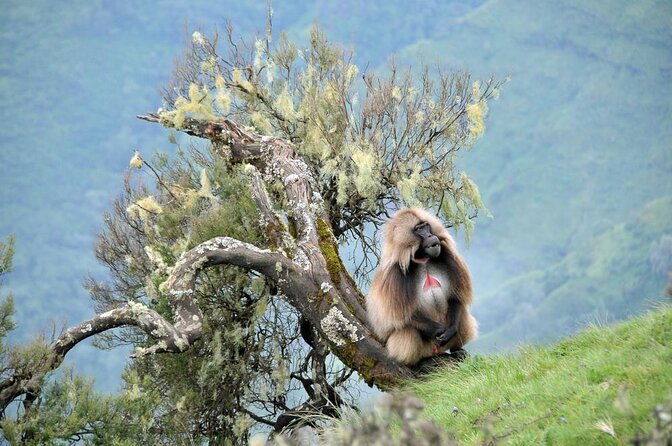
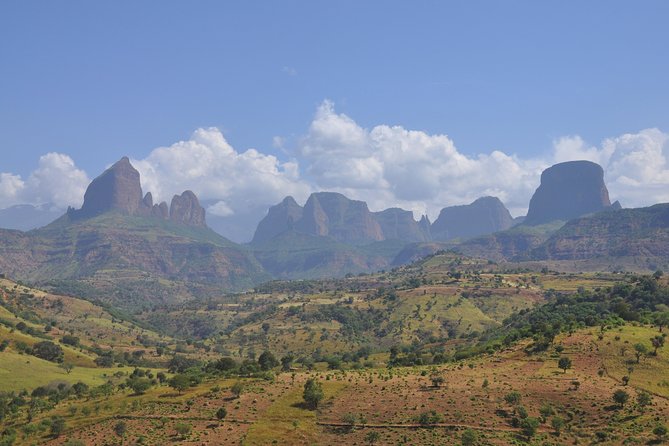
Once you pass through the park gate, you begin trekking. The plan is to drive roughly 16 km from Debark to the gate, then another short drive to the Buit Ras area. From there, you hike for about 3 to 4 hours to Chilkuwanit, described as one of the most beautiful viewpoints in the park. In practice, this is the part of the trip that filters for fit travelers. You don’t need technical climbing gear, but you do need legs that can handle sustained walking on uneven ground.
I also like the small added structure in Debark. You may have time for a tea and coffee break, plus a local market visit if your schedule allows. The market is open daily, with bigger market days on Wednesday and Saturday. If you’re traveling during one of those days, this is your best chance to get a real slice of daily life before you disappear into the park.
Comparing operators? These Ethiopia trips scored well when we went through them.
- 6 Days tour Package (Simien Mountains, Lalibela, and Danakil Depression)★ 5.0 · 32 reviews
- Simien Mountains – 4 Days★ 4.0 · 7 reviews
- 4 Days Trekking to Simien Mountain National Park★ 5.0 · 7 reviews
- 2 Days Simien Mountains Trekking★ 5.0 · 6 reviews
Lalibela’s 11 rock-hewn church groups in one long day
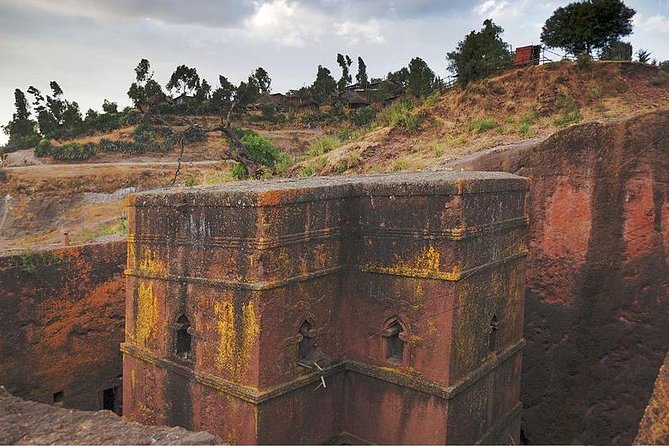
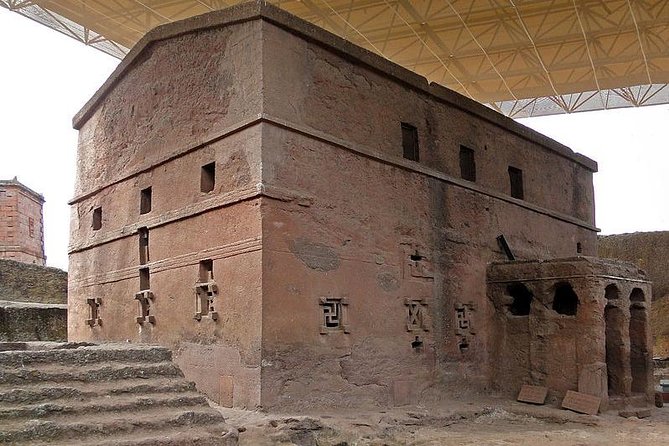
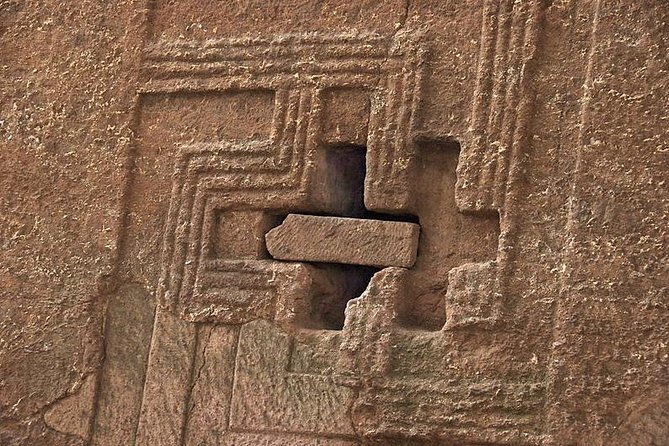
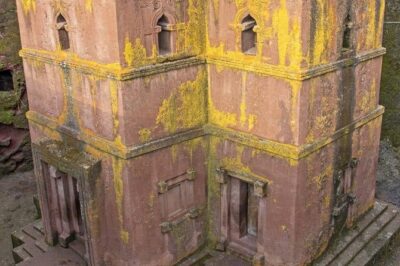
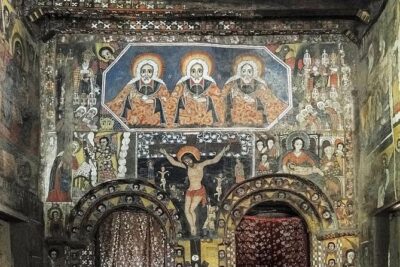
Day 2 is built around the Rock-Hewn Churches of Lalibela, a UNESCO World Heritage Site. The churches are described as 11 groups located north of a small stream named the Jordan River. Those details help you orient yourself, because you’re not just visiting one church. You’re moving between groups carved during King Lalibela’s reign (1181 to 1221), and each cluster has its own feel.
The tour gives you a full day window for the churches, with admission tickets included. That inclusion matters. Lalibela is a place where entry rules can change by site and time of day. Having this handled means you spend your energy looking at stone, not paperwork.
Two practical notes for you:
- Wear shoes you trust. The surfaces can be uneven and sometimes slick depending on conditions.
- Pace yourself. Even if the walk distances are not huge, the mental load is real. You’ll want moments where you stop and actually look at how the rock was shaped.
This day is also one of the easiest in the itinerary from a logistics standpoint. You get a cultural cornerstone without switching regions or rearranging travel plans midstream.
Driving from Lalibela toward Mekele, and why it’s the quiet workday
Day 3 is mostly about the transfer from Lalibela to Mekele, with scenic driving along the way. It sounds simple, and it is simpler than the park days, but don’t ignore it. Travel days like this are often where trips feel either smooth or exhausting.
Here’s how to think about it: you’re gaining elevation and shifting climates, plus you’re moving closer to Afar, where the geothermal and volcanic scenery takes over. This is also where you should use the downtime wisely. If you’re serious about photos, charge devices and keep memory cards organized. If you’re sensitive to long drives, plan for comfort basics: water, snacks (where allowed), and layers.
Erta Ale, from rough roads to sunrise pits
Days 4 and 5 are where the trip earns its reputation. Erta Ale is an active shield volcano in the Afar region, and it’s famous for the world’s only permanent lava lake. That is not a marketing line. The description includes key physical details too, like a summit caldera and lava lake dimensions, plus the idea that the lava lake has existed since the early years of the twentieth century. You’re not going to see a calm museum volcano. You’re going to see an active system at work.
Day 4 starts with an early start, 9:00 am noted in the plan, then a drive to Dodom at the base of Erta Ale. The road is described as one of the roughest, with an 80 km distance that can take a long time. This is one of the most important value-and-comfort tradeoffs on the itinerary. If you hate bumping along in 4WD on rough terrain, this is where you’ll feel it.
Once you’re set up, Day 5 includes the early morning volcano experience. The plan mentions early sunrise timing at the northern one corresponding to the main pit crater, plus short walks to view the southern and central pits. The main pit crater is described as sub-circular, about 200 m deep and 350 m across, with smaller pits also described in size. You’ll descend around 9 am Dodom, and the day includes leaving back to Dodom after an early breakfast if possible at 07:00.
What I think matters most for you is not the measurements. It’s the rhythm:
- You’ll likely start before your body is fully awake.
- You’ll do short, focused walking near the crater zones.
- You’ll spend time outside, where wind and temperature shifts can happen.
This is an active tour. It rewards patience.
Also note the optional add-on. After leaving early morning and returning to camp, there’s an optional drive toward Lake Giulietti or Lake Afrera, with a note that it may not be available during certain conditions. So keep expectations flexible. In this kind of environment, access can change quickly.
Danakil Depression basics: Dallol, Lake Assal, and Afar salt mining
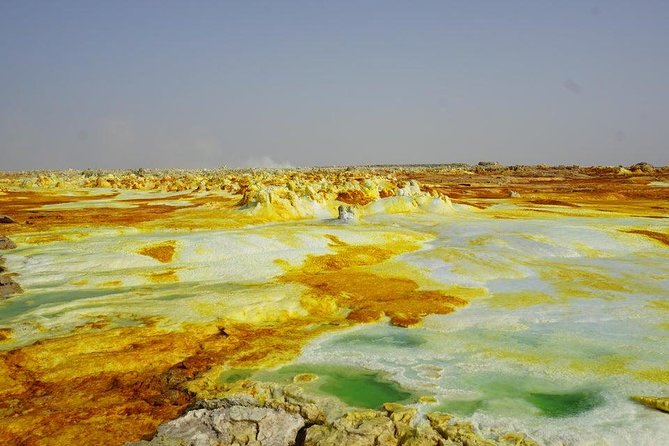
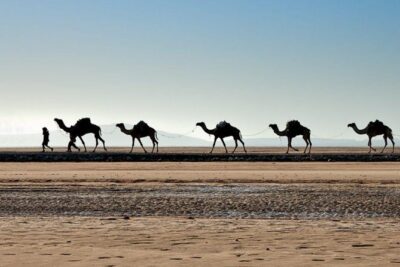
Day 6 turns the volume up on geothermal oddness. You start with a morning drive to Ragad (Asebo), described as a place where localities are mining salt. You’ll see workers breaking salts from the ground, cutting into rectangular pieces, and loading onto camels. That hands-on viewing is one of those experiences that makes Danakil feel less like a film set and more like a living economy.
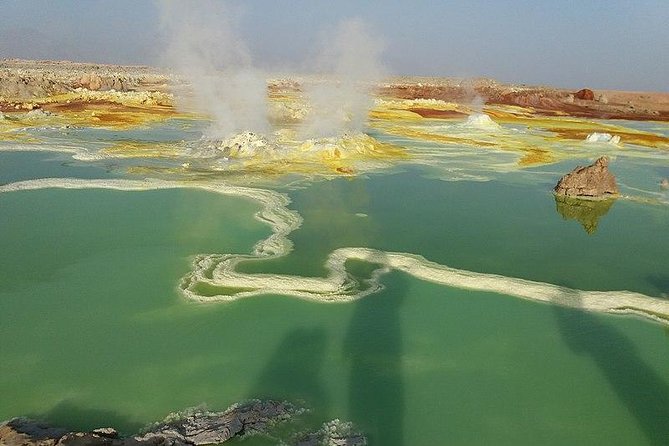
From there, the route goes to Dallol. Dallol is noted as about 116 meters below sea level and is described as a colorful, volcanic-activity-formed landscape. You’ll also visit Lake Assal and then follow up with camel caravans and walking with Afar people.
There’s one important seasonal detail you should hold in your head while planning:
- Camel caravans are noted as not available on July, August, and early September.
So if you’re traveling in those months, you might still see salt mining and the geothermal sites, but the camel caravan portion may change.
Then you drive back to Hamedela and proceed to Mekele. You also fly from Mekele to Addis to end the tour. That final flight piece is part of what makes this package work. You’re not stuck waiting out road travel between far-flung zones.
Other Simien treks, compared
What the inclusions really mean for your time and sanity
The price for this 6-day package is listed at $1,435.90 per person. You’re getting a lot packed in: domestic flights, overland 4WD transport, park and site entry fees, accommodation, and most meals.
Here’s where you should focus on value logic, not just totals:
- Entry fees are included, which can remove a common source of day-of surprises.
- Accommodation and meals are mostly covered, but not perfectly. The not-included list specifically notes lunch and dinner in Lalibela and Gondar. That means you should budget for a couple meal gaps even if you’re paying a full package price.
- Domestic flights are included (three domestic flights) with Ethiopian Air Lines, which saves you from long overland segments.
- Security, scout service, and police service in Afar are included, and that matters for a region where you want the journey to feel organized.
- A local guide service for the Afar region plus an English-speaking guide and driver help you connect the dots.
Transport is handled via 4WD Land Cruiser with fuel expense and drivers allowance, which lines up with the rough-road descriptions. Cooking and camping equipment are included too, which signals you’re not doing this as a barebones trek. You also get bottled water for the trip.
One more inclusion detail that affects your real day-to-day: there’s a maximum group size of 25. That’s large enough for energy and shared logistics, but small enough that you can still get help and guidance when you need it.
And about organization: one experience report credited Rahwa from HQ with flawless coordination and making sure nothing felt like a surprise. That kind of support is a big deal on a multi-region route. At the same time, you should also be ready for imperfect logistics, since there are also complaints about disorganization and value for money, including mentions of rude guide behavior and long, rocky road days. My advice is simple: confirm your pickup details in writing and ask for a clear daily timing plan before you depart.
Price and Logistics: where value is strong, and where it can slip
Let’s talk honestly about why the price can feel either fair or not.
If you want an organized “greatest hits” route, $1,435.90 for a week-long trip that strings together Simien, Lalibela, and the Danakil Depression is competitive. You’re also paying for the setup that makes Erta Ale and Dallol feasible, especially with scouts, police service in Afar, and multiple domestic flights.
Where value can slip is when your expectations are about comfort and clean pacing. The itinerary includes rough roads, early starts, and long days. If you’re someone who needs predictable timing and a very polished feel from start to finish, you might have a harder time enjoying the travel between highlights.
Also, your meal inclusions are not perfectly blanket coverage across every city day. Lunch and dinner are not included in Lalibela and Gondar. That won’t ruin the budget, but it changes the “all-in” feeling.
So how do you decide? Ask yourself: can you handle the physical side and the travel friction in exchange for seeing Ethiopia’s big natural and cultural milestones in six days? If yes, this package can feel like a smart deal.
Who this tour is best for (and who should think twice)
This is best for active travelers. The Simien day includes multi-hour trekking, and Erta Ale includes early crater viewing with walking and descent as part of the program. You should also be comfortable with a group structure and early departures.
You’ll probably love this trip if you:
- Want a single booking that covers permits, entries, transport, and guiding.
- Are excited by volcanic terrain, salt mining scenes, and the sense that Danakil is real, not staged.
- Prefer an itinerary that moves fast instead of spending days in one place.
You might want to skip or choose a different style if:
- You’re easily stressed by rough roads and long travel blocks.
- You require very smooth, predictable daily operations from start to finish.
- You expect a fully comfortable pace with minimal early starts.
This tour is capped at 25, and that keeps the group manageable, but it will still feel like a packed route.
Should you book the Simien, Lalibela, and Danakil combo?
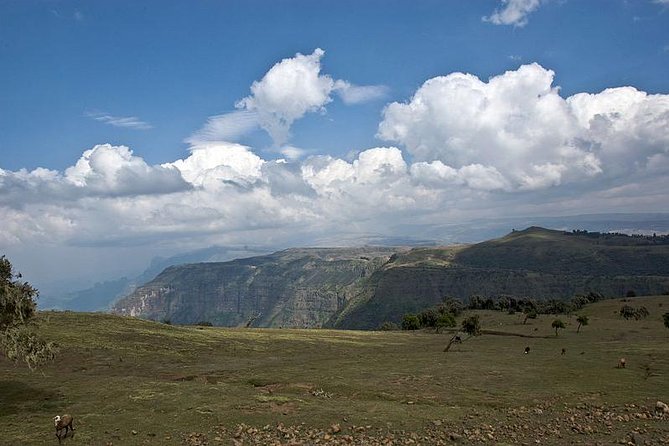
I’d book it if your priority is access. This plan is designed to get you into UNESCO-listed Simien Mountains and Lalibela, then into the geothermal drama of the Danakil Depression, including Erta Ale’s permanent lava lake. Those are not small targets, and the package structure helps you get there without stitching together flights, permits, and guides yourself.
I’d hesitate if you’re chasing comfort or perfect pacing. The road to Erta Ale is described as extremely rough, and the tour starts early with multiple days that demand energy. If you’re traveling for a relaxed holiday vibe, look for a different Ethiopia route.
If you do book, do two things that boost your odds of a smooth trip:
- Pack for early starts and long days, not just sightseeing. Layers, sturdy shoes, and patience.
- Confirm pickup timing and daily schedule details before departure, especially if you’ve had trouble with unclear guidance on past tours.
FAQ
What time does the tour start in Gondar?
Start time is listed as 5:30 am.
Where is pickup offered?
Pickup is offered in Gondar, either at Gondar Airport or at your hotel in Gondar.
How long is the tour?
The duration is 6 days, approximately.
What parts of the trip include trekking or walking?
The Simien Mountains day includes a trek of about 3 to 4 hours to Chilkuwanit. Erta Ale includes early morning pit viewing and walking, with a described descent around 9 am on the second Erta Ale day.
Are entrance fees included?
Yes. All entrance fees and licenses as per the program are included.
Does the price include flights and transport?
Yes. The package includes three domestic flights with Ethiopian Air Lines, plus surface transport with a 4WD Land Cruiser including fuel and drivers allowance.
Which meals are not included?
Lunch and dinner in Lalibela and Gondar are not included. Breakfast, lunches, and dinners are listed as partially included across the tour (with some meal counts provided).
Do I need good weather for this experience?
Yes. The experience requires good weather. If it is canceled due to poor weather, you’ll be offered a different date or a full refund.
What is the maximum group size?
The maximum number of travelers is listed as 25.
Up Into the Simien Mountains
- Simien Mountains – 4 Days
★ 4.0 · 7 reviews - 4 Days Trekking to Simien Mountain National Park
★ 5.0 · 7 reviews - 2 Days Simien Mountains Trekking
★ 5.0 · 6 reviews - Simien Mountains National Park – 7 Day Trek
★ 5.0 · 5 reviews - Day trek to Simien Mountain
★ 5.0 · 5 reviews
Other Ethiopia tours we have written up
Lalibela Tours, compared.
 ★ 5.012 Days SIMIEN MOUNTAIN-LALIBELA-DANAKIL-TIGRAY CHURCHESFrom $1,64145 reviews
 ★ 5.0Visiting Lalibela churchesFrom $20040 reviews
 ★ 5.0Tour 11 monolithic rock churches & museum in Lalibela & cave church with mummiesFrom $35537 reviews
 ★ 5.05 DAYS Lalibela, Axum, Tigray churches and DanakilFrom $1,02534 reviews
 ★ 5.0Lalibela, Axum, Danakil and Omo Valley 8 DAYSFrom $2,05129 reviews
 ★ 5.0Danakil Depression and Lalibela 5 Days ToursFrom $95028 reviews
 ★ 5.0Rock Churches of Lalibela Guided TourFrom $4627 reviews
 ★ 4.55 DAYS Axum, Lalibela, Tigray churches and DanakilFrom $1,00022 reviews
Browse the lists this tour appears in