
REVIEW · SIMIEN MOUNTAINS TREKKING
3 Days Simien Mountains Trekking
Big mountain days start here. The Simien Mountains trek packs big views, classic endemic plants, and real highland wildlife into a tight 3 days. I like that the route is built around specific moments, like the Jinbar waterfall on Day 2 and the Imet Gogo promontory on Day 3. I also like how the setup keeps things practical, with guides and scouts, plus mule support for camp logistics. The one drawback to weigh is the early start and the moderate fitness needed for steady uphill walking at altitude.
You’ll begin in Gondar, then head toward the Park with an early departure and a permit check that actually matters for safety and access. The trek ends back at the road near Ambaras, with an option to continue on to Axum. If you’re hoping for a totally easy stroll with no mountain breathing involved, this probably will feel like work. If you’re okay with a short, focused hike and want jaw-dropping Simien scenery, it’s a strong fit.
In This Review
- Key highlights at a glance
- The Simien Mountains feel like big-time Africa for short hikers
- Getting from Gondar to the Park: permits, scouts, and an early start
- Day 1, Buytras to Sankabar camp: first gelada moments and a high-altitude night
- Day 2, Jinbar waterfall to Geech: lobelia country and Kedadit sunset positioning
- Day 3, Imet Gogo promontory: lammergeier territory and the walk back near Ambaras
- What the $387 covers, and whether that feels fair for Simien trekking
- Wildlife and plants: what you can realistically look for
- Trekking comfort at altitude: how to pace yourself and pack smart
- Day-by-day timing, so you do not guess wrong
- Who this 3-day Simien trek is for, and who should think twice
- Should you book this Simien Mountains trekking trip?
- FAQ
- What time does the trek start?
- Is pickup offered from the Gondar area?
- How long is the trek?
- How many people are in a group?
- What meals are included?
- Can I end the trip in Axum instead of Gondar?
Key highlights at a glance
- Park permit plus obligatory scout: You get sorted at the Park headquarters before you start walking.
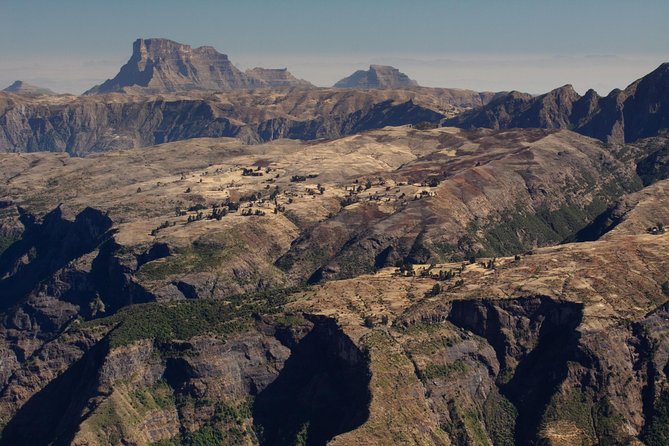
- Camp locations at real altitude: Overnight points like Sankabar (3,250 m) and Geech (3,600 m) keep the experience firmly in the high country.
- Day 2’s giant lobelia views: The Geech camp area is known for big lobelia plants and wide-open mountain sightlines.
- Sunset option at Kedadit summit: A short climb near Geech can put you in position for late-day views.
- Imet Gogo for big-raptor watching: You’re in the right zone for lammergeier vultures and dramatic drop-offs.
- Comfort matters in camp: Past trekkers describe good tents, sleeping bags, food, and even hot water bottles.
Other Simien treks, compared
- 6 Days tour Package (Simien Mountains, Lalibela, and Danakil Depression)★ 5.0 · 32 reviews
- Simien Mountains – 4 Days★ 4.0 · 7 reviews
- 4 Days Trekking to Simien Mountain National Park★ 5.0 · 7 reviews
- 2 Days Simien Mountains Trekking★ 5.0 · 6 reviews
The Simien Mountains feel like big-time Africa for short hikers
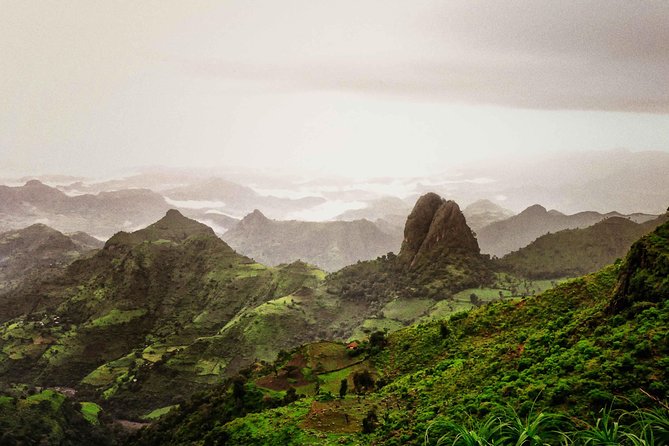
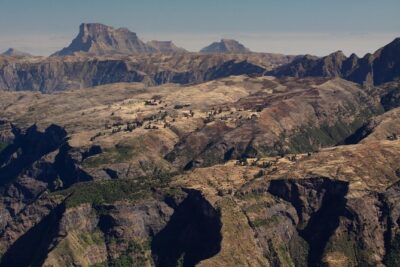
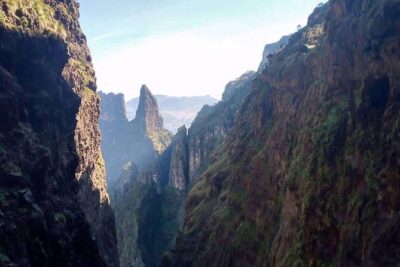
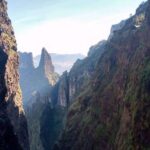
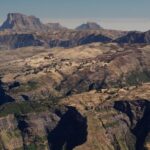
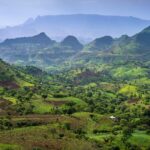
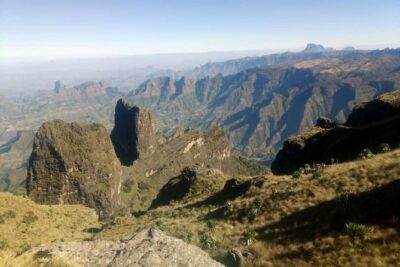
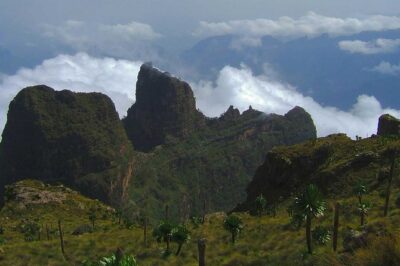
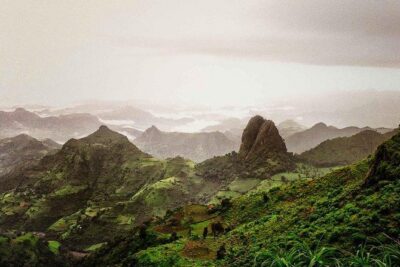
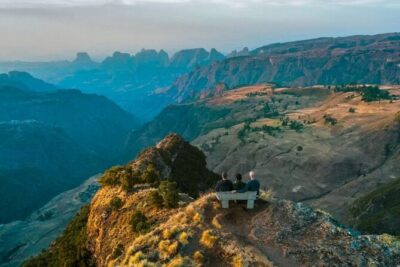
The Simien Mountains have that rare mix: dramatic cliffs, deep valleys, and a sense that the sky is closer than usual. People describe them like the gods moved chess pieces across the ridge lines, and you’ll understand why when you’re walking along sudden drop-offs and wide open sightlines.
What I like about this trek is that it doesn’t try to be a marathon. You hike long enough to feel like you earned the views, but it’s still structured for a 3-day rhythm. Each day has a signature, from your first wildlife chances on Day 1 to raptor country on Day 3.
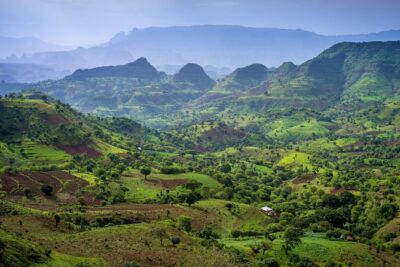
And yes, this is also about plants, not just animals. The Geech camp zone with its giant lobelia is the kind of detail that makes the trek feel more local and more real than a generic hiking trip.
Getting from Gondar to the Park: permits, scouts, and an early start
You start at 8:00 am, then it’s a drive from Gondar toward Debark and onward to the Park area. The drive time matters because Day 1 is not a late-morning shuffle. You need that time to get your permit from the Park headquarters and collect the obligatory scout before you begin trekking.
Once you’re moving, the day becomes a mix of vehicle time and a proper first hike. After you reach the starting area near Buytras (Simien Lodge), you begin walking toward Sankabar, at 3,250 m. That altitude makes the air feel thinner, so pace yourself even if you feel strong at sea level.
One practical note: the trek is rated for moderate physical fitness. That doesn’t mean it’s extreme climbing, but you should expect sustained uphill sections and highland walking where your body asks for slower breaths.
Day 1, Buytras to Sankabar camp: first gelada moments and a high-altitude night
Day 1 begins at Buytras (Simien Lodge) and typically takes about 3 to 4 hours of walking to reach Sankabar campsite. The bigger picture is that the day totals around 7 hours including the earlier drive and permit steps, so plan on a long day even before you hit the trail.
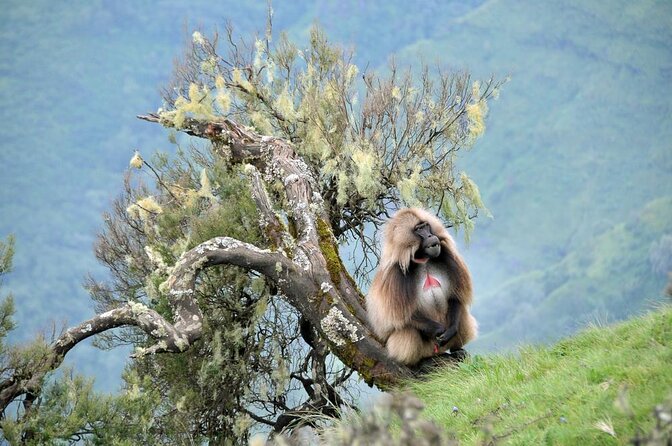
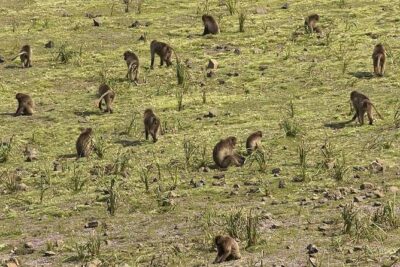
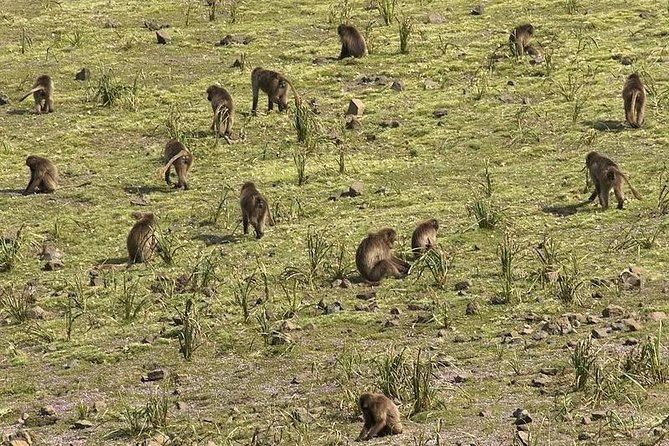
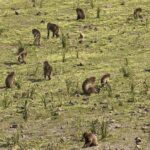
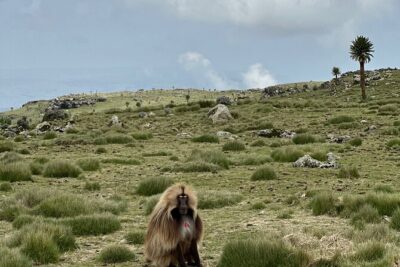
One of the best reasons to love this first day is the wildlife timing. During the walk, you’ll have a chance to spot gelada baboons. They’re part of what makes the Simien experience so distinctive, and even a brief sighting can set the tone for the rest of the trek.
You’ll end Day 1 with an overnight camp at Sankabar (3,250 m). This is the altitude where nights start to feel cool, and where your camp setup makes a real difference. In past treks on this route, people praised the tents, sleeping bags, food, and camp comforts like hot water bottles, which helps a lot after a day of mountain air.
A small drawback is that the first day can feel like a mental adjustment. Between the early drive and the first altitude exposure, it helps to keep your expectations simple: walk steadily, drink water, and save your energy for the next day’s longer trek.
Day 2, Jinbar waterfall to Geech: lobelia country and Kedadit sunset positioning
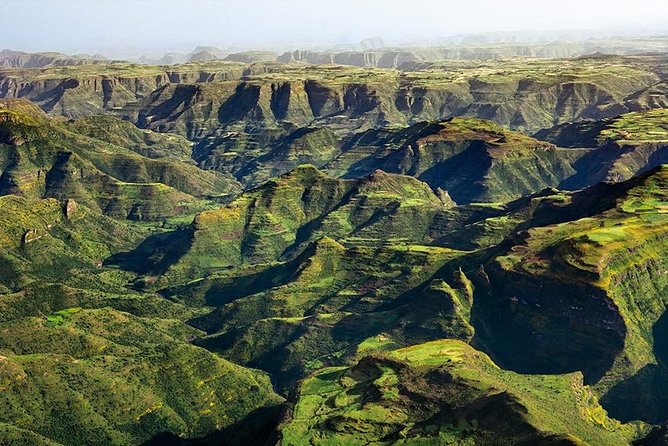
Day 2 is where the route really opens up. You trek from the area near Sankabar toward Geech, and the walking time is about 5 to 7 hours, including the key feature of the day.
The star attraction is Jinbar waterfall. You hike to it through scenery that’s often more dramatic as you gain viewpoint. Then you descend to Jinbar Wenz, the water source feeding the waterfall, before there’s a shorter climb up to Geech village.
Once you reach the Geech camp site, the feel changes. You get great views and a camp atmosphere described as full of giant lobelia plants. That’s not just a pretty detail. It’s a clue you’re moving through a distinct Simien highland habitat, one that supports its own kind of life.
At 3,600 m, you’re higher than Day 1, so breathing and pace matter even more. The payoff is the sunset potential. A nearby area called the Kedadit summit is one of the best places to watch the sun set, and it gives you a clear goal to aim for when the daylight starts sliding.
The main consideration for Day 2 is time on your feet. If you’re the type who gets impatient hiking uphill, you’ll want to lean into a slow steady rhythm. The views are best when you’re calm enough to notice them, not when you’re trying to conquer the trail.
More walking and trekking across Ethiopia
Day 3, Imet Gogo promontory: lammergeier territory and the walk back near Ambaras
Day 3 starts with one of the most famous viewpoints in this mountain range: the Imet Gogo promontory. Your trek runs about 4 to 5 hours total, so it’s shorter than Day 2, but it’s built around a real payoff.
The walk toward Imet Gogo sets you up for one of the signature wildlife moments: lammergeier vultures. These are large raptors, and the region’s steep terrain makes it a good place to be looking up and scanning for movement in the sky.
Once you reach Imet Gogo, the day is about returning to the road near the village of Ambaras. From there, you meet the car and drive back toward Gondar. There’s also an option to end in Axum, depending on your plans.
Even though this is a shorter day, don’t treat it like a free day. At altitude, even “shorter” walking can still feel like a real hike. The easiest win is to keep your pack light and your pace even, then let the viewpoint do the heavy lifting.
What the $387 covers, and whether that feels fair for Simien trekking
Price is $387 per person for the 3-day experience. What makes that number feel more reasonable is what’s included beyond just a guide and a trail.
You get air-conditioned vehicle transport, all fees and taxes, and both a local guide and scout. Those park and access components matter in the Simien Mountains, and you’re not left to figure it out at the last minute. You also get mule(s) and a mule handler, which can take the strain off your shoulders, especially over multiple days.
Meals are included in a way that supports actual hiking life: 2 breakfasts, 3 lunches, and 2 dinners, plus bottled mineral water. That reduces the awkward moment where you’re trying to find snacks in a place that is not set up like a city.
Past trekkers also praised the camp setup: good tents, sleeping bags, food, and hot water bottles. That last detail sounds small, but it’s the difference between feeling comfortable after dark and feeling miserable. When cold mountain nights hit, “included comfort” becomes a real value point, not a nice extra.
Finally, the group size stays manageable, with a maximum of 20 travelers. Smaller groups often translate into smoother logistics and more time for your guide to slow down for questions, wildlife spotting, or clarifying the next route step.
If you want a trekking experience that feels organized, not chaotic, this is built for that.
Wildlife and plants: what you can realistically look for
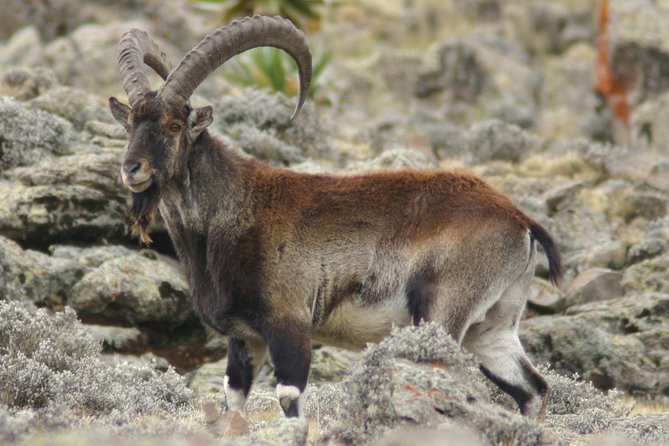
This route is designed around highland life, and you’re walking through habitats that support a specific set of animals.
On Day 1, you have a chance to see gelada baboons during the hike. Day 2 and Day 3 add more chances through the changing elevations and viewpoint areas. By Day 3 at Imet Gogo, you’re specifically in a zone where lammergeier vultures are worth watching.
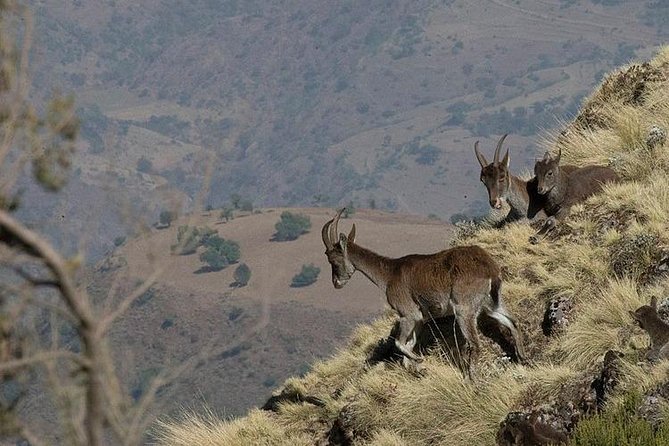
The reviews add extra confidence for big sightings. People report seeing walia ibex and Ethiopian wolves on this kind of trek. You should treat that as an odds boost rather than a guarantee, but it does mean the area is truly capable of wildlife drama, not just scenery photography.
Plant life is also a feature. Day 2’s giant lobelia area at Geech is a standout, and it gives you a reminder that “Simien Mountains trekking” is more than just walking between viewpoints. You’re passing through living highland ecosystems.
My advice: keep your eyes split between the valley and the sky. Big mammals might appear at the edges, while the best raptor moments can happen overhead without much warning.
Trekking comfort at altitude: how to pace yourself and pack smart
This is a trek with real elevation. Day 1 finishes at 3,250 m, and Day 2 finishes at 3,600 m, then you’re still high on the final day. Your body will notice that difference, so pacing is not optional.
The practical move is to walk slower than you think you need to. If you start strong, you’ll still want to keep breathing controlled, because wind and thin air can sneak up on you. If you take your time, the trail will feel more enjoyable and the views will be easier to enjoy.
In terms of gear, the tour includes camp essentials like sleeping bags and tents, which is a huge help if you travel light. You still should bring your own day essentials like a water bottle (even though bottled mineral water is provided), a hat, and layers. Highland temperatures can swing, especially when the sun drops.
Also plan for the reality that Day 2 is longer. Pack for comfort on longer walking hours, not just for the scenic moments.
Day-by-day timing, so you do not guess wrong
This trekking style runs on a steady schedule rather than long breaks.
Day 1 is about 7 hours total, with the core walking section from Buytras to Sankabar around 3 to 4 hours. You’ll likely feel travel time earlier, then a proper first hike, then a full camp night.
Day 2 totals roughly 7 hours, with trekking of 5 to 7 hours as you go from the waterfall area to Geech. This is the most time-on-trail day, and it’s the day with giant lobelia and sunset potential at Kedadit summit.
Day 3 is about 4 hours trekking time, starting at Geech toward Imet Gogo and then back toward the road near Ambaras. After that, you drive back to Gondar, or you can continue to Axum.
If you’re trying to line up other activities in Ethiopia, keep your expectations flexible around the last day. You’ll end at the road and then transition by car, so travel timing can matter.
Who this 3-day Simien trek is for, and who should think twice
This trek fits best if you want:
- Classic mountain trekking with guided planning and support
- Wildlife watching, especially gelada baboons and lammergeier vultures
- Camp comforts that are not just bare-bones survival
- A manageable 3-day time commitment
It’s also a good match for photographers and nature lovers who like specific targets like Jinbar waterfall and Imet Gogo.
Think twice if you:
- Have very limited mobility or expect mostly flat walking
- Want a fully luxurious trip with no altitude hiking component
- Get stressed by early starts and long walking days like Day 2
If you’re in the moderate fitness zone and you’re excited to trade city noise for highland silence, this should feel rewarding.
Should you book this Simien Mountains trekking trip?
I’d book it if you want the Simien experience to feel guided, organized, and genuinely set up for trekking, not improvised. The biggest wins are the included basics you would otherwise pay for separately, like permits, guide and scout support, mules, meals, and camp essentials. The route’s structure also gives you the “right” moments on each day, from Jinbar waterfall to Geech lobelia and on to Imet Gogo raptor watching.
I would not book it if you’re looking for an easy walk, because the trek’s reality is altitude and long stretches of hiking, especially on Day 2. Also, if you’re the type who needs lots of long downtime, this is more of a focused trekking rhythm.
Overall, Simien Tour and Travel has built this trip around value, and the camp comfort details from past trekkers suggest the experience stays human-sized even in the high mountains.
FAQ
What time does the trek start?
The tour start time is 8:00 am.
Is pickup offered from the Gondar area?
Pickup is offered.
How long is the trek?
The duration is 3 days (approx.).
How many people are in a group?
This tour/activity has a maximum of 20 travelers.
What meals are included?
The package includes 2 breakfasts, 3 lunches, and 2 dinners, plus bottled mineral water.
Can I end the trip in Axum instead of Gondar?
Yes, the experience can end in Axum as well.
Trekking the Ethiopian Highlands
- 4 Days Trekking to Simien Mountain National Park
★ 5.0 · 7 reviews - 2 Days Simien Mountains Trekking
★ 5.0 · 6 reviews - Simien Mountains National Park – 7 Day Trek
★ 5.0 · 5 reviews - Day trek to Simien Mountain
★ 5.0 · 5 reviews - 2 Nights 3 Days Trek to Semien Mountain
★ 5.0 · 4 reviews
The Rest of the Ethiopia List
- 6 Days tour Package (Simien Mountains, Lalibela, and Danakil Depression)
★ 5.0 · 32 reviews - Simien Mountains – 4 Days
★ 4.0 · 7 reviews - 4 Days Trekking to Simien Mountain National Park
★ 5.0 · 7 reviews - 2 Days Simien Mountains Trekking
★ 5.0 · 6 reviews - Simien Mountains National Park – 7 Day Trek
★ 5.0 · 5 reviews
Up Into the Simien Mountains
- 6 Days tour Package (Simien Mountains, Lalibela, and Danakil Depression)
★ 5.0 · 32 reviews - Simien Mountains – 4 Days
★ 4.0 · 7 reviews - 4 Days Trekking to Simien Mountain National Park
★ 5.0 · 7 reviews - 2 Days Simien Mountains Trekking
★ 5.0 · 6 reviews - Simien Mountains National Park – 7 Day Trek
★ 5.0 · 5 reviews
Other Ethiopia tours we have written up
Simien Mountains Trekking, compared.
 ★ 5.012 Days SIMIEN MOUNTAIN-LALIBELA-DANAKIL-TIGRAY CHURCHESFrom $1,64145 reviews
 ★ 5.06 Days tour Package (Simien Mountains, Lalibela, and Danakil Depression)From $1,43532 reviews
 ★ 5.09 Days Tours To Danakil Depression, Simen MNP, Lalibela With Omo Valley TribesFrom $1,80011 reviews
 ★ 5.05-Day Northern Ethiopia Tour : 3D Simien Mountains Trek & Axum.From $4719 reviews
 ★ 5.0Simien Mountains Trekking AdventureFrom $3388 reviews
 ★ 5.04 Days Trekking to Simien Mountain National ParkFrom $2757 reviews
 ★ 4.0Simien Mountains – 4 DaysFrom $5007 reviews
 ★ 5.03 Days Trekking Simien Mountains ToursFrom $2506 reviews
Browse the lists this tour appears in