
REVIEW · SIMIEN MOUNTAINS TREKKING
Simien Mountains – 4 Days
Few regions feel this high and wild.
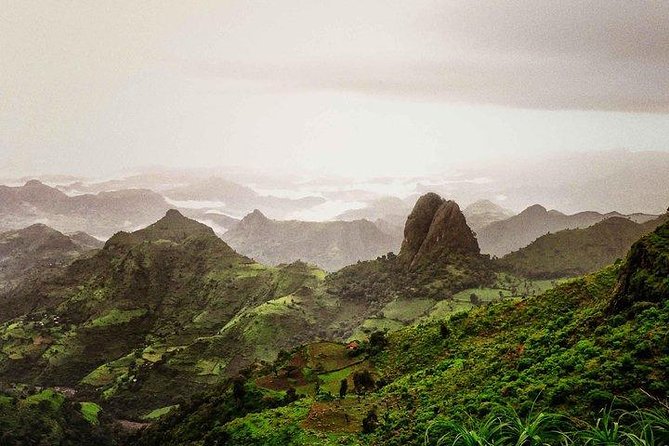
This trek through the Simien Mountains National Park connects you to one of Africa’s biggest highland ranges, with peaks over 4,000m and world-famous summit energy like Ras Dejen. I love that the route is built around real park scenery and classic lookout moments, not just a quick highlight drive.
You also get wildlife and local culture at walking speed, with chances to see gelada baboon early and the endemic Walia ibex later, plus a break in the village of Gich for a traditional coffee ceremony. The main thing to consider is that mountain trips depend on conditions and an exact plan, so you should confirm your final route and camp names with the provider before you go, especially if your expectations are tied to specific stops.
In This Review
- Key things to know before you go
- Simien Mountains: The UNESCO reason this trek is worth your time
- Price and value: What $500 covers (and what it doesn’t)
- Day 1 from Gondar to Debark, then an easy start on the escarpment
- Day 2 Kaba Valley to Gich Abyss, Jinbar River waterfall, and village coffee
- Day 3 Giant Lobelia and the vertical escarpment toward Imet-Gogo
- Day 4 Buwahit 4430 m, Walia ibex chances, Ras Dejen in sight, then back to Gondar
- Who this trek suits best (and where it might not)
- A note on tour reliability: how to protect yourself before you commit
- Should you book Simien Mountains 4 days?
- FAQ
- Where does the tour start?
- How long is the Simien Mountains 4 Days trek?
- What’s included in the price?
- Is pickup offered?
- What does the tour use for tickets?
- Do I need special fitness?
- What animals might I see?
- What is not included?
- FAQ
- What is the cancellation policy?
Key things to know before you go
- UNESCO Simien range: big elevation and big history, with Ras Dejen and other 4,000m-plus peaks in view
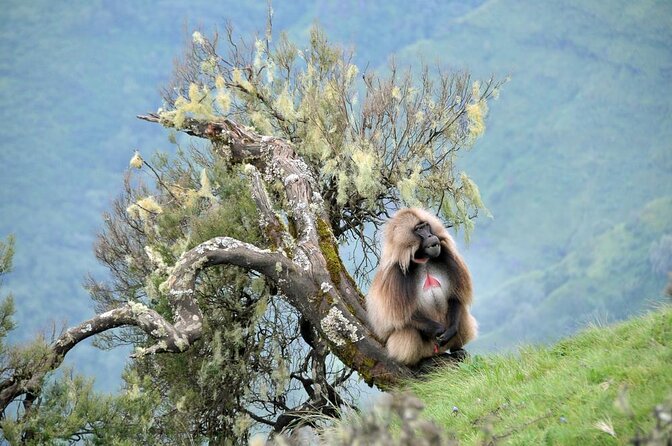
- Wildlife on a timetable: gelada baboons on Day 1, Walia ibex chances on Day 4
- Camping logistics included: tent, mattress, sleeping bags, plus mule support for loading and unloading
- Ranger-led access: a park ranger is compulsory, and you travel with an English-speaking guide
- Small group size: max 4 travelers, which usually means a more controlled pace on the trail
Other Simien treks, compared
- 6 Days tour Package (Simien Mountains, Lalibela, and Danakil Depression)★ 5.0 · 32 reviews
- Simien Mountains – 4 Days★ 4.0 · 7 reviews
- 4 Days Trekking to Simien Mountain National Park★ 5.0 · 7 reviews
- 2 Days Simien Mountains Trekking★ 5.0 · 6 reviews
Simien Mountains: The UNESCO reason this trek is worth your time
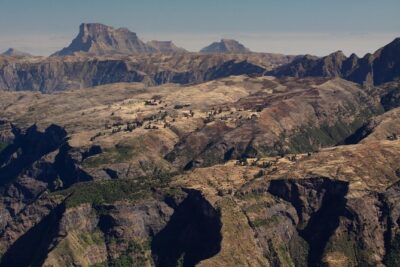
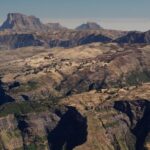
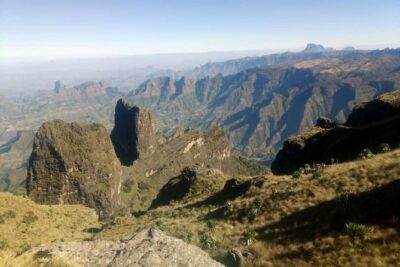
The Simien Mountains are Ethiopia’s real vertical playground. You’re not just walking “near” mountains, you’re moving through a chain of peaks where at least a dozen tops are over 4,000m. The park was established in 1966, and the whole range became a UNESCO World Heritage site in 1978, which matters because access is managed and the focus stays on protection.
What I like about a trek like this is how it changes your sense of distance. On easy edges, the foothills and plains of northern Ethiopia can look like a map. Then, later, the cliffs and abyss show you why this is called one of Africa’s great highland escarpments. If you’re the type who enjoys views that feel earned, this itinerary is built for you.
The other value piece is logistics. This isn’t a self-planned “rough it” adventure where you’re juggling gear and permits alone. The tour includes park entrance fees, a compulsory ranger, camping equipment, and mule support for moving your stuff between camps. That lets you spend your energy on the trail and the altitude, not on spreadsheets.
Price and value: What $500 covers (and what it doesn’t)
At $500 per person for about 4 days, you’re paying for the hard parts that usually cost real money in Ethiopia: transportation in and out, guided hiking, ranger coordination, park fees, and the camping setup (tent, mattress, sleeping bags). Food and mineral water are also included, plus you get a cook who prepares fresh meals each day.
That inclusion list can make the price feel fair fast. Many shorter trips elsewhere can be cheap at first glance, then you get hit with park fees, gear rentals, and logistics upgrades. Here, the package is already carrying those basic burdens.
What’s not included is also important to budget. You’ll handle international and local flights, alcoholic drinks, and personal expenses like internet, fax, or telephone. If you plan to film or take special camera footage and there’s a fee, that’s not listed as covered. Laundry is also not included.
One practical tip: because this trek is weather-sensitive, treat your planning like a mountain trip, not a guaranteed calendar event. Good weather is part of the deal, and if conditions are poor you may be offered a different date or a refund.
Day 1 from Gondar to Debark, then an easy start on the escarpment
You start at 8:30 am. The tour offers pickup from Gondar Airport or your hotel, then you head to Debark, the park headquarters area. It’s about 100 km and typically takes around two hours on a paved road.
Once you arrive, you’ll handle permits at the headquarters and pick up a park scout, then drive another hour before the real hiking begins. That structure matters. Permits and ranger coordination can take time, and the tour keeps you moving so you don’t lose your hiking day to paperwork.
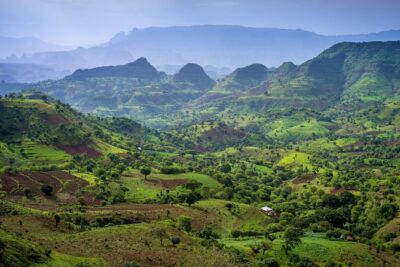
The first hike is an intro walk along the northern edge of the escarpment. It’s described as easy, and that’s exactly what you want on Day 1. The payoff is viewpoints over the foothills and plains of northern Ethiopia, which gives you an instant feel for the scale of the Simien range.
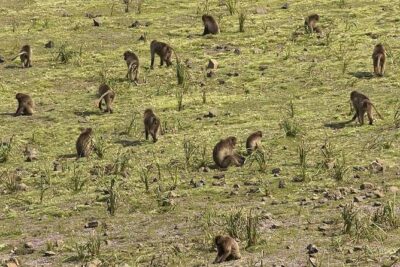
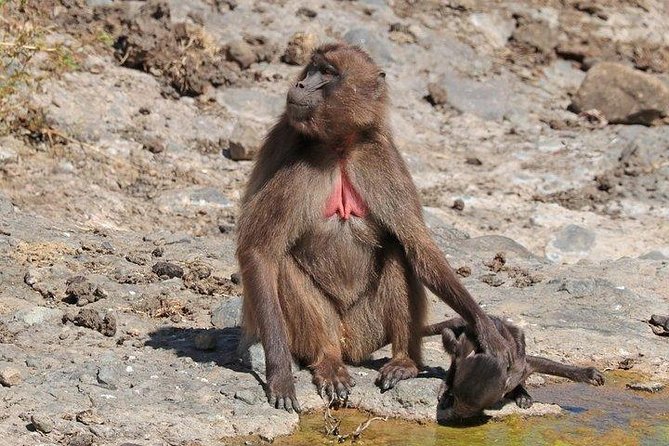
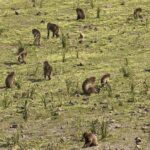
Wildlife is on the menu too. You’ll encounter gelada baboons during this early stretch. This is one of the good reasons to take the start seriously. Early hikes are when the light can be clearer, and it’s easier to spot animals when you’re not rushing.
How long it takes: about 4 hours, and the admission ticket is included.
Day 2 Kaba Valley to Gich Abyss, Jinbar River waterfall, and village coffee
Day 2 shifts from the easy edge to a more dramatic walking day. You’ll follow the northern escarpment eastward, then descend a bit into the Kaba Valley. After that, the trail climbs again as you reach Gich Abyss and move along a narrow ridge toward a cliff.
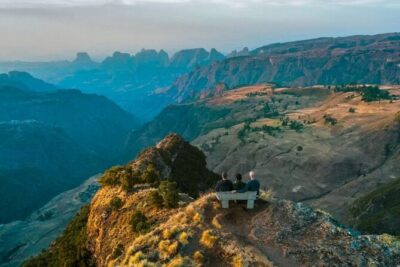
From that cliff, the views of the abyss toward the Simien foothills are the kind that can make you stop talking for a minute. The itinerary also includes one major natural feature: a large waterfall where the Jinbar River plunges about 500 meters into the abyss. If you like being near big water features, this is your day.
The plan is practical. You walk for around two hours and have lunch near the Jinbar River. Then you change settings again, walking through fields of barley. That’s a nice contrast to the high cliffs, and it also helps you feel connected to local farming life.
The village of Gich is where the day becomes more human. You arrive at an idyllic village, and you can enjoy a traditional coffee ceremony in one of the huts. The tour also notes learning about local farm life, which is usually a good moment to understand how people live on the edge of the escarpment.
After Gich, there’s a short walk to Gich camp. You’re moving from farm fields to camp life, and because camping gear and staff support are included, you’re not left figuring out how to make everything work.
Day 2 totals about 6 hours, and admission ticket costs are included.
Day 3 Giant Lobelia and the vertical escarpment toward Imet-Gogo
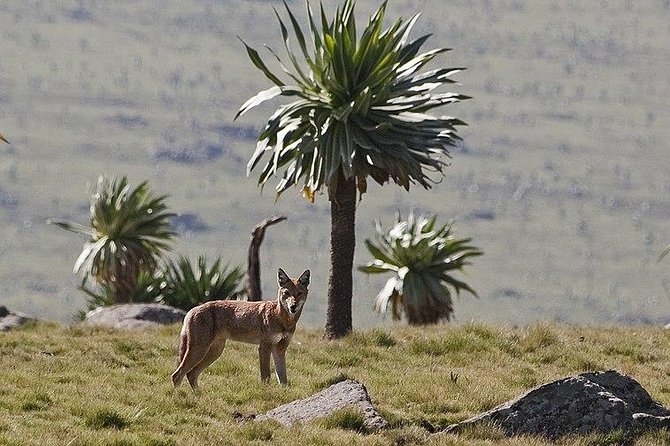
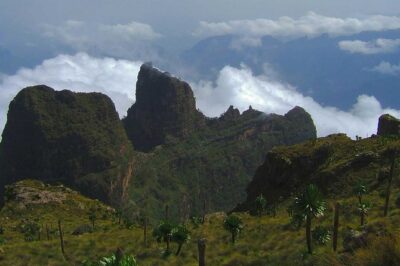
Day 3 is where the Simien Mountains start to feel like a different world. Starting from Gich camp, you stroll through fields of Giant Lobelia. This kind of plant life is a strong marker that you’re in high-altitude habitats, and it gives the day its own identity. Instead of just cliffs and rock, you’re walking through a highland plant zone that looks almost unreal.
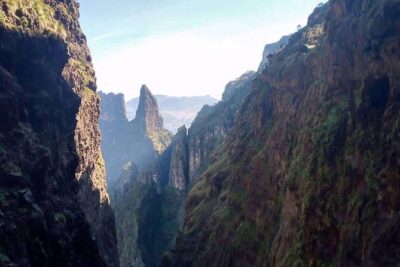
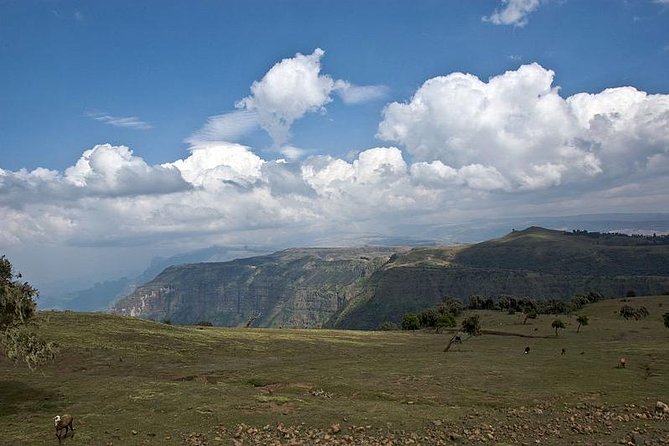
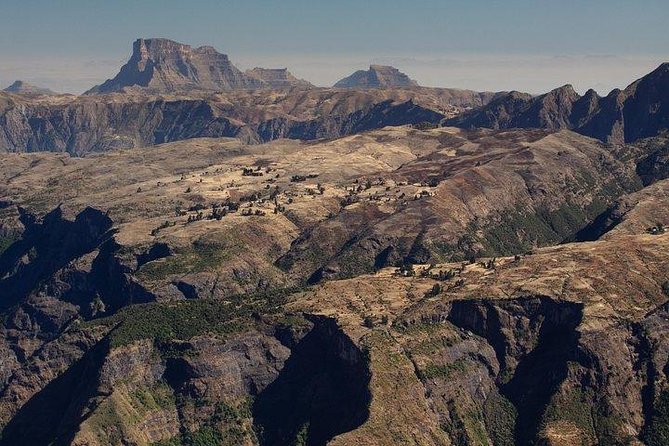
Then you reach the towering cliffs of Imet-Gogo (3926 m). The time here is about absorbing the views over mountain valleys below and those strange-shaped domes in the distance. This is the point where the Simien name starts to make sense, because you can see why volcanic or highland erosion shapes these dramatic forms.
After that viewpoint time, you descend into the Jinbahir River Valley. The itinerary points out something key for your imagination: the trail gives you a different perspective of Imet-Gogo, where the volcanic landscape looks like big chunks of mountains have been blown away. Even if you’re not a geology person, it’s a useful way to interpret what you’re seeing.
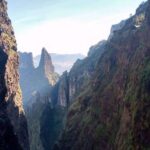
Next comes the truly challenging terrain feature: the trail follows the edge of the escarpment where it’s described as completely vertical for several hundred meters. That’s not just scenery, it’s a walking experience. You’ll want steady footing and patience, because the environment is visually intense.
You then climb up to a summit of 4070 m. The itinerary cuts off in the provided detail right after that climb, so I won’t pretend there’s a named final viewpoint you’ll definitely hit. The important part is that Day 3 includes a high summit push and long hours.
Day 3 totals about 8 hours, and admission is included.
Day 4 Buwahit 4430 m, Walia ibex chances, Ras Dejen in sight, then back to Gondar
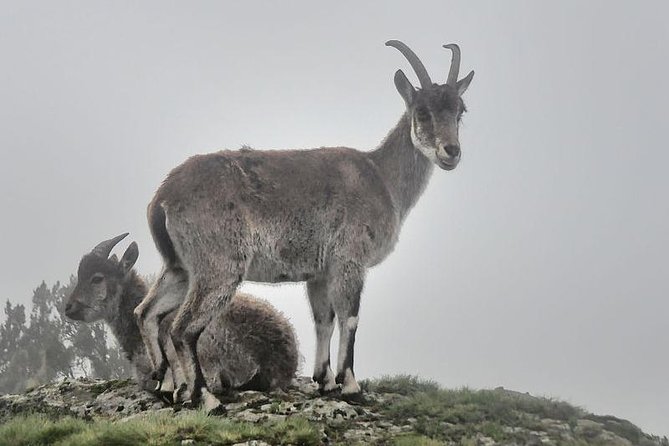
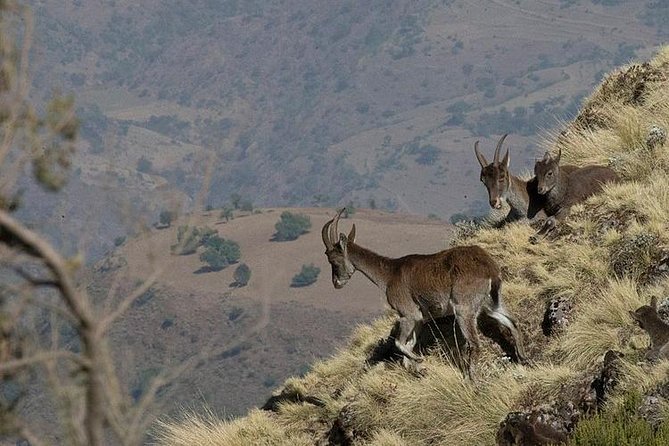
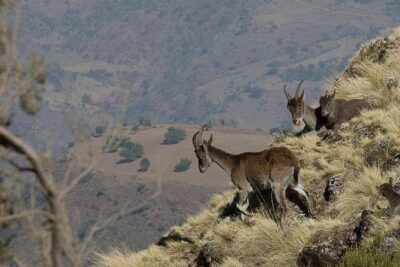
Day 4 is the big vertical finale. You climb Buwahit (4430 m), the second highest peak in the Simien Mountains. The reward is serious: panoramic views of the surrounding area and, importantly, a chance to see an endemic animal of Ethiopia called the Walia ibex, a goat family species associated with the Simien range.
The itinerary also includes a peak viewing angle: if conditions are right, you may catch sight of Ras Dejen (4543 m), the highest point in Ethiopia. Even when you don’t see it clearly, the knowledge that you’re walking under the kind of altitudes only a few places in Africa offer can change how you feel about the hike. You’ll likely notice you’re walking less for speed and more for perspective.
After the summit experience, you descend to Chenek camp, where the car is waiting. Then you drive back to Gondar, about 4 hours.
Day 4 totals about 5 hours on the hike side, but the full day includes the return drive.
Who this trek suits best (and where it might not)
This tour asks for moderate physical fitness. That’s accurate in plain terms: you’re hiking several days with significant elevation, including a summit at 4070 m and a climb up to 4430 m, plus earlier viewpoints at 3926 m. If you’re used to hiking and you can handle steady uphill for hours, you’ll likely enjoy it.
Where it might not fit:
- If you’re prone to altitude issues and you can’t pace yourself well, ask your doctor first. The itinerary’s heights mean you should be cautious.
- If you hate camping or prefer a room, you’ll need to adjust expectations. Camping gear is included, but it’s still camping.
- If you need an exact, rigid checklist of every stop no matter the weather, be aware that mountain trips can shift and timing matters.
The small group size, max 4 travelers, is a big plus for comfort and pacing. Fewer people often means easier coordination with a ranger, guide, and scout, and it can help with photo stops at cliff edges.
A note on tour reliability: how to protect yourself before you commit
The overall setup sounds strong on paper, but there’s one red flag you should treat seriously. There’s at least one unhappy experience tied to itinerary accuracy and missing bookings on other Ethiopia routes linked to the same company. The complaint was that advertised stops did not happen as described, and in one case travelers had to sort out accommodation because it wasn’t booked.
You can reduce risk with one simple step: before you pay and before you board, ask for your final day-by-day plan in writing, including the exact camps and the order of the hikes for your dates. Confirm what the tour is going to include on Day 2 and Day 3, since camp names and village stops are core to the experience. If they can clearly restate the plan you expect, you’ll feel much better walking into a 4-day mountain trek.
Also, keep a small buffer in your travel schedule around the end of the trek. The tour is explicitly weather-dependent, and if conditions are poor, the plan may change.
Should you book Simien Mountains 4 days?
I’d book this trek if you want an authentic, ranger-led mountain hiking experience with real park scenery, wildlife chances, and built-in camping logistics. The biggest strengths are the thoughtful pacing across escarpment edges, the dramatic Gich Abyss and Jinbar River waterfall moment, the Giant Lobelia and Imet-Gogo cliff day, and the final Buwahit climb with a chance at Walia ibex and Ras Dejen views. The value is strong because the package covers transport, guide, ranger, entrance fees, food, mineral water, and camping equipment.
I’d pause and verify first if you’re the type who needs every stop to match your expectations exactly, because there have been complaints about itinerary alignment with advertised routes for this provider. A quick confirmation call and a written recap can turn that from a worry into a non-issue.
If you’re going with realistic mountain expectations, this is the kind of trekking route that can give you views you’ll remember long after you leave Gondar behind.
FAQ
Where does the tour start?
The tour starts with pickup from Gondar Airport or your hotel, with departure around 8:30 am.
How long is the Simien Mountains 4 Days trek?
It’s listed as 4 days (approx.).
What’s included in the price?
The package includes transportation in and out, food and mineral water, a cook, an English-speaking guide, a compulsory park ranger, park entrance fees, camping equipment (tent, mattress, sleeping bags), and mule support with muleteers.
Is pickup offered?
Yes. Pickup is offered from Gondar Airport or your hotel.
What does the tour use for tickets?
The tour includes a mobile ticket.
Do I need special fitness?
The tour notes that travelers should have moderate physical fitness.
What animals might I see?
The itinerary specifically mentions gelada baboon on Day 1 and Walia ibex on Day 4.
What is not included?
Not included are international and local flights, alcoholic drinks, any videographer or camera fee, personal items like internet/fax/telephone, laundry, and services not mentioned in the included list.
FAQ
What is the cancellation policy?
You can cancel up to 3 days in advance for a full refund, and the experience requires good weather. If it’s canceled due to poor weather, you’ll be offered a different date or a full refund.
Four Days Across Ethiopia
- 4 Days Trekking to Simien Mountain National Park
★ 5.0 · 7 reviews
The Rest of the Ethiopia List
- 6 Days tour Package (Simien Mountains, Lalibela, and Danakil Depression)
★ 5.0 · 32 reviews - 4 Days Trekking to Simien Mountain National Park
★ 5.0 · 7 reviews - 2 Days Simien Mountains Trekking
★ 5.0 · 6 reviews - Simien Mountains National Park – 7 Day Trek
★ 5.0 · 5 reviews - Day trek to Simien Mountain
★ 5.0 · 5 reviews
Up Into the Simien Mountains
- 6 Days tour Package (Simien Mountains, Lalibela, and Danakil Depression)
★ 5.0 · 32 reviews - 4 Days Trekking to Simien Mountain National Park
★ 5.0 · 7 reviews - 2 Days Simien Mountains Trekking
★ 5.0 · 6 reviews - Simien Mountains National Park – 7 Day Trek
★ 5.0 · 5 reviews - Day trek to Simien Mountain
★ 5.0 · 5 reviews
Other Ethiopia tours we have written up
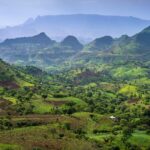
Simien Mountains Trekking, compared.
 ★ 5.012 Days SIMIEN MOUNTAIN-LALIBELA-DANAKIL-TIGRAY CHURCHESFrom $1,64145 reviews
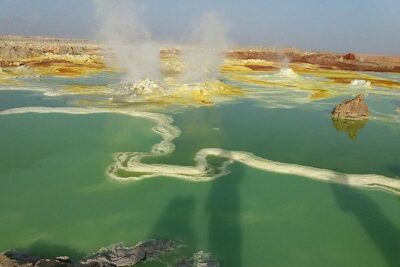 ★ 5.06 Days tour Package (Simien Mountains, Lalibela, and Danakil Depression)From $1,43532 reviews
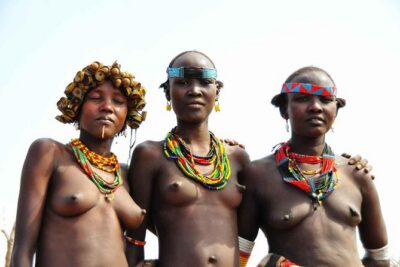 ★ 5.09 Days Tours To Danakil Depression, Simen MNP, Lalibela With Omo Valley TribesFrom $1,80011 reviews
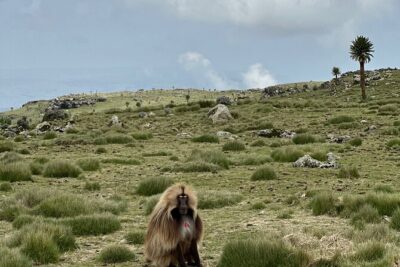 ★ 5.05-Day Northern Ethiopia Tour : 3D Simien Mountains Trek & Axum.From $4719 reviews
 ★ 5.0Simien Mountains Trekking AdventureFrom $3388 reviews
 ★ 5.04 Days Trekking to Simien Mountain National ParkFrom $2757 reviews
 ★ 5.03 Days Trekking Simien Mountains ToursFrom $2506 reviews
 ★ 5.02 Days Simien Mountains TrekkingFrom $2956 reviews
Browse the lists this tour appears in