
REVIEW · LALIBELA TOURS
Lasta Mountains: Highland Eco Trekking Tour in Lalibela
A morning hike above Lalibela feels surprisingly real. This 8-hour Highland Eco Trekking tour takes you into the Lasta Mountains, with guided stops at a working monastery and time with highland farmers. I like that it pairs big views with practical education, so you learn while you walk. One thing to consider: the trail is hilly and active, so you’ll want decent stamina and good shoes.
Two highlights stand out to me: the chance to see native wildlife like gelada baboons and Ethiopian wolves in their natural setting, and the way your guide connects the route to local life, including monastery culture and farming communities. If you can get Ashu as your guide, that’s an extra plus, based on past visitors. The downside is simple, this is not a sit-and-snap kind of outing, you’ll be going up, and you’ll feel it.
In This Review
- Key things I’d count on
- Lasta Mountains, a calmer side of Lalibela
- Your morning start at 7am, and why it matters
- The uphill trail, old paths, and what you’ll notice
- Ashaten Maryam monastery, a working cave church stop
- Wildlife odds, gelada baboons, and Ethiopian wolves
- Meeting highland farmers and visiting a local school
- Pacing and energy, with meals and bottled water included
- Guide quality, small groups, and the Ashu factor
- Price and value, $95.83 for an 8-hour guided day
- Who should book this, and who might reconsider
- Should you book the Lasta Mountains eco trek?
- FAQ
- How long is the Lasta Mountains highland eco trekking tour?
- What time does the day start in Lalibela?
- What’s included in the tour price?
- Is transportation to and from attractions included?
- Can children join the hike?
- Is there free cancellation?
Key things I’d count on
- A full day in the Lasta Mountains with early start and a steady rhythm up and down
- Ashaten Maryam monastery and its cave church, still active and part of daily spiritual life
- Wildlife potential for gelada baboons, plus a real chance at Ethiopian wolves (no guarantees)
- Local farming insight through visits with highland communities and a school stop
- Meals, snacks, and bottled water included to help you keep energy through the hike
- Small group size (up to 12), which makes the pace and safety feel more manageable
More of Lalibela, reviewed one by one
- Tour 11 monolithic rock churches & museum in Lalibela & cave church with mummies★ 5.0 · 37 reviews
- Lalibela, Axum, Danakil and Omo Valley 8 DAYS★ 5.0 · 29 reviews
- Rock Churches of Lalibela Guided Tour★ 5.0 · 27 reviews
- Lalibela churches , church museum & Yemrehan kirstose ( cave church)★ 5.0 · 19 reviews
Lasta Mountains, a calmer side of Lalibela
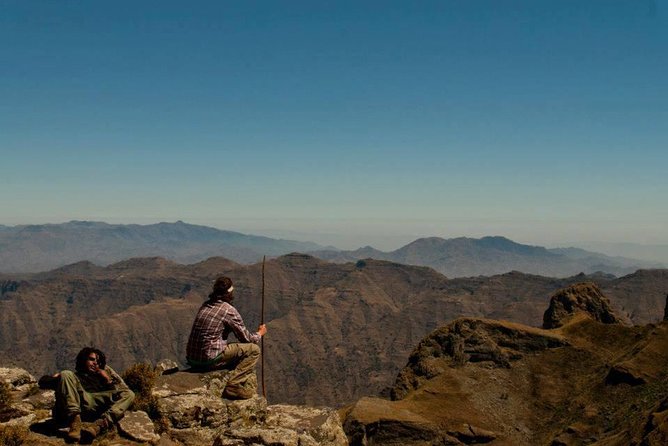
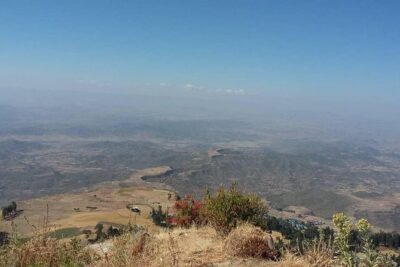
Lalibela already has a reputation for churches carved into stone, but the surrounding highlands are where the day turns from sightseeing into a living experience. The Lasta Mountains are the main character here, and the route is designed to get you out of town quickly, so the first real payoff comes early: you leave the buildings behind and start walking in open air.
What I like most is that this doesn’t feel like a forced checklist. You’re walking old footpaths shaped by how people used to move supplies, food, and market goods. That means the views are not just pretty, they’re tied to how the land supports daily life.
One practical note: since you’re hiking for most of the day, the experience rewards preparation. If you show up tired or underdressed for cool mountain mornings, you’ll feel it more than you would on a shorter walk. Think of this as a hike first, monastery and culture second, even though you get both.
Your morning start at 7am, and why it matters
The day begins early. If your hotel doesn’t provide breakfast, you meet your trekking guide at 7am in a local cafe for a solid start, then you start the hike about 30 to 45 minutes later. I love this timing because the light is good and the highland air can feel crisp before the sun warms things up.
Early starts also help with flow. You’re less likely to be stuck near the busy parts of Lalibela, and you can settle into a rhythm before the path gets steeper. The tour includes hotel pickup and drop-off, which takes the stress out of finding the meeting point and dealing with local transport right away.
Here’s the kind of detail that matters on a hike: you’re not just handed a route. You’re guided out of town, and you get commentary as you go. That means you understand what you’re seeing, from the way the paths are laid out to how the monasteries fit into local life.
The uphill trail, old paths, and what you’ll notice
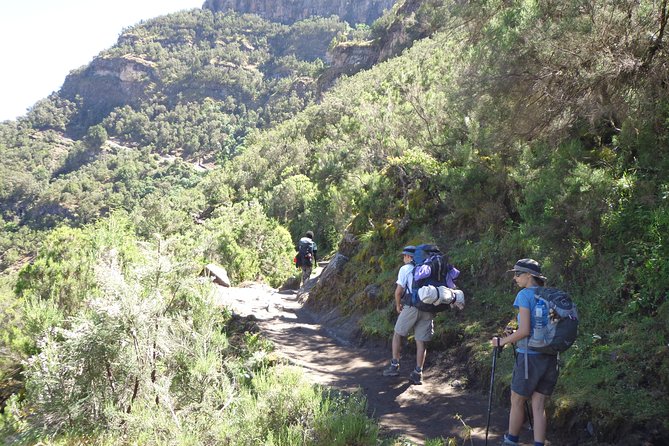
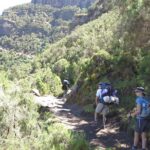
After just a couple of minutes, you’re already out of town, above Lalibela, in the nature. The trail rises with that familiar Ethiopian highland pattern, a zig-zag climb that helps you gain elevation without going straight up. The tour describes these paths as well used for a long time, and once you’re on them you can see why. The route feels like it has been walked by many feet over many years.
As you climb, pay attention to what surrounds the path: you’re moving through a landscape used for farming and travel, not a protected, untouched museum set. It’s easy to think you’re just trekking, then your guide will point out how the route connects communities, including how people carried goods to the Saturday market in Lalibela and also back home in the mountains.
And yes, you’ll likely feel the climb. That’s the point, and it’s also why this tour feels authentic. You’re not being transported to viewpoints on wheels and then rushed back. You earn the views the way locals do, one switchback at a time.
Ashaten Maryam monastery, a working cave church stop
One of the best parts of this tour is the stop at Ashaten Maryam, described as a still active mountain monastery with a cave church. This is not just a photo op. Even if you’re not religious, you can still sense what “still active” means when a place is part of ongoing community life rather than frozen history behind glass.
Mountain monasteries in Ethiopia sit in a special category, they’re both spiritual and practical. They’re places of reflection, but they also reflect how people organize life around the highlands. A cave church adds another layer, because it suggests the kind of adaptation people have made to the environment for centuries.
The timing also helps. You’re reaching it during your hike, so it feels like a natural pause, not a detour. If you’re feeling winded from the climb, this stop becomes a reset moment. Take your time, look around, and let the quiet land.
Possible drawback: if you’re expecting a lot of walking inside the monastery complex, the tour details don’t spell out interior structure. Plan for you to spend time viewing and listening, and expect some uneven surfaces typical of religious sites in active areas.
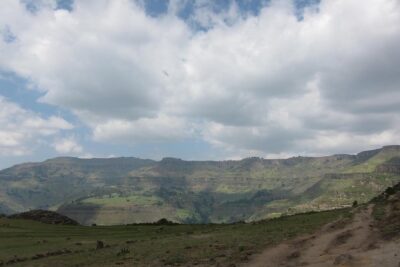
More walking in the hills around Lalibela


Wildlife odds, gelada baboons, and Ethiopian wolves
The tour’s wildlife angle is a strong selling point, and it’s also the part you should approach with realistic expectations. The experience notes that you may see gelada baboons and Ethiopian wolves. “May” is the right word, because wildlife sightings depend on timing, weather, and what’s nearby.
Gelada baboons are the kind of animal you can sometimes spot in the highlands when conditions are calm. If you see them, keep your distance and avoid sudden moves. If Ethiopian wolves are around, they are much harder to detect, and you’ll want to follow your guide’s instructions. The value here is the effort and the education, not the guarantee.
What I love is that the tour frames wildlife as part of the ecosystem and the region’s identity. You’re not chasing animals like trophies. You’re walking in their habitat, learning how the highlands support both people and wildlife.
Tip: bring a phone with battery saving on and consider light binoculars if you already own them. The tour includes water and snacks, but it doesn’t mention extra gear.
Meeting highland farmers and visiting a local school
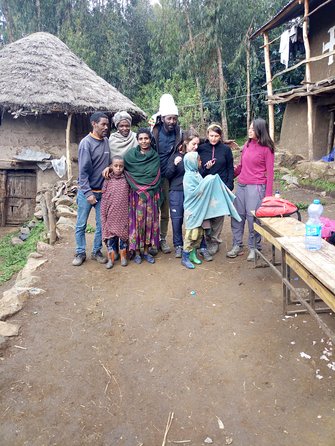
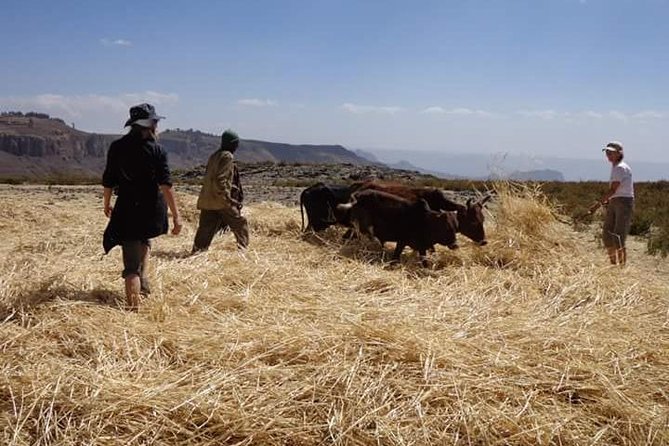
This hike doesn’t stop at monasteries and views. You also meet locals who live in highland farming communities and you visit a local school. That combination changes the whole tone of the day. You go from looking at culture to talking about it, even if the conversation is guided and brief.
These stops are valuable because they connect what you saw on the path to what people do off it. When your guide talks about farming life and community rhythms, the route becomes more than exercise. It turns into a way of understanding how people make a living in the highlands, where agriculture depends on careful use of land and water.
The school visit also matters in a different way. It reminds you that education, family life, and the future are part of the same communities that have maintained traditions like monastery life. Even a short visit can shift your perspective, especially if you’ve only associated Lalibela with churches.
Small consideration: cultural visits can take time and your schedule is tied to hike pace and daylight. If you prefer nonstop walking without stops, this might feel slightly slower than a pure trek. If you want the human side, it’s a big plus.
Pacing and energy, with meals and bottled water included
An 8-hour hike can sound intimidating, but the tour is built to keep you fueled. Meals, snacks, and bottled water are included, along with beverages. That’s not a minor detail. When you hike at altitude or in cooler highland mornings, dehydration and low energy creep up faster than you think.
I also like that you start with breakfast if needed. Even if your hotel breakfast is fine, having a guided early start means you’re not scrambling for food once you’re already on the move.
What to expect physically: you’ll be walking steadily, with ups and downs, and you’ll feel the climb because the path is described as constantly going up. In that context, snacks between major segments matter. If you’ve ever reached a viewpoint starving, you know why this is important.
What’s not specified is whether there’s a formal lunch stop at a set hour. Since the inclusions mention meals and snacks, assume there will be planned breaks. Still, if you have dietary needs, ask ahead so you’re not trying to improvise during the hike.
Guide quality, small groups, and the Ashu factor
This experience is led by a professional guide, and it runs with a maximum of 12 travelers. Smaller groups help with two things: safety on uneven trails and a better chance to actually hear your guide’s commentary instead of being lost in a crowd.
One name shows up in past feedback: Daniel for communication and coordination, including responsive contact through email and WhatsApp during multi-day planning. That’s useful because Ethiopia travel can be fluid at times, and being able to get quick answers is calming.
Another name that comes up with special warmth is Ashu, with advice like make sure to hold onto their guys and ask for him when possible. While I can’t promise any specific assignment for this exact outing, the broader point is clear: the guides people recommend tend to be the ones who take care of the tone. They help you feel welcomed, not herded.
Practical tip: confirm your guide name at pickup and ask one simple question before you start, what should I watch for today? If you’re hoping for wildlife, ask when and where you’ll have the best chance to scan the slopes.
Price and value, $95.83 for an 8-hour guided day
At about $95.83 per person, this tour is priced like a serious guided outdoor day, not like a casual city walk. The real value isn’t the cost number, it’s what you get for it.
You’re paying for:
- A professional guide
- Meals, snacks, and bottled water
- Hotel pickup and drop-off
- Local taxes and the included activities
Also, you’re getting a structured day that saves you from figuring out transportation and timing yourself, at least for the core hike logistics. The tour notes that transportation to and from attractions is not included, but pickup and drop-off are included, so you’re not fully on your own.
Where you might weigh the value: if you already have a guide or you’re traveling with a strong network for hikes, you might pay less DIY. But if you want safety, local context, and a day that flows, the included guide and food are a big part of why the price makes sense.
In plain terms: $95.83 is fair for a full day with guiding, cultural stops, and food support. It’s not the cheapest way to spend a day in Lalibela, but it’s a useful way.
Who should book this, and who might reconsider
This hike fits best if you:
- Like walking with a purpose, not just photo stops
- Want local culture and daily life, not only landmarks
- Enjoy nature enough to appreciate it even when wildlife sightings are uncertain
- Are comfortable hiking for most of an 8-hour day
It may be less ideal if you:
- Have limited stamina or worry about steep, uneven paths
- Prefer very short outings with minimal climbs
- Expect fully guaranteed wildlife sightings
The tour says most travelers can participate, and children must be accompanied by an adult. It also allows service animals and notes it’s near public transportation. That all suggests a broad baseline, but “most travelers” still requires you to bring real hiking readiness.
If you’re traveling as a couple or with friends, you’ll probably like the small-group feel. If you’re a solo traveler, this can be a good way to meet people while still getting individual attention from the guide.
Should you book the Lasta Mountains eco trek?
I’d book it if you want a day that connects Lalibela to the people and ecosystems beyond the churches. The mix is strong: Lasta Mountains views, a still active monastery stop at Ashaten Maryam, and real time with highland farming communities and a school. Add in the included meals and snacks, and you’re set up for a comfortable, well-paced day even though the trail climbs.
I would not book it if your main goal is an easy, flat walk or if you’re expecting guaranteed wildlife. The wildlife is a bonus, not a promise, and the climb is part of earning the experience.
If you do book, do two things before you go: wear solid footwear and ask your guide about today’s wildlife watch plan. That one question helps you match your expectations to what’s possible in the moment.
FAQ
How long is the Lasta Mountains highland eco trekking tour?
It runs for about 8 hours (approx.) in total, including time for the hike and the visits during the day.
What time does the day start in Lalibela?
You meet your trekking guide at 7am in a local cafe if your hotel does not provide breakfast, and then you start the hike about 30 to 45 minutes later.
What’s included in the tour price?
The tour includes bottled water, beverages, a professional guide, meals and snacks, local taxes, all activities, and hotel pickup and drop-off.
Is transportation to and from attractions included?
Transportation to and from attractions is not included, though hotel pickup and drop-off are provided for the tour.
Can children join the hike?
Yes, children can participate, but they must be accompanied by an adult.
Is there free cancellation?
Yes. You can cancel up to 24 hours in advance for a full refund.
The Rest of the Ethiopia List
- Visiting Lalibela churches
★ 5.0 · 40 reviews - Visit the rock hewn churches
★ 5.0 · 39 reviews - Tour 11 monolithic rock churches & museum in Lalibela & cave church with mummies
★ 5.0 · 37 reviews - Lalibela, Axum, Danakil and Omo Valley 8 DAYS
★ 5.0 · 29 reviews - Rock Churches of Lalibela Guided Tour
★ 5.0 · 27 reviews
Walking Out of Lalibela
- 3-days Scheduled Lalibela Churches & Abune Yosef Trekking
★ 5.0 · 7 reviews - Lalibela Backpacker tours
★ 5.0 · 6 reviews - Trekking in Ethiopia’s Lalibela Wollo Highland 4 Days / 3 Nights
★ 5.0 · 6 reviews - Day Hike Around Lalibela
★ 5.0 · 5 reviews - Lalibela 2-Day Eco Trekking Tour
★ 5.0 · 3 reviews
Lalibela, Reviewed
- Visiting Lalibela churches
★ 5.0 · 40 reviews - Tour 11 monolithic rock churches & museum in Lalibela & cave church with mummies
★ 5.0 · 37 reviews - Lalibela, Axum, Danakil and Omo Valley 8 DAYS
★ 5.0 · 29 reviews - Rock Churches of Lalibela Guided Tour
★ 5.0 · 27 reviews - Lalibela churches , church museum & Yemrehan kirstose ( cave church)
★ 5.0 · 19 reviews
Other Ethiopia tours we have written up
Lalibela Tours, compared.
 ★ 5.012 Days SIMIEN MOUNTAIN-LALIBELA-DANAKIL-TIGRAY CHURCHESFrom $1,64145 reviews
 ★ 5.0Visiting Lalibela churchesFrom $20040 reviews
 ★ 5.0Tour 11 monolithic rock churches & museum in Lalibela & cave church with mummiesFrom $35537 reviews
 ★ 5.05 DAYS Lalibela, Axum, Tigray churches and DanakilFrom $1,02534 reviews
 ★ 5.06 Days tour Package (Simien Mountains, Lalibela, and Danakil Depression)From $1,43532 reviews
 ★ 5.0Lalibela, Axum, Danakil and Omo Valley 8 DAYSFrom $2,05129 reviews
 ★ 5.0Danakil Depression and Lalibela 5 Days ToursFrom $95028 reviews
 ★ 5.0Rock Churches of Lalibela Guided TourFrom $4627 reviews
Browse the lists this tour appears in