
REVIEW · LALIBELA TOURS
Trekking in Ethiopia’s Lalibela Wollo Highland 4 Days / 3 Nights
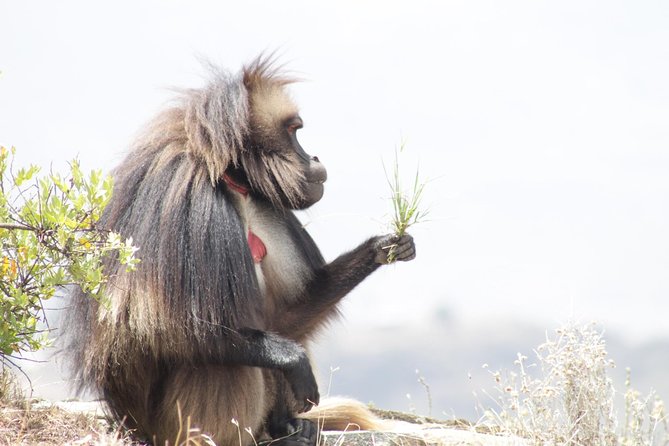
Highlands, villages, and big views await. This 4 day trek in Ethiopia’s Lalibela Wollo highlands is shaped around community-led guest houses, so you pass through daily life instead of just seeing it from a distance. I love that you get nature moments too, especially the chance to spot the Gelada baboon on the Meskel hike.
With Maereg as your guide, the walk comes with clear explanations about what you’re seeing, and that makes the whole trail feel more connected. Still, plan for a physically active route, including a climb up to about 2,820 meters at Mekuat Maryam, so it’s not the right fit if you want mostly level, easy going.
In This Review
- Key things that make this trek worth your time
- Why the Lalibela Wollo highlands trek feels personal
- Meeting at Lalibela Airport, then driving toward Flakit
- Day 1: Flakit to Mekuat Maryam (2,820m) and a community dinner
- Day 2: Meskel birds, Gelada baboons, and the trek toward Wajela
- Wajela to Gala Dejen: what that long middle day teaches you
- Day 3: Gala Dejen and Aterow, with walking that stays grounded
- Day 4 wrap-up: returning to your starting point
- Food, comfort, and what simple meals really mean here
- Wildlife and altitude: how to hike smarter in Wollo
- Price and logistics: what $500 covers, and what to budget for
- Who should book this trek in Lalibela Wollo
- Should you book this Lalibela Wollo highland trek?
- FAQ
- How long is the trek?
- Where does the trek start, and what time does it begin?
- How much does it cost?
- What meals are included?
- Is private transportation included?
- What is not included in the price?
- Is this tour private?
- What happens if weather is poor?
Key things that make this trek worth your time
- Community guest house rhythm, with breakfast where you finished the day
- Gelada baboon and bird spotting around Meskel
- Mekuat Maryam at 2,820 meters, giving you big altitude views
- Wajela’s acacia-tree scenery, plus a slower, scenic dinner finish
- Maereg-style guiding, focused on culture and practical context
More of Lalibela, reviewed one by one
- Tour 11 monolithic rock churches & museum in Lalibela & cave church with mummies★ 5.0 · 37 reviews
- Lalibela, Axum, Danakil and Omo Valley 8 DAYS★ 5.0 · 29 reviews
- Rock Churches of Lalibela Guided Tour★ 5.0 · 27 reviews
- Lalibela churches , church museum & Yemrehan kirstose ( cave church)★ 5.0 · 19 reviews
Why the Lalibela Wollo highlands trek feels personal
A lot of treks move you through a place. This one helps you move with it. The route is built around the communities in the highlands, with your days structured so you’re not only walking between points, you’re also eating and talking within village life.
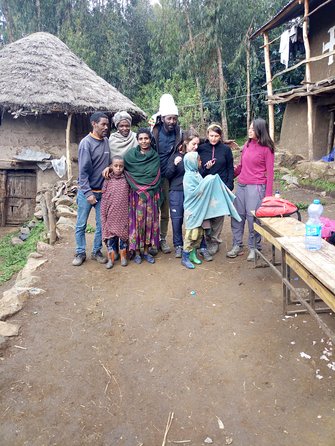
That matters more than you might think. When you share meals and start the next morning at a community guest house, the trek stops feeling like a checklist. Instead, you start learning how people live here, what the countryside looks like from their paths, and why certain viewpoints and sites matter.
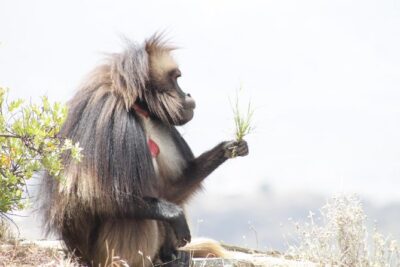
Then there is the wildlife side. On the Meskel hike, you’re in prime habitat for birds and the Ethiopian endemic Gelada baboon. Even if you’re not a wildlife expert, it’s one of those moments that makes the miles feel worthwhile because it’s not staged, it’s just what the region is like.
Meeting at Lalibela Airport, then driving toward Flakit
You start at Lalibela Airport, near Girany Amba, with a 10:00 am start time. From there, the day begins with private transportation, and your first big shift is getting out of the town area and into the highland terrain.
That drive is useful. It saves energy, and it also sets expectations, because once you reach the hiking start near Flakit, you’ll notice how quickly the air and the views change. This trek is priced with private transport included, so you are not dealing with shared schedules or unclear handoffs mid-route.
If you’re the type who likes to be organized, you’ll appreciate the simple flow: start in the morning, drive to the trail zone, then transition into hikes and community guest house evenings.
Day 1: Flakit to Mekuat Maryam (2,820m) and a community dinner
Day 1 is a classic highland opener. You have breakfast in Lalibela, then a 2 hour drive to Flakit. Lunch happens at Warkahye, then you hike for about 3 hours to your first major site: Mekuat Maryam.
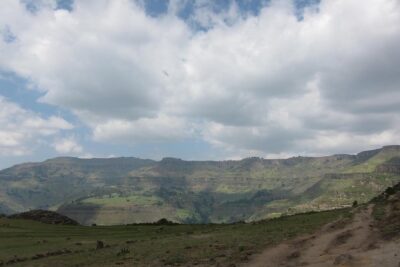
Mekuat Maryam sits about 2,820 meters above sea level on a promontory of the plateau. That elevation detail is important. You don’t need to be an athlete, but you should pace yourself. At higher altitude, even a steady hiking pace can feel like extra work, and short pauses help more than you’d expect.
What makes Day 1 memorable is the combination of effort and payoff. After the walk, you finish at a community guest house for dinner. That means you’re not ending the day in a remote transfer zone. You’re ending it among people, with a real local rhythm.
A practical consideration: bring layers. In highland Ethiopia, temperatures can shift between morning and late afternoon, and you’ll feel it even if the sky looks steady.
Day 2: Meskel birds, Gelada baboons, and the trek toward Wajela
Day 2 starts with breakfast at the Mekuat community guest house. Then it’s straight into hiking, around 3 hours to Meskel. Meskel is where the wildlife moment comes in.
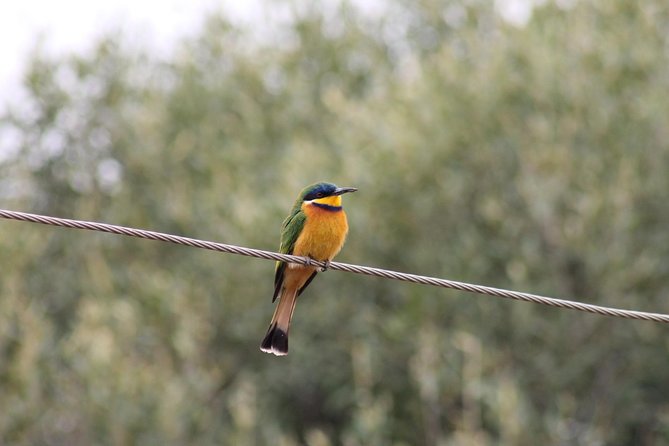
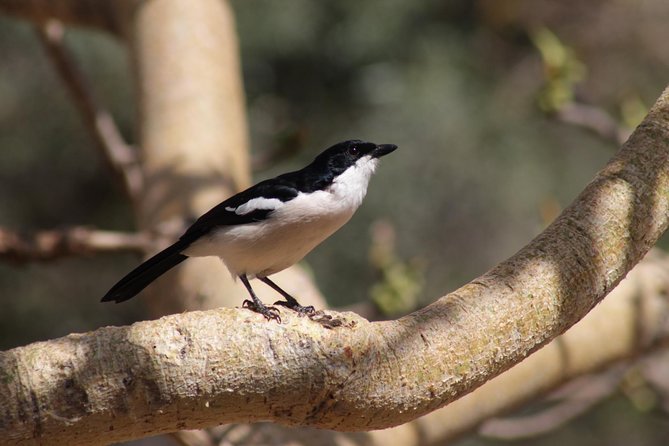
You’ll be in an area where you can see different types of birds. More importantly, you may spot the Gelada baboon, an Ethiopian endemic mammal. Geladas are not just a quick glance animal. If you get a moment to watch them, you’ll notice how they move and how they use the terrain, which turns a normal hike into a living-science encounter.
Lunch happens at Meskel, and then you transition again, trekking about 2.5 hours to Wajela. Your dinner is at Wajela, which is noted for its beautiful acacia wood. Even if you don’t call yourself a nature person, acacia-dotted countryside changes the mood. It softens the scene after a longer walking stretch, and it’s a nice reminder that the trek is not only about reaching sites, it’s also about how the region looks and smells in different pockets.
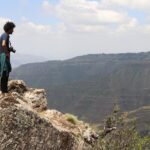
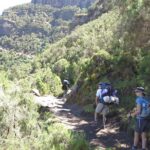
More walking in the hills around Lalibela
Wajela to Gala Dejen: what that long middle day teaches you
The middle of any multi-day trek is where mindset matters. By the time you’re leaving Wajela, your legs have already learned the pace, and you can start walking more smoothly instead of just pushing through.
From Wajela, you hike about 3 hours to Gala Dejen. Lunch is at Gala Dejen, then you continue hiking for about 3 hours onward to Aterow.
Notice the structure. You’re not rushing from view to view. You’re building a pattern: hike, reset with food, then keep going. That rhythm is one of the reasons community-based treks can feel easier than they should. You get real breaks, and the day doesn’t feel like nonstop movement with no landing.
Also, because this is a private tour, you are not getting stuck behind strangers who set a different pace than you do. Your group only means your guide, Maereg, can keep the day running in a way that suits your energy level, rather than someone else’s.
Day 3: Gala Dejen and Aterow, with walking that stays grounded
Day 3 begins with breakfast at Wajela community guest house. The day is then centered on two hiking blocks: about 3 hours to Gala Dejen, then another 3 hours after lunch to Aterow.
The key thing here is that you’re repeatedly shifting between walking stretches and meal stops. That matters for comfort, hydration, and morale. If you try to treat each hike as an endurance test, you’ll feel beaten down. If you treat it as steady movement with planned breaks, it feels more manageable.
What you take from Day 3 also depends on what you notice as you walk. With Maereg guiding, you’ll get context for how people relate to the land and why certain areas and sites are part of local life. This is where the trek becomes more than exercise, it turns into an understanding journey.
Since the provided details don’t list Day 3 dinner timing in the same way as earlier days, I’d plan for a final community meal at the end of your Aterow hiking stretch and a night that keeps you near the walking route. In practice, that’s how these treks usually work, and it matches the structure of earlier days where breakfast starts at the previous evening’s base.
Day 4 wrap-up: returning to your starting point
Day 4 is the wrap-up day. The only confirmed ending detail is that the trek ends back at the meeting point, which is the Lalibela Airport area.
Because the exact Day 4 hiking segments are not fully spelled out in the information I have, I recommend you think of Day 4 as your transition out of the highland walking routine. Bring a calm attitude, not a locked-in expectation for how long the final walk will feel. Weather and trail conditions can change the day, and the experience requires good weather.
If you like a simple travel day, this final return structure is helpful. It reduces last-day uncertainty, since you’re not shifting to a whole new destination after the trek ends.
Food, comfort, and what simple meals really mean here
This trek includes breakfast, lunch, dinner, and snacks. You also have private transportation built into the schedule. Alcoholic beverages are not included, and bottled water is not included.
Simple food can sound like a downside, but in rural trek settings it’s often the right kind of food. Expect meals that are practical, filling, and designed for the energy you’re using. You’re not going to be constantly searching for cafes or packed snacks because the plan already covers your basics.
For comfort, think “functional” rather than “spa.” Your comfort needs here are about sleeping warmth, clothing layers, and keeping your daily routine steady. The community guest house setting tends to be about cleanliness, local life, and basic overnight rest, rather than luxury.
If you want to make the experience smoother, pack for real hiking needs: sturdy footwear, a rain layer, and a way to manage water between included breaks. Since bottled water isn’t included, bring a refill strategy that works for you.
Wildlife and altitude: how to hike smarter in Wollo
You’re hiking at high elevation starting with Mekuat Maryam at about 2,820 meters. That’s not a reason to panic, but it is a reason to go steady.
Here’s what helps most:
- Start slower than you think you need to, especially on the first big climb.
- Take brief pauses when you feel winded, rather than pushing hard and losing momentum.
- Drink at regular intervals. Don’t wait until you’re thirsty.
Wildlife is a bonus, not a guarantee. The Meskel area is where you can see different types of birds and possibly Gelada baboons. That means it’s worth staying alert during the hike. When your guide points something out, stop, watch, and let that moment land. It’s part of why this trek feels special.
Also, don’t ignore the weather requirement. This experience needs good weather, and if conditions are poor, it can be rescheduled or refunded. That’s a good sign. It means they prioritize safe walking and workable trail conditions.
Price and logistics: what $500 covers, and what to budget for
At $500 per person for about 4 days and 3 nights, the price looks fair when you see what’s included. You’re not just paying for a guide. Your package includes:
- Breakfast, lunch, dinner, and snacks
- Private transportation
- The trek structure with community guest house meal stops
Private tours cost more than group tours. Here, private matters because it keeps the hiking flow aligned with your group, and it reduces awkward timing issues that can come with shared logistics.
What’s not included is also clear: alcoholic beverages and bottled water. So your main extra budget items are drinks and any personal purchases, especially if you prefer bottled water over refill options.
If you’re comparing value, look at the whole picture: guided hikes, multiple meal inclusions, and private transport. That combination is what keeps the trek from turning into a series of annoying add-ons.
Who should book this trek in Lalibela Wollo
This is a great fit if you want:
- A guided trek with real context from Maereg, not just directions
- Community-based meals and guest house evenings
- The chance to see wildlife, especially on the Meskel hike
- A route that feels active but structured, with daily meals and stops
It’s less ideal if you:
- Want only short walks or mostly flat terrain
- Are not comfortable hiking at high elevation
- Need lots of luxury amenities, since the setup is simple and community-focused
Because most travelers can participate, it’s a good option for people who are reasonably fit and willing to walk for hours. You don’t need to be a marathon runner, but you should respect the hike times and altitude.
Should you book this Lalibela Wollo highland trek?
I think you should book it if you like your travel with meaning and not just photos. The community-led guest house structure, the wildlife possibility at Meskel, and the way Maereg guides you toward understanding are the standout strengths. This trek is also a good “first Ethiopia” choice because it helps you connect Lalibela with the living countryside around it, rather than treating Lalibela as a standalone stop.
Book it with realistic expectations on effort. You’ll hike multiple times for hours, and Mekuat Maryam brings elevation into the mix. If you’re prepared for that, you’ll likely come away feeling you saw the Wollo highlands from the inside, not the sidelines.
FAQ
How long is the trek?
The experience runs 4 days and 3 nights, approximately.
Where does the trek start, and what time does it begin?
It starts at Lalibela Airport (near Girany Amba, Ethiopia). The start time is 10:00 am.
How much does it cost?
The price is $500.00 per person.
What meals are included?
Breakfast, lunch, dinner, and snacks are included.
Is private transportation included?
Yes, private transportation is included.
What is not included in the price?
Alcoholic beverages and bottled water are not included.
Is this tour private?
Yes, it is a private tour/activity, and only your group participates.
What happens if weather is poor?
This experience requires good weather. If it is canceled due to poor weather, you will be offered a different date or a full refund.
The Rest of the Ethiopia List
- Visiting Lalibela churches
★ 5.0 · 40 reviews - Visit the rock hewn churches
★ 5.0 · 39 reviews - Tour 11 monolithic rock churches & museum in Lalibela & cave church with mummies
★ 5.0 · 37 reviews - Lalibela, Axum, Danakil and Omo Valley 8 DAYS
★ 5.0 · 29 reviews - Rock Churches of Lalibela Guided Tour
★ 5.0 · 27 reviews
Walking Out of Lalibela
- 3-days Scheduled Lalibela Churches & Abune Yosef Trekking
★ 5.0 · 7 reviews - Lalibela Backpacker tours
★ 5.0 · 6 reviews - Day Hike Around Lalibela
★ 5.0 · 5 reviews - Lasta Mountains: Highland Eco Trekking Tour in Lalibela
★ 5.0 · 4 reviews - Lalibela 2-Day Eco Trekking Tour
★ 5.0 · 3 reviews
Lalibela, Reviewed
- Visiting Lalibela churches
★ 5.0 · 40 reviews - Tour 11 monolithic rock churches & museum in Lalibela & cave church with mummies
★ 5.0 · 37 reviews - Lalibela, Axum, Danakil and Omo Valley 8 DAYS
★ 5.0 · 29 reviews - Rock Churches of Lalibela Guided Tour
★ 5.0 · 27 reviews - Lalibela churches , church museum & Yemrehan kirstose ( cave church)
★ 5.0 · 19 reviews
Other Ethiopia tours we have written up
Lalibela Tours, compared.
 ★ 5.012 Days SIMIEN MOUNTAIN-LALIBELA-DANAKIL-TIGRAY CHURCHESFrom $1,64145 reviews
 ★ 5.0Visiting Lalibela churchesFrom $20040 reviews
 ★ 5.0Tour 11 monolithic rock churches & museum in Lalibela & cave church with mummiesFrom $35537 reviews
 ★ 5.05 DAYS Lalibela, Axum, Tigray churches and DanakilFrom $1,02534 reviews
 ★ 5.06 Days tour Package (Simien Mountains, Lalibela, and Danakil Depression)From $1,43532 reviews
 ★ 5.0Lalibela, Axum, Danakil and Omo Valley 8 DAYSFrom $2,05129 reviews
 ★ 5.0Danakil Depression and Lalibela 5 Days ToursFrom $95028 reviews
 ★ 5.0Rock Churches of Lalibela Guided TourFrom $4627 reviews
Browse the lists this tour appears in