

REVIEW · OMO VALLEY CULTURAL TOURS
Private Omo Valley Tours From Addis Ababa
Tribes, parks, and village life, packed smart. This private Omo Valley tour is built for up-close everyday culture plus all-inclusive logistics, so you spend less time organizing and more time seeing places like Dorze weaving communities and the Karo ceremony process. One real consideration: the driving between regions is long, so go in with moderate fitness and patience for road days.
I like the way this route mixes national-park scenery with human-scale encounters. You’ll also wrap the trip back in Addis with the UNESCO site at Tiya and an evening that includes Ethiopian dishes, dancing, and a traditional coffee ceremony. If you want a trip that feels practical, guided, and photo-friendly without doing everything solo, this fits well.
In This Review
- Key highlights to know before you go
- Omo Valley village visits, without the usual tourist blur
- Private transport from Addis Ababa, and why the pace matters
- Day-by-day route: Dorze weaving, Lake Chamo, Omo villages, and Tiya stelae
- Day 1: Arba Minch and a Dorze weaving stop en route
- Day 2: Lake Chamo boat cruise, then Bana and Ari village life
- Day 3: Mago National Park excursion for Mursi and Hamer follow-up
- Day 4: Turmi area and the Karo stop with body decoration and scarification
- Day 5: Dassanech village excursion on the Lake Turkana delta
- Day 6: Konso UNESCO terracing, coffee connection, then onward to Welayta Sodo
- Day 7: UNESCO Tiya stelae, folkloric dinner, and coffee ceremony back in Addis
- Cultural encounters: body art, ceremonies, and how to act like a good guest
- UNESCO stops that make the trip feel more complete
- Food, coffee ceremonies, and the reality of included meals
- Price and value: what $1,890 covers, and what to double-check
- Choosing your guide: the names that come up, and what they signal
- Final verdict: should you book this Omo Valley private tour?
- FAQ
- Where does the tour start and what time is pickup?
- How long is the tour?
- Is it a private tour or a group tour?
- What is included in the price?
- Can I request a vegetarian meal plan?
- Is there a dress code?
- Are service animals allowed?
- Can I get a full refund if I cancel?
Key highlights to know before you go

- Private touring with your own guide and vehicle time for an efficient, custom-feeling day flow
- Omo Valley villages that most visitors skip, including Dorze, Bana, Ari, Mursi, Hamer, Karo, Dassanech, and Konso-area communities
- Lake Chamo boat cruise for wildlife spotting (crocodiles, hippos, and birds, if conditions cooperate)
- Konso terracing and UNESCO status in a place where people have shaped the land for generations
- A strong cultural finish in Addis with Tiya stelae, a folkloric dinner, and coffee ceremony
- Good value because meals and key fees are bundled, including multiple breakfasts and lunches plus landing and facility fees
More Omo Valley itineraries, reviewed
- 6 Days Omo Valley Tribes Tours From Addis Ababa★ 5.0 · 33 reviews
- 3 Days Omo Valley Tour★ 5.0 · 24 reviews
- 5 Days Omo Valley Tours★ 5.0 · 15 reviews
- 6 Days Lalibela, Omo Valley and Harar★ 5.0 · 15 reviews
Omo Valley village visits, without the usual tourist blur

The Omo Valley is often sold as a photo safari, but this itinerary leans more toward day-to-day life. The stops are village-based, not just scenic pull-offs. That means you get time to notice details: how people build, dress, trade, and talk about what matters to them.
You’ll start with the Dorze and their weaving traditions. The houses have a distinctive shape meant to remind people of elephant presence long ago, and the staple food is enset, often described as a fake banana. It is one of those cultural facts that sticks because it changes how you picture the region beyond the usual headline.
Then the trip moves into the lower Omo Valley communities. The Bana and Ari stops are tied to pastoral and semi-nomadic lifestyles, and you’ll hear how enset and pottery fit into daily rhythm. Later days focus on groups known for distinctive body adornment practices, including Mursi, Hamer, and Karo. These are visually striking moments, but the tour’s real job is helping you understand what you’re seeing and how to behave respectfully.
The best part for me is that you are not crammed into one or two “big” villages. You cycle through multiple groups across several days. That gives you perspective, even when the customs are very different from what you’re used to.
Private transport from Addis Ababa, and why the pace matters
The tour starts at Bole Airport in Addis Ababa at 7:00 am, and pickup is offered. After that, the rhythm is simple: drive, arrive, visit, eat, sleep, repeat. The itinerary blocks are typically several hours each day, like an 8-hour day on the way into Arba Minch and shorter half-day segments later, but overall it is still a lot of time on the road.
Price is $1,890 per person and the tour is described as private and all-inclusive. That usually means one vehicle for your party and less time negotiating logistics at each border-like checkpoint of the trip. You are paying for convenience, but also for continuity. When your guide can keep the flow and manage timing, you waste less time waiting around.
One wrinkle to note: the overall description mentions a longer program of about 13 days, while the day-by-day plan here covers 7 days and returns to Addis by evening. In practice, this matters because you should confirm what exact version you booked. Ask your operator to spell out how many overnight stops and which UNESCO and park visits are included in your exact dates.
This tour is also capped at a maximum of 15 travelers. Even so, it is marketed as private with your guide and your private party. The limit is more about how the operator runs capacity, but the takeaway is the same: you are not in a giant bus crowd.
Day-by-day route: Dorze weaving, Lake Chamo, Omo villages, and Tiya stelae

Day 1: Arba Minch and a Dorze weaving stop en route
You’ll drive toward Arba Minch and break the journey with a Dorze village visit focused on weaving. The Dorze are known for their textile work, and the “elephant-shaped” house concept is one of those memory hooks that makes the stop feel grounded in the local landscape history. You’ll also see how enset functions as a stable food source.
This is a strong first day because it gives you context. Before you get to the larger “tribe circuit” in the lower Omo Valley, you start with a community skill that reflects adaptation and daily production.
Overnight is in Arba Minch.
Private departures elsewhere in Ethiopia

Day 2: Lake Chamo boat cruise, then Bana and Ari village life
Breakfast happens first, then you take a boat cruise on Lake Chamo. The tour notes you may spot Nile crocodiles, hippos, and different bird types. Real talk: wildlife spotting is never guaranteed, but a boat ride is one of the best ways to look for it without wasting hours scanning from shore.
After the cruise, you continue to Bana village, described as indigenous pastoral and semi-nomadic people living in the harsher environment of the lower Omo Valley. From there you drive to the Ari people. The Ari stop is tied to pottery and the use of enset, with women wearing skirts from the enset like banana tree material.
Overnight is in Jinka.
Day 3: Mago National Park excursion for Mursi and Hamer follow-up
This day adds the national park component with an excursion to Mago National Park and a visit to the Mursi. You’ll see very low huts made of straw leaves, and the tour description highlights practices connected to stretched lower lips and ear lobes. Whether you are there for photography, anthropology, or just curiosity, this is the day when you should slow down mentally and pay attention to how people explain their choices.
After the Mursi visit, you drive back for lunch, then proceed to Turmi, with an overnight that sets you up for Hamer-focused time the next day.
Overnight is in Turmi.
Day 4: Turmi area and the Karo stop with body decoration and scarification
Today focuses on the Karo people, via a drive to Murulle and then the Karo community. The tour describes their ceremony preparation with white chalk body and face painting. It also notes women scar their chest and that men’s scars relate to an enemy or dangerous animal killed.
Important: this kind of cultural detail is not a costume for tourists. It’s part of ritual meaning. You’ll get the most from the visit if you go with a respectful mindset and ask your guide what is appropriate to photograph and what is not.
Overnight remains in Turmi.
Day 5: Dassanech village excursion on the Lake Turkana delta
After breakfast, you head to Omorate to visit the Dassanech, described as people of the delta on the northern shore of Lake Turkana. The name “people of the delta” is not just poetic. It signals a different way of living shaped by water access, fishing, and seasonal rhythms.
After the visit, the day includes a drive back toward Konso.
Overnight is not explicitly listed here for Day 5 in the summary you provided, but Konso is the next major named stop for the route.
Day 6: Konso UNESCO terracing, coffee connection, then onward to Welayta Sodo
Today brings the Konso village experience, and this is called out as a UNESCO site for its terracing. Terracing is not just a view, it is agricultural engineering. It tells you how people control water, prevent soil loss, and make steep land workable.
The tour also notes that one of Ethiopia’s best coffee is linked to Konso. So you’re not only seeing food systems, you’re seeing where a global product can start.
Then you proceed to Welayta Sodo.
Day 7: UNESCO Tiya stelae, folkloric dinner, and coffee ceremony back in Addis
You set off for Addis Ababa, with a stopover in Butajira. Then comes a visit to Tiya stelae, described as UNESCO registered sites. Tiya is the kind of cultural stop that balances the Omo Valley days. After several days of village encounters, you get a more archaeological, monument-focused look at Ethiopia’s deep history.
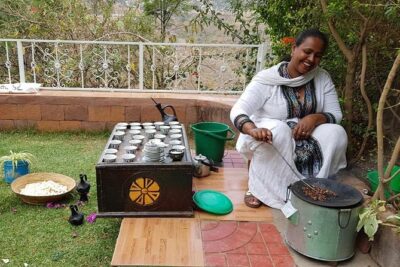
By evening, you attend a folkloric dinner with multiple national dishes and dances of various Ethiopian ethnic groups. The tour also includes a traditional coffee ceremony. This is where the trip finishes in a civilized, warm way, especially if your earlier days have been dust, sun, and driving.
Then you’re transferred to the airport for departure.
Cultural encounters: body art, ceremonies, and how to act like a good guest

Some days of this tour are centered on highly visible cultural practices: Mursi and Hamer in the Mago National Park area, Karo preparation, and the scarification and chalk painting details described in the itinerary. These are the kinds of moments that can go wrong if you treat them like a show.
Here is how I’d frame it for you: your guide’s job is not only to translate words. It is to translate meaning. If you act impatient, check your phone constantly, or push for photos without asking, you can turn a respectful encounter into something tense.
The practical approach is simple:
- Ask your guide what is okay to photograph, and when
- Keep your body language calm
- Let the ceremony prep and storytelling take time, even if you are eager to shoot
One more tip based on the style of this tour: people come for authenticity, but you still have to work for understanding. Ask questions about enset as food, weaving as craft, terracing as survival, and pottery as economics. Those details convert the visuals into something you can actually remember later.
UNESCO stops that make the trip feel more complete

A week of Omo Valley villages can easily become a loop of “see, photograph, move.” This itinerary breaks that by adding UNESCO elements beyond the valley.
Konso is one. Terracing is UNESCO material because it shows how humans adapt to land constraints over time. You will likely walk away thinking less about a single village and more about a whole system of agriculture and community cooperation.
Tiya stelae is another. It is a contrast stop, but it is not random. After days focused on modern village life and cultural identity, these monuments give you a sense of how Ethiopia’s history is visible in the present. Even if your interests are mostly Omo Valley, this kind of stop helps you connect the dots.
Food, coffee ceremonies, and the reality of included meals

This tour is described as all-inclusive, with food, lodging, activities, and transit. In the included list, you’ll see breakfast (6), lunch (6), and dinner. Landing and facility fees are also included.
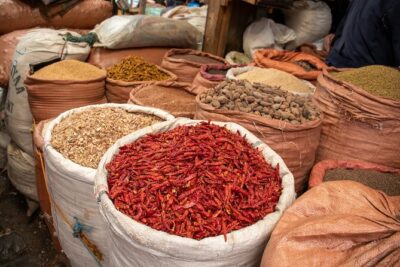
For you, this matters because southern Ethiopia travel can be logistically messy if you are hungry and on your own. When meals are bundled, you can keep the day flow and not lose time tracking down food between visits.
The tour also says a vegetarian option is available, and you should advise dietary requirements at booking. That is important because village-based days can sometimes make it hard to improvise. If you have dietary restrictions, send them early, so your guide can plan around it.
Dress code is listed as formal. That likely applies most clearly for the evening folkloric dinner. Pack one nicer outfit and plan your day so you are not sweating through formal clothes right before the performance.
Price and value: what $1,890 covers, and what to double-check

At $1,890 per person, this is not a budget-only tour. You are paying for private touring, bundled meals, lodging, park access timing, and the practical work of organizing a route that crosses multiple regions quickly.
Where the value shows up:
- You do not have to plan the sequence of villages and park visits yourself
- Meals are accounted for across the week
- Key fees like landing and facility fees are included
- You get a guide who can manage cultural pacing and safety concerns
What to double-check before you book:
- Confirm the exact length (7 days in the day-by-day plan, with longer versions mentioned elsewhere)
- Confirm which admissions are included versus free on specific days, since the plan lists admission ticket status in different ways
- Ask what spending money is still needed for personal items like snacks, bottled water, or souvenirs
If you are a solo traveler and you want a private format, the price often feels easier to justify because you are essentially buying time, structure, and a local partner for a full week.
Choosing your guide: the names that come up, and what they signal
This tour is explicitly tied to a Blue Badge-certified guide in the overview. That is not a magic wand, but it suggests the operator is serious about training and standards.
In the feedback you shared, certain guide names come up repeatedly: Barch, Firew, Niko, and Marko. You also see mentions of Shahsa, plus driver names like Alex and Sam. People praised guides for professionalism, safety, and being responsive, including customizing the trip for photography.
For you, the practical takeaway is what to ask your operator before departure:
- Do I get a guide suited to photography, and can we plan extra time for specific villages and angles?
- How flexible is the itinerary if we want a longer stop at one market or community?
- What’s your policy if wildlife spotting on Lake Chamo is limited that day?
When a guide has done this route many times, you usually get smoother timing and fewer awkward pauses.
Final verdict: should you book this Omo Valley private tour?
I’d recommend this tour if your goal is Omo Valley village experiences with real structure. It is especially well-suited to you if:
- You want private, guided travel instead of coordinating on your own
- You care about multiple communities in a single trip, not just one or two stops
- You appreciate the blend of UNESCO and cultural evenings, not only daytime village visits
- You like photography and want a guide who can manage respectful timing
I would think twice if you hate long drives or you need a slow, low-commitment schedule. The itinerary is built for movement, and several days involve serious road time. Also, because the tour expects a moderate physical fitness level, plan around that if you have mobility limitations.
If you go in with curiosity, patience, and a respect-first mindset, this is the kind of trip that changes how you understand Ethiopia. And if your guide turns out to be one of the names people keep thanking, you will likely feel it in the smoothness of each day.
FAQ
Where does the tour start and what time is pickup?
The tour starts at Bole Airport in Addis Ababa, with a start time of 7:00 am. Pickup is offered.
How long is the tour?
The duration is listed as 7 days (approx.). The overall tour description also references longer Ethiopia options that can reach about 13 days, so confirm your exact dates and inclusions.
Is it a private tour or a group tour?
It is described as a private tour with just your guide and your private party. There is also a stated maximum of 15 travelers.
What is included in the price?
The tour description says it is all-inclusive, covering food, lodging, activities, and transit. The included items list also mentions breakfast (6), lunch (6), and dinner, plus landing and facility fees.
Can I request a vegetarian meal plan?
Yes. A vegetarian option is available. You should advise your dietary requirements at booking.
Is there a dress code?
Yes. The dress code is listed as formal.
Are service animals allowed?
Yes. Service animals are allowed.
Can I get a full refund if I cancel?
The policy listed is free cancellation up to 24 hours in advance for a full refund, based on the experience’s local time. Canceling within 24 hours is not refunded.
Browsing Ethiopia More Widely
- Full Day Tour of Addis Ababa with Hotel Pickup and Drop-off
★ 5.0 · 430 reviews - Addis Ababa: Debre Libanos, Blue Nile Gorge, and Cave Tour
★ 4.5 · 256 reviews - Addis Ababa Guided City Tour With Airport & Hotel Pick Up
★ 5.0 · 237 reviews - Breathtaking Nature, Wildlife and Cave Church Tour – Free Pickups
★ 5.0 · 225 reviews - Full-Day Private City Tour of Addis Ababa
★ 5.0 · 147 reviews
The Rest of the Ethiopia List
- Full Day Tour of Addis Ababa with Hotel Pickup and Drop-off
★ 5.0 · 430 reviews - Taste of Ethiopia
★ 5.0 · 406 reviews - Day Trip From Addis Ababa See Historical Monastery,Stunning Nature,Animals,Birds
★ 5.0 · 303 reviews - Addis Ababa: Debre Libanos, Blue Nile Gorge, and Cave Tour
★ 4.5 · 256 reviews - Addis Ababa Guided City Tour With Airport & Hotel Pick Up
★ 5.0 · 237 reviews
South to the Omo Valley
- 6 Days Omo Valley Tribes Tours From Addis Ababa
★ 5.0 · 33 reviews - 3 Days Omo Valley Tour
★ 5.0 · 24 reviews - 5 Days Omo Valley Tours
★ 5.0 · 15 reviews - 6 Days Lalibela, Omo Valley and Harar
★ 5.0 · 15 reviews - 9 Days Tours To Danakil Depression, Simen MNP, Lalibela With Omo Valley Tribes
★ 5.0 · 11 reviews
Other Ethiopia tours we have written up
Omo Valley Cultural Tours, compared.
 ★ 5.06 Days Omo Valley Tribes Tours From Addis AbabaFrom $1,39933 reviews
 ★ 5.0Lalibela, Axum, Danakil and Omo Valley 8 DAYSFrom $2,05129 reviews
 ★ 5.03 Days Omo Valley TourFrom $80024 reviews
 ★ 5.05 Days Omo Valley ToursFrom $75015 reviews
 ★ 5.06 Days Lalibela, Omo Valley and HararFrom $1,53815 reviews
 ★ 5.05 Day Private tour to the Omo Valley Tribes and Adventure TourFrom $1,29011 reviews
 ★ 5.09 Days Tours To Danakil Depression, Simen MNP, Lalibela With Omo Valley TribesFrom $1,80011 reviews
 ★ 5.08 Days Lalibela,Danakil Depression and Omo Vally ToursFrom $1,19910 reviews
Browse the lists this tour appears in