

REVIEW · LALIBELA TOURS
6 Days Lalibela, Omo Valley and Harar
Six days can feel like a sprint, but this one works. You’ll string together Lalibela’s rock-hewn churches, Omo Valley culture stops, and Harar’s walled city, all with guides and entry fees handled for you.
I especially like how the itinerary is built around clear geographic flow, with real transitions by flight and road rather than constant backtracking. You also get a lot of guided context at the places that matter, from the church symbolism at Lalibela to the market and museum stops in Harar, plus a mix of village visits and city life. One drawback to weigh, though, is lodging and internal-flight certainty, since a past booking flagged weak hotel quality in Harar and unexpected gaps in flight ticketing.
In This Review
- Key Highlights That Make This Route Worth Your Time
- Entering Lalibela: Bet Medhane Alem and the Northern Group Plan
- Day 2 Jinka: Aari Village and a Museum Break That Actually Helps
- Omo Valley Days 3 and 4: Markets, Village Visits, and Konso Terraces
- Day 3: Hamer Village Culture and a Market Afternoon
- Day 4: Dassench/Geleb by Boat on the Omo and Konso UNESCO Culture
- Chamo to Chencha to Dire Dawa: Lake Chamo’s Crocodile Market and Dorze Houses
- Lake Chamo Boat Trip: Crocodile Market and Hippos
- Chencha Dorze: Houses and Traditions
- Flight to Dire Dawa via Addis
- Harar Day 5 Evening and Day 6: Walled City Walks, Museums, Markets, and Hyenas
- Night walk in the walled city and the Hyena Man feeding
- Day 6 morning Harar: Rimbuad, Islamic markets, museums, and Ras Mekonnen
- Price and Logistics: Is $1,538.47 Good Value for This Much Ground?
- Who This Tour Suits Best (and Who Might Want a Different Plan)
- Should You Book This 6-Day Lalibela, Omo Valley, and Harar Tour?
- FAQ
- What time does the tour start?
- Are entrance fees included?
- Is there a vehicle and local guide during the trip?
- Are any breakfasts included?
- Does the itinerary include flights between regions?
- What happens in Harar at night?
- Is the tour private?
- Is the tour physically demanding?
- What is the cancellation deadline?
Key Highlights That Make This Route Worth Your Time
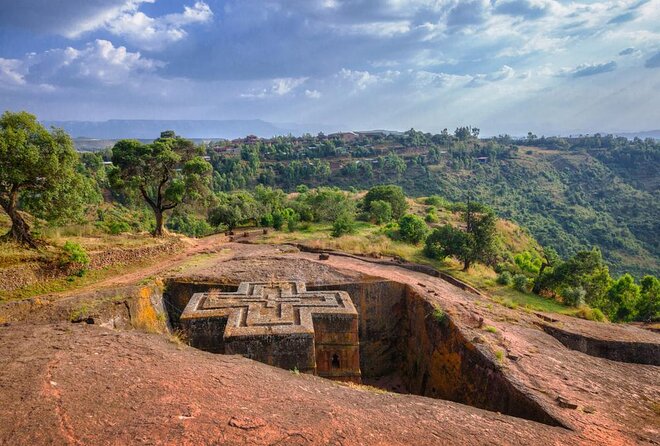
- Northern Lalibela focus: you start with Bet Medhane Alem and related churches, with the Lalibela Cross and church connections explained.
- Omo Valley variety in a short window: Hamer market and cultural village, plus a river trip on the Omo River and Konso’s UNESCO-listed terraced culture.
- Boat trips with specific targets: Lake Chamo includes the crocodile market and hippos.
- Harar’s night signature: the Hyena Man feeding scene gives you Harar after dark, not just daytime sightseeing.
- Harar history through people you can name: Arthur Rimbuad, Ras Mekonnen, and the museums and markets you can actually point to later.
More of Lalibela, reviewed one by one
- 5 DAYS Lalibela, Axum, Tigray churches and Danakil★ 5.0 · 34 reviews
- Danakil Depression and Lalibela 5 Days Tours★ 5.0 · 28 reviews
- 5 DAYS Axum, Lalibela, Tigray churches and Danakil★ 4.5 · 22 reviews
- 6 Days Lalibela, Omo Valley and Harar★ 5.0 · 15 reviews
Entering Lalibela: Bet Medhane Alem and the Northern Group Plan
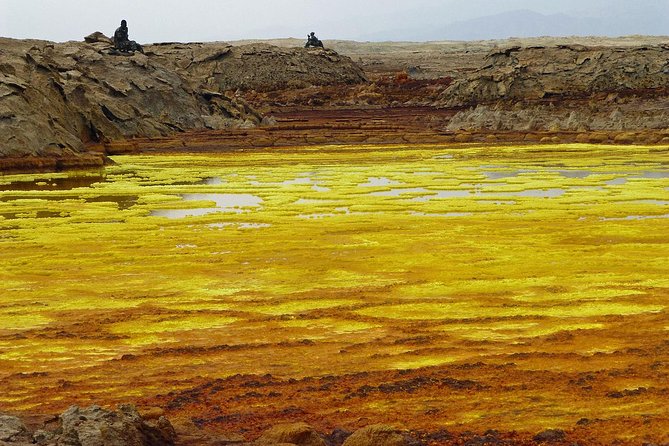
Lalibela is the kind of place that makes you slow down. The big advantage here is timing and structure. You catch a morning flight out of Addis Ababa around 7:10, then land in Lalibela, meet your driver at the airport, and drive about 23 km into town. After check-in and a quick reset, you go straight to the churches.
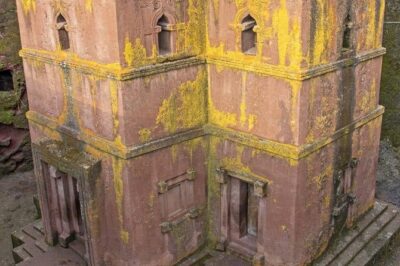
The itinerary’s Lalibela day is anchored in the Northern Group churches, starting with Bet Medhane Alem. This is where you’ll hear the story around the Lalibela Cross and the idea that the church is believed to be the largest monolithic church in the world. Your visit also ties together several connected sites in the complex, including:
- Bete Maryam, described as likely linked to St Mary of Zion in Aksum
- Bete Golgotha, known for its arts and said to contain the tomb of King Lalibela
- Selassie Chapel
- Tomb of Adam
What I like about this approach is that it doesn’t treat each church like a photo stop. It gives you a thread to hold onto, so when you step from one rock-hewn space to another, you know what to look for and why it matters.
Practical consideration: churches can mean uneven steps, long walking circuits, and time outside your vehicle. The tour notes moderate physical fitness. If you know you get tired fast on cobbled or uneven ground, plan for a steady pace and water breaks when your guide builds them in.
Day 2 Jinka: Aari Village and a Museum Break That Actually Helps
After Lalibela, the trip pivots to the south by air. You arrive in Jinka around 14:10 with Ethiopian Airlines, then you meet your driver and guide at the airport and go straight to your hotel.
Later that day, you head out for an excursion to an Aari village near Jinka and then to an ethnographic museum. The museum entry is listed as free, which is a nice little value bonus and also means you can use that time to orient yourself before you start the deeper culture days.
Here’s why this matters. The Omo Valley route can feel overwhelming if you only see markets or only see villages. A museum stop gives you context to connect what you saw earlier in the day with what you’ll see next. It’s also a good rhythm reset, since you still have daylight for village time.
Tip for your planning brain: Jinka arrivals are afternoon arrivals, so your energy level matters. Try not to schedule any intense side trips this day. You’ll get enough movement without adding more.
Omo Valley Days 3 and 4: Markets, Village Visits, and Konso Terraces
These two days are the heart of the itinerary, and they’re arranged so you see different corners of the region rather than repeating one type of stop.
Day 3: Hamer Village Culture and a Market Afternoon
Day 3 begins early, with a drive to the village of the Mursi people. Then you return to Jinka for an early lunch before heading toward Turmi via Dimeka.
In Turmi, you visit the market of the Hamer people and then continue with an afternoon cultural village visit. The guide focuses on the Hamer’s well-known hair dressing tradition, decorated using red soil and butter. This is the kind of detail that makes your photos more meaningful later, because you’ll remember the practice, not just the look.
One practical reality: these are long days. You’re on the road, then you’re walking around active market areas, then you’re moving again. If you’re prone to motion fatigue, keep your hydration steady and bring something for sun protection. Even if you’re traveling in a vehicle, you’ll still be outside at several points.
More Omo Valley itineraries, reviewed




Day 4: Dassench/Geleb by Boat on the Omo and Konso UNESCO Culture
Day 4 starts with another early push, driving to Omorate to visit the Dassench/Geleb tribe, about 75 km from Turmi. Then you take a boat trip on the Omo River and visit the Dassench/Geleb village.
This river segment is a smart break from the land-based touring. It shifts the experience from market pace to river pace, with different sights and a different kind of exposure to daily life along the water. It also tends to slow time down, which helps after the heavier cultural introductions of Day 3.
After that, you drive toward Arba Minch via Konso. Your Konso stop is built around the village compound and the local museum, and you may also be welcomed in the Konso chief’s compound. The compound includes the family graveyard and house mummies, and the tour explains how Konso people developed agrarian terracing and walls around fields and villages for protection from livestock damage and flooding.
Why Konso feels so “earned” in this itinerary is timing. You get earlier Omo Valley village context, then you reach a UNESCO Cultural Heritage site with a clearer, place-specific explanation of how people manage land and water. It’s not just people watching. It’s human problem-solving you can see in the terrain and the structures.
Chamo to Chencha to Dire Dawa: Lake Chamo’s Crocodile Market and Dorze Houses

Day 5 mixes wildlife-oriented activity with cultural stops and then transitions into your eastward travel toward Harar.
Lake Chamo Boat Trip: Crocodile Market and Hippos
In the morning, you head out for a boat trip on Lake Chamo to see the crocodile market and local hippos. The value here is that it’s not a generic “boat ride.” The itinerary calls out specific targets, so you know what you’re aiming for.
A note to plan your expectations: animal-focused sightseeing is weather dependent. The tour also states that the experience requires good weather, and that if it’s canceled due to poor weather you’ll be offered a different date or a full refund. So if you’re the kind of traveler who hates “maybe” plans, it helps to keep your schedule flexible.
Chencha Dorze: Houses and Traditions
Before your airport time, you drive to Chencha to visit the Dorze people, with their unique culture, houses, and traditions. You get the contrast shift you need: earlier days centered on markets and villages. Dorze adds a strong built-environment element, so you can tie what you learned from Konso’s terracing to how communities shape daily life in different ways.
Flight to Dire Dawa via Addis
Then you fly from Arba Minch to Dire Dawa via Addis, departing around 14:00. After landing, you meet at the Dire Dawa airport around 17:20, continue by vehicle to Harar, and begin Harar evening sightseeing.
One logistics consideration: a prior participant flagged confusion about internal flights not being booked when they arrived. That means you should confirm, before you fly, that the itinerary flight components are ticketed and linked to your name and dates. You’re paying a package price, so you want certainty.
Harar Day 5 Evening and Day 6: Walled City Walks, Museums, Markets, and Hyenas

Harar is the kind of place where the city itself feels like the attraction. The itinerary makes a point of getting you inside the 16th-century walled city.
Night walk in the walled city and the Hyena Man feeding
On Day 5, after driving from Dire Dawa to Harar, you stroll through the walled city and then see the Hyena Man feeding the hyenas that gather nightly outside the town.
This is a signature moment, and it’s also a reminder to pack patience. You’re watching a repeated nightly routine that depends on timing and your ability to wait comfortably. If you get cold easily at night, bring a layer.
Day 6 morning Harar: Rimbuad, Islamic markets, museums, and Ras Mekonnen
Day 6 starts with morning visits in Harar. The stops are very specific, which is what you want for a history-and-culture day:
- Arthur Rimbuad, described as a French poet who lived in Harar as a gun-runner in the 19th century
- the colorful Islamic market
- National and Harari museums
- the house of Ras Mekonnen, noted as the father of Haile Selassie
After those, you drive from Harar to Dire Dawa. The itinerary then includes the largest market of Dire Kefira and the Awadai chat market, plus the Ethio-Djibouti railway station.
If you like to understand a place through multiple angles, this is strong. You move from historic person-centered sites to museums to markets to infrastructure. It’s not only about what you see, it’s about how the city functions.
Finally, you overnight in Selam Hotel in Dire Dawa, then fly back to Addis Ababa on ET-209, listed as 5:50 PM to 6:50 PM.
Price and Logistics: Is $1,538.47 Good Value for This Much Ground?

Let’s talk value like a grown-up. At $1,538.47 per person for about 6 days, you’re paying for:
- air-conditioned vehicle support (per the inclusions)
- local guides as per the program
- all entrance fees and licenses as listed
- breakfasts (4 are included)
- air travel segments included in the experience flow
- pickup offered, plus a mobile ticket
So what does that mean for you? It means fewer headaches. You’re not piecing together church entries, museum entries, and village visit logistics yourself across a huge country. That saves time and reduces the risk of arriving at a site with the wrong documents or missing tickets.
Where value can wobble is where a past booking flagged issues: internal flights not being booked when expected, and hotel quality in Harar being poor. Lodging quality isn’t something you can predict from the itinerary details provided, but you can protect yourself with one simple step: confirm the exact flight numbers and booking status before your internal travel day. Also ask the provider what hotel you’ll use in Harar, and whether there are upgrade options if you care about comfort.
At the same time, the overall pattern of praise in the experience is clear: guides and drivers, and the blend of experiences and locations, are the big strengths. That’s what you’re paying for. When it works, it feels like the right amount of structure for a trip this ambitious.
Who This Tour Suits Best (and Who Might Want a Different Plan)
This itinerary fits you if you want a guided, well-timed sampler across Lalibela, the Omo Valley, and Harar and you’re comfortable with long days and early starts. The route includes walking in historic sites, market time, and boat trips, plus multiple flights.
You might not love it if you:
- hate surprises with flights and prefer full confirmation in writing
- are very sensitive to accommodation standards, especially in Harar
- want a slower pace or more free time for independent wandering
Should You Book This 6-Day Lalibela, Omo Valley, and Harar Tour?

I’d book it if you want a focused, guided circuit that covers major Ethiopia highlights without forcing you to manage every transition. The strengths are practical: specific church and museum stops, Omo Valley experiences with named communities and market context, and Harar night culture plus morning history.
Before you say yes, do two quick checks. First, confirm that the internal flights in the itinerary are fully ticketed for you and match your travel dates. Second, ask for the Harar hotel details and what to expect day-to-day so you can decide if that trade-off fits your comfort level.
If those boxes check out for you, this is a strong way to see a lot of Ethiopia in six days, with guides who give context instead of just moving you from place to place.
FAQ
What time does the tour start?
The meeting time listed is 6:00 am. This lines up with a morning flight on Day 1.
Are entrance fees included?
Yes. All entrance fees and licenses as per the program are included.
Is there a vehicle and local guide during the trip?
Yes. The inclusions list an air-conditioned vehicle and local guide service as per the program.
Are any breakfasts included?
Yes. Breakfast is included for 4 days.
Does the itinerary include flights between regions?
Yes. You fly from Addis Ababa to Lalibela on Day 1, and later you fly from Arba Minch to Dire Dawa via Addis. The Day 6 schedule also includes a flight back to Addis Ababa.
What happens in Harar at night?
You stroll through Harar’s walled city and in the evening you see the Hyena Man feeding the hyenas that gather nightly outside the town.
Is the tour private?
Yes, it is a private tour/activity, so only your group participates.
Is the tour physically demanding?
It notes moderate physical fitness is recommended, since you’ll be walking and spending time on your feet at multiple stops.
What is the cancellation deadline?
You can cancel up to 3 days in advance of the experience for a full refund, and the cut-off is based on local time.
The Rest of the Ethiopia List
- Full Day Tour of Addis Ababa with Hotel Pickup and Drop-off
★ 5.0 · 430 reviews - Taste of Ethiopia
★ 5.0 · 406 reviews - Day Trip From Addis Ababa See Historical Monastery,Stunning Nature,Animals,Birds
★ 5.0 · 303 reviews - Addis Ababa: Debre Libanos, Blue Nile Gorge, and Cave Tour
★ 4.5 · 256 reviews - Addis Ababa Guided City Tour With Airport & Hotel Pick Up
★ 5.0 · 237 reviews
South to the Omo Valley
- 6 Days Omo Valley Tribes Tours From Addis Ababa
★ 5.0 · 33 reviews - 3 Days Omo Valley Tour
★ 5.0 · 24 reviews - 5 Days Omo Valley Tours
★ 5.0 · 15 reviews - Private Omo Valley Tours From Addis Ababa
★ 5.0 · 12 reviews - 9 Days Tours To Danakil Depression, Simen MNP, Lalibela With Omo Valley Tribes
★ 5.0 · 11 reviews
Lalibela, Reviewed
- 12 Days SIMIEN MOUNTAIN-LALIBELA-DANAKIL-TIGRAY CHURCHES
★ 5.0 · 45 reviews - 5 DAYS Lalibela, Axum, Tigray churches and Danakil
★ 5.0 · 34 reviews - Danakil Depression and Lalibela 5 Days Tours
★ 5.0 · 28 reviews - 5 DAYS Axum, Lalibela, Tigray churches and Danakil
★ 4.5 · 22 reviews - Lalibela 3 Days/ 2 Nights Tour package
★ 5.0 · 13 reviews
Other Ethiopia tours we have written up
Lalibela Tours, compared.
 ★ 5.012 Days SIMIEN MOUNTAIN-LALIBELA-DANAKIL-TIGRAY CHURCHESFrom $1,64145 reviews
 ★ 5.0Visiting Lalibela churchesFrom $20040 reviews
 ★ 5.0Tour 11 monolithic rock churches & museum in Lalibela & cave church with mummiesFrom $35537 reviews
 ★ 5.05 DAYS Lalibela, Axum, Tigray churches and DanakilFrom $1,02534 reviews
 ★ 5.06 Days tour Package (Simien Mountains, Lalibela, and Danakil Depression)From $1,43532 reviews
 ★ 5.0Lalibela, Axum, Danakil and Omo Valley 8 DAYSFrom $2,05129 reviews
 ★ 5.0Danakil Depression and Lalibela 5 Days ToursFrom $95028 reviews
 ★ 5.0Rock Churches of Lalibela Guided TourFrom $4627 reviews
Browse the lists this tour appears in