
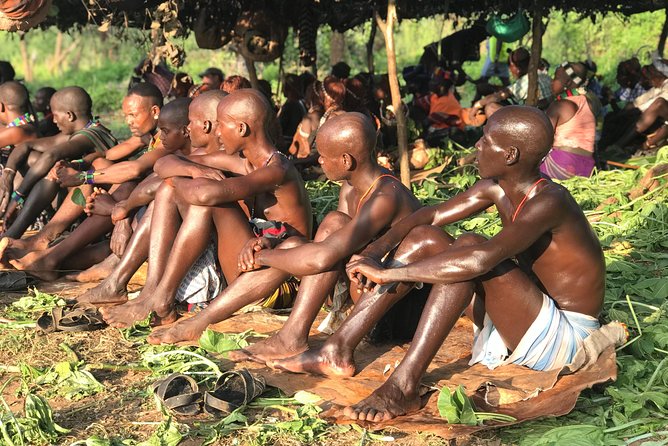
REVIEW · OMO VALLEY CULTURAL TOURS
6 Days Omo valley Tribal Tour (Starts Arba Minch End Jinka)
A trip like this hits fast, then sticks with you. This 6-day Arba Minch to Jinka circuit is built around close, guided encounters with several Omo Valley communities, from Dorze beehive huts up to a Mursi visit near Mago National Park. It is practical ground travel, not a fly-by, and the route keeps you moving through markets, river villages, and highland viewpoints.
What I like most is how the day plan mixes major stops with smaller moments, like the food you see and taste in Dorze area and the off-road village drives out of Turmi. I also really appreciate the human side of it, because guides like Deba (also seen as Debebe or Debaba) and his driver partner China are described as funny, organized, and connected to local contacts who explain customs in plain terms, not just gestures for the camera.
One thing to think about up front: this is a long, rugged drive route through southern Ethiopia, and some sightseeing comes with limited time and rough roads. It is not a safari-style game viewing trip either, so if you expect lots of wildlife on the park day, you might feel a little underfed on that front.
In This Review
- Key things I’d plan around before you book
- Arba Minch to Jinka: the big picture of this 6-day Omo Valley circuit
- A/C 4×4, small group size, and what “pickup offered” really changes
- Day 1: Dorze beehive huts, false banana food, and a scenic drive to Chencha
- Day 2: southbound travel, Dimeka market day, and the Turmi overnight
- Day 3: Kara villages, Duse or Labuck, and flood-retreat farming
- Day 4: Nyangatom village morning, Kara tribe focus, and Karo body painting time
- Day 5: Omerate, canoe crossing to Dassanech, and Keyafer market color
- Day 6: Mago National Park short stop for Mursi, then Jinka airport drop
- Price and value: what you get for about $1,600 per person
- What kind of traveler this suits best
- Ethical tribe visiting: how to get more than photos
- Should you book this Omo Valley Tribal Tour, Arba Minch to Jinka?
- FAQ
- Where does this tour start and end?
- How long is the tour?
- What transportation is used?
- Is pickup included?
- How many people are in the group?
- Which tribe areas are included in the itinerary?
- What if weather is poor or the minimum number of travelers is not met?
Key things I’d plan around before you book
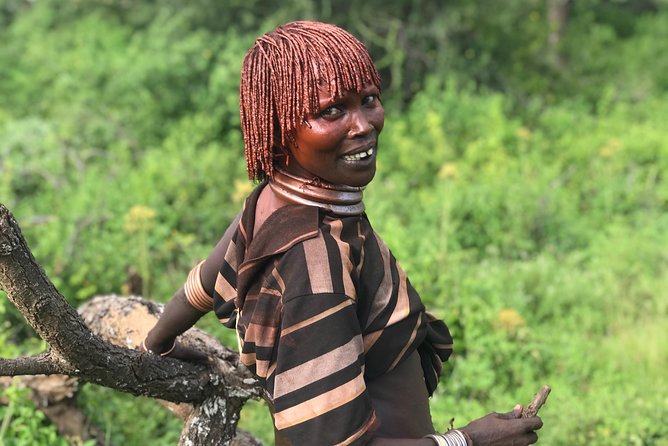
- Max group size of 4 means you get a more personal pace, not a bus-tour rhythm.
- A/C 4×4 ground transport matters here, because you will spend many hours on the road.
- Route highlights are tribe-focused, including Dorze (Chencha area), Kara and Karo, Dassanech by canoe, and Mursi.
- Market days are part of the experience, with Dimeka Tuesday and Saturday markets and Keyafer Thursday market day.
- Your guide network is a big deal, especially through local contacts who can explain what you are seeing.
- This is a weather-dependent experience, so plan for flexibility if conditions are poor.
More Omo Valley itineraries, reviewed
- 5 Day Private tour to the Omo Valley Tribes and Adventure Tour★ 5.0 · 11 reviews
- Omo Valley Tribes 6 Days Tours★ 4.9 · 10 reviews
- 6 Days Omo valley Tribal Tour (Starts Arba Minch End Jinka)★ 5.0 · 7 reviews
Arba Minch to Jinka: the big picture of this 6-day Omo Valley circuit
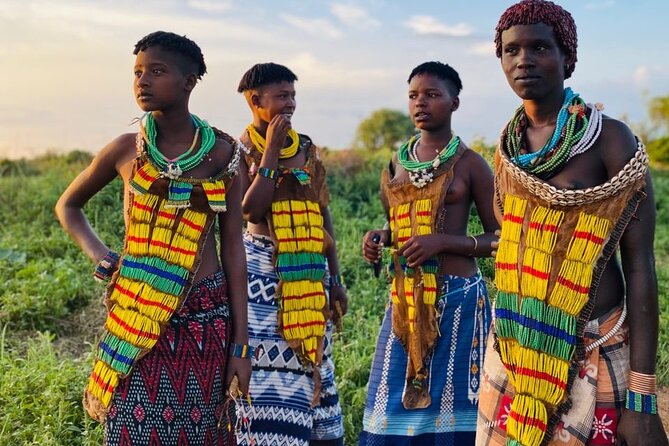
This tour is all about moving south and east across Omo Valley culture zones, starting at Arba Minch Airport and ending with a drop at Jinka International Airport. The route is set up as one continuous overland story: highlands first, then river country, then back toward Jinka for the best-known Omo Valley group of the day.
You are not just ticking off a list. The sequence matters. You start at altitude up to the Chencha area and see different building styles and daily food routines. Then you drop into the southern corridor, where markets and mixed-ethnicity routes (Konso, Tsamay, Arbore, Hamar areas) give context for how people trade, live, and meet.
The last stretch turns toward the Mago National Park region on the way to meeting the Mursi. It is a short park visit, so you are going for people and context, not a full wildlife day.
A/C 4×4, small group size, and what “pickup offered” really changes
On paper, “air-conditioned vehicle” sounds like a comfort add-on. In practice, it makes a big difference on a route like this because you are spending long stretches in a car and the itinerary includes off-road sections. You are traveling by 4×4 ground transportation, and the tour notes A/C as part of the setup, which is especially welcome when temperatures rise between stops.
The other practical win is the maximum of 4 travelers. That small cap tends to mean fewer timing fights with a large group, less waiting for everyone to sync up, and more room for questions with your guide and local contacts. It also usually makes it easier to adjust the schedule when you want to spend a bit more time in a village setting.
Finally, “pickup offered” matters because your first contact point is an airport, and you do not want to lose time figuring out local transport after arrival. The tour starts at Arba Minch Airport, with start time listed as 6:30 pm.
Day 1: Dorze beehive huts, false banana food, and a scenic drive to Chencha
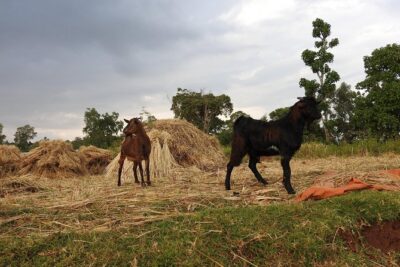
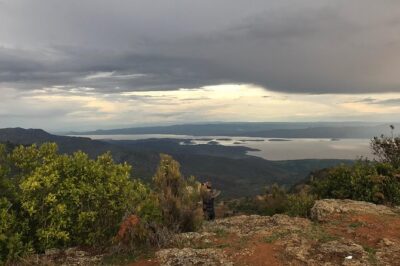
Day 1 begins in Arba Minch and quickly turns into highland viewpoint territory. You drive about 36 km from Arba Minch to the Chencha area (altitude shifts from around 1,400 m to about 2,900 m). That altitude change is not just geography. It shifts what you see in daily life, from vegetation and views over Lake Abaya and Lake Chamo to the traditional Dorze beehive-like huts.
A highlight here is the food routine. You will see the preparation of staple food made from false banana, and then you get to try it. Even if you are not sure you will like it, the value is in understanding what is actually on the plate and how ingredients are processed locally.
After the Dorze visit and meal tasting, you drive back to Arba Minch for overnight.
Practical note: this day is built around a focused cultural stop plus a drive. If you are the type who likes slow pacing, you might wish for more time in the village. If you like structured time so you can rest, this format works well.
Day 2: southbound travel, Dimeka market day, and the Turmi overnight

Day 2 is where the tour starts stretching your sense of distance. You cover about 277 km in roughly 5.5 hours, heading from Arba Minch to Turmi. Along the way, the route goes through areas associated with Konso, Tsamay, Arbore, and Hamar communities, giving you the sense that you are not just entering one tribal zone, you are moving through a whole southern mosaic.
The itinerary also includes a market stop. You will visit Dimeka Tuesday and Saturday market in Dimeka on the way to Turmi. Markets like this tend to be where you see everyday life collide with trade, clothing, and inter-community contact. You are not only observing. You are watching people negotiate, prepare, and move through a shared public space.
Then it is on to Turmi for overnight.
A small caution: market time depends on the day. Your tour plan says Tuesday and Saturday, so it is worth confirming the exact calendar match when you book, especially if you have your heart set on this stop.
More around Arba Minch, Dorze and Konso

Day 3: Kara villages, Duse or Labuck, and flood-retreat farming

Day 3 focuses on the Kara. You take a morning drive about 80 km off-road to Kara Village (listed as called Duse or Labuck). Kara communities are described as living along the east banks of the Omo River, with flood-retreat cultivation shaping what they grow.
The crops mentioned are sorghum, maize, and beans. That farming detail is useful for you as a visitor because it gives the day more meaning than a quick photo stop. You can connect what you see in fields and settlement patterns to the seasonal rhythm of flooding and retreat.
After visiting the village, you drive back to Turmi for overnight again.
Practical expectation: off-road drive time can be bumpy. Bring patience and plan your day for a slower, grounded pace once you are out of the vehicle. Your best moments here will come from asking simple questions through your guide, like how seasons affect what people plant.
Day 4: Nyangatom village morning, Kara tribe focus, and Karo body painting time
Day 4 keeps you in the village circuit around Turmi, but with a clearer “people and customs” emphasis. In the morning, you visit one of the Nyangatom villages. Then you drive to a Karo village with a focus on the Kara Tribe and their body paintings, with the Karo element specifically called out for the famous painted looks.
The route distance is listed as about 101 km with roughly 6 hours of travel. That is a long day for a village experience, and it is also a clue: the tour is prioritizing access, not just speed.
Accommodation and basic comfort notes are also provided for this day: you stay at Turmi Hotel with a portable shower and toilet, and meals are listed as full board.
What to expect: body painting and decorative traditions are not a museum exhibit. It is part of identity and daily meaning. If you go in thinking only in photos, you might miss the context. If you go in ready to learn the simple story behind the look, you will likely get far more out of the time.
Day 5: Omerate, canoe crossing to Dassanech, and Keyafer market color
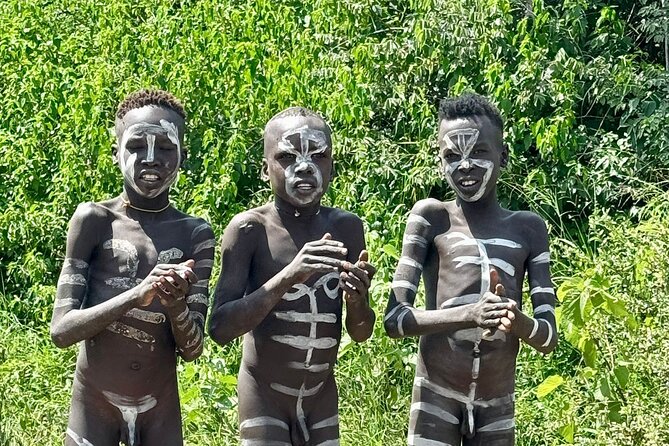
Day 5 is a turning point because it moves you from the Turmi area toward the Omerate side of the river and then on to Jinka. You drive about 72 km in about 1.5 hours to Omerate, on the east bank of the Omo River, where the Dassanech live.
To visit a village, you cross the river by local canoe. This is one of those moments that is both logistical and cultural. It changes the rhythm of the day, and it also gives you a physical sense of how the river shapes travel and settlement.
Market time returns. Thursdays are market days in Keyafer, which is listed as a colorful market visited by multiple tribes including Hamer, Benna, and Karo. This matters because it shows how groups meet beyond their own home area. Markets often become the “conversation hub” of the region.
Afterward, you continue to Jinka for overnight.
Timing tip: markets are schedule-driven. If you have limited energy, plan to take breaks as needed. Market days are stimulating, and the day already includes a canoe crossing plus a longer driving segment.
Day 6: Mago National Park short stop for Mursi, then Jinka airport drop
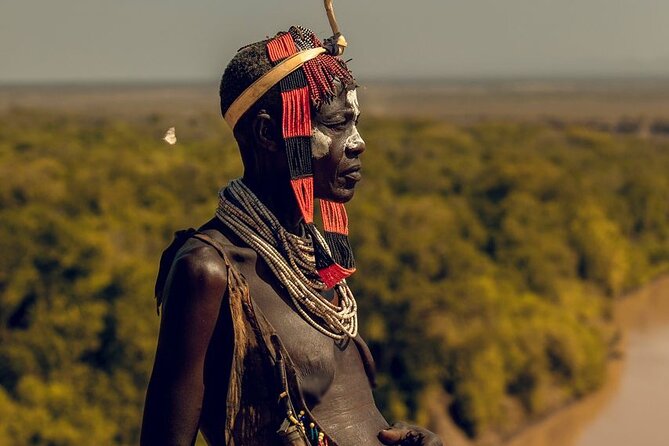
Day 6 is your finale. You head into Mago National Park on the way to meet the Mursi, and the tour explicitly warns not to expect much game because this is a brief park visit. That matters for planning your mindset. If you treat it like a quick cultural stop with a small nature add-on, it will land better.
After about a 2-hour drive, you reach a Mursi village. This is where the itinerary centers on one of the most well-known Omo Valley groups.
Then you head back to Jinka for lunch and ultimately get dropped at the airport.
The big value of the last day is that it ties your travel arc together. You end in the modern airport infrastructure of Jinka, after days of highland viewpoints, river-country routines, and multiple tribes.
Price and value: what you get for about $1,600 per person
At $1,600 per person for a roughly 6-day overland route, this is not a budget-only trip. But in terms of value, you are buying three things that are hard to replicate on your own.
First is the heavy-lift logistics: Arba Minch to Jinka by 4×4 over many hours, including off-road driving and river crossing coordination. Second is the structure around cultural encounters, including multiple community days and market stops that depend on the calendar. Third is the guide network side, where names like Deba/Debebe/Debaba and driver partner China are tied to being connected and organized, plus local contacts who explain customs in detail.
You should also know what the price does not cover. The tour lists air-conditioned vehicle as included, plus pickup and mobile ticket, but it says all fees and taxes are not included. So your real final total may be higher once you see what those add-ons are.
To judge whether it is worth it for you, ask this: do you want a smooth path through a remote region with someone who can connect you to local context? If yes, the price starts to make sense. If your goal is maximum flexibility to stop randomly, you may find the fixed route less satisfying.
What kind of traveler this suits best
This tour fits best if you want an organized cultural route and you are okay with long travel days between villages. You get repeated overnight stays in key towns, which helps you avoid nonstop packing and moving.
It also suits people who appreciate guide-to-local-contact relationships. The tour notes that your guide can arrange local contacts to explain customs in detail, and the reviews you shared underline that Deba and China are practical, helpful, and good at making the experience feel like real connection, not just surface watching.
Who might want to reconsider? If you hate uneven schedules, long drives, or you need full-day wildlife viewing, this is not built for that. The park day is short and the tour explicitly sets that expectation.
Ethical tribe visiting: how to get more than photos
A tour like this works best when you treat village visits as conversations, not performances. That means asking permission when it makes sense, keeping your curiosity respectful, and listening when your local guide explains the meaning behind clothing, paint, or household routines.
Practical tips that fit this specific itinerary:
- Go with a mindset of learning why, not just what. The false banana staple food and flood-retreat farming details are there for a reason.
- On body-painting and market days, give your guide time to translate and position you correctly.
- Remember that you are moving among living communities. Be careful with how you use phones and cameras, and follow instructions from your guide and local contact.
This trip is also one where humor and rapport can help. The guide descriptions you provided focus on a friendly tone, and that can make it easier to act like a human, not a passing spectator.
Should you book this Omo Valley Tribal Tour, Arba Minch to Jinka?
Book it if you want a guided, structured route through major Omo Valley cultural zones, with A/C 4×4 comfort, a small group size up to 4 people, and a guide like Deba (with support from China) who can connect you with local explanations.
Consider passing or switching plans if you want long wildlife viewing, a slower travel pace, or you dislike off-road driving days. Also, if you are sensitive to the idea that market stops depend on the calendar, confirm your exact weekday alignment before you pay.
If you can handle long road days and you want meaningful cultural access, this is the kind of itinerary that can feel more like a string of real encounters than a checklist tour.
FAQ
Where does this tour start and end?
It starts at Arba Minch Airport in Arba Minch, Ethiopia, and ends at Jinka International Airport in Jinka, Ethiopia.
How long is the tour?
The tour lasts about 6 days.
What transportation is used?
You travel by ground transportation in a 4×4 car with A/C.
Is pickup included?
Yes, pickup is offered, and the tour includes an air-conditioned vehicle.
How many people are in the group?
The tour has a maximum of 4 travelers.
Which tribe areas are included in the itinerary?
You visit Dorze people (including Chencha area), Kara and Karo, Nyangatom, Dassanech (with a canoe crossing), and the Mursi, plus you pass through areas associated with Konso, Tsamay, Arbore, and Hamar. Markets include Dimeka and Keyafer.
What if weather is poor or the minimum number of travelers is not met?
The experience requires good weather. If it is canceled due to poor weather, you will be offered a different date or a full refund. If it is canceled because the minimum is not met, you will be offered a different experience date or a full refund.
The Rest of the Ethiopia List
- 3 days around Arbaminch and Konso Adventure Tours Life Time
★ 5.0 · 24 reviews - Private 3 Days Adventure Tour Through Arba Minch
★ 5.0 · 16 reviews - 5 Day Private tour to the Omo Valley Tribes and Adventure Tour
★ 5.0 · 11 reviews - Omo Valley Tribes 6 Days Tours
★ 4.9 · 10 reviews - 3 days, Arba Minch and Dorze
★ 5.0 · 7 reviews
Arba Minch, Dorze and Konso
- 3 days around Arbaminch and Konso Adventure Tours Life Time
★ 5.0 · 24 reviews - Private 3 Days Adventure Tour Through Arba Minch
★ 5.0 · 16 reviews - 3 days, Arba Minch and Dorze
★ 5.0 · 7 reviews - 3 Days, Arba Minch, Dorze village and Konso Village
★ 5.0 · 5 reviews
South to the Omo Valley
- 5 Day Private tour to the Omo Valley Tribes and Adventure Tour
★ 5.0 · 11 reviews - Omo Valley Tribes 6 Days Tours
★ 4.9 · 10 reviews - 4 Days tour in omo valley.
★ 4.5 · 3 reviews
Other Ethiopia tours we have written up

Omo Valley Cultural Tours, compared.
 ★ 5.06 Days Omo Valley Tribes Tours From Addis AbabaFrom $1,39933 reviews
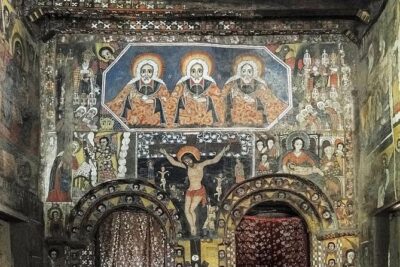 ★ 5.0Lalibela, Axum, Danakil and Omo Valley 8 DAYSFrom $2,05129 reviews
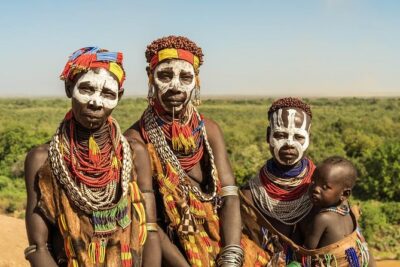 ★ 5.03 Days Omo Valley TourFrom $80024 reviews
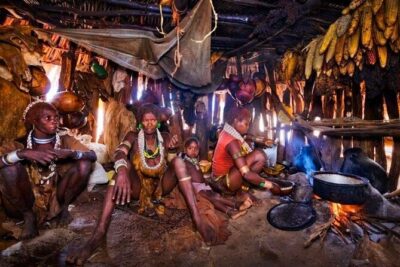 ★ 5.05 Days Omo Valley ToursFrom $75015 reviews
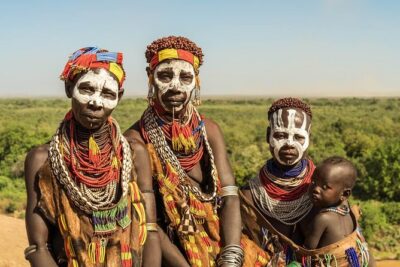 ★ 5.06 Days Lalibela, Omo Valley and HararFrom $1,53815 reviews
 ★ 5.0Private Omo Valley Tours From Addis AbabaFrom $1,89012 reviews
 ★ 5.09 Days Tours To Danakil Depression, Simen MNP, Lalibela With Omo Valley TribesFrom $1,80011 reviews
 ★ 5.05 Day Private tour to the Omo Valley Tribes and Adventure TourFrom $1,29011 reviews
Browse the lists this tour appears in