
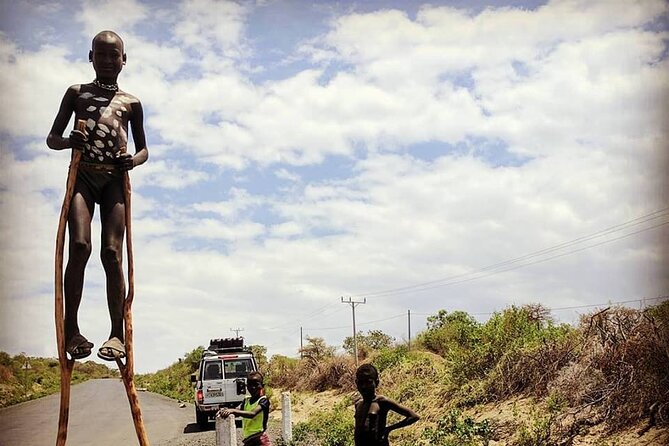
REVIEW · OMO VALLEY CULTURAL TOURS
6 days Omo valley cultural Tour
Tribal life in southern Ethiopia moves fast. I love the local-led feel of this tour, and I also like how it keeps group size small (up to 8) with an English-speaking guide. My only caution is the pace, expect long driving days and a moderate fitness level.
You start early, with pickup offered and a comfortable air-conditioned vehicle handling the big transfers. The day structure is built around key cultural stops and market days, but the price and inclusions list mainly cover breakfast and dinner, so you should confirm how lunch and your lodging are handled for your dates.
In This Review
- Key highlights at a glance
- A 6-Day Omo Valley Route Built for Real Encounters
- Price and Logistics: What $1,250 Gets You (and What to Verify)
- Day 1: Dorze Village near Chencha, Weaving and Bee-Hive Homes
- Day 2: Konso UNESCO Terraces, then Jinka for Ari Life
- Day 3: Mago National Park for Mursi, plus Turmi Markets
- Day 4: Karo Cultural Day, then Turmi for Hammer Traditions
- Day 5: Kara Visits, then Jinka Museum Break for Context
- Day 6: Addis Ababa Shopping and a Farewell Cultural Dinner
- How the Group, Timing, and Driving Shape Your Trip
- Responsible Visiting in the Omo Valley: Practical Ways to Do It Well
- Who This Tour Fits Best
- Should You Book This Omo Valley Cultural Tour?
- FAQ
- What is the duration of the 6 days Omo valley cultural Tour?
- Where does the tour take place?
- How many travelers are on the tour?
- Is pickup included?
- What language support do I get?
- What meals are included?
- Are admissions tickets included?
- What sites and communities does the tour visit?
- Is this tour dependent on weather?
- What is the cancellation window?
Key highlights at a glance

- Max 8 travelers means you spend more time with people, not with crowds
- English-speaking guide helps you understand customs, timing, and what you are seeing
- Konso UNESCO stop adds context, not just photo ops
- Mursi in Mago National Park and Turmi markets deliver one-of-a-kind cultural moments
- Hammer, Karo, Ari, and Dorze visits keep the cultures varied across the 6 days
- Farewell cultural dinner in Addis Ababa wraps the trip with Ethiopian food and drink
More Omo Valley itineraries, reviewed
- 6 Days Omo Valley Tribes Tours From Addis Ababa★ 5.0 · 33 reviews
- 3 Days Omo Valley Tour★ 5.0 · 24 reviews
- 5 Days Omo Valley Tours★ 5.0 · 15 reviews
- 6 Days Lalibela, Omo Valley and Harar★ 5.0 · 15 reviews
A 6-Day Omo Valley Route Built for Real Encounters
This is not a sightseeing-only loop. It is designed for cultural contact across several Omo Valley communities, with a focus on crafts, daily routines, and ceremonial life when timing allows. The operator also says it consults and builds routes based on what you want, and that matters in a region where access and schedules can change.
What I like most is that you are not just “passing through.” You get structured time in places like Dorze, Konso, Jinka, Turmi, and the Lower Omo River area, and the tour is paced in half-day blocks around meaningful moments. You also get market days worked in, which is where you see real exchange, not staged performance.
Price and Logistics: What $1,250 Gets You (and What to Verify)

At $1,250 per person, you are paying for more than transportation. Included are an air-conditioned vehicle, an English-speaking guide, breakfast for 6 days, dinner, and all fees and taxes. You also get pickup offered, group discounts, and a mobile ticket, which makes the “start of the trip” feel smooth instead of chaotic.
The value question for me is not the sticker price, it is what you are actually buying: organized cultural access plus a driver and guide who can make sense of what is happening and help you move efficiently. In a place like Ethiopia’s south, that kind of local coordination can save you headaches.
One thing you should confirm before you pay is what is covered for lunches and how accommodation is handled. The provided inclusions list breakfast and dinner, but it does not say anything specific about lunches or hotel nights. Ask, get it in writing, then you can budget confidently.
Day 1: Dorze Village near Chencha, Weaving and Bee-Hive Homes
Day one starts with an uphill drive toward Chencha to meet the Dorze. This community is part of the Omotic language group in southern Ethiopia, and the tour frames them as farmers and weavers today, not warriors like they once were.
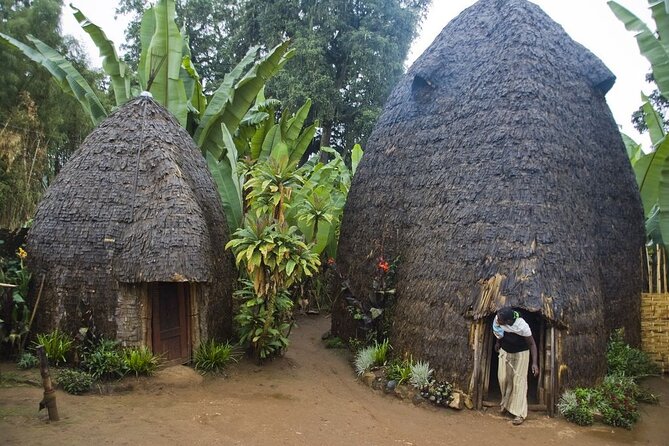
The Dorze stop is the kind of place where you understand craft by seeing the environment. Their bamboo houses are described as tall and bee-hive shaped, up to about twelve meters, with an aristocratic “nose” feature that forms a reception space. Around the homes, you see small gardens with enset (false banana), spices, cabbage, and tobacco.
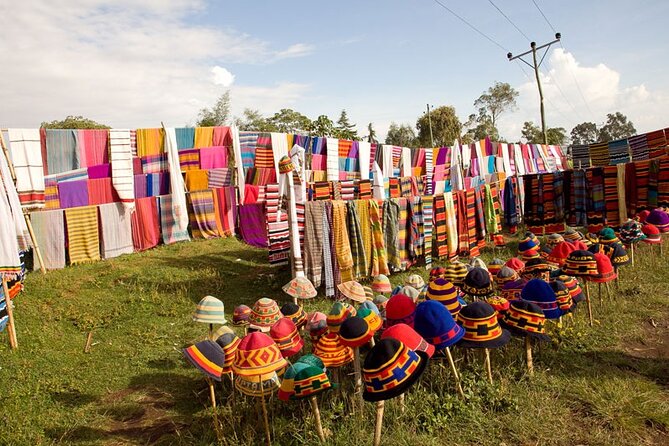
Weaving is the headline here, and the tour specifically notes that Dorze woven cotton cloth is famous, with the Dorze name tied to some of the best products in the region. You will also notice the tour’s attention to everyday habits, including that the Dorze are passionate smokers, which gives the visit a lived-in feel instead of museum energy.
Practical tip: go in with a slow pace mindset. This stop is about learning and looking carefully, not rushing for a checklist of photos.
Day 2: Konso UNESCO Terraces, then Jinka for Ari Life

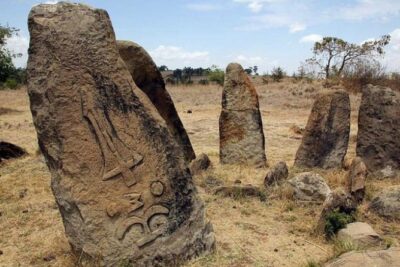
Konso is a UNESCO Cultural Heritage site, and the tour brings you to the stone wall villages and the communal terrace system. This is one of those stops where the “why” behind agriculture matters as much as the visuals. The terrace system is recognized for sustainable communal work, meaning it is not just scenery, it is a system people built together and maintain.
Then you shift toward Jinka for the Ari Village. The tour focuses on daily food preparation and a look at Ari life. It also calls out that the Ari are the most populous group in the middle Omo Valley, and that women often wear skirts made from enset.
A detail I find especially useful: the tour says Ari women are pottery experts. If you only focus on the headwear or body decoration, you can miss the actual skill set that keeps communities functioning. This stop gives you a better chance to see work culture, not just appearance.
More history on the ground
Day 3: Mago National Park for Mursi, plus Turmi Markets
Day three is built around the Mursi during a day trip to Mago National Park, then it swings into Turmi.
For the Mursi, the tour highlights distinctive body adornment, including dramatically expanded lower lips with terracotta and earlobe stretching. It also describes dwellings made from straw leaves and emphasizes their low, simple structures. This combination helps you understand the visual tradition in context, not as random decoration.
In the afternoon, you drive to Turmi, home of the Hamer people. The tour notes that Hammer culture shares similarities with nearby Banna and also has a few traditions connected with Kara. That is a helpful framing, because it reminds you that communities in this region are not isolated islands.
Turmi also brings market energy into the trip. The tour specifies market days: Thursday (Key Afer), and Saturday (Dimeke). If your timing matches, you get to see food and trade in action, which is often more revealing than any single village visit.
Practical tip: market days mean more movement, more talking, and more chance you will be approached. Have your patience ready, and keep your camera discipline tight.
Day 4: Karo Cultural Day, then Turmi for Hammer Traditions
Day four starts with a Karo-focused experience. The tour describes Karo ceremonies as steeped in symbolism, with elaborate headdresses, body scarification, and body painting as forms of self-expression. It also notes that the Karo are an agriculturalist group in the Lower Omo region with fewer than a thousand people, which makes their artistic and symbolic traditions feel even more important as a cultural identity.
The tour description also suggests a broader way to experience the day: guided village time, observation of traditional practices, chances for interactions that respect local etiquette, and a traditional meal. It even mentions sunset views along the Omo River as a typical way to end the cultural exploration. I like this structure because it mixes observation with meaning and then slows down at the end.
In the afternoon you return to Turmi for another Hammer visit. The tour calls out that you might attend the Jumping of the Bulls, described as a traditional Hamer wedding ceremony, if it is happening during your time. Since the tour frames this as conditional, you should treat it like a bonus, not a guarantee.
Practical tip: when ceremonies are involved, keep your expectations flexible. Some days are about what you can see and learn, not about a specific moment on cue.
Day 5: Kara Visits, then Jinka Museum Break for Context
Day five keeps the focus on Karo culture, with special attention on the headdresses, painting, and scarification traditions. The tour text is direct that these expressions have cultural value and symbolism, and that the region’s limited materials do not stop people from expressing meaning through artistry.
After the Kara stop, the day shifts to Jinka, and the tour includes time at the ethnological museum. This is a smart move for your understanding because it gives you a quick framework for Nation and Nationalities of Southern Ethiopia. Even if museums are not your thing, a little background can help you connect the dots between tribes you saw earlier in the week.
The day also includes a drive timed with the Dimeka Market on Saturday, when it aligns with the schedule. Market timing can be a big quality factor in Omo Valley travel, because it changes what your day feels like, busy and communal rather than only village quiet.
Day 6: Addis Ababa Shopping and a Farewell Cultural Dinner
After several days in the south, day six brings you back to Addis Ababa. You get shopping time, and in the evening there is a farewell party with a cultural dinner, traditional special buffet, and local drinks. This final meal is a useful contrast to the tribal visits earlier in the week, and it also helps you close the trip with something familiar: Ethiopian food and social time.
Then you are transferred to the airport for international departure. The tour includes this handoff, which helps you avoid last-day stress when you have international flights to catch.
How the Group, Timing, and Driving Shape Your Trip
This tour runs with a maximum of 8 travelers, which changes the tone immediately. You are more likely to get conversation time, and your guide can adjust pacing when a cultural moment takes longer than expected. Small-group touring also reduces the odds that everyone disappears in different directions.
Start time is 7:30 am, so plan for early mornings. The tour is structured in daily blocks, with each stop having a time window, and the driving between regions can add up. The tour notes a moderate physical fitness level, which usually means you should be comfortable with uneven ground and time outdoors.
Also, the tour depends on good weather. That matters in southern Ethiopia because road conditions and visibility can change. If weather shifts, the operator may adjust what you do, or you could be offered another date if the experience is canceled for poor weather.
Responsible Visiting in the Omo Valley: Practical Ways to Do It Well
Omo Valley trips can be intense, and you will get the best experience if you approach it with respect and patience. The tour itself emphasizes guided visits and local etiquette, but you still control your behavior.
Here is how I think about it:
- Ask before you photograph. Even if you see people dressed for attention, treat it like a request, not a right.
- Keep your questions simple. People often prefer practical curiosity, like how they weave, farm, or make pottery.
- Watch for cues. If a moment feels like work, stay out of the way and let the process continue.
- Be ready for conditional moments. Ceremonies like the Hamer wedding tradition depend on timing, so flexibility improves your day.
This kind of travel is about learning how people live, not collecting proof they exist. When you do it that way, you walk away with more than images.
Who This Tour Fits Best
This is a strong match if you want cultural depth and structured access across multiple Omo Valley communities. If you like heritage sites with context, Konso is a meaningful anchor. If you want variety, the mix of Dorze weaving, Ari daily life near Jinka, Mursi body traditions in Mago National Park, and Karo and Hammer cultural days keeps the week from feeling repetitive.
It is also a good choice if you want a guide who can manage logistics and translation. The tour notes an English-speaking guide, plus air-conditioned vehicle comfort for long stretches.
If you dislike early starts, long drives, and schedule-heavy days, you might find the pace a lot. This is not a slow travel, sit-by-a-waterfall style trip.
Should You Book This Omo Valley Cultural Tour?
I would book it if your priority is a guided, culturally focused route through southern Ethiopia with small-group attention and professional support. The inclusions are meaningful for value, especially when you factor in transportation, English guidance, and that all fees and taxes are covered.
I would hesitate only if you want very open-ended freedom or you are uncomfortable with early mornings and long drives. And before you commit, do one key check: confirm lunches and accommodation details, since the provided inclusions only clearly list breakfast and dinner.
If you like thoughtful travel, respect local etiquette, and you want real insight into Omo Valley cultures rather than a rushed drive-by, this tour fits well.
FAQ
What is the duration of the 6 days Omo valley cultural Tour?
It runs for about 6 days, with activities scheduled each day from a 7:30 am start time.
Where does the tour take place?
The tour is based in Ethiopia, starting in Addis Ababa, with visits in Ethiopia’s Omo region in the south.
How many travelers are on the tour?
The tour has a maximum group size of 8 travelers.
Is pickup included?
Yes, pickup is offered.
What language support do I get?
The tour includes an English-speaking guide.
What meals are included?
Breakfast is included for 6 days, and dinners are included as listed under the included features.
Are admissions tickets included?
Admissions are marked as included for some stops and free for others, such as Ari and several Turmi and Jinka activities listed as free.
What sites and communities does the tour visit?
The tour includes visits such as Dorze Village, Konso Cultural Centre, Jinka (including the Ari), Mago National Park for the Mursi, Turmi for the Hamer, and Karo-related visits, plus an Addis Ababa farewell day.
Is this tour dependent on weather?
Yes. The tour requires good weather, and it can be canceled due to poor weather with an offer of another date or a full refund.
What is the cancellation window?
Free cancellation is available up to 24 hours in advance for a full refund. Changes within 24 hours are not accepted.
Browsing Ethiopia More Widely
- Full Day Tour of Addis Ababa with Hotel Pickup and Drop-off
★ 5.0 · 430 reviews - Addis Ababa: Debre Libanos, Blue Nile Gorge, and Cave Tour
★ 4.5 · 256 reviews - Addis Ababa Guided City Tour With Airport & Hotel Pick Up
★ 5.0 · 237 reviews - Breathtaking Nature, Wildlife and Cave Church Tour – Free Pickups
★ 5.0 · 225 reviews - Full-Day Private City Tour of Addis Ababa
★ 5.0 · 147 reviews
The Rest of the Ethiopia List
- Full Day Tour of Addis Ababa with Hotel Pickup and Drop-off
★ 5.0 · 430 reviews - Taste of Ethiopia
★ 5.0 · 406 reviews - Day Trip From Addis Ababa See Historical Monastery,Stunning Nature,Animals,Birds
★ 5.0 · 303 reviews - Addis Ababa: Debre Libanos, Blue Nile Gorge, and Cave Tour
★ 4.5 · 256 reviews - Addis Ababa Guided City Tour With Airport & Hotel Pick Up
★ 5.0 · 237 reviews
South to the Omo Valley
- 6 Days Omo Valley Tribes Tours From Addis Ababa
★ 5.0 · 33 reviews - 3 Days Omo Valley Tour
★ 5.0 · 24 reviews - 5 Days Omo Valley Tours
★ 5.0 · 15 reviews - 6 Days Lalibela, Omo Valley and Harar
★ 5.0 · 15 reviews - Private Omo Valley Tours From Addis Ababa
★ 5.0 · 12 reviews
Other Ethiopia tours we have written up


Omo Valley Cultural Tours, compared.
 ★ 5.06 Days Omo Valley Tribes Tours From Addis AbabaFrom $1,39933 reviews
 ★ 5.0Lalibela, Axum, Danakil and Omo Valley 8 DAYSFrom $2,05129 reviews
 ★ 5.03 Days Omo Valley TourFrom $80024 reviews
 ★ 5.05 Days Omo Valley ToursFrom $75015 reviews
 ★ 5.06 Days Lalibela, Omo Valley and HararFrom $1,53815 reviews
 ★ 5.0Private Omo Valley Tours From Addis AbabaFrom $1,89012 reviews
 ★ 5.05 Day Private tour to the Omo Valley Tribes and Adventure TourFrom $1,29011 reviews
 ★ 5.09 Days Tours To Danakil Depression, Simen MNP, Lalibela With Omo Valley TribesFrom $1,80011 reviews
Browse the lists this tour appears in