
REVIEW · NORTHERN ETHIOPIA HISTORIC ROUTE
Northern Ethiopia Historic Route
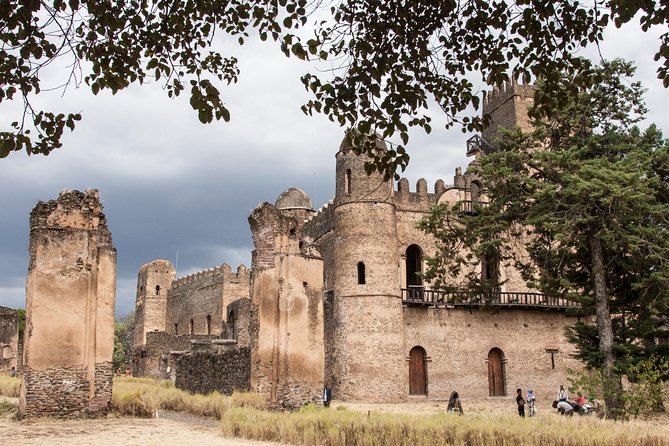
Northern Ethiopia hits different because ancient places are still in use. This 2-day historic route mixes big-city landmarks with the kind of nature you remember. You get a guided run that saves you from guessing what matters and when.
I especially like how the plan pairs major Ethiopian religious and cultural icons with practical viewing time, so you are not stuck in a blur of photos. I also like the early start and private transport, which keeps the days from turning into a long, wandering scramble. One possible drawback: the day begins very early (5:30 am), so it helps if you travel with a flexible sleep schedule and stamina for moderate walking.
In This Review
- Key Highlights You’ll Notice Fast
- Addis Ababa Launchpad: What Makes This Route Work
- Holy Trinity Cathedral: Architecture, Tomb, and Museum Time
- National Museum of Ethiopia: Lucy and More Context Than You Expect
- Mercato Market: One Hour to Feel the City, Not Burn It
- Mount Entoto: Panoramic Views and Flexible Travel Style
- Lake Tana: Islands, Ancient Churches, and Boat Time
- Blue Nile Falls: Village Walk, Scenery, and a Boat Crossing
- Price and Inclusions: Where the $1,000 Goes
- Who This Tour Fits Best (And Who Might Be Happier Elsewhere)
- Should You Book the Northern Ethiopia Historic Route?
- FAQ
- What time does the tour start?
- How long is the Northern Ethiopia Historic Route?
- Is hotel pickup and drop-off included?
- Are admission tickets included?
- Is transportation included?
- Is there a boat ride?
- What’s included in the price, and what is not?
- Is vegetarian food available?
Key Highlights You’ll Notice Fast
- 5:30 am start for maximum daylight and fewer logistics headaches
- Holy Trinity Cathedral and National Museum in one guided city block
- Mercato market time for photos, shopping browsing, and local texture
- Lake Tana boat ride plus visits to ancient church and monastery sites
- Blue Nile Falls village walk and boat crossing for a more grounded experience
The historic route, other itineraries
- 5 Days North Ethiopia Tours★ 5.0 · 23 reviews
- Northern Ethiopia Historic Route★ 5.0 · 12 reviews
- North Ethiopia Round Trip Tours From Addis Ababa★ 5.0 · 11 reviews
- Historical tours – in five days, Addis Ababa, Axum, Laliebla and Gonder★ 5.0 · 9 reviews
Addis Ababa Launchpad: What Makes This Route Work
This tour is built like a sprint through Ethiopia’s most memorable contrasts. You start in Addis Ababa, hit major sights in the morning, and then shift to the water and waterfall scenery on day two. It’s a smart way to get a taste of northern Ethiopia’s historic depth without taking a week off work.
The timing matters. The meeting time is 5:30 am, and the tour runs on a schedule that assumes you will be ready to go. If you hate early mornings, this is your one test. If you are okay with it, you get cleaner light for photos and more time to enjoy each stop instead of rushing.
You also travel with a private group capped at 20, and you have hotel pickup and drop-off plus an air-conditioned minivan. That combination is a big deal in Addis traffic, because you can focus on the sites, not on haggling rides or timing buses. Dress code is listed as formal, so plan to wear clothing that looks respectful for church spaces and museums, not just sightseeing basics.
Finally, the route is designed for weather variability. It is stated to operate in all weather conditions, with the note that if cancellations happen due to poor weather, you either get an alternative date or a full refund. That matters on water-based parts of day two.
Holy Trinity Cathedral: Architecture, Tomb, and Museum Time
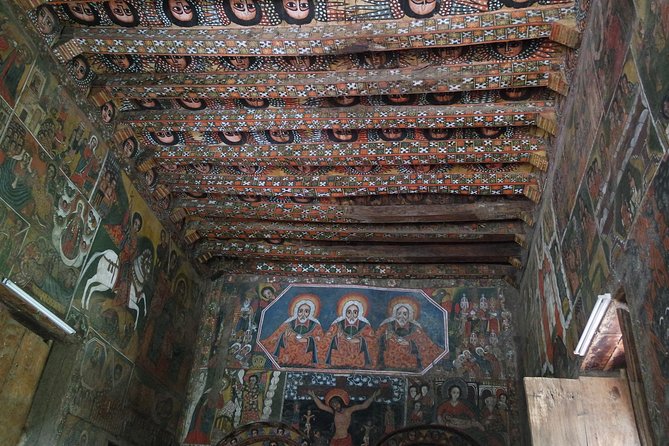
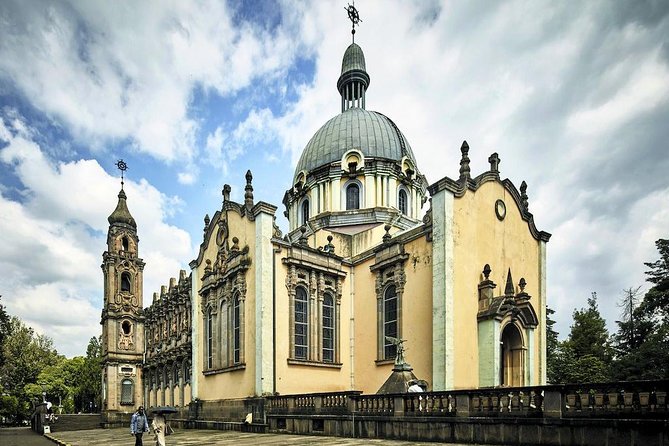
Holy Trinity Cathedral is the kind of place where details reward patience. You spend about an hour here, and the focus is practical: you get a look at the unique architecture, the tomb, and the legacy of Ethiopia’s last emperor. You also see religious paintings and visit a museum connected to the site.
What I like about starting here is that it gives you cultural context before you switch to museums and markets. Ethiopia’s Christian heritage is not just “something to watch,” it is part of daily identity. Even if you are not chasing religious symbolism, you will likely notice how much art, structure, and storytelling all interlock in one building complex.
A practical tip: because the dress code is formal, bring layers that look sharp but also work in the morning. Cathedral interiors can feel cooler or more enclosed than the street, so being prepared helps you stay comfortable through the hour.
National Museum of Ethiopia: Lucy and More Context Than You Expect
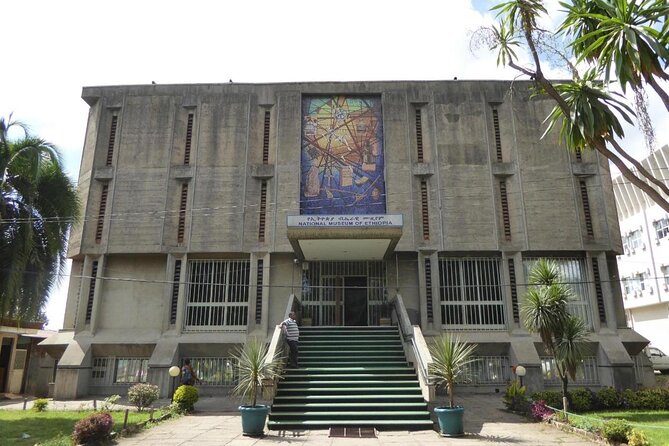
Next comes the National Museum of Ethiopia, with another about one-hour stop. You will see the famous female skeleton of Lucy plus other objects that reflect Ethiopia’s history, culture, and natural world.
This is a strong pairing with Holy Trinity. One hour at each place is enough to get oriented and to leave with a mental map of what Ethiopia wants you to notice: deep time, local identity, and how the country’s story connects humans to place.
If you care about learning, this stop is your anchor. The museum format is straightforward, and the time block is long enough to move at a calm pace with your guide instead of sprinting. If you do not love museums, do not worry, the presence of Lucy gives you a clear reason to pay attention, even during busy moments.
Mercato Market: One Hour to Feel the City, Not Burn It
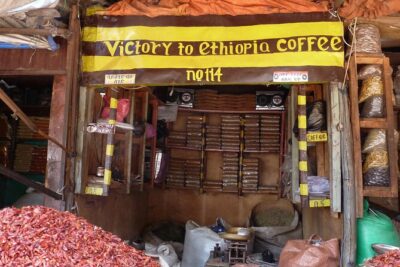
Then you switch gears to Mercato Market. This is described as one of the largest open-air markets in Africa, and you spend about one hour walking and exploring the most interesting parts, with time to take pictures.
This stop is valuable for two reasons. First, it breaks up the museum-and-cathedral sequence. Second, it gives you that everyday Ethiopia texture you cannot replicate from a bus window. Even if you do not buy much, walking through a large open-air market is a fast way to understand how trade shapes daily life.
Practical advice: keep your camera ready but your schedule simple. One hour is not long enough to bargain, shop, and fully browse everything, so focus on photos, quick stops, and the “feel” of the place. Also, markets are active and can be loud and crowded, so keep your wallet and phone secure and move with purpose.
More history on the ground
Mount Entoto: Panoramic Views and Flexible Travel Style
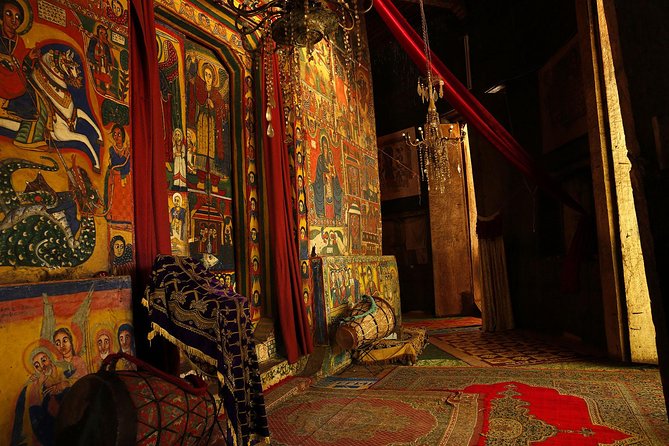
You end day one with Mount Entoto, with about 30 minutes for a panoramic look over Addis Ababa. The plan gives you a choice: climb up or drive with the car.
This is a smart timing decision. It is short, but it gives you a different perspective than street-level city sights. Views also help your brain connect the dots. After museums and markets, you start to understand how the city sits and spreads, which makes everything else feel less random.
If you choose to climb, wear sturdy shoes and take it slow. If you choose to drive, you still get the payoff without turning this tour into a long hike. Either way, this is the stop that often turns a “historic tour” into a “memory tour.”
Lake Tana: Islands, Ancient Churches, and Boat Time

Day two shifts from Addis to Lake Tana area, and it is designed as a longer block of sightseeing. Lake Tana is described as Ethiopia’s largest lake, with 37 islands, and around 22 ancient churches and monasteries on those isolated islands. You spend about four hours here, including visits to some of the holy places, plus time to spot birds and hippos on the lake.
The real value here is the blend of nature and heritage. You are not just looking at a lake, you are looking at how people built spiritual life into remote islands. A four-hour segment gives enough time for the boat rhythm, site visits, and a pause to enjoy the water instead of ticking boxes nonstop.
The itinerary also specifies a boat ride is included in the overall package, so expect time on the water as part of your day. Pack for mild sun and cool moments. Even if the air feels fine at the start, lake air can shift quickly, and you may end up standing or moving slowly in open areas.
One more practical note: this is a tour with moderate walking. At Lake Tana, you might walk on uneven paths around churches or approaches to viewpoints, so comfortable shoes matter more than fashion.
Blue Nile Falls: Village Walk, Scenery, and a Boat Crossing

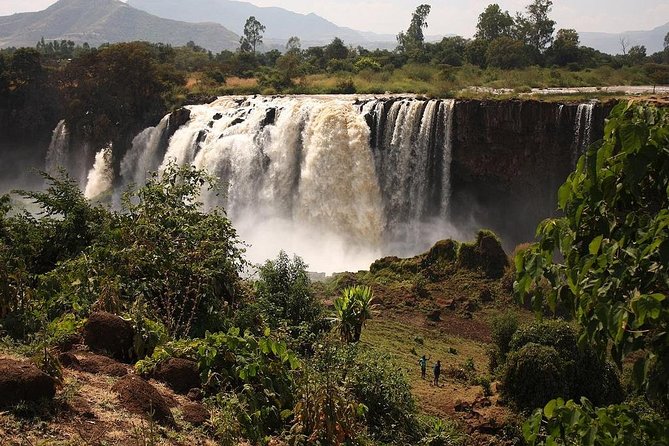
After Lake Tana, you go to the Blue Nile Falls, located around 36 km from Bahirdar city. You spend about four hours, which includes walking through a village to the falls and then admiring countryside scenery. You also cross the famous Blue Nile river with a boat.
This is a great “movement stop.” It is not just a viewpoint. You walk, you see daily life from the village path, and you end up at the falls with the river experience fresh in your head. The boat crossing is important because it changes how you perceive the river. You feel it as a feature of travel and daily geography, not only as a distant photo subject.
Practical tip: bring a plan for water and splash. Even if the falls are not right at you the whole time, the mist can travel, and you will likely come away with dampness near the viewing points. Dry socks are not listed, so manage expectations and plan light, washable clothing.
Price and Inclusions: Where the $1,000 Goes
The price is $1,000 per person for an approximately 2-day private experience. At first glance, it sounds pricey, but Ethiopia costs can add up fast when you include transport, guides, tickets, and water access logistics.
Here is what is included in the package:
- Accommodation as per the itinerary
- National park fees
- Bottled water
- Local guide
- Hotel pickup and drop-off
- Transport by air-conditioned minivan
- Coffee and/or tea
- Boat ride
- Professional driver service
- Breakfast (3)
And what is not included:
- Meals
- Alcoholic drinks (available to purchase)
- Tips
- Laundry expense
- Excess luggage charges (where applicable)
- International travel insurance
What you should take from this is simple: you are paying for guided time, tickets, and the “mechanics” of getting around. The big missing piece is meals, so you should budget for at least lunches and dinners on your own. If you expect the tour price to cover everything food-related, this is where you could feel surprised.
Another small but real point is that bottled water and coffee or tea are included. Those extras matter on long sit-and-walk days, especially when you are out at dawn and then again at water sites.
Who This Tour Fits Best (And Who Might Be Happier Elsewhere)
This tour is designed for most travelers, and it is described as a private activity with a max group size. It is also not recommended for pregnant women. There is a moderate amount of walking involved, so you should be comfortable with short walks and uneven surfaces at at least one or two stops.
If you like structured days where you still get time to look and take photos, you will probably enjoy this. Each block is time-boxed, which keeps you from losing a whole day to transit uncertainty.
If you hate early mornings, or if you prefer to wander without guidance, this might feel too scheduled. The dress code being formal also means you need to pack a bit more thoughtfully than a typical casual city tour.
Lastly, Ethiopia travel often comes down to coordination, and this operator’s track record is centered on careful planning and professional driver service. In particular, the name Alex M. shows up as an organizer in past trips, and Charlie is mentioned as a driver-guide in northern Ethiopia planning. That matters because it usually translates to on-time pickups and less chaos behind the scenes.
Should You Book the Northern Ethiopia Historic Route?
I think you should book it if you want a focused, guided intro to northern Ethiopia vibes, starting with Addis Ababa’s big historic and museum stops and ending with the emotional punch of Lake Tana and the Blue Nile Falls. The schedule is tight, but it is also realistic for a 2-day window.
I would skip or rethink it if you are sensitive to early mornings, you dislike guided time blocks, or you want meals fully included and handled for you. Since meals are not included, add that cost and planning effort into your decision.
If you do book, do two things that improve your experience immediately: wear formal outfits that you can comfortably move in, and bring sturdy shoes for moderate walking at the water and church stops.
FAQ
What time does the tour start?
The meeting time is 5:30 am.
How long is the Northern Ethiopia Historic Route?
It runs for about 2 days.
Is hotel pickup and drop-off included?
Yes. Hotel pickup and drop-off are included.
Are admission tickets included?
Yes. Admission tickets are included for the stops listed in the itinerary, including Holy Trinity Cathedral, the National Museum of Ethiopia, and the major day two sites.
Is transportation included?
Yes. You travel by air-conditioned minivan, and there is a professional driver service.
Is there a boat ride?
Yes. A boat ride is included (and the Lake Tana section is specifically tied to the lake visits).
What’s included in the price, and what is not?
Included: accommodation, national park fees, bottled water, local guide, pickup and drop-off, air-conditioned transport, coffee or tea, boat ride, professional driver service, and breakfast (3). Not included: meals, alcoholic drinks, tips, laundry, excess luggage charges, and international travel insurance.
Is vegetarian food available?
Yes. A vegetarian option is available if you advise at booking.
Ethiopian History on the Ground
- Day Trip From Addis Ababa See Historical Monastery,Stunning Nature,Animals,Birds
★ 5.0 · 303 reviews - Hidden Treasures of Addis Ababa – Food, Culture and History Tour
★ 5.0 · 57 reviews - 5 Days Tour to World Heritage–listed Harrar, Dire Dawa and Awash NATIONAL PARK
★ 4.5 · 10 reviews - DAY TRIP TO THE UNESCO HERITAGE SITE TIYA & Melka Kunture
★ 4.5 · 10 reviews - Historical tours – in five days, Addis Ababa, Axum, Laliebla and Gonder
★ 5.0 · 9 reviews
The Rest of the Ethiopia List
- Full Day Tour of Addis Ababa with Hotel Pickup and Drop-off
★ 5.0 · 430 reviews - Taste of Ethiopia
★ 5.0 · 406 reviews - Day Trip From Addis Ababa See Historical Monastery,Stunning Nature,Animals,Birds
★ 5.0 · 303 reviews - Addis Ababa: Debre Libanos, Blue Nile Gorge, and Cave Tour
★ 4.5 · 256 reviews - Addis Ababa Guided City Tour With Airport & Hotel Pick Up
★ 5.0 · 237 reviews
Riding the Historic Route
- 5 Days North Ethiopia Tours
★ 5.0 · 23 reviews - North Ethiopia Round Trip Tours From Addis Ababa
★ 5.0 · 11 reviews - Historical tours – in five days, Addis Ababa, Axum, Laliebla and Gonder
★ 5.0 · 9 reviews - North Ethiopia Tours 12 Days From Addis Ababa
★ 5.0 · 8 reviews - Historical-tour Lalibela Gonder & Bahir Dar
★ 5.0 · 5 reviews
Other Ethiopia tours we have written up



Northern Ethiopia Historic Route, compared.
 ★ 5.05 Days North Ethiopia ToursFrom $1,25023 reviews
 ★ 5.0North Ethiopia Round Trip Tours From Addis AbabaFrom $1,58811 reviews
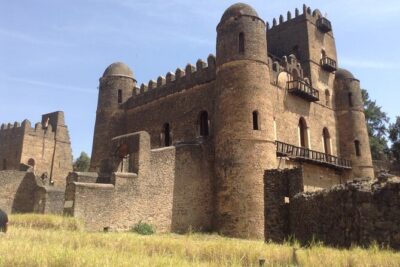 ★ 5.0Historical tours – in five days, Addis Ababa, Axum, Laliebla and GonderFrom $1,3949 reviews
 ★ 5.05-Day Northern Ethiopia Tour : 3D Simien Mountains Trek & Axum.From $4719 reviews
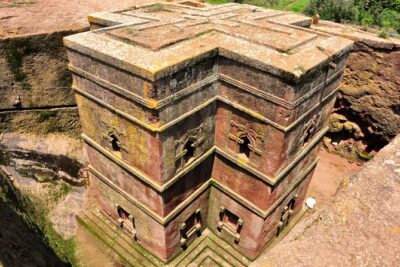 ★ 5.0North Ethiopia Tours 12 Days From Addis AbabaFrom $2,2888 reviews
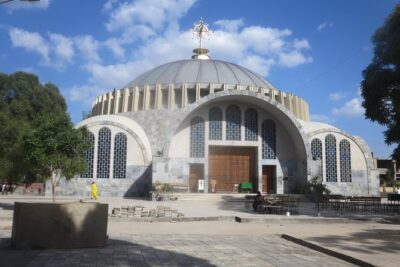 ★ 4.5Northern Ethiopia & Trekking Simien Mountains , 10 DaysFrom $2,3585 reviews
★ 5.05 Days North Ethiopia ToursFrom $1,3205 reviews
★ 4.5Northern Ethiopia & Trekking Simien Mountains , 10 DaysFrom $2,3585 reviews
★ 5.05 Days North Ethiopia ToursFrom $1,3205 reviews
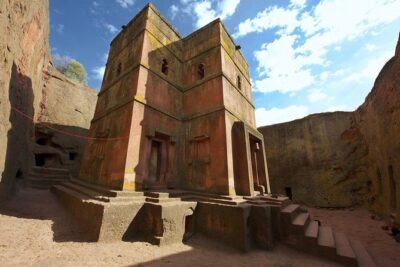 ★ 5.0Historical-tour Lalibela Gonder & Bahir DarFrom $1,0835 reviews
Browse the lists this tour appears in