
REVIEW · LALIBELA TOURS
Historical-tour Lalibela Gonder & Bahir Dar
Rock churches and Nile stories, five days in motion. I love the mix of Lake Tana island monasteries and the chance to get inside Ethiopia’s most famous rock-hewn churches in Lalibela. I also like that the route is planned around long travel days so you spend real daylight at the sights, not just in transit. The main drawback to consider is the pace: you’re dealing with long drives, an early start (6:00 am), and a moderate physical level thanks to uneven terrain and lots of steps in historic sites.
This is a private tour run by Walk in Ethiopia Tour and Travel, and it includes domestic flights plus meals, so you avoid the headache of stitching together parts of the trip yourself. You’ll also get a mobile ticket, with pickup offered from the Addis Ababa side before the first flights and transfers.
In This Review
- Key things that make this tour worth your time
- Your launch point in Addis Ababa, and why that early start matters
- Lake Tana and its monasteries: water time that actually feels meaningful
- The drive to Gondar, 180 km of Amhara life
- Gondar’s Royal Enclosure, the Camelot idea, and why Fasiledes still matters
- Getting to Lalibela: long drive time, but with villages along the way
- Lalibela’s rock-hewn churches: the groups tell a story
- Earthly Jerusalem first, then the Ark and St. George
- Expect physical effort, plan for time, and slow down
- Admission pattern
- How the meals and included nights affect your comfort
- Price and value: why $1,083-ish can still feel fair here
- What to pack and how to handle the moderate fitness requirement
- Who this tour suits best, and who should rethink it
- Should you book this Lalibela, Gondar, and Bahir Dar tour?
- FAQ
- Where does the tour start, and what time?
- Is pickup included?
- How long is the tour?
- Is this a private tour or shared group?
- What domestic flights are included?
- What meals are included?
- Are admission tickets included?
- What is the cancellation policy?
Key things that make this tour worth your time
- Lake Tana by boat, including visits to Kidanemihiret and Azwa Mariam monasteries, plus sunset views over the water
- Gondar’s Royal Enclosure, home to the Fasiledes castles and the Royal complex described as the only Camelot in Africa
- Timket connections, since Fasiledes pool is still used for Epiphany celebrations
- Lalibela church groupings, with the 1st and 2nd groups tied to Earthly Jerusalem, then the 3rd group tied to St. George and the Ark story
- Private, guide-led pacing, so you can ask questions while moving through each site instead of wandering alone
The historic route, other itineraries
- 5 Days North Ethiopia Tours★ 5.0 · 23 reviews
- Northern Ethiopia Historic Route★ 5.0 · 12 reviews
- North Ethiopia Round Trip Tours From Addis Ababa★ 5.0 · 11 reviews
- Historical tours – in five days, Addis Ababa, Axum, Laliebla and Gonder★ 5.0 · 9 reviews
Your launch point in Addis Ababa, and why that early start matters
The experience starts at Bole Airport in Addis Ababa at 6:00 am. That early time is not just a schedule detail, it shapes your whole day. You get the day’s travel out of the way so you’re not arriving at Bahir Dar late, tired, and missing prime light for Lake Tana.
Because this is a private tour, the timing feels more controlled. You’re not sharing the day with a big busload, which helps in places where crowds can slow your pace. Also, pickup is offered, which usually means fewer moving parts for you the first morning.
You should also plan around a day that includes flights and land travel, not just sightseeing. The tour is set up so you can cover three major regions in about five days, but it does ask for patience and flexibility.
Lake Tana and its monasteries: water time that actually feels meaningful
Lake Tana is Ethiopia’s largest lake, and this trip uses that fact well. After check-in in Bahir Dar, you’ll head out by boat and visit two monastery islands: Kidanemihiret and Azwa Mariam. This is one of those experiences where the setting does half the work. The churches are important, but being on the lake, moving by water instead of road, changes how the day feels.
What I especially like here is the way the day ends. You finish with a sunset over the lake, which gives you a softer, calmer moment after the earlier travel. It’s a good payoff, and it helps the experience avoid that common Ethiopia-travel problem where everything is all sharp edges and no breathing space.
One practical note: since the day includes boat time, you’ll want to dress for comfort. Bring layers you can adjust as the breeze changes. Also, if you care about photos, plan how you’ll protect your phone or camera around water exposure, even though specific camera fees are not included.
This day includes an admission ticket, so you’re not stuck guessing what else you might need to pay once you arrive.
The drive to Gondar, 180 km of Amhara life
Gondar is a classic Northern Ethiopia stop, and this tour gets you there by car through rural areas. After breakfast, you continue north to Gondar, and the road is described as 180 km of asphalted travel. That matters because it’s a smoother ride than you might expect for parts of Ethiopia, and it helps you arrive with enough energy to start sightseeing.
Along the way, you get “wonderful insight” into Amhara culture via the villages you pass. You’re not doing a market tour, but the route itself is part of the story. It’s the difference between seeing Gondar only from a hotel window and actually connecting the city to the surrounding life.
Once you arrive and settle into your hotel, you’ll do lunch and then jump into the big sights of Gondar. The overall flow is efficient: travel in the morning, then concentrate on the Royal enclosure and churches before the day cools off.
Gondar’s visit is set up with admission listed as free for this day, which helps with overall value. You’re still paying for your time and guidance, but you’re not getting surprised by extra entry fees for that part of the program.
Gondar’s Royal Enclosure, the Camelot idea, and why Fasiledes still matters
Gondar’s headline site is the Royal enclosure, described here as the only Camelot in Africa, made up of six castles associated with King Fasiledes. Even if you roll your eyes at medieval marketing names, the underlying point is solid: this is a monumental royal compound, and it’s a rare chance to see how power was built in stone in Ethiopia.
Inside the area, you’ll visit the castles of Fasiledes, plus several other buildings. The guide-led pacing is important because these sites can blur together if you’re just reading signs. With help, you can better follow what you’re looking at, and why the layout reflects the kingdom’s rule.
Two details I’d highlight from this tour approach are very specific:
- Fasiledes pool, still used for Timket celebrations today (Epiphany). That link between past and present gives the site more weight than a stop that’s only about ruins.
- Debre Birihan Sillasie church, known for one of Ethiopia’s famous ceilings. This is the kind of spot you might rush past on your own, but with time and context, ceilings can become a main attraction.
If you’re the type who loves architecture and symbolism, Gondar is where you’ll feel at home. If you’re more of a nature-first traveler, you’ll still get plenty of interest, but you should recognize Gondar is about human structures and royal legacy, not sweeping views.
More of Lalibela, reviewed one by one
Getting to Lalibela: long drive time, but with villages along the way
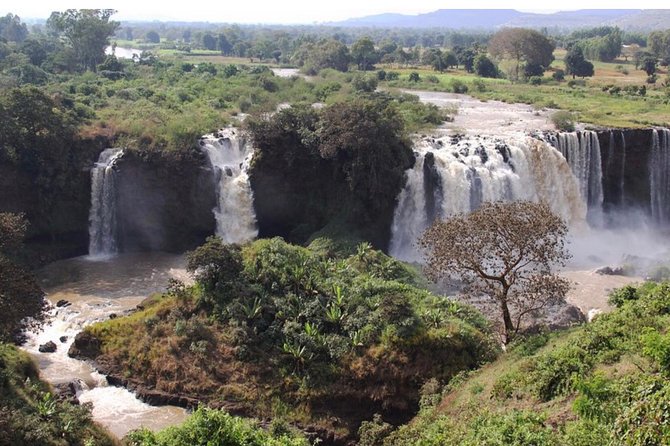
Day 3 is a major transition day. You’ll take a full day drive to Lalibela, and the schedule calls out about 10 hours of driving time. This is the part of the trip where you need to be mentally ready: it’s not a quick hop, and it can feel like a lot if you’re expecting constant stops.
But the tour doesn’t treat the drive as dead time. You’ll pass through different small villages, which helps you break up the monotony. In a region like Northern Ethiopia, the roadside environment can change your understanding of the places you’re about to see later.
Where this can also be a consideration is energy. When you arrive in Lalibela, you’re going to want a comfortable landing. The tour handles overnight in a Lalibela hotel, so you’re not forced into an all-day stretch that ends with you trying to find your way around in the dark.
Since this day includes an admission ticket, it’s also set up so that once you arrive, you’re not just traveling, you’re moving into the core experience.
Lalibela’s rock-hewn churches: the groups tell a story

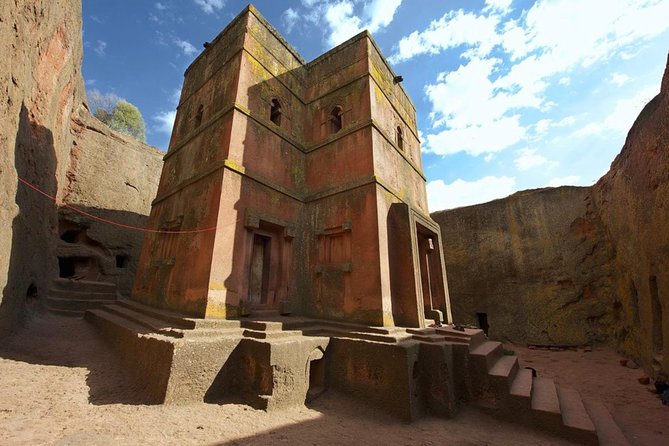
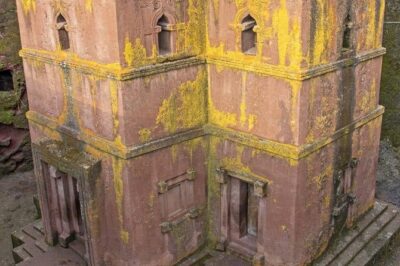
Lalibela is famous for a reason, and this tour structures the visits in a way that helps you follow the logic. You’ll visit the 11 rock-hewn churches, split across the first and second days in Lalibela, so you get both coverage and a steadier pace.
Earthly Jerusalem first, then the Ark and St. George
On one of your Lalibela days, you start in the morning with the 1st and 2nd group of rock-hewn churches. They’re described as symbolized by Earthly Jerusalem. That naming matters, because it gives you a framework for what you’re seeing. Instead of treating each church as an isolated structure, you’re encouraged to connect groups and symbolism.
After lunch, you then go to the 3rd group, described as linked to the Ark of Noah story and called St. George. This structure of the day can help you notice details you would otherwise miss, since you’re not just ticking off buildings. You’re mentally grouping them.
Expect physical effort, plan for time, and slow down
Rock-hewn churches are not smooth, modern attractions. Even when the tour is managed well, you should expect walking on uneven ground and moving in and out of stone interiors with steps. This matters because the tour lists a moderate physical fitness level requirement.
So my practical advice is simple: wear grippy shoes, bring water as allowed by your day plan, and give yourself permission to slow down inside the churches. The best photos and the best understanding often happen when you’re not in a sprint.
Admission pattern
For the Lalibela day that lists admission included, you’ll see the key sights as part of the package. On the other Lalibela day, admission is listed as free. In practice, that usually means you’re less likely to have to line up and pay separately during the visit.
And because photography fees are not included, be prepared for the possibility that certain camera or photo charges may come up on-site. If you care about shooting a lot, ask early what’s permitted and whether any fees apply to your gear.
How the meals and included nights affect your comfort
This tour includes dinner and three breakfasts, which is a big deal when you’re moving across regions quickly. When you’re in a place like Lalibela, where timing matters and services can be uneven, having dinner handled reduces stress. You can focus on the churches, not on where you’ll find an open restaurant that works for your schedule.
Overnight stays are arranged in Bahir Dar (Lake Tana area), then Gondar, then Lalibela. Those three bases also help you avoid the problem of spending every night on the move. Even with long driving days, you have stable places to reset.
One thing to watch: alcoholic drinks are not included, so budget accordingly if that’s part of your dinner routine.
Price and value: why $1,083-ish can still feel fair here
The listed price is $1,083.21 per person, booked on average about 5 days in advance. For a five-day tour covering multiple regions, the value hinges on what’s bundled.
Here’s what you do get:
- Domestic flights: Addis Ababa to Bahir Dar, and Lalibela back to Addis Ababa
- Guided touring across Bahir Dar, Gondar, and Lalibela
- Meals: dinner and three breakfasts
- Admission ticket support on certain days
- Pickup offered and a mobile ticket
What you don’t get:
- International travel and other domestic flights you might need to connect
- Alcoholic drinks
- Photo and camera fees
- Personal items
If you tried to replicate this on your own, you’d likely spend real money on domestic flights and then still need guides or local drivers to do the church complex properly and keep the day flowing. This is why I see the price as mostly about reducing decision fatigue. You’re buying a structured route that moves you from site to site without you having to negotiate each leg.
The other value angle is time efficiency. The tour compresses big distances into five days, which is attractive if you can’t spare two weeks in Northern Ethiopia.
What to pack and how to handle the moderate fitness requirement
Because you’ll be moving through historic sites and spending time on the water, pack for comfort and consistency. The tour asks for moderate physical fitness, so think about:
- Shoes that handle stone and uneven surfaces
- Layers for changes in temperature, especially around early mornings and water-based time
- A plan for water and basic snacks if your guide allows it during transfer gaps
Also, since photography fees are not included, be ready that you might need small amounts of cash or payment flexibility on-site depending on the church rules for your camera.
If you’re prone to motion sickness, consider that you have both boat time and long road hours. Bring whatever works for you, because you’re not going to want to spend the Lalibela build-up feeling rough.
Who this tour suits best, and who should rethink it
This tour is a strong fit if you:
- Want a structured introduction to Bahir Dar, Gondar, and Lalibela without juggling logistics
- Prefer guided context in historic sites, especially when symbolism is part of what you’re seeing
- Can handle a long driving day and a moderate activity level
It might be less ideal if you:
- Want minimal transit time, since the day to Lalibela includes about 10 hours of driving
- Struggle with steps or uneven ground in stone churches
- Plan to spend every moment photographing without checking whether camera fees apply
Should you book this Lalibela, Gondar, and Bahir Dar tour?
I’d book it if your goal is to see Northern Ethiopia’s big historical hits with minimal friction. The best reason is the structure: domestic flights are included, meals are covered, and the church visits are planned in a way that makes the place easier to understand, not just harder to pronounce.
If you’re deciding between this and a looser DIY approach, think about what you want your time to be spent on. This tour is built for your time to go into Lake Tana monasteries, Gondar’s royal compound, and Lalibela’s rock-hewn churches, not into working out transport and entrances day by day.
Before you lock it in, I’d do two quick checks in your own planning: confirm what camera fees might apply to your gear, and be honest with yourself about whether moderate fitness matches your comfort level on stone steps. If that sounds fine, you’ll likely find this a smart, efficient way to experience Ethiopia’s heartland.
FAQ
Where does the tour start, and what time?
The tour starts at Bole Airport in Addis Ababa, Ethiopia at 6:00 am.
Is pickup included?
Yes, pickup is offered.
How long is the tour?
The duration is 5 days (approximately).
Is this a private tour or shared group?
This is a private tour/activity, and only your group will participate.
What domestic flights are included?
Domestic flights are included from Addis Ababa to Bahir Dar, and from Lalibela to Addis Ababa.
What meals are included?
Dinner is included, along with breakfast on 3 days.
Are admission tickets included?
Admission tickets are included on some days (like Lake Tana and the main Lalibela day), and other days are listed as free for admission. Photograph and camera fees are not included.
What is the cancellation policy?
Free cancellation is available. You can cancel up to 24 hours in advance for a full refund.
Gondar, Castle Town
- Historical tours – in five days, Addis Ababa, Axum, Laliebla and Gonder
★ 5.0 · 9 reviews - Private Tour in Gondar City with Pickup
★ 5.0 · 5 reviews - 5 Day Addis,Bahir Dar,Gondar,Simien Mountains and Lalibela Tours
★ 5.0 · 4 reviews
Lalibela, Reviewed
- 12 Days SIMIEN MOUNTAIN-LALIBELA-DANAKIL-TIGRAY CHURCHES
★ 5.0 · 45 reviews - 5 DAYS Lalibela, Axum, Tigray churches and Danakil
★ 5.0 · 34 reviews - Danakil Depression and Lalibela 5 Days Tours
★ 5.0 · 28 reviews - 5 DAYS Axum, Lalibela, Tigray churches and Danakil
★ 4.5 · 22 reviews - 6 Days Lalibela, Omo Valley and Harar
★ 5.0 · 15 reviews
Riding the Historic Route
- 5 Days North Ethiopia Tours
★ 5.0 · 23 reviews - Northern Ethiopia Historic Route
★ 5.0 · 12 reviews - North Ethiopia Round Trip Tours From Addis Ababa
★ 5.0 · 11 reviews - Historical tours – in five days, Addis Ababa, Axum, Laliebla and Gonder
★ 5.0 · 9 reviews - North Ethiopia Tours 12 Days From Addis Ababa
★ 5.0 · 8 reviews
Other Ethiopia tours we have written up


Lalibela Tours, compared.
 ★ 5.012 Days SIMIEN MOUNTAIN-LALIBELA-DANAKIL-TIGRAY CHURCHESFrom $1,64145 reviews
 ★ 5.0Visiting Lalibela churchesFrom $20040 reviews
 ★ 5.0Tour 11 monolithic rock churches & museum in Lalibela & cave church with mummiesFrom $35537 reviews
 ★ 5.05 DAYS Lalibela, Axum, Tigray churches and DanakilFrom $1,02534 reviews
 ★ 5.06 Days tour Package (Simien Mountains, Lalibela, and Danakil Depression)From $1,43532 reviews
 ★ 5.0Lalibela, Axum, Danakil and Omo Valley 8 DAYSFrom $2,05129 reviews
 ★ 5.0Danakil Depression and Lalibela 5 Days ToursFrom $95028 reviews
 ★ 5.0Rock Churches of Lalibela Guided TourFrom $4627 reviews
Browse the lists this tour appears in