

REVIEW · OMO VALLEY CULTURAL TOURS
6-Day Omo Valley Cultural Private Tour
Lower Omo is where you trade big monuments for real village life, and this private trip is built for close, respectful encounters, including a guest-style visit to a family home. I also like the way the route mixes culture with nature, starting at Lake Chamo for wildlife and then moving into the tribal heartland. One thing to consider up front: this is not a slow, luxury-paced tour, long drives and early starts are part of the deal, and lunch and dinner are not included.
You’ll be traveling with a dedicated car and a guide, plus pickups from Bole Addis Ababa International Airport at 8:00 am. It’s priced at $500 per person for about 6 days, and the best value comes from what’s included: accommodation, entrance fees, government tax, and a bottle of water during the tour.
In This Review
- Key highlights you should care about
- Why Lower Omo here feels personal, not staged
- Price and value: what $500 actually buys
- Getting started right: 8:00 pickup at Bole Airport
- Arba Minch first: Lake Chamo hippos and Nech Sar zebras
- Market days in Weyto, Erbore, and Key Afar: see trade where it happens
- Turmi and the Hamer world: evangadi dancing and Karo painting
- Jinka to Konso: museum time, then wakas on honor and terracing
- Arba Minch, Chencha mountains, and Dorze weaving before your flight
- The real value: a guide who keeps things human and organized
- What to pack and how to act, so the visit stays respectful
- Who should book this Omo Valley private tour
- Should you book it?
- FAQ
- Where does this tour start?
- Is this a private tour?
- How much does the tour cost?
- What is included in the price?
- What is not included?
- How long is the tour?
- Is a mobile ticket provided?
- What if the weather is poor?
- Can service animals travel with me?
Key highlights you should care about

- Family-home style interaction that focuses on daily life, not just quick photo stops
- Market days on specific weekdays, which means you catch trading and social energy when it actually happens
- Hamer evangadi night dancing, plus a clear look at village structure and materials
- Lake Chamo and Nech Sar National Park, including a boat ride with hippos and wildlife drives
- Konso wakas (wooden honor statues) and terracing, tied to real local history and agriculture
- Dorze weaving country, with practical shopping for wool and cotton textiles
More Omo Valley itineraries, reviewed
- 6 Days Omo Valley Tribes Tours From Addis Ababa★ 5.0 · 33 reviews
- 3 Days Omo Valley Tour★ 5.0 · 24 reviews
- 5 Days Omo Valley Tours★ 5.0 · 15 reviews
- 6 Days Lalibela, Omo Valley and Harar★ 5.0 · 15 reviews
Why Lower Omo here feels personal, not staged
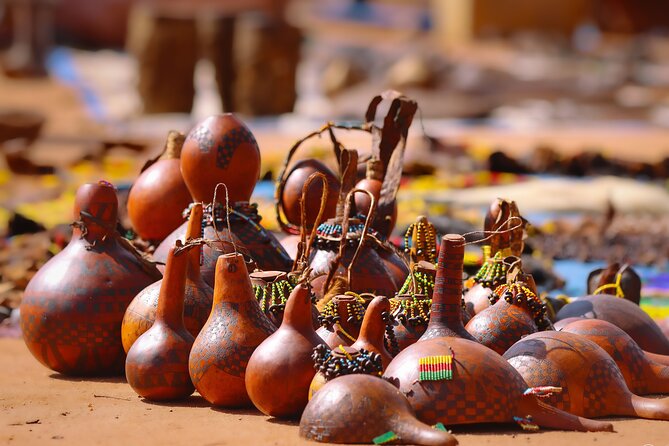
Lower Omo is famous for cultural variety, but the smarter way to see it is through routines: how people build homes, how families organize daily life, and how skills show up in art. This tour’s standout strength is that it is designed for interaction with locals, including time spent as a guest in a family house. That kind of access matters because it shifts the trip from sightseeing to understanding.
I also like that the focus stays on what people create and carry in their own way, not on what outsiders think they should wear. You get detailed impressions of specific groups, like the Hamer, whose appearance, hairwork, and village setup reflect pride in identity. You’ll see how little “western” material influence plays a role in some areas, and it changes the feel of the whole trip.
The downside is also real: you’re going to witness practices that are intensely local and sometimes visually striking, and you need to be mentally ready for that. Keep your expectations respectful, and let the moment be what it is.
Price and value: what $500 actually buys
At $500 per person, this is not a budget “camping tour,” but it can be good value for Ethiopia, especially because several big costs are already bundled. You get a car with driver, a guide, accommodation, entrance fees, government tax, and a bottle of water during tour hours.
What’s not included is just as important. Lunch and dinner are on you, and laundry service is not included. That means your daily spending plan should account for meals while you’re on the road and evenings at the lodges.
To decide if it’s a fair deal for you, think about what you would otherwise pay if you booked each piece separately: transportation between remote regions, guided visits, and accommodation can add up quickly. A private format also helps, because you’re not stuck with a mixed-pace group when you want to ask questions or take a slower look at something.
Getting started right: 8:00 pickup at Bole Airport
Your trip begins at Bole Addis Ababa International Airport, with a start time of 8:00 am. You’ll be picked up and handled with a private setup, and the tour uses a mobile ticket. That last detail sounds small, but it helps keep things smoother once you’re juggling flights, paperwork, and rural connections.
You should also expect a straightforward end to the trip: the experience ends back at the meeting point. Service animals are allowed, and the tour notes that most travelers can participate. Still, this is a hands-on culture itinerary, so you’ll want to be comfortable with basic travel conditions outside the city.
Arba Minch first: Lake Chamo hippos and Nech Sar zebras

The early part of the circuit is a smart contrast. Instead of going straight into village visits, you start with Arba Minch and the nearby wildlife experience. After you fly to Arba Minch, you’re picked up from the airport, checked into your hotel, and then head out for a boat trip on Lake Chamo.
The boat ride is where you get a classic Omo highlight: you may spot local hippos on the water along the way. Even if you don’t see them instantly, the rhythm of a boat outing on Lake Chamo is part of the experience. After that, you cross toward Nech Sar National Park for a drive inside the park to look for wildlife, including zebras.
This segment is valuable for two reasons. First, it resets you from the flight day into a calmer pace. Second, it helps you “learn the region” visually before jumping into markets and villages.
Where it can feel like a tradeoff is time. By the end of the day, you’ll likely be ready for sleep, and that means you’ll want a good dinner buffer on any non-included meal planning.
Private departures elsewhere in Ethiopia
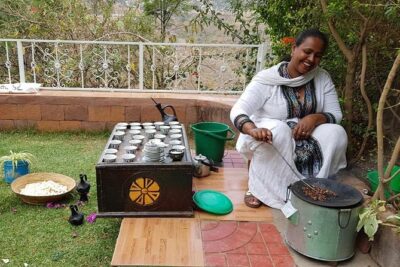
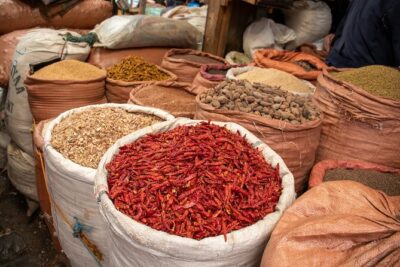

Market days in Weyto, Erbore, and Key Afar: see trade where it happens

If you like culture, don’t skip the markets. The tour is built around market rhythms on specific days, and that’s a big deal in the Omo Valley. In the Weyto area on Saturday, you pass through a village market setting tied to the Tsemai. You also stop around Erbore (also Saturday) for a brief village visit, again aligned with market timing.
Later, on Thursday, the route uses Key Afar as another market day stop, where you can see Benna and Tsemai trading goods. Markets here aren’t just a place to browse. They’re social networks and daily work rolled into one.
For me, this is one of the most practical “why this tour works” parts. If you happen to arrive on the wrong day, a lot of the energy disappears. Here, the timing is doing some of the hard work for you.
A small reality check: markets can be crowded and busy, and that can make it hard to get quiet moments for questions. Go with a light touch, keep your camera use respectful, and ask your guide what’s okay in each situation.
Turmi and the Hamer world: evangadi dancing and Karo painting
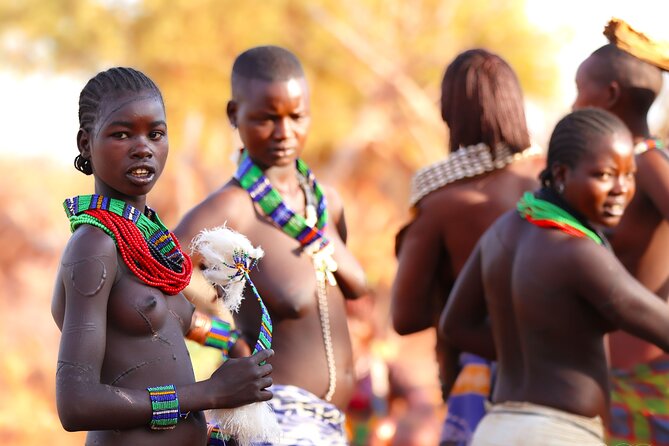
Turmi is a key cultural hub on this route, and it’s not vague or generic. You’ll be guided through the region tied to the Hamer, including an evening where you can see traditional night dancing known as evangadi.
What makes this more than a spectacle is that you’re also shown the context of daily life. Your experience includes time in and around Hamer villages, where the setup is described in terms of how extended families live together. Villages are built with local materials like mud, wood, and thatch, and daily life moves around shared family space.
You may also visit the Karo at Kolcho village on the banks of the Omo River. The Karo are known for traditional body painting, and that adds another creative layer to the trip. Even if you only get a short look, the contrast between tribes makes the region feel like one connected world with separate identities.
Here’s the consideration: the cultural styling here is intense and highly meaningful. It is tempting to treat it like a show. The better approach is to treat it like community life and let your guide frame what you’re seeing, especially when it comes to asking questions.
Jinka to Konso: museum time, then wakas on honor and terracing

After Turmi, you head toward Jinka, driving across drier plains and then into more fertile rolling country. Jinka gives you a different pace, including a visit to a small museum that helps you get oriented to tribal customs. If you like museums at all, this one is worth your time because it sets vocabulary and context for what you’ll see next.
Then you move toward Konso, and that’s where the route turns into one of the most distinctive cultural landscapes of the trip, in the practical sense of how people live and farm. Konso is known for wakas, wooden statues erected to honor dead heroes. You’ll also have a brief chance to visit a local village and a cultural museum with waka statues.
Konso is also tied to agricultural terracing. That matters because it shows how culture and survival skills work together. You’re not just looking at art you can take home. You’re seeing a long-term way of making land productive.
Lodging in Konso is at Kanta Lodge, and this is a good night to expect a quieter evening. You’ll likely feel like you’ve been moving through different “worlds” back-to-back, so a decent rest will make the next travel day easier.
Arba Minch, Chencha mountains, and Dorze weaving before your flight

You end with a return trip through fruit-growing areas around Arba Minch and onward into the Chencha Mountains. Arba Minch is associated with Ensete (false) bananas, and the trip notes the area as meaning forty springs, tied to fertile fruit valleys. Even if you never think about plants on a trip like this, noticing what people grow helps you understand why villages and markets look the way they do.
Then you visit a Dorze village, known for fine weaving in wool and cotton. This is also where shopping can be practical. The tour description signals that Dorze weaving is a strong reason to buy textiles here, not just as a souvenir, but as a product made from local skill.
After Dorze village time, you’re transferred to the airport and fly back to Addis Ababa. The pacing ends neatly, but it can feel fast. If you want extra time for shopping or questions, ask your guide how flexible the visit window is once you arrive.
The real value: a guide who keeps things human and organized
A good culture tour lives and dies by the guide and driver. In this case, the tour operator is associated with Solomon as an organizer, and the overall impression is that coordination is steady and people communicate clearly throughout the trip. That shows up in the flow: pickups are handled, stops line up with timing, and you’re not stuck waiting around without an explanation.
The driver quality matters more than you might think. On rural roads, comfort and safe pacing affect your mood, and it changes how much you notice along the way. The tour includes accommodation at lodges like Paradise Lodge in Arba Minch and Kanta Lodge in Konso, so the expectation is that the logistics support you after long travel days.
Also, the tour includes entrance fees. That means you’re not constantly negotiating ticket lines or worrying about whether you’re covered once you get there. It’s the kind of detail that makes the day feel smoother.
What to pack and how to act, so the visit stays respectful
This kind of trip asks for good manners more than fancy gear. I’d pack with hot days, walking around villages, and evening cool-downs in mind. Bring light layers, a hat, sun protection, and comfortable shoes you can trust on uneven ground.
For behavior, keep it simple:
- Ask before taking close photos or filming. Your guide can tell you what’s appropriate.
- Listen when you’re given context, especially for things like Hamer evangadi dancing or body painting.
- Dress modestly when entering village spaces. Comfortable, plain clothing goes a long way.
One practical tip: since lunch and dinner are not included, plan to carry a small buffer for snacks or drinks if you get hungry between stops. The tour provides bottle water during tour hours, but you should still expect some gaps.
Who should book this Omo Valley private tour
Book this tour if you want a culture-heavy route with a real focus on how people live. It’s especially good for you if you like structure, because the market-day timing is purposeful and the wildlife stop at Lake Chamo gives you a reset.
You’ll also enjoy it more if you like asking questions and paying attention to everyday details, like how huts are built with local materials or how terracing supports agriculture. This is not a “drive-by photos” style outing.
You might want to choose something easier if you:
- dislike long days of driving,
- want all meals included,
- or need a lot of downtime each afternoon.
Also, if your travel plans are fragile, read the weather and flexibility reality. This experience is non-refundable and cannot be changed, and it requires good weather. If poor weather forces cancellation, you’ll be offered a different date or a full refund, so don’t schedule it like a fixed flight connection with no buffer.
Should you book it?
For many travelers, this is the kind of Omo Valley trip that makes sense: private, timed for markets, and designed to keep you close to real village life instead of treating tribes like an attraction. The price looks reasonable when you factor in accommodation, entrances, a dedicated driver, and a guide.
I’d book it if you’re going for cultural understanding and you can handle long road days. I would pause if you’re trying to keep costs ultra-tight, because meals are on you, or if you need maximum flexibility, because the trip is non-refundable and can’t be changed. If your priorities match, this is a strong way to see Lower Omo with care and good planning.
FAQ
Where does this tour start?
It starts at Bole Addis Ababa International Airport in Addis Ababa, Ethiopia. Pickup is offered, and the start time is 8:00 am.
Is this a private tour?
Yes. It is a private tour/activity, so only your group will participate.
How much does the tour cost?
The price is $500.00 per person.
What is included in the price?
Included are the car with driver, guide, entrance fees, accommodation, bottle of water during the tours, and governmental tax.
What is not included?
Lunch and dinner are not included, and laundry service is not included.
How long is the tour?
The duration is 6 days, approximately.
Is a mobile ticket provided?
Yes. The tour includes a mobile ticket.
What if the weather is poor?
The experience requires good weather. If it’s canceled due to poor weather, you’ll be offered a different date or a full refund.
Can service animals travel with me?
Yes, service animals are allowed.
Browsing Ethiopia More Widely
- Full Day Tour of Addis Ababa with Hotel Pickup and Drop-off
★ 5.0 · 430 reviews - Addis Ababa: Debre Libanos, Blue Nile Gorge, and Cave Tour
★ 4.5 · 256 reviews - Addis Ababa Guided City Tour With Airport & Hotel Pick Up
★ 5.0 · 237 reviews - Breathtaking Nature, Wildlife and Cave Church Tour – Free Pickups
★ 5.0 · 225 reviews - Full-Day Private City Tour of Addis Ababa
★ 5.0 · 147 reviews
The Rest of the Ethiopia List
- Full Day Tour of Addis Ababa with Hotel Pickup and Drop-off
★ 5.0 · 430 reviews - Taste of Ethiopia
★ 5.0 · 406 reviews - Day Trip From Addis Ababa See Historical Monastery,Stunning Nature,Animals,Birds
★ 5.0 · 303 reviews - Addis Ababa: Debre Libanos, Blue Nile Gorge, and Cave Tour
★ 4.5 · 256 reviews - Addis Ababa Guided City Tour With Airport & Hotel Pick Up
★ 5.0 · 237 reviews
South to the Omo Valley
- 6 Days Omo Valley Tribes Tours From Addis Ababa
★ 5.0 · 33 reviews - 3 Days Omo Valley Tour
★ 5.0 · 24 reviews - 5 Days Omo Valley Tours
★ 5.0 · 15 reviews - 6 Days Lalibela, Omo Valley and Harar
★ 5.0 · 15 reviews - Private Omo Valley Tours From Addis Ababa
★ 5.0 · 12 reviews
Other Ethiopia tours we have written up
Omo Valley Cultural Tours, compared.
 ★ 5.06 Days Omo Valley Tribes Tours From Addis AbabaFrom $1,39933 reviews
 ★ 5.0Lalibela, Axum, Danakil and Omo Valley 8 DAYSFrom $2,05129 reviews
 ★ 5.03 Days Omo Valley TourFrom $80024 reviews
 ★ 5.05 Days Omo Valley ToursFrom $75015 reviews
 ★ 5.06 Days Lalibela, Omo Valley and HararFrom $1,53815 reviews
 ★ 5.0Private Omo Valley Tours From Addis AbabaFrom $1,89012 reviews
 ★ 5.05 Day Private tour to the Omo Valley Tribes and Adventure TourFrom $1,29011 reviews
 ★ 5.09 Days Tours To Danakil Depression, Simen MNP, Lalibela With Omo Valley TribesFrom $1,80011 reviews
Browse the lists this tour appears in