
REVIEW · SIMIEN MOUNTAINS TREKKING
4 days semien mountain national park trekking,
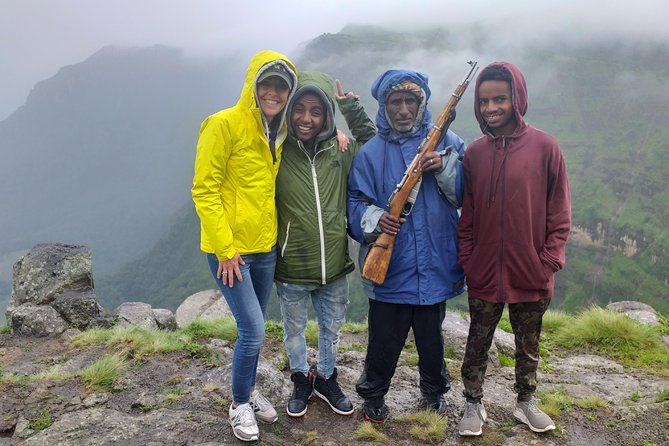
Simien Mountains trekking can turn your normal hiking day into a story. This 4-day route takes you deep into Ethiopia’s Simien region, where the park is a World Heritage Site and the wildlife is unlike anywhere else. I especially like that the package handles the moving parts, including a professional cook, camp sleeping setup, and entrance fees.
Two things I really like: the mix of early high-country starts and camp nights in remote areas, and the way the operator builds in support with an English-speaking guide plus a scout. One drawback to consider is season and conditions. One review specifically suggested the experience can be better after rains, so check timing carefully before you lock it in.
In This Review
- Key Highlights You Should Actually Care About
- Why Simien Mountains Trekking Feels Different Than Most Trips
- Gondar to Debark to Sankaber: The Start That Sets Your Pace
- Sankaber Camp Day One: Where You Watch the Park Wake Up
- Geech Camp Day Two: Trekking Deeper Into the Simien High Country
- Days Three and Four: The Trek Rhythm You Should Expect
- Wildlife and Birds: What You’re Really Buying With a Trek
- Gear, Meals, and Crew: Where the Comfort Comes From
- Price and Value for a 4-Person Group in Ethiopia
- Who Should Book This Trek, and Who Should Rethink It
- Should You Book This 4-Day Simien Trek?
- FAQ
- How long is the trek?
- Where does the trek start?
- What is the group size?
- What’s included in the price?
- What is not included?
- Do I need my own camping gear?
- What fitness level do I need?
- Are service animals allowed?
- What if weather is poor?
Key Highlights You Should Actually Care About
- Small group size (max 4), which keeps the trek feel personal without turning it into a one-person expedition
- English-speaking guide plus a scout, a strong combo for safety and smooth decision-making in the park
- Camp comfort is included: tent, sleeping bags, and mattresses, so you are not scrambling for gear
- Food and bottled mineral water daily are part of the deal, which matters on high-altitude days
- Serious wildlife odds in a park known for gelada baboons, Alia ibex, and even the Simien fox
Comparing operators? These Ethiopia trips scored well when we went through them.
- 3 Days Danakil Depression Tour★ 4.5 · 135 reviews
- 3 Days Danakil Depression Tours Via Semera★ 5.0 · 47 reviews
- 3 Days Danakil Depression Tour★ 5.0 · 15 reviews
- 3 Days 2 Nights Small Group Danakil Depression Tours★ 4.5 · 13 reviews
Why Simien Mountains Trekking Feels Different Than Most Trips
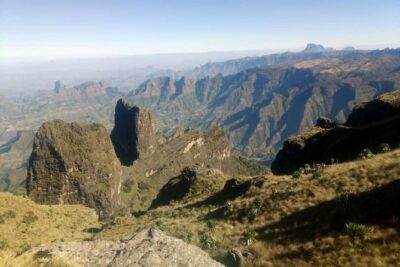
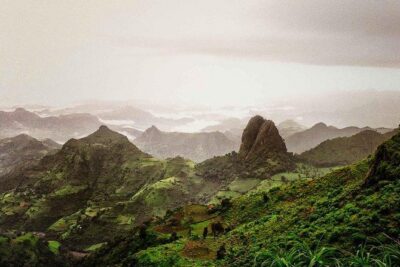
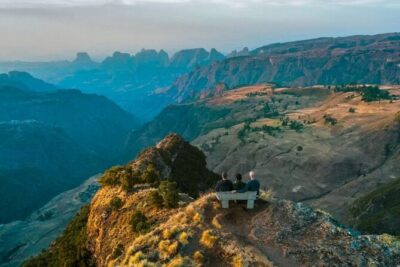
The Simien Mountains National Park is often compared to big famous canyon country, but you experience it more like a highland maze. Your days are spent walking ridges and seeing long sweeps of the park, under thin air and sudden weather shifts.
What makes this trek worth your time is that the altitude is part of the story. You are hiking in the same region as Ras Dashen, Ethiopia’s highest peak at 4,533m. Even if you are not summiting, you feel you are near something big, and that changes how you notice everything around you.
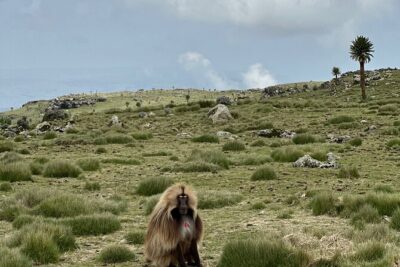
The other reason this trek has appeal is the wildlife angle. The park is known for animals unique to the area, including the scarlet-chested gelada baboon, the Alia ibex, and the Simien fox. You also have a serious bird list in play, with over fifty species of birds reported from the region.
Gondar to Debark to Sankaber: The Start That Sets Your Pace
Your trek begins with an early morning transfer out of Gondar. The plan is to head to Debark first, then check in with the park office, where you receive your scout and guide. After that, you drive into the park to reach Sankaber.
Here is why this first day matters for you: it is not just transportation. It is also a quick acclimation to the region’s rhythm. You move from the city to park procedures to high-country driving, so you are building the day’s “mental gear” long before your first proper trek step.
You have one more choice that can affect how you feel on Day 2. You can either drive all the way into Sankaber, or have the car drop you near Buyit Ras for a short hike. I like having that option because it lets you match the start to your fitness. Just remember the tradeoff: a short hike can be a great way to warm up, but it also adds effort before you reach camp.
When you arrive at Sankaber, you are met with your supplies. That sounds small, but it is actually a big comfort. After a travel day, you want camp logistics handled so your attention stays on the hike ahead.
Sankaber Camp Day One: Where You Watch the Park Wake Up
Day 1 finishes with your first campsite at Sankaber. While you do not get details on the exact camp routines, the structure is clear from what is included: tents and sleeping gear are provided, and there is a cooking setup handled by a professional cook.
This is the kind of camp setup that makes a difference. With sleeping bags and mattresses included, you can focus on resting rather than negotiating gear at the last minute. And since food and bottled mineral water are included daily, your day ends with less stress about what to buy and how much to carry.
One thing I keep an eye on with treks like this is how much downtime you actually get after a long transfer. Even if Day 1 is “only” reaching camp, the combination of early departure and altitude can wear people down. So if you are the type who likes time to settle, treat Sankaber night as your recovery block, not just a waypoint.
Geech Camp Day Two: Trekking Deeper Into the Simien High Country
On Day 2, the trek moves from Sankaber to Geech Camp. This is the point where the trip stops feeling like a drive-plus-hike setup and becomes a true mountain walk.
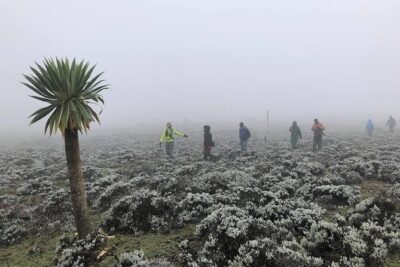
You can expect ridge walking and regular chances to spot wildlife. The guide and scout role becomes more important here, because they are the ones managing routes and reading terrain. The route’s details are not spelled out in the information provided, so I would plan for a steady day of hiking with changing views and “look-up often” moments.
If you want a practical mindset for Day 2, go for it like this: treat it as your technique day. Keep your pace steady, take short breaks, and stay hydrated. The package includes plenty of bottled mineral water daily, but you still have to drink it. High-country walking can quietly dry you out.
Also, Day 2 is when wildlife spotting starts to feel less like luck and more like pattern. Geladas are a known highlight in this region, and the park is also associated with Alia ibex and the Simien fox. You might not see all of them in one day, but the odds are there because this is a wildlife-focused World Heritage landscape in Ethiopia.
Days Three and Four: The Trek Rhythm You Should Expect
Even though the specific camp names and day-by-day segments are not fully listed here, the 4-day structure is clear. You should expect two more days of continued trekking in the Simien Mountains National Park, with another night or nights at high-country camps.
Here is the practical truth about multi-day park treks: it is the rhythm that makes it work. You wake, walk, eat, rest, and repeat, while your body adapts to altitude and your brain starts spotting details faster. Birdlife tends to be easier to notice as you slow down. Animal sightings often happen when you pause rather than sprint ahead.
Because the information provided only confirms the first two day segments by name, I recommend you ask your operator for the full day-by-day schedule before you pay. You do not need a complicated spreadsheet. You just want confirmation of what each day’s walking time looks like, how many hours you will be on trails, and where camp is placed each night.
That question is worth asking because one review included a caution about season, and it’s easier to plan when you know what the last days involve on the ground. High-country weather can change quickly, and having clarity can make you feel in control.
Wildlife and Birds: What You’re Really Buying With a Trek
This trek is not just about getting fit. It is about getting access to a park where animals and birds are part of the experience.
The standout names are gelada baboons, especially scarlet-chested geladas. If you have not seen geladas before, think of a primate that feels at home on high cliffs and ridgelines. You do not have to chase them for hours, but you do have to be patient, because they are tied to how the landscape and food sources work.
You can also be looking out for the Alia ibex. That is the kind of animal that rewards careful scanning. You will have more chances when you stop often, especially in open areas where the ground drops away.
Then there is the Simien fox, a species tied to this region. If you see one, it is the kind of moment that sticks because it feels like you are witnessing something that has survived in a tough place.
The park is also documented for over fifty bird species. I would treat birds as your “plan B” even on days when bigger wildlife stays quiet. Walking with your eyes up, not just on the next step, is how you get the most from those bird opportunities.
Gear, Meals, and Crew: Where the Comfort Comes From
The inclusion list is strong, and it is also specific. You get an English-speaking guide, a scout, and 4WD transportation to and from Gondar. Entrance fees are included. You also get a tent plus sleeping bags and mattresses.
Food is included daily, along with bottled mineral water. Cooking materials are provided, and there is a professional cook.
This matters because comfort affects performance. If you have to think about sleeping gear, water, and meals every day, you spend mental energy that should go to hiking. Here, the package is designed to remove those distractions.
The human side comes through in the reviews. Adem is named in multiple reviews as the person behind the tour operator, with praise for strong English and a genuinely friendly way of connecting. Another name that shows up is Jackson, mentioned alongside guidance and smooth care during the trek.
One review also talked about the crew being very helpful and the chef putting effort into the food. Another praised that things ran smoothly and that food was good. I take those points seriously because camp food is a make-or-break factor on a cold, high-altitude day.
The one caution I would carry from the reviews is about season. One review suggested the dry season may not be the best choice, and implied the hike might shine more after rains. That does not mean avoid it completely, but it does mean I would not treat season as an afterthought.
Price and Value for a 4-Person Group in Ethiopia
The price is $2,200 per group, up to 4 people. If you book as a full group, that works out to about $550 per person before any optional extras.
You are also buying a lot of logistics that normally cost extra on treks: transport with a 4WD vehicle, park entrance fees, camp gear like tents and sleeping bags, and daily food plus bottled mineral water. You are not worrying about renting mattresses or trying to find a cook at the last minute.
Where the value can change is in how many people end up traveling. If you are booking as a solo traveler or a couple, the per-person share can creep up since it is per group, not per person. That is normal for remote treks, but it is why I like the idea of a max-4 group. You get the small-team experience, and the group split helps the economics.
If price is your main driver, compare what you are getting for the base amount: guide, scout, cook, tent and bedding, and daily meals and water. Those are the expensive parts that tend to get added later when you cobble together a trek yourself.
Who Should Book This Trek, and Who Should Rethink It
This trek is suited for people with moderate physical fitness. That does not mean it is a walk in the park. It means it is accessible if you hike regularly and can handle multi-day walking with elevation and uneven terrain.
The group size cap of four also helps people who dislike big tour herds. It keeps the pace more manageable and makes it easier to ask questions, take breaks when you need them, and get assistance if you feel off.
Season is the big decision point. Based on the information given, the experience requires good weather, and one review specifically suggested thinking twice about the dry season. If you are flexible with dates, you have more options. If you are locked into a specific month, ask your operator what conditions typically look like then and how they adjust routes or pacing.
If you want wildlife and birds as a primary goal, this is a great match. If you want a purely easy hike with no altitude stress, you might want to choose a different program in the region, because this is clearly a real mountain trek.
Should You Book This 4-Day Simien Trek?
I would book this trek if your goal is a high-country wildlife experience with strong on-the-ground support. The package checks the practical boxes: guide and scout, entrance fees, 4WD from Gondar, camp gear, and daily food plus bottled water.
I would hesitate if you are very sensitive to season conditions or you are trying to force the trek into a less favorable time window. In that case, ask directly about weather patterns and how the itinerary adapts.
If you do book, I suggest you plan to travel light but pack for cold nights, bring layers, and use the first day to set your pace. You do not need to rush. The Simien Mountains are the kind of place where slowing down pays off.
FAQ
How long is the trek?
It runs for 4 days (approximately).
Where does the trek start?
You depart early from Gondar, travel to Debark for park office arrangements, then drive into the park to reach Sankaber.
What is the group size?
The maximum group size is 4 travelers.
What’s included in the price?
Included are an English-speaking guide, a scout, 4WD transportation to and from Gondar, all entrance fees, a tent, sleeping bags and mattresses, plenty of food and bottled mineral water daily, complete cooking materials, and a professional cook.
What is not included?
Alcoholic drinks, personal insurance, flights, and tips are not included.
Do I need my own camping gear?
No. The tour provides a tent, sleeping bags, and mattresses.
What fitness level do I need?
Moderate physical fitness is recommended.
Are service animals allowed?
Yes, service animals are allowed.
What if weather is poor?
This experience requires good weather. If it is canceled due to poor weather, you will be offered a different date or a full refund. You can cancel up to 24 hours in advance for a full refund.
The Rest of the Ethiopia List
- 3 Days Danakil Depression Tour
★ 4.5 · 135 reviews - 3 Days Danakil Depression Tours Via Semera
★ 5.0 · 47 reviews - 3 Days Danakil Depression Tour
★ 5.0 · 15 reviews - 3 Days 2 Nights Small Group Danakil Depression Tours
★ 4.5 · 13 reviews - 2 Nights 3 Days Visiting Danakil Depression
★ 5.0 · 12 reviews
Other Ethiopia tours we have written up
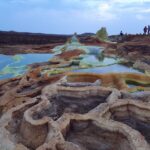
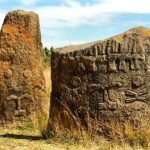
Simien Mountains Trekking, compared.
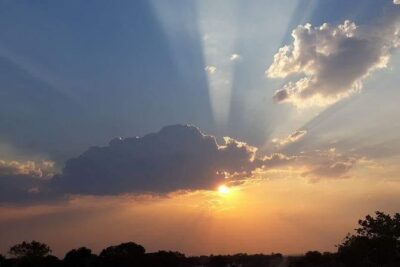 ★ 5.012 Days SIMIEN MOUNTAIN-LALIBELA-DANAKIL-TIGRAY CHURCHESFrom $1,64145 reviews
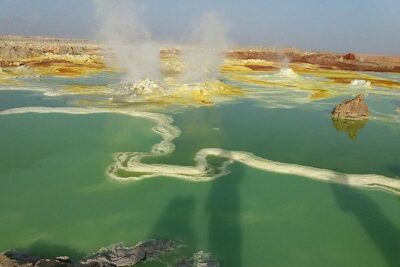 ★ 5.06 Days tour Package (Simien Mountains, Lalibela, and Danakil Depression)From $1,43532 reviews
 ★ 5.09 Days Tours To Danakil Depression, Simen MNP, Lalibela With Omo Valley TribesFrom $1,80011 reviews
 ★ 5.05-Day Northern Ethiopia Tour : 3D Simien Mountains Trek & Axum.From $4719 reviews
 ★ 5.0Simien Mountains Trekking AdventureFrom $3388 reviews
 ★ 5.04 Days Trekking to Simien Mountain National ParkFrom $2757 reviews
 ★ 4.0Simien Mountains – 4 DaysFrom $5007 reviews
 ★ 5.03 Days Trekking Simien Mountains ToursFrom $2506 reviews
Browse the lists this tour appears in