
REVIEW · DANAKIL DEPRESSION & ERTA ALE
2 Nights 3 Days Visiting Danakil Depression
The Danakil is geology you can feel. What makes this 2 nights, 3 days trip special is the fast, no-wasted-time route into the Afar Depression and the chance to see Erta Ale early, around 3am. I also like the small group size (up to 10), which keeps things human and helps you move with less hassle in a very remote place. One consideration: this is an early-start, rough-road, camping-style adventure, so you’ll want moderate physical fitness and a lot of patience for long drives.
You get a lot for the money, too. The price includes an air-conditioned vehicle, accommodation, full-board meals, and admission tickets, which matters in a place where most of the effort is logistics, not sightseeing crowds. Still, you should plan to spend on personal extras since other costs are not included.
In This Review
- Key things that make this Danakil trip worth it
- Danakil Depression in plain English: why it feels otherworldly
- Getting to Semera and out into Afar: the first day’s rhythm
- Lake Afdera and the build-up effect
- Camping at Kurswad, then up at 3am for Erta Ale
- Day two to Dallol: salt work, market energy, and the drive that makes it all click
- Why the salt mining market is more than a stop
- Overnight at Hamedila
- Dallol crater time on day three, then back to Semera for the 5:00 flight
- How Dallol fits into the bigger story
- Price and value: why $400 includes the stuff you’d otherwise pay for
- What it’s like day to day: expectations that keep surprises small
- Early starts are real
- Roads and comfort are part of the bargain
- Camping is included
- You’ll get both science and people
- Guides and coordination matter here
- Who this trip suits, and who should think twice
- You’ll likely love it if:
- Consider a different option if:
- Should you book Ethio Backpacker Tours for Danakil?
- FAQ
- How much does the Danakil Depression tour cost?
- How long is the tour?
- Where does the tour start?
- What is included in the price?
- Is pickup offered?
- Can I cancel for a full refund?
Key things that make this Danakil trip worth it
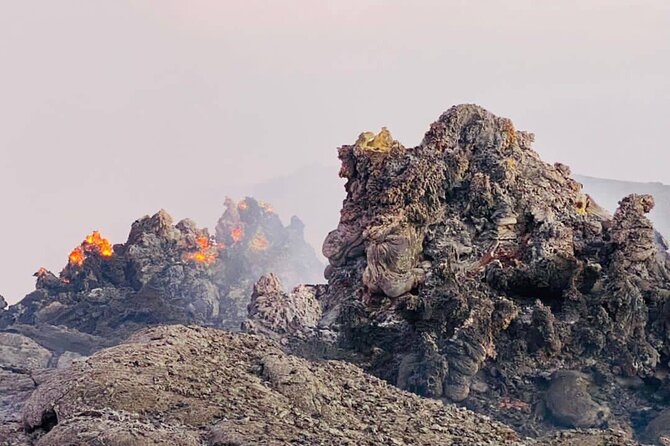
- A 3am Erta Ale start: you’re up early for active volcano views, then back for breakfast and steady progress.
- Small group energy: capped at 10 travelers, which makes stops feel coordinated instead of chaotic.
- Salt market and camel caravans: you don’t just see geology, you also see how people live and work nearby.
- Dallol’s color and chemicals: the Dallol crater area is a must-do when you’re this far out.
- Full-board setup: accommodation plus meals included, so you’re not constantly figuring out food in the middle of nowhere.
- Guides with real pull: names like Gashaw and Tsehayu come up in feedback for coordinating smoothly and explaining what you’re seeing.
Other ways into the Danakil
- 3 Days Danakil Depression Tours Via Semera★ 5.0 · 47 reviews
- 3 Days Danakil Depression Tour★ 5.0 · 15 reviews
- 3 Days 2 Nights Small Group Danakil Depression Tours★ 4.5 · 13 reviews
- 2 Nights 3 Days Visiting Danakil Depression★ 5.0 · 12 reviews
Danakil Depression in plain English: why it feels otherworldly
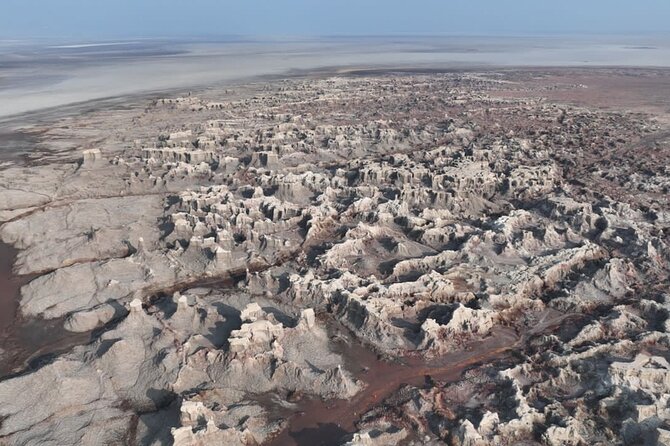
The Danakil Depression formed as the African and Asian tectonic plates drifted apart. That slow split, at about 1 to 2 cm per year, created a deep geological basin at a triple junction. The northern part, often called the Danakil Depression, sits more than 100 meters below sea level, with some of the planet’s strangest scenery.
I like how this trip frames Danakil as more than a photo spot. It’s not just “wow, weird colors.” It’s a living lab for Earth processes, including extreme conditions that connect to big questions in biology and human history. The area is also famous for the remains of Lucy, the early ancestor of modern humans, discovered here in 1974 and now displayed at the National Museum in Addis Ababa.
For you, the payoff is simple: this is a place where the scenery has rules that don’t match your usual travel world. Expect stark salt tones, strange rock formations, and an atmosphere that makes you look twice at everything.
Getting to Semera and out into Afar: the first day’s rhythm
You start in Semera, and day one is all about getting moving toward the Danakil world. After arriving to Semera, you drive to Kurswad via Afdera. On the way, there’s a stop at Lake Afdera.
This matters because the Danakil region can’t be reached by “sleep in and stroll around.” You’re trading comfort for access. The driving is part of the experience here, but this tour helps by including an air-conditioned vehicle, which is a real quality-of-life upgrade on long days.
Lake Afdera and the build-up effect
The Lake Afdera stop is quick but useful. You get a visual primer for the Afar region: dry terrain, intense light, and the sense that water and salt are major players. It also gives you time to settle before the camping day kicks in.
Camping at Kurswad, then up at 3am for Erta Ale
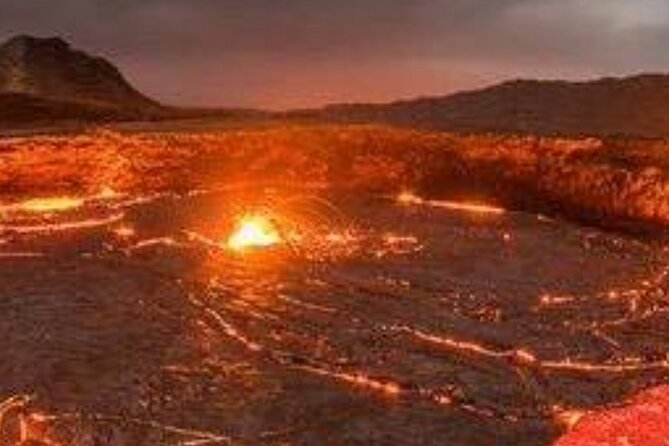
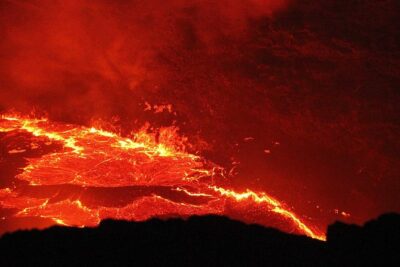
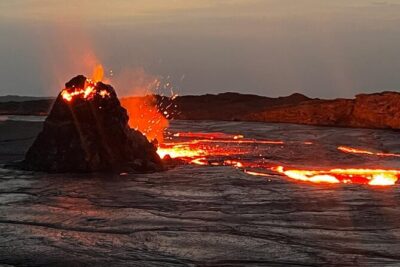
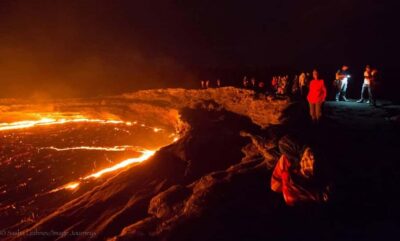
Your night is camping at Kurswad. Then the tour runs you through a very specific plan: early in the morning, around 3am, you go to the active volcano area in Ertale (Erta Ale), then return to camp for breakfast.
This is one of the best-loved parts of the trip because it turns a long remote journey into a sharp highlight. Seeing an active volcano is already rare. Doing it at the odd hour makes it even more memorable, especially when the desert sky is clear. One theme that shows up strongly in feedback is the quiet star time in the desert, and that comes from this kind of schedule.
Practical note for you: plan for cold and comfort issues early and late. Even in hot regions, night temperatures can drop, and camping means you should be ready for basic conditions.
What three days can actually cover
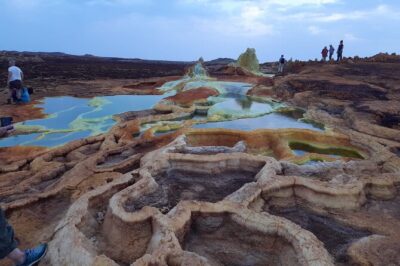
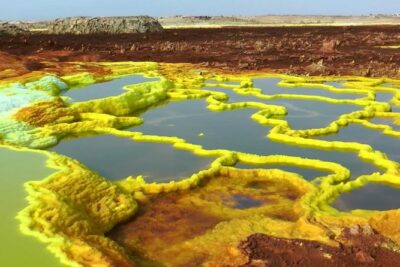
Day two to Dallol: salt work, market energy, and the drive that makes it all click
After breakfast, you drive toward Dallol. The road between Kurswad, Hamedila, and Dallol is not a sightseeing trolley route. It’s a transfer day with stops that explain the region.
On the way, you visit the salt mining market and see caravans of camels. This is important because Danakil can feel like a science exhibit. The salt work brings it back to human scale. You’re seeing an economy shaped by harsh geography, not just chemicals and craters.
Why the salt mining market is more than a stop
A good tour doesn’t just take you past interesting things. It gives you a reason to care. The salt market works because it shows how people harvest and move salt in an environment where most resources are scarce. The camel caravans reinforce what you’re seeing: this place runs on routes, patience, and labor.
Overnight at Hamedila
You sleep at Hamedila on day two. After long drives and heat, this kind of planned overnight matters because it stops you from trying to cobble together second-day logistics on the fly.
Also, two nights in the region is the sweet spot for this type of trip. It gives enough time to reach the core sights without turning it into a two-week grind.
Dallol crater time on day three, then back to Semera for the 5:00 flight
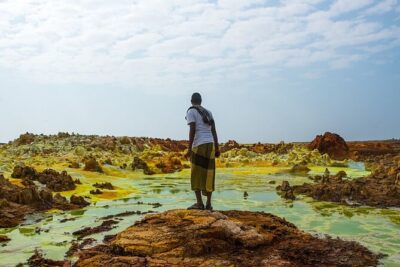
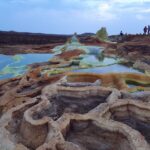
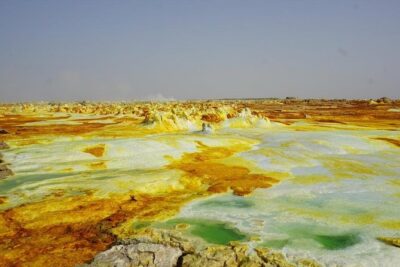
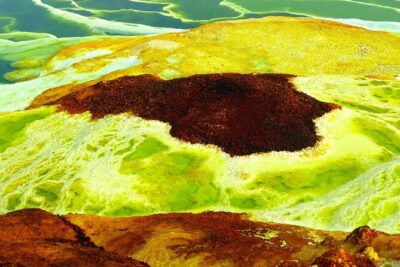
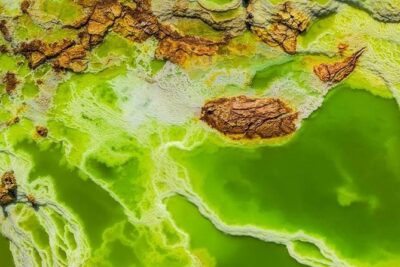
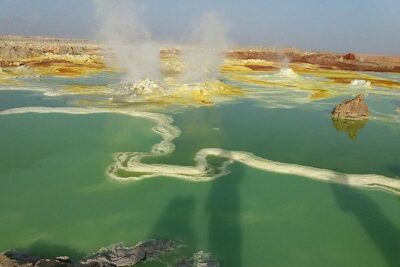
Day three starts with the best payoff moment for many people: the beautiful and colorful Dallol creator/crater area. If you’ve seen Dallol photos, they’re not lying, but they’re also not the full story. Up close, the colors look like they belong in chemistry lab glassware. The ground can look sculpted by heat, mineral deposition, and time.
From there, you drive back to Semera and catch the last flight at 5:00 to return to Addis Ababa.
This is a big deal for planning. You’re not touring until whenever it’s convenient. The day is built around that departure, so your best move is to pack your essentials the night before and keep your schedule lean. If you’re the type who needs extra time to shop, chat, or linger, you’ll want to adjust expectations here.
How Dallol fits into the bigger story
Danakil’s geology is extreme, but Dallol helps you see it clearly. You get a concentrated look at mineral-driven features that only happen when heat, salinity, and deep geological action come together. It’s one of those rare travel moments where the scenery is doing the explaining.
Price and value: why $400 includes the stuff you’d otherwise pay for
This trip costs $400 per person and is typically booked around 22 days in advance. It runs about 3 days (2 nights, 3 days) and includes pickup, an air-conditioned vehicle, accommodation, full-board meals, and all fees and taxes.
Here’s how I judge value in a place like Danakil: the “cost” isn’t just the base fare. It’s the risk of getting stuck, the expense of private transport, and the headache of finding food and beds in a remote zone. When those essentials are bundled, you can focus on the experience instead of troubleshooting.
Also, admission tickets are included, which matters because you’re dealing with controlled areas and guided movement. You’re paying for access and coordination, not only for a guide’s time.
One more value point: the maximum group size is 10 travelers. In a rugged destination, smaller groups usually mean fewer delays at viewpoints and more flexibility at stops.
What it’s like day to day: expectations that keep surprises small
This is an adventure tour, not a slow museum day. Here’s what you should expect in real terms.
Early starts are real
The highlight is that volcano visit around 3am on day one. That means your body needs a quick transition from normal life into “we’re up now.” If you’re a light sleeper, plan for it.
Roads and comfort are part of the bargain
Even with an air-conditioned vehicle, you’re traveling through remote terrain. Bring a flexible attitude. The tour structure helps by keeping transfers organized and not leaving you to guess where to go next.
Camping is included
You overnight at Kurswad on day one and then at Hamedila the next night. The tour includes accommodation, but camping-style conditions can still mean basic comfort levels. Pack for practical temperature changes, not only daytime heat.
You’ll get both science and people
The itinerary includes geology sights like Erta Ale and Dallol, but it also includes salt work and camel caravans. That mix keeps the trip from feeling like a checklist.
Guides and coordination matter here
Names like Gashaw and Tsehayu show up in feedback for coordination, leadership, and friendliness. For you, that translates into fewer bottlenecks and more confidence when the plan is moving fast and the environment is unpredictable.
Who this trip suits, and who should think twice
This Danakil plan is best for travelers who want a bold destination and can handle early mornings and long drives without turning it into a complaint-fest.
You’ll likely love it if:
- You want a high-impact 2-night plan that hits major highlights efficiently.
- You’re comfortable with rougher conditions, including camping.
- You enjoy learning with context, not just taking photos.
- You want a small group rather than a big-bus vibe.
Consider a different option if:
- You hate early starts and want mornings with zero alarms.
- You need very predictable comfort and quiet nights.
- You’re sensitive to the idea of remote travel logistics.
The tour specifies moderate physical fitness. That’s your hint that this isn’t a gentle ride. You don’t need to be an athlete, but you should be able to handle uneven ground, desert conditions, and waking early.
Should you book Ethio Backpacker Tours for Danakil?
If you want Danakil on a tight timeline, this is one of the more sensible ways to do it. The value math works because the price includes the big essentials: transport, accommodation, full-board meals, and admission tickets. The small group size helps keep the experience personal, and the best-loved moment, the early Erta Ale visit, is built into the plan instead of being a maybe.
I’d book if you’re the type who likes getting your hands dirty, in the fun way, and you want a trip that mixes geology with human salt-market reality. If you’re hoping for a relaxed, luxury-style vacation, this is probably the wrong fit.
One last nudge: plan for the schedule. The trip is designed around getting you to key sights and then out of the region in time to catch the 5:00 flight from Semera. If you can work with that, you’ll get a trip that feels like you really went all the way in.
FAQ
How much does the Danakil Depression tour cost?
It costs $400.00 per person.
How long is the tour?
It runs about 3 days, with 2 nights and 3 days.
Where does the tour start?
The tour starts in Semera, Ethiopia.
What is included in the price?
The price includes an air-conditioned vehicle, all fees and taxes, accommodation, and full-board meals.
Is pickup offered?
Yes, pickup is offered.
Can I cancel for a full refund?
Yes. You can cancel up to 24 hours in advance of the experience start time for a full refund. If you cancel less than 24 hours before, the amount paid is not refunded.
Three Days, Addis and Beyond
- 3 Days Danakil Depression Tour
★ 4.5 · 135 reviews - 3 Days Danakil Depression Tours Via Semera
★ 5.0 · 47 reviews - 3 Days Danakil Depression Tour
★ 5.0 · 15 reviews - 3 Days 2 Nights Small Group Danakil Depression Tours
★ 4.5 · 13 reviews - 3 Days Danakil Depression Tour
★ 5.0 · 6 reviews
The Rest of the Ethiopia List
- 3 Days Danakil Depression Tour
★ 4.5 · 135 reviews - 3 Days Danakil Depression Tours Via Semera
★ 5.0 · 47 reviews - 3 Days Danakil Depression Tour
★ 5.0 · 15 reviews - 3 Days 2 Nights Small Group Danakil Depression Tours
★ 4.5 · 13 reviews - 4 days semien mountain national park trekking,
★ 5.0 · 11 reviews
Into the Danakil Depression
- 3 Days Danakil Depression Tour
★ 4.5 · 135 reviews - 3 Days Danakil Depression Tours Via Semera
★ 5.0 · 47 reviews - 3 Days Danakil Depression Tour
★ 5.0 · 15 reviews - 3 Days 2 Nights Small Group Danakil Depression Tours
★ 4.5 · 13 reviews - 3 Days Danakil Depression Tour
★ 5.0 · 6 reviews
Other Ethiopia tours we have written up

Danakil Depression & Erta Ale, compared.
 ★ 4.53 Days Danakil Depression TourFrom $450135 reviews
 ★ 5.03 Days Danakil Depression Tours Via SemeraFrom $42047 reviews
 ★ 5.012 Days SIMIEN MOUNTAIN-LALIBELA-DANAKIL-TIGRAY CHURCHESFrom $1,64145 reviews
 ★ 5.03 Day Danakil Depression Ertale and Dallol ToursFrom $40044 reviews
 ★ 5.03 Days Dankile Depression group ToursFrom $45040 reviews
 ★ 5.05 DAYS Lalibela, Axum, Tigray churches and DanakilFrom $1,02534 reviews
 ★ 5.06 Days tour Package (Simien Mountains, Lalibela, and Danakil Depression)From $1,43532 reviews
 ★ 4.82-Night 3-Day Danakil Depression Tour without FlightsFrom $30031 reviews
Browse the lists this tour appears in