
REVIEW · ETHIOPIAN FOOD & COFFEE TOURS
Taste of Addis: A Delicious 3-Hour Journey Ethiopian Flavors
Food in Addis moves fast, and tastes even faster. This 3-hour guided route strings together three restaurant stops with Ethiopian favorites like injera, doro wat, tibs, and kitfo, then finishes with a real coffee ceremony. It is a simple plan, but it gives you a real sense of what people actually eat and sip day to day around Addis Ababa.
I love the lineup. You’re not just sampling one dish, you’re building a full food map of Ethiopia through multiple classics, plus spiced flavors and coffee. I also like the way the guide adds context, including stories about food and culture, and it is done in English for easy follow-through.
One thing to keep in mind: some dishes can be intense. Doro wat is described as spicy, and kitfo can be minced raw or cooked beef, so if heat or beef texture is not your thing, plan to ask for what feels right.
In This Review
- Key takeaways before you book
- The 3-hour format that actually works in Addis
- Three restaurants, one Ethiopian food storyline
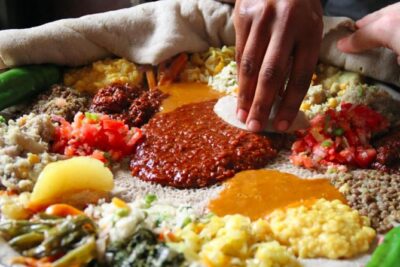
- Injera and the flavor foundation
- Doro Wat: the spicy chicken stew moment
- Tibs: sautéed comfort with a different texture
- Kitfo: minced beef, raw or cooked choices to consider
- Spices and a possible market stop
- The traditional coffee ceremony, plus Tomoka coffee
- Drinks included: beer, juice, and soft drinks
- Pickup, drop-off, and comfort on the road
- Price value at $47 per person: what you’re really paying for
- Who this tour suits best, and who should think twice
- What to do right before you go
- Should you book Taste of Addis?
- FAQ
- FAQ
- How long is the Taste of Addis tour?
- Where does the Taste of Addis tour take place?
- How much does the tour cost?
- What is included in the price?
- How many food stops are included?
- What Ethiopian dishes will I try?
- Do you stop at a spice market?
- Is the coffee ceremony included?
- Are drinks included?
- Is pickup from my hotel available, and is the guide English-speaking?
- Can I pay later or cancel for a refund?
Key takeaways before you book

- Three handpicked restaurants in one 3-hour stretch, so you try more than one neighborhood flavor
- Beer, fresh juice, and soft drinks, including unlimited beers at two of the stops
- Injera, doro wat, tibs, and kitfo, covering the big Ethiopian hits rather than random bites
- Spice visit when the schedule allows, with a chance to see local ingredient sourcing
- Traditional coffee ceremony plus Tomoka coffee, ending with a strong, freshly prepared finish
- English-speaking guide who brings the history and culture side into the food
Comparing operators? These Ethiopia trips scored well when we went through them.
- 3 Days Danakil Depression Tour★ 4.5 · 135 reviews
- 3 Days Danakil Depression Tours Via Semera★ 5.0 · 47 reviews
- 3 Days Danakil Depression Tour★ 5.0 · 15 reviews
- 3 Days 2 Nights Small Group Danakil Depression Tours★ 4.5 · 13 reviews
The 3-hour format that actually works in Addis

Taste of Addis is built for a short visit to Addis Ababa. In just three hours, you bounce between three restaurants, plus you may add a spice stop depending on the day’s schedule. That tight structure matters because traffic and timing can be unpredictable, and here you get a lot of food without spending your whole day on the move.
The pace also keeps the tour focused. You are not stuck listening through a lecture while you wait for lunch to begin. Instead, the guide uses each stop to connect the food you are tasting to everyday life in Ethiopia, and you get refreshments along the way.
Price-wise, $47 per person lands in the zone where tours often include little more than a few tastings. Here, the inclusions are noticeably stronger. Hotel pickup and drop-off, transportation, water, food and drink, beer and coffees, plus multiple dishes across three restaurants make the cost feel more like a full experience than a snack run.
Three restaurants, one Ethiopian food storyline
The core of the tour is straightforward: three restaurants, each with a slightly different angle on Ethiopian cuisine. I like this structure because it prevents the common “one-note” problem with food tours. Instead of repeating the same flavors over and over, you sample several staples back to back, then see how they fit together as a meal.
At the first and second stops, you get a mix of dishes and drinks, including fresh juice and unlimited beers and soft drinks at two restaurants. That part is a win if you want the social side of Ethiopian dining, not just the tasting side. It also means you can pace yourself, sip between bites, and still finish strong.
You should also expect a guided, sit-down style of experience. You are not just walking into a market with handfuls of samples. You are eating traditional dishes as a guided introduction, and the guide stays with you long enough to explain what you are tasting.
Injera and the flavor foundation
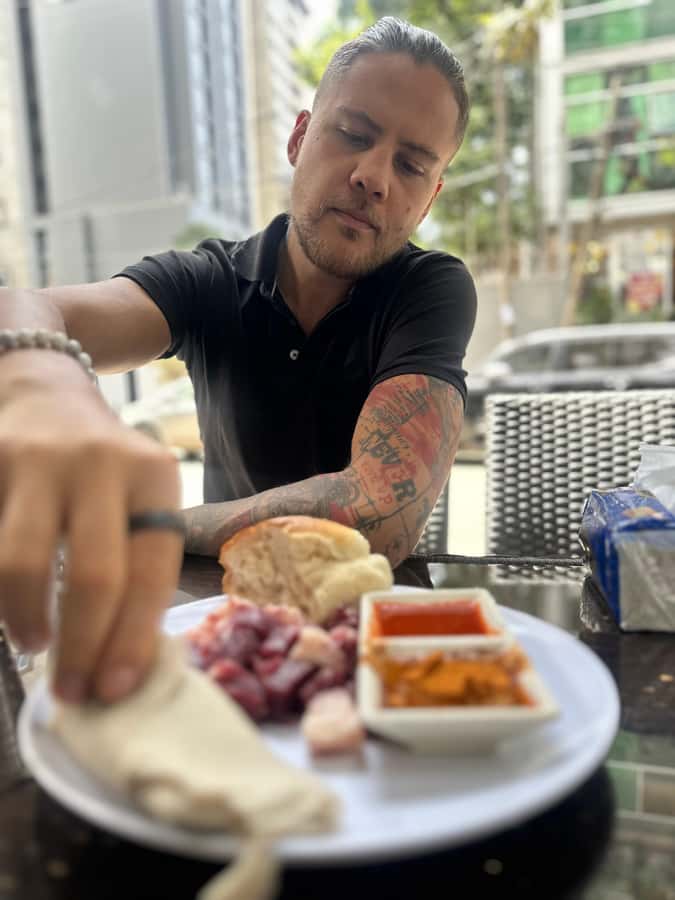
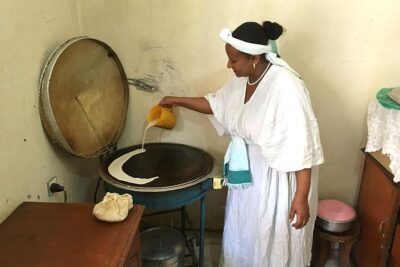
Injera is on the menu for this tour, and it is a great starting point. It is listed as the sour flatbread people love, which tells you right away you are not dealing with bland bread or plain rolls. The sour profile is a big deal in Ethiopian eating, and it changes how stews and sautéed dishes taste when you combine them.
This is also one of the best “low risk” dishes for first-timers. You get to try injera without having to commit to anything too unusual on the spot. If you can like the base, the rest of the meal usually feels easier to enjoy.
From a value perspective, including injera matters. It anchors the entire tasting experience, so your $47 does not feel like it went only to meats or only to one specialty item. It helps the tour feel like a meal you could recognize, not just a list of separate bites.
Doro Wat: the spicy chicken stew moment
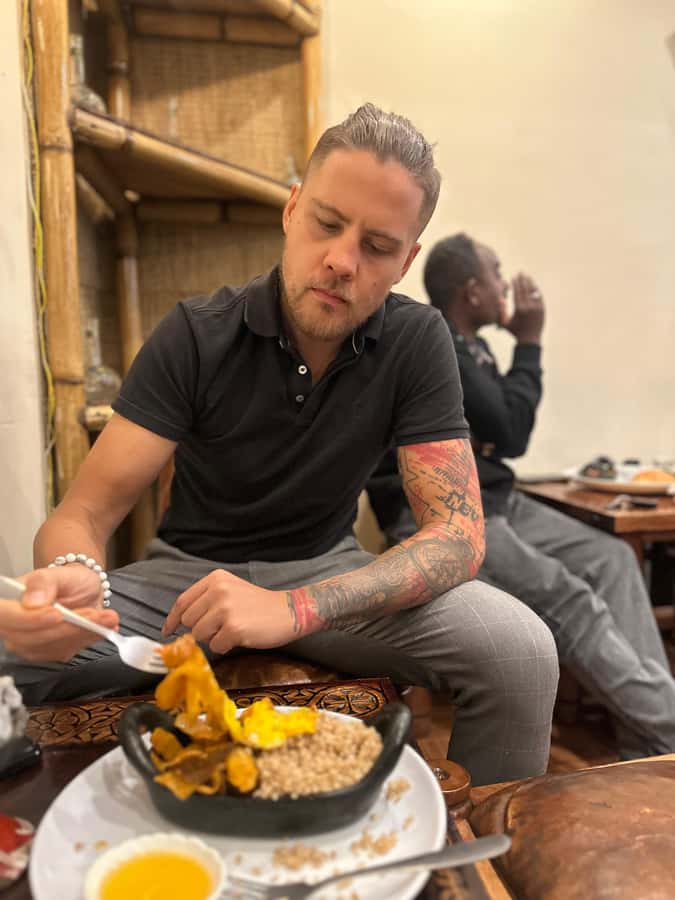
One of the most specific dish descriptions in the tour info is Doro Wat, described as spicy chicken stew. That tells you two things before you even arrive: expect warmth and expect flavor built around spice.
I like that this is not a vague “try a stew” stop. Doro Wat is a clear target, so you know what kind of intensity you are signing up for. If you usually avoid spicy food, you can still participate, but you may want to go into it with the plan to take it slow. Have water ready, and don’t force large bites just because the tour is moving.
The guide’s cultural stories also matter here. Spicy dishes are more fun when you know what people are doing with flavor, not just when you are judging heat on a scale of 1 to 10. The tour is designed to connect those dots while you taste.



Tibs: sautéed comfort with a different texture

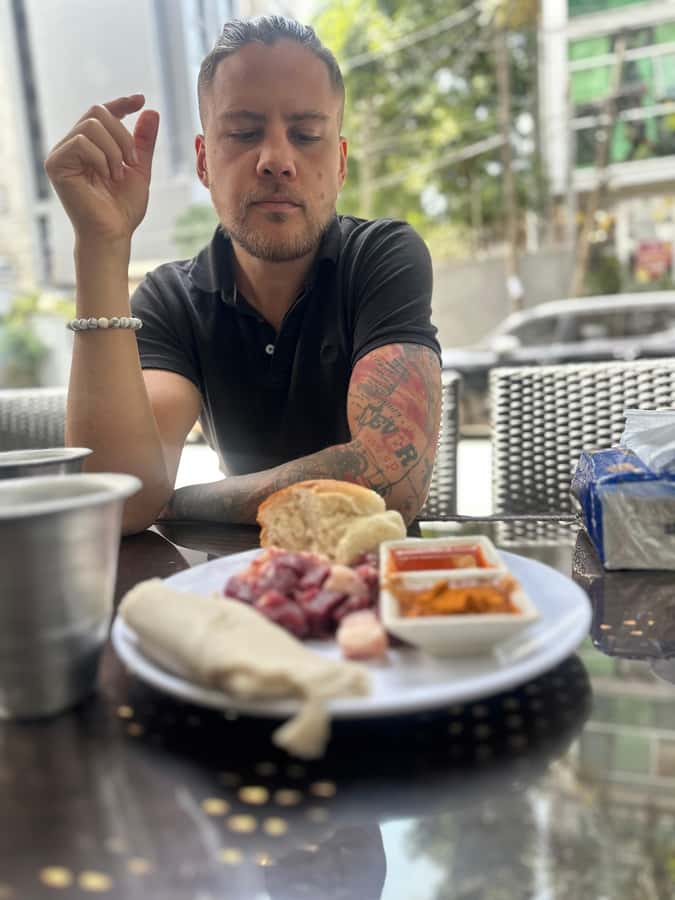
Tibs rounds out the set with sautéed meat. Compared to a stew, sautéed food usually changes the experience: you tend to notice more browning, more distinct bites, and a different pace in how the flavors hit.
That variation is one of the reasons this tour works. You are not only eating one style of Ethiopian preparation. You are tasting stew style, then sauté style, then moving toward minced meat and coffee culture. Even if you are not a hardcore food person, your brain gets enough change to keep paying attention.
Practical tip: eat what feels right for you at each stop. The tour includes food and drink, plus transportation, so there’s no need to cram everything into the first restaurant. If you pace yourself, you are more likely to enjoy all three stops instead of just surviving the last one.
Kitfo: minced beef, raw or cooked choices to consider

Kitfo is where the tour gets bold. It is listed as minced raw or cooked beef. That alone is a big consideration for decision making, because this dish is not a safe bet for everyone.
If you are open to it, kitfo can be a memorable look at Ethiopian meat traditions. If you are not open, you can still get value from the rest of the tour, but you should be ready to choose the cooked option if that is available in the setting you are offered. The tour description explicitly notes raw or cooked, which is your hint that you are not stuck with one approach.
Also, kitfo changes the vibe of the tasting. Up to that point, injera and stews give a familiar “meal” feeling. Kitfo feels more like a statement dish, and the guide context can make it easier to understand why people choose it.
Spices and a possible market stop
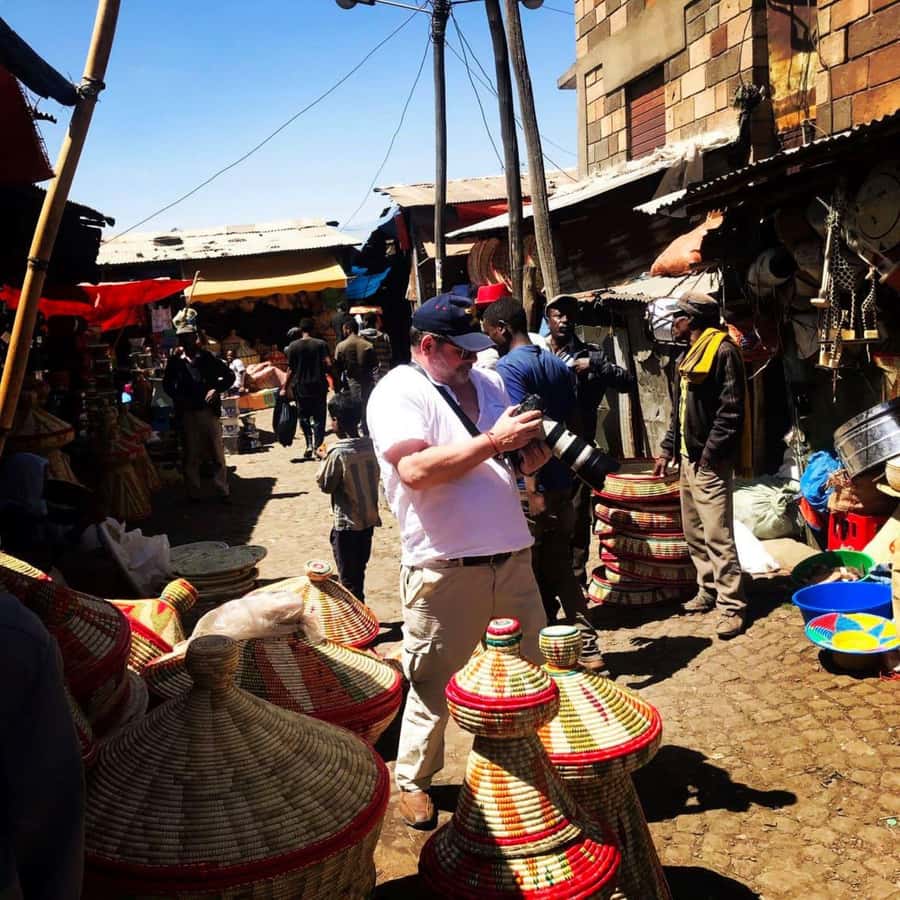
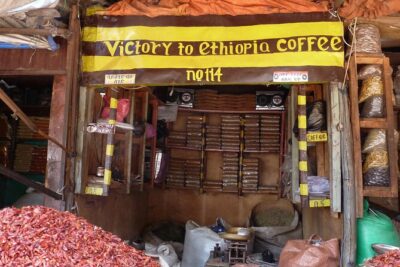
Depending on the schedule, you may stop at a local spice market or a small vendor to discover how Ethiopians source fresh ingredients that shape the bold flavors of the cuisine. I like this optional piece because it turns the tour from a pure tasting into a sensory lesson.
Even if the exact spice market stop is not on the day you go, the tour still centers on spices through the food choices and the guide’s explanations. The point is to help you connect flavors to ingredients and sourcing, not just to label dishes.
If you care about food sourcing and local shopping habits, this is the section that adds the most “I’m learning something” feeling. If you hate shopping detours, you might prefer to treat this as a bonus rather than a must-have, since it is schedule dependent.
The traditional coffee ceremony, plus Tomoka coffee
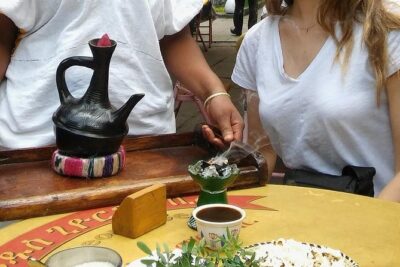
The final act is the traditional coffee ceremony. The process is described clearly: roasting, grinding, and brewing, followed by a freshly prepared cup of rich Ethiopian coffee. That is a bigger deal than a caffeine stop. It is part of Ethiopian hospitality and a way to slow down after eating.
Coffee ceremony is also a good tour ending because it is not physically heavy. You have already gone through the main meal dishes, so the coffee becomes a calm wrap-up you can enjoy without feeling like you need room for one more full plate.
Your tour may also include Tomoka coffee at the end. Having both the ceremony and a named coffee moment makes the finale feel intentional, like you are leaving with a specific taste you can remember, not just a generic cup.
Drinks included: beer, juice, and soft drinks

This tour includes food and drink, and the details are some of the most appealing parts. Fresh juice is included, and at two restaurants there are unlimited beers and soft drinks.
That inclusion can matter more than it sounds. It helps you keep energy up during a short tour, and it also makes the meal feel like a real dining experience. Ethiopian food tastes different when you are not rushing, and the ability to sip between dishes helps you stay present.
Just keep your own comfort in mind. If you do not drink alcohol, unlimited beer is still there, but you can focus on juice and soft drinks. The key is that you have options without having to buy your own drinks separately.
Pickup, drop-off, and comfort on the road
Hotel pickup and drop-off are included, along with transportation and water. That reduces the usual hassle that can quietly sabotage a food tour in a big city. You spend less time figuring out where to meet and more time eating.
One review also points to flexible transportation and a comfortable car. That matches how these tours should feel in reality: low stress, easy transitions, and enough comfort that you can focus on your guide and your food.
The car and pickup also help if you are short on time. A three-hour window is not a lot, so removing the logistics load makes the whole day feel more efficient.
Price value at $47 per person: what you’re really paying for
Let’s look at what’s included. You get:
- hotel pickup and drop-off
- an English-speaking guide
- transportation plus water
- food and drink
- beer and coffees
- tastings across three restaurants
- traditional coffee ceremony, plus coffee at the end
At $47, the biggest value driver is that you are not paying for only one restaurant visit. You are sampling multiple dishes in multiple settings. You are also getting included drinks that many other tours charge extra for.
In plain terms, this price makes sense if you want a guided introduction with real meals rather than a few spoonfuls. If your goal is only to try one or two dishes, you might be able to build a cheaper self-guided plan. But for most visitors wanting structure and local context, this is the type of tour that feels fair.
Also, the guide element matters. You get historical and cultural storytelling tied directly to what you are eating, which makes the experience more satisfying than just collecting food photos.
Who this tour suits best, and who should think twice
I think this tour is ideal for:
- you if you want a first taste of Ethiopian cuisine without doing homework
- you if you like guided explanations and cultural context while you eat
- you if you want a short, effective plan in Addis that does not sprawl all day
- you if you enjoy trying multiple dishes rather than repeating the same thing
It is a less perfect match if:
- you avoid spicy food and do not want to risk Doro Wat
- you strongly avoid raw or minced meat options, since kitfo is listed as raw or cooked
- you are looking for only a light snack experience, since this is designed as a meal style tasting with drinks
What to do right before you go
To get the best out of a three-hour tasting, show up with an appetite you control. Don’t arrive stuffed from a huge breakfast or late lunch, or you will rush through the later dishes like tibs and kitfo.
If spicy food is a concern, you can still go. Just pace yourself, use sips of water, juice, or soft drinks as needed, and do not let the tour pace push you into taking more heat than you want.
If coffee culture is your thing, keep your energy for the end. The coffee ceremony is the finale, and you will enjoy it more if you are not exhausted from rushing between stops.
Should you book Taste of Addis?
Book it if you want an efficient, guided way to taste Ethiopian food across multiple classics in one afternoon. The combination of three restaurant stops, a spice visit when available, and a full coffee ceremony ending with Tomoka coffee is exactly the kind of structure that makes a short trip feel complete.
Skip or reconsider if spicy dishes and kitfo are deal breakers for you. The tour is built around Ethiopian specialties, including Doro Wat’s spice and kitfo’s raw or cooked beef option. If that fits your comfort level, you will likely come away with a memorable food route and a better understanding of what these dishes represent.
FAQ
FAQ
How long is the Taste of Addis tour?
The tour is 3 hours long.
Where does the Taste of Addis tour take place?
It runs in the Addis Ababa Metropolitan Area, Ethiopia.
How much does the tour cost?
The price is $47 per person.
What is included in the price?
The tour includes hotel pick up and drop-off, an English-speaking guide, food and drink, beer and coffees, transportation, and water.
How many food stops are included?
There are 3 restaurant stops.
What Ethiopian dishes will I try?
You’ll taste injera, doro wat, tibs, kitfo, and more traditional Ethiopian dishes.
Do you stop at a spice market?
Depending on the schedule, you may also stop at a local spice market or a small vendor.
Is the coffee ceremony included?
Yes. The tour ends with a traditional coffee ceremony where coffee is roasted, ground, and brewed, and you also enjoy Tomoka coffee.
Are drinks included?
Yes. The tour includes fresh juice, unlimited beers and soft drinks (at two restaurants), plus beers and coffees.
Is pickup from my hotel available, and is the guide English-speaking?
Yes, hotel pick up and drop-off are included, and the guide speaks English.
Can I pay later or cancel for a refund?
You can reserve & pay later, and you can cancel up to 24 hours in advance for a full refund.
The Rest of the Ethiopia List
- 3 Days Danakil Depression Tour
★ 4.5 · 135 reviews - 3 Days Danakil Depression Tours Via Semera
★ 5.0 · 47 reviews - 3 Days Danakil Depression Tour
★ 5.0 · 15 reviews - 3 Days 2 Nights Small Group Danakil Depression Tours
★ 4.5 · 13 reviews - 2 Nights 3 Days Visiting Danakil Depression
★ 5.0 · 12 reviews
Other Ethiopia tours we have written up


Ethiopian Food & Coffee Tours, compared.
 ★ 5.0Taste of EthiopiaFrom $102406 reviews
 ★ 5.0Ethiopian Culinary Tour – Market, Food, Coffee Ceremony & moreFrom $8565 reviews
 ★ 5.0Hidden Treasures of Addis Ababa – Food, Culture and History TourFrom $7557 reviews
 ★ 5.0Market Tour and Cooking Class with a Coffee Ceremony at a Home in Addis AbabaFrom $16832 reviews
 ★ 5.0Addis Ababa City Tours With Cocking Class of Ethiopian FoodFrom $9020 reviews
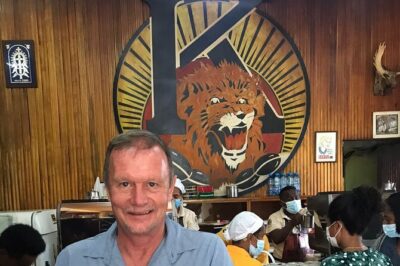 ★ 5.0Vintage Coffee Shops, Restaurants, Sightseeing in Addis AbabaFrom $7017 reviews
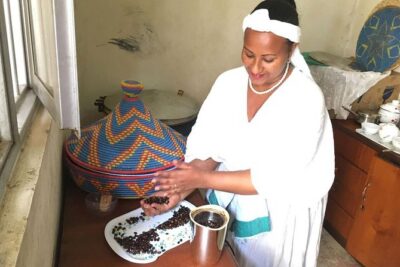 ★ 5.0Ethiopian Cooking Class and Coffee Ceremony with a Local in Addis with transfersFrom $15414 reviews
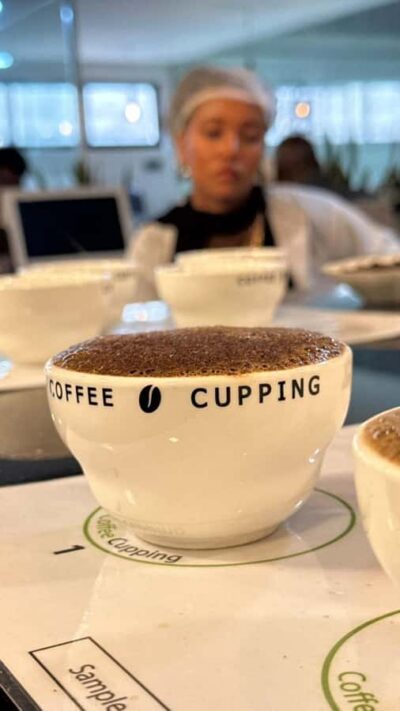 ★ 5.0Ethiopia coffee cupping class/Ethiopian food injera makingFrom $9410 reviews
Browse the lists this tour appears in