
REVIEW · DANAKIL DEPRESSION & ERTA ALE
3 Days Danakil Depression Tour
Ethiopia’s lava and salt feel like another planet. This 3-day trip aims straight at Erta Ale’s famous lava lake and then heads into the Danakil Depression for salt mining and otherworldly Dallol terrain. It is remote, hot, and physically demanding in the best way.
I love the timing, especially the early push for crater views. I also like that the package handles the essentials for you, with meals included and entrance fees and permits taken care of. You are not left juggling logistics in a place where you really want your focus on what is outside the vehicle.
One drawback to plan for is that communication can be uneven, and the region runs on heat, dust, and a tight schedule. You will have a better trip if you confirm what time you leave, what is optional, and what you should pack for each day.
In This Review
- Key things to know before you go
- Why Erta Ale’s lava lake is such a big deal
- Day 1: The long ride to Dodom and your first Erta Ale access
- Day 2: Sunrise timing, crater pits, and that camp reset
- Day 3: Salt mining at Ragad, Dallol geothermal terrain, and Lake Assal
- Food, vehicle, and what the package really covers
- Group size, guides, and communication reality in the Afar region
- Price check: is $450 a good value for Danakil and Erta Ale?
- Who should book this, and who should skip it
- Should you book this Danakil Depression tour?
- FAQ
- How much does the 3 Days Danakil Depression Tour cost?
- How long is the tour?
- Is pickup included, and do they use a mobile ticket?
- What meals and costs are included in the price?
- Do I need any fitness level?
- Are camel caravans included on every date?
- What is the cancellation and weather rule?
Key things to know before you go
- Erta Ale is the main event, including a sunrise-style visit with time spent near the crater area.
- Two meal types are repeated daily, dinner and breakfast are included, plus lunch each day.
- Your group is small, max 10 travelers, which helps with pace and coordination.
- Dallol and Lake Assal are built into day three, plus a walk with Afar people and salt-mining scenes.
- Camel caravans depend on the season, with no camel caravan planned for July, August, and early September.
- Vehicle comfort helps, but basics remain basic, it is an AC vehicle plus long drives through rugged areas.
Other ways into the Danakil
- 3 Days Danakil Depression Tours Via Semera★ 5.0 · 47 reviews
- 3 Days Danakil Depression Tour★ 5.0 · 15 reviews
- 3 Days 2 Nights Small Group Danakil Depression Tours★ 4.5 · 13 reviews
- 2 Nights 3 Days Visiting Danakil Depression★ 5.0 · 12 reviews
Why Erta Ale’s lava lake is such a big deal
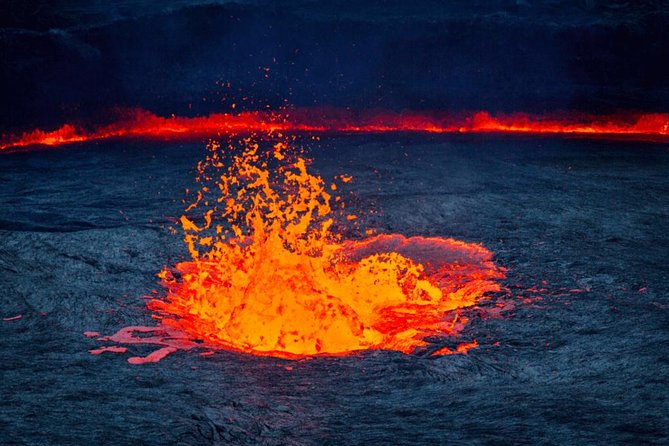
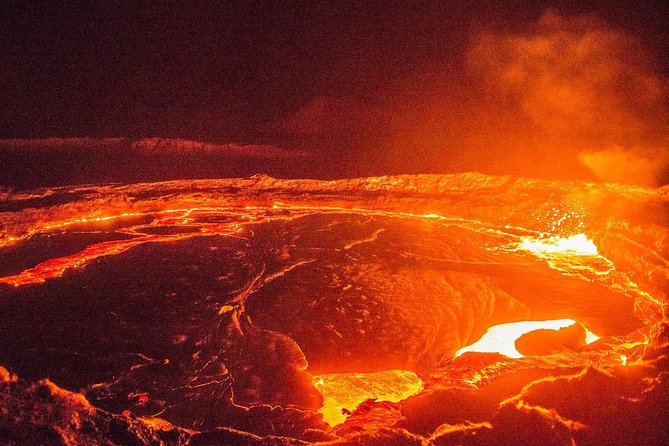
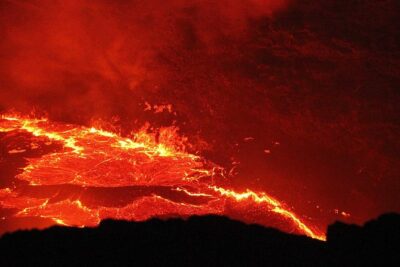
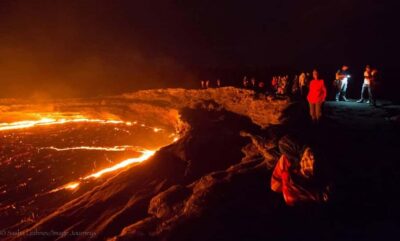
Erta Ale is a shield volcano with a summit caldera around 1 km square, and it sits in the northern part of Ethiopia’s Afar depression. What makes it legendary is simple: it has been known for a permanent lava lake, often described as the only one of its kind in the world. That does not mean you will see nonstop lava fireworks all the time, but it does mean the place has an ongoing “lava presence” that you cannot get anywhere else in Ethiopia.
You are not visiting a volcano that looks cool from far away. You are going close enough to feel like the ground has its own heat agenda. Expect a mix of dramatic views and a physical challenge, with walking near the crater area and then living through long stretches of heat and dust on rough roads.
If the lava activity is not exactly what you hoped for, the rest of Erta Ale still delivers. The sheer scale of the caldera, the black rock, and the way the pits look in early light make it worth it, even when the activity is slower than old stories.
Day 1: The long ride to Dodom and your first Erta Ale access
Day one starts early, around 9:00 AM, as you drive to Dodom at the base of Erta Ale. Dodom is the staging area where you begin to feel the trip shift from road travel into volcano travel. The drive is long, and the big value of arriving and getting oriented on day one is that you are not rushing around later.
You will also be entering the volcano area with entrance time built in for that day, and you should assume it is a full day in the field, not a quick photo stop. Plan your energy like this: day one is for getting there and absorbing the approach, so that day two can be the more intense crater and sunrise-focused part.
What I like about this approach is that it helps you avoid the classic mistake people make on hard trips, trying to cram everything into the one day when the light is best. Giving day one that “set-up and settle” role makes day two feel less chaotic.
Day 2: Sunrise timing, crater pits, and that camp reset
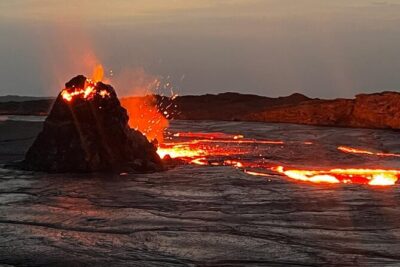
The second day is built around early morning timing. The plan focuses on a sunrise-style visit near the main pit crater, and then time near other pits in the crater system. The main pit is described as being about 200 m deep and 350 m across, and you may also see smaller pit structures, including a smaller southern pit.
A key practical detail is timing for descending and how the morning flows. The schedule you are given includes an option for early breakfast around 07:00, then you head into the crater area in the morning, with the return to Dodom and then moving toward camp afterward. The plan has you returning and reaching the camp area by about 10:30 so you can actually rest.
I like this because it gives you a real “cool down and reset” window. Danakil country punishes slow starts, but it also rewards you when you pace yourself. That mid-morning return to camp is your buffer for heat, fatigue, and the fact that walking on volcanic ground is not the same as walking on a city sidewalk.
After camp time, the route may include an optional stop at Lake Giulietti, also called Lake Afrera, though availability depends on conditions and season. This kind of optional add-on is not a guaranteed moment you should plan your entire day around, but it can be a nice bonus if the timing works.
Also note this: activity levels at Erta Ale can be variable. Even with that uncertainty, you still get the crater structures, the dramatic geometry of the pits, and that rare sense of being near something that has kept moving over long time scales. That is the real payoff.
Day 3: Salt mining at Ragad, Dallol geothermal terrain, and Lake Assal
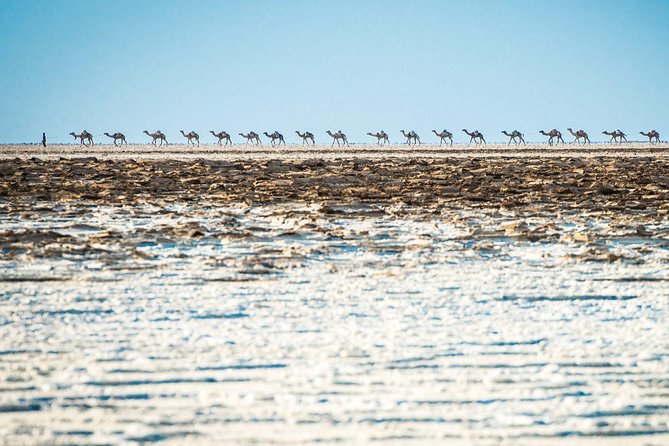
Day three shifts from volcano drama to salt country. You drive in the morning toward Ragad (Asebo), where salt mining happens right on the ground. You are set up to watch how workers break salt from the earth, cut it into rectangular pieces, and load it onto camels. Seeing salt treated like a working resource, not a museum display, is one of the most grounded moments in the whole trip.
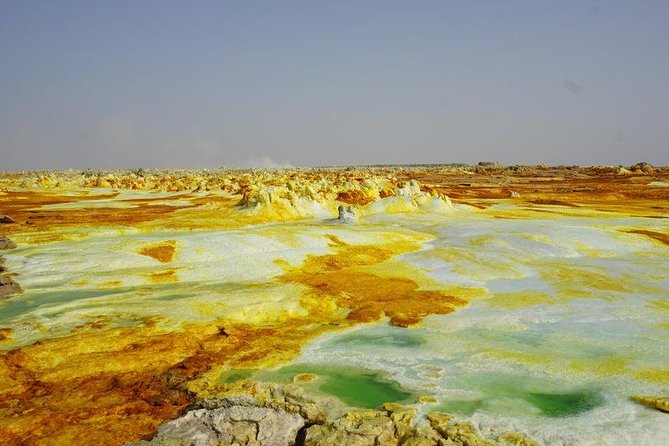
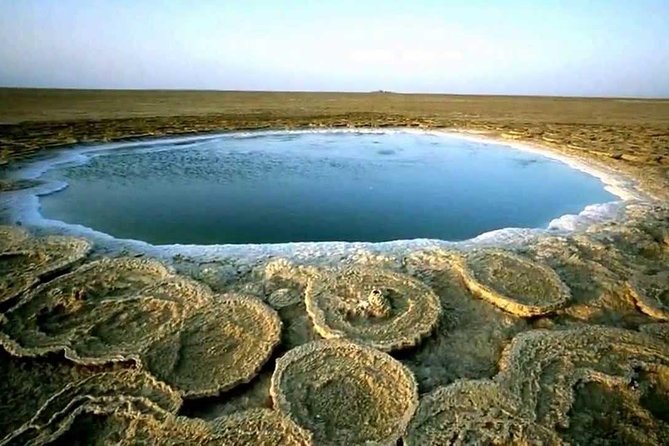
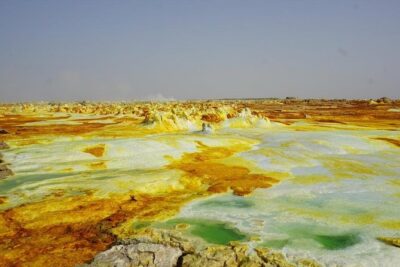
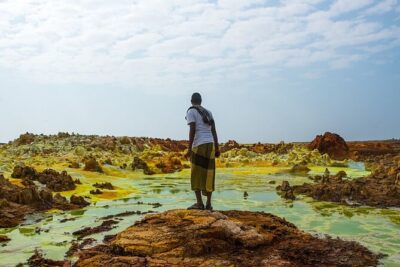
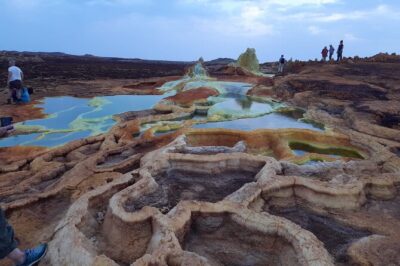
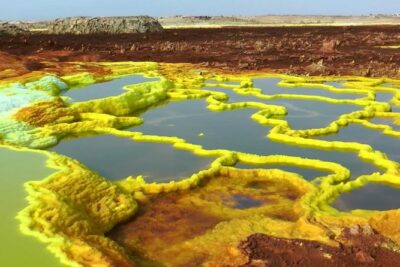
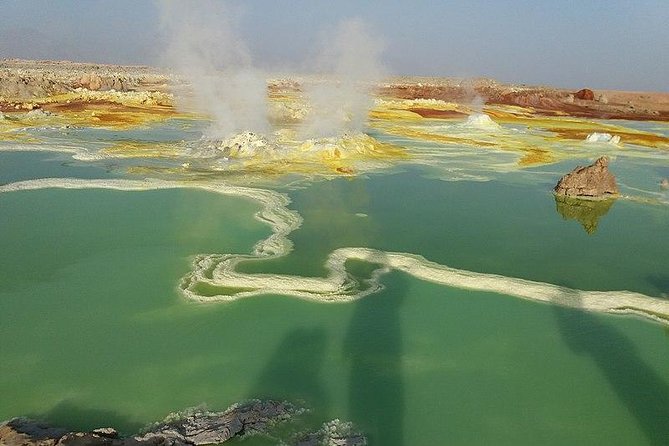
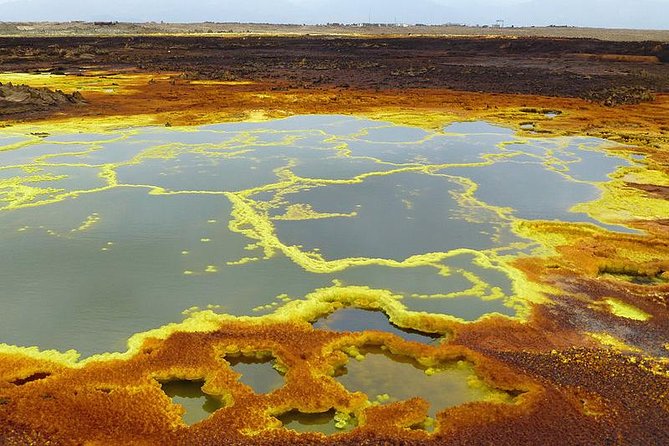
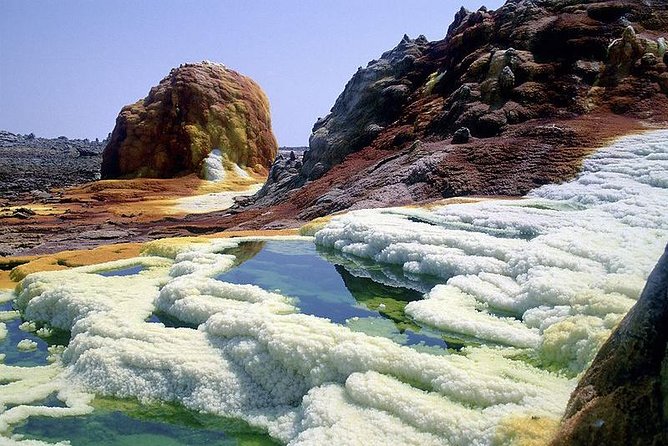
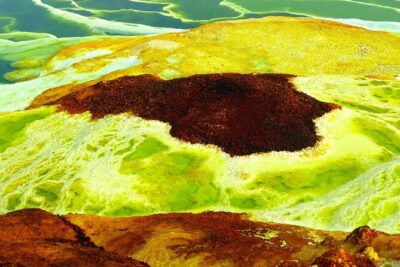
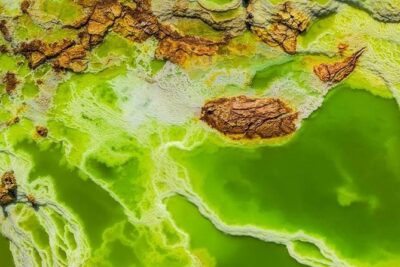
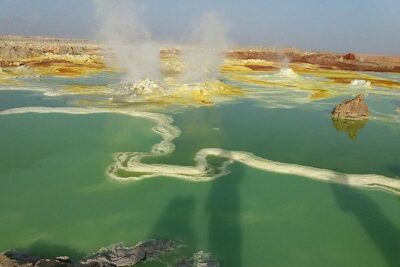
From there, you head toward Dallol for the big visual contrast. Dallol is known for colorful mineral features created by volcanic activity, and this is the day where the terrain looks intentionally unreal. You spend time here before moving on to Lake Assal, which sits far below sea level, and is part of what makes this region so extreme.
Then there is the human piece. The plan includes a walk with Afar people, which can add context to what you are seeing. On this day especially, your best mindset is curiosity plus respect for how locals work and move through the environment.
One important season note: the plan says there are no camel caravans in July, August, and early September. If you travel during those months, you can still expect the rest of day three, including the salt mining and the Dallol and Lake Assal elements, but you should not count on a caravan moment.
The day ends with the return drive to Semera and then a flight back toward Addis. It is a long finish, so do not plan anything tight the moment you land.
What three days can actually cover
Food, vehicle, and what the package really covers
This tour includes an air-conditioned vehicle, which matters more than people think on this route. The heat does not only affect you at your stops. It affects your ability to recover between stops.
On the food side, the package is well covered. You get breakfast (2), lunch (3), and dinner (2). That is a big deal on a remote itinerary because you avoid the common Danakil problem, eating randomly or paying extra just to stay fueled.
All fees and taxes are listed as included, along with permits and entrance fees. That is the part that often turns a cheap-looking trip into a stressful one after the fact. Here, the trip is trying to remove those surprises.
Not included: alcoholic drinks, plus personal items like internet, fax, and telephone. So if you care about staying connected, budget for what you will need separately.
Group size, guides, and communication reality in the Afar region
This tour runs with a maximum of 10 travelers, which is a sweet spot for a place like this. You get small-group attention without the chaos of a huge bus crowd. It also tends to make it easier for guides to manage pace and safety decisions when conditions change.
From the guide names you may hear associated with this operator, you will likely see people like Tesfa and Aki highlighted for guiding and organizing during Erta Ale and Danakil days. You may also run across names like Demeke for coordination support, and Abraham for arranging trips, plus other team members involved in driving, cooking, and local guiding.
Still, balance matters. Some feedback points to mixed communication clarity once you are on the ground, especially about the exact flow of the program. I would treat that as a practical warning, not a deal breaker. In your case, the fix is simple: before you commit to anything each morning, ask for the day’s key times and what is optional. Then confirm that again at the start of the activity period when the plan changes.
Also keep expectations realistic. This is a very poor region by Ethiopian standards. The trip can be well organized, but you should assume the comforts are not like major safari circuits.
Price check: is $450 a good value for Danakil and Erta Ale?
At $450 per person for 3 days, you are paying for three tough things at once:
1) hard logistics (long drives and remote access),
2) entry and permit costs, and
3) meals across the full schedule.
Because entrance fees and permits are listed as included, you are less likely to find surprise add-ons once you reach the sites. Meals are also included in a way that keeps you on schedule, which matters on days that start early.
Value depends on what you would otherwise spend to piece this together yourself. If you were trying to replicate it independently, you would likely pay extra for transport, local access arrangements, and site fees. Even then, coordinating Erta Ale access and the salt and Dallol stops is not simple.
Where the price might feel tight is that some parts of the route are physically demanding and weather dependent. You should also budget for items that are not included, like alcohol and personal connectivity needs. The tour description also says “good weather” is required, and if it is canceled due to poor weather, you will be offered a different date or a full refund.
Finally, this kind of trip often has demand, and the tour is described as commonly booked about 40 days in advance on average. If you want a specific departure window, start checking earlier than you think.
Who should book this, and who should skip it
You should strongly consider this tour if you want a true expedition-style weekend that mixes:
- close-up volcano viewing at Erta Ale,
- crater and sunrise timing,
- salt mining scenes and a cultural walk with Afar people,
- Dallol and Lake Assal within one short trip.
You should also have moderate physical fitness. The itinerary includes crater walking and time on volcanic ground. You do not need to be an athlete, but you do need to be comfortable with strenuous walking in hot conditions.
Skip or rethink if you hate heat, short windows of rest, or unpredictable activity levels at a living volcano. Also rethink if you need highly detailed communication and strict schedule certainty every hour. This trip works best when you are flexible and you accept that remote travel has quirks.
If you go, take heat seriously. Bring what you need to protect yourself and keep drinking water when it is available. In Danakil terrain, small health issues can turn into big days.
Should you book this Danakil Depression tour?
If your top priority is the Erta Ale lava lake experience plus Danakil’s salt and Dallol terrain, this is a tour that fits the job. The package covers the big moving parts: AC transport, entrance fees and permits, and a full set of meals. Plus, the small max group size helps keep the days from feeling like cattle sorting.
At the same time, I would go in with eyes open. Some people report communication problems and a few serious-sounding operational issues like tire problems early in the drive. That does not automatically mean your trip will go badly, but it is a reason to:
- confirm the day’s timing each morning,
- pay attention to safety and vehicle condition when you get in,
- keep your expectations grounded for a very remote area.
If you want a disciplined, high-comfort checklist tour, you might find this one too raw. But if you want a real-feeling, hard-to-recreate Ethiopia route, this is worth serious consideration.
FAQ
How much does the 3 Days Danakil Depression Tour cost?
The price is $450.00 per person.
How long is the tour?
It runs for 3 days (approx.).
Is pickup included, and do they use a mobile ticket?
Yes, pickup is offered, and a mobile ticket is included. The tour also uses an air-conditioned vehicle.
What meals and costs are included in the price?
Meals included are breakfast (2), lunch (3), and dinner (2). Entrance fees and permits are also included. Alcoholic drinks and personal items like internet, fax, and telephone are not included.
Do I need any fitness level?
The tour notes that travelers should have a moderate physical fitness level. The group size has a maximum of 10 travelers.
Are camel caravans included on every date?
No. The plan says there is no camel caravan on July, August, and early September.
What is the cancellation and weather rule?
There is free cancellation. You can cancel up to 24 hours in advance for a full refund. The experience requires good weather, and if it is canceled due to poor weather, you’ll be offered a different date or a full refund.
Browsing Ethiopia More Widely
- 3 Days Danakil Depression Tours Via Semera
★ 5.0 · 47 reviews - 3 Days Danakil Depression Tour
★ 5.0 · 15 reviews - 3 Days 2 Nights Small Group Danakil Depression Tours
★ 4.5 · 13 reviews - 3 Days Danakil Depression Tour
★ 5.0 · 6 reviews - 3 Day Guided Tour Throughout Danakil Depression in a Small Group
★ 5.0 · 6 reviews
The Rest of the Ethiopia List
- 3 Days Danakil Depression Tours Via Semera
★ 5.0 · 47 reviews - 3 Days Danakil Depression Tour
★ 5.0 · 15 reviews - 3 Days 2 Nights Small Group Danakil Depression Tours
★ 4.5 · 13 reviews - 2 Nights 3 Days Visiting Danakil Depression
★ 5.0 · 12 reviews - 4 days semien mountain national park trekking,
★ 5.0 · 11 reviews
Into the Danakil Depression
- 3 Days Danakil Depression Tours Via Semera
★ 5.0 · 47 reviews - 3 Days Danakil Depression Tour
★ 5.0 · 15 reviews - 3 Days 2 Nights Small Group Danakil Depression Tours
★ 4.5 · 13 reviews - 2 Nights 3 Days Visiting Danakil Depression
★ 5.0 · 12 reviews - 3 Days Danakil Depression Tour
★ 5.0 · 6 reviews
Other Ethiopia tours we have written up

Danakil Depression & Erta Ale, compared.
 ★ 5.03 Days Danakil Depression Tours Via SemeraFrom $42047 reviews
 ★ 5.012 Days SIMIEN MOUNTAIN-LALIBELA-DANAKIL-TIGRAY CHURCHESFrom $1,64145 reviews
 ★ 5.03 Day Danakil Depression Ertale and Dallol ToursFrom $40044 reviews
 ★ 5.03 Days Dankile Depression group ToursFrom $45040 reviews
 ★ 5.05 DAYS Lalibela, Axum, Tigray churches and DanakilFrom $1,02534 reviews
 ★ 5.06 Days tour Package (Simien Mountains, Lalibela, and Danakil Depression)From $1,43532 reviews
 ★ 4.82-Night 3-Day Danakil Depression Tour without FlightsFrom $30031 reviews
 ★ 5.0Lalibela, Axum, Danakil and Omo Valley 8 DAYSFrom $2,05129 reviews
Browse the lists this tour appears in