
REVIEW · AWASH & BALE NATIONAL PARK TOURS
6 Days Bale Mountains Trekking
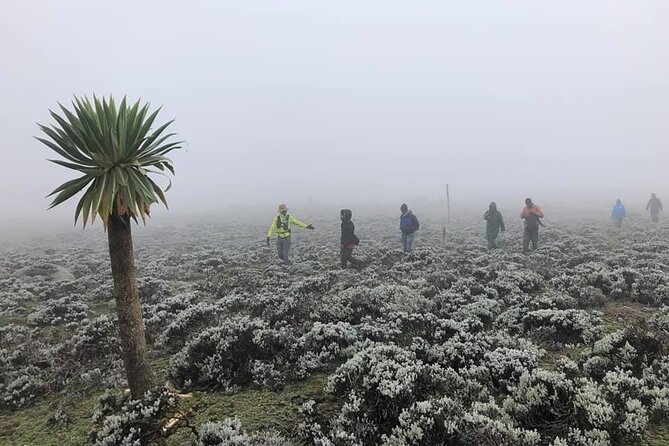
The Bale Mountains trek hits fast. You get high-altitude camping, real wildlife odds, and scenery shaped by ancient ice and super-volcanoes. Add a drive into Harenna Forest for a change of habitat, and you get a route that feels like more than just another walk in the hills.
What I like most is how much the trip centers on wildlife encounters in places like Dinsho HQ and the Mararo Valley. I also like the steady, practical pace, from a full 18 km day toward Sodota Camp to the longer forest day with the waterfall and bamboo trail. It is a good fit if you want effort, not just photos.
One consideration is altitude. Camps run around 3100 m to 3900 m early on, and you should plan to take it easy, drink water, and move steadily. If you are sensitive to altitude, this is the part to think about before you commit.
In This Review
- Key highlights you should care about
- Bale Mountains trekking that feels more like real wilderness than a checklist
- Starting in Goba and heading for Dinsho HQ at 3100 m
- Day 2’s 18 km hike to Sodota Camp, with the Wolla and Web rivers
- Day 3 through Mararo Valley: eagles, verros, and more wolf odds
- Day 4’s big-geology day: super-volcano shapes and ice-age relief
- Day 5 to Harenna Forest: waterfall hike, bamboo trail, and tropical birdlife
- Day 6: the smooth exit back to your flight
- Price and value: what $488 includes, and what you should budget for
- How “moderate fitness” plays out on the trail
- Who this trek is perfect for, and who should think twice
- Should you book this 6-day Bale Mountains trek?
- FAQ
- What time does the tour start each day
- Where will I be picked up
- Is park admission included
- What meals and drinks are included
- What is the hiking fitness level
- How large is the group
- What costs are not included in the price
- FAQ
- What happens if the weather is bad
- Can the trip be canceled for a full refund
- What if the minimum number of travelers is not met
- Is confirmation provided after booking
- What accommodation style should I expect
Key highlights you should care about
- Dinsho HQ wildlife time in juniper woodlands, including species linked to the Bale region
- An 18 km hike on Day 2 that balances distance with big views and river scenery
- Ethiopian wolf and raptor spotting potential around the Wolla and Web rivers and Mararo Valley
- Harenna Forest switch-up on Day 5, with a trek to a waterfall plus a bamboo trail
- Small group size (max 10) that keeps the experience manageable and personal
- All fees, taxes, and park admission included for the trek days, so pricing is clearer
Comparing operators? These Ethiopia trips scored well when we went through them.
- 3 Days Danakil Depression Tour★ 4.5 · 135 reviews
- 3 Days Danakil Depression Tours Via Semera★ 5.0 · 47 reviews
- 3 Days Danakil Depression Tour★ 5.0 · 15 reviews
- 3 Days 2 Nights Small Group Danakil Depression Tours★ 4.5 · 13 reviews
Bale Mountains trekking that feels more like real wilderness than a checklist
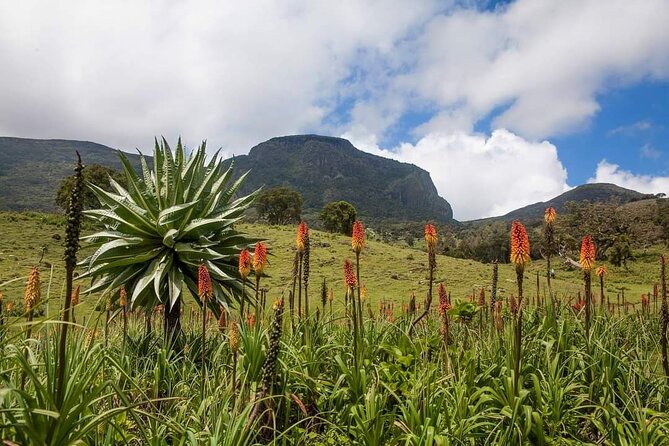
If you are searching for Ethiopia that goes beyond city sights, the Bale Mountains are a strong answer. This trek mixes high-country walks with a habitat change into Harenna Forest, so you are not stuck in one kind of scenery for six days. You are also camping at set locations like Dinsho, Sodota, Wasema, and Tokuma (or similar), which keeps the route simple to follow.
The tour is run by Armaye Ethiopia Tours, and the guiding approach matters here. Based on what I’ve seen from their operations and the named guides tied to this experience, the team focuses on being communicative, caring, and safety-minded. That is especially helpful when you are hiking at altitude and sharing narrow trails with local livestock and wildlife territory.
Price-wise, $488 per person is not a bargain deal, but it is also not inflated for what you get. You receive meals (5 breakfasts, 5 lunches, 5 dinners), accommodation, park admission, and daily transport in an air-conditioned vehicle. The big thing that costs extra is the domestic flight fee, plus tips and personal spending.
Starting in Goba and heading for Dinsho HQ at 3100 m
Your day begins with a pickup after you arrive at Goba airport, then you drive to Dinsho town where the national park headquarters is. This matters more than it sounds. Starting with park HQ gives you a wildlife-focused opening while you are still fresh, before fatigue and altitude stack up.
The hike passes through park HQ, where your odds improve for species tied to the Bale highlands. Expect a chance at mammals such as Menilik’s Buchbuck, Mountain Nyala, Warthog, Reedbuck, Gray Duikers, and Baboons. Birds are a major theme too. You may see Black-headed siskin, Wattled Ibis, and Abyssinian cat bird, especially in the juniper woodlands around headquarters.
That combination is one of the smartest ways to start a trek. You are not only walking to reach a camp, you are walking in an area designed for viewing wildlife. You will sleep at Dinsho Campsite at about 3100 m, which sets your first altitude baseline for the trip.
Practical note: Day 1 is described as a 7-hour block with admission included. You should still plan for a long travel day, then hiking time, so pack light but bring layers. Mornings and evenings in the high country can feel chilly fast.
Day 2’s 18 km hike to Sodota Camp, with the Wolla and Web rivers
Breakfast first, then you start the standout hiking day: an 18 km trek to Sodota Camp. This is where you feel the Bale Mountains for real. The route runs near the Wolla and Web rivers, which is a big deal for wildlife viewing. Water corridors tend to concentrate animals and birds, and they also change the feel of the walk, with more frequent pauses for scanning and photos.
You are in Bale territory known for the Ethiopian Wolf, plus Rock hyrax, and birds of prey. The text also frames this day as a classic mix of scenery and fauna, and that is exactly how river-adjacent highland routes usually play out. Some sightings will be brief. Some will be a matter of watching for movement and listening for calls.
You sleep at Sodota campsite at about 3500 m. That altitude bump is why the distance matters. You are moving for hours, so keep your effort steady rather than sprinting early.
A small strategy that helps: keep a routine. Walk at a pace you can sustain, drink water regularly, and take short breaks. Altitude hiking rewards discipline more than motivation.
Day 3 through Mararo Valley: eagles, verros, and more wolf odds
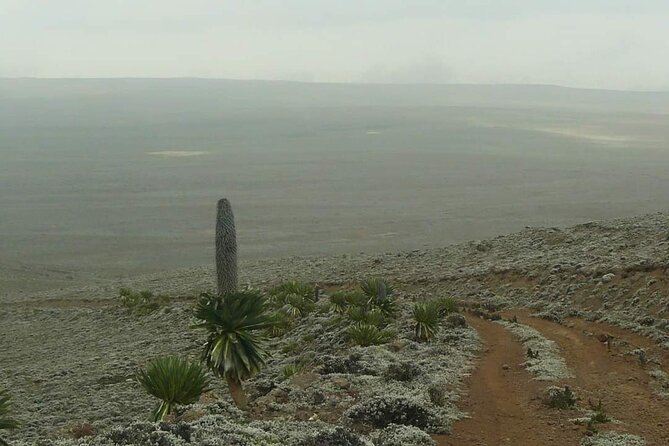
Day 3 continues the wildlife theme with a trek through the Mararo Valley. The route includes a 7-hour hike, and the natural stops can make the day feel longer or shorter depending on what you spot. The highlight mentioned here is the chance to see eagles nesting alongside verros. That specific detail is your clue that the day is timed for observation, not just marching.
You also have chances for Ethiopian wolf and additional bird species. In practice, this means you should expect a lot of “look up, look around” moments. When you are in wolf country, you are often scanning for motion at dawn or late day, but you may also catch signs around the right terrain. Either way, the best approach is patience.
Overnight is at Wasema campsite at about 3900 m. This is the highest altitude number mentioned so far, so it is wise to treat Day 3 as your acclimatization test. If you get a headache, feel unusually nauseated, or feel your breathing is out of sync, you should not push harder. Tell your guide, slow down, and take breaks.
More walking and trekking across Ethiopia
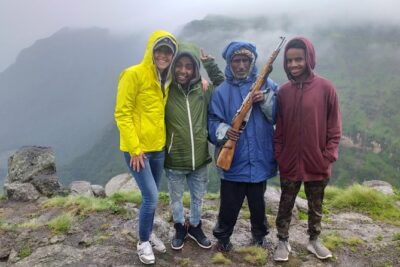
Day 4’s big-geology day: super-volcano shapes and ice-age relief
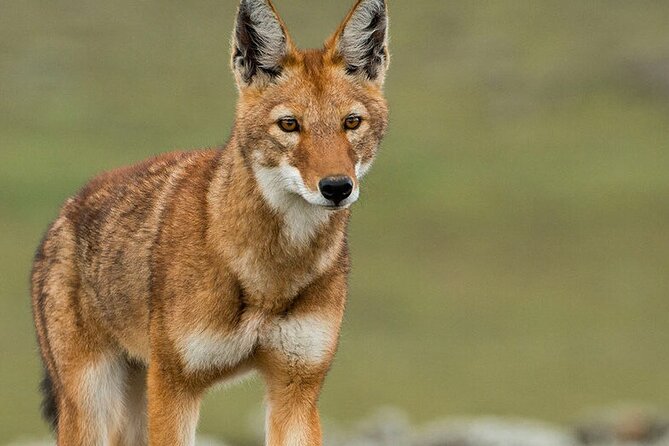
Day 4 is different from the earlier days. Instead of listing species line by line, the focus turns to geology and how the terrain formed. As you trek, you start to see the local mountain range’s formation tied to a prehistoric super-volcano. The day also points to how the ice age shaped Ethiopia’s relief.
For you, this is a good break from constant wildlife scanning. It gives your eyes a new job: reading the ground, not just chasing sightings. Geological context can make the hike more meaningful, especially when the terrain starts to look jagged, sculpted, or layered in ways you would miss without a guide.
The hike is listed as about 8 hours with admission included. That is not a short day, so you still need to pace yourself. If you enjoy explanation during hikes, this is a highlight day. If you prefer straightforward viewing time, the geological angle may still help you understand why the landscape feels the way it does.
Day 5 to Harenna Forest: waterfall hike, bamboo trail, and tropical birdlife
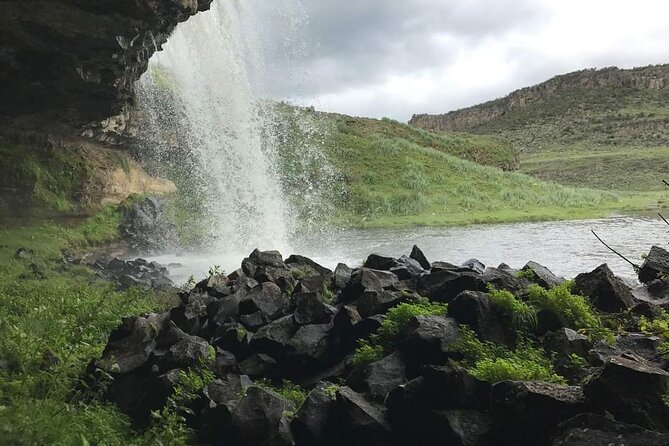
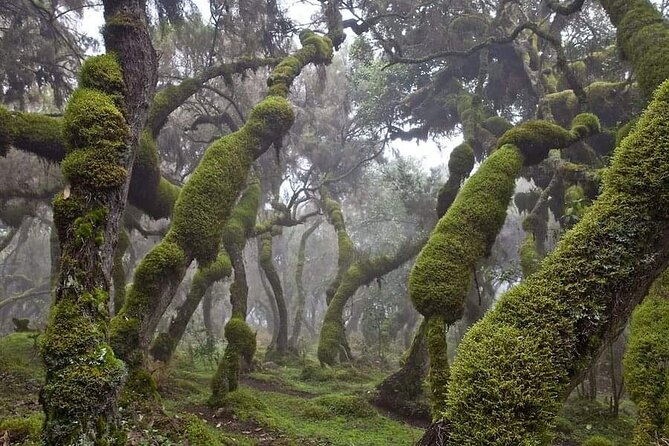
After breakfast, you meet the vehicle and drive toward Harenna Forest, described as the second tropical rain forest in the country. That habitat shift is one of the best reasons to do the full six days rather than shortening it. You go from highland trekking rhythm into something that feels like a different Ethiopia.
On the way, you have a chance at more species, including the endangered Ethiopian wolf, plus Abyssinian hare. Birdlife also takes center stage with mentions like Blue-winged Goose, Ruddy shell duck, Wattled Crane, and others.
Then the day becomes a forest trek: hiking to a waterfall and along a bamboo trail. This is where you should expect humidity, denser vegetation, and a slower scanning style. The tour notes that the endemic Bale Monkey can be seen in the area, along with numerous birds. Even if you do not see a long sequence of animals, the sensory change, bird calls, and moving shadows through the forest often feel worth the effort.
Overnight is Tokuma or similar. This is another sign the tour is built around established camping stops, not spontaneous sleeping. You get structure, and you can focus on enjoying the walk.
Time block: 9 hours with admission included. That is the longest day of the trek, so plan your energy. Bring a flexible mindset. In forest environments, your progress can slow because everything is denser and you stop more often to look.
Day 6: the smooth exit back to your flight
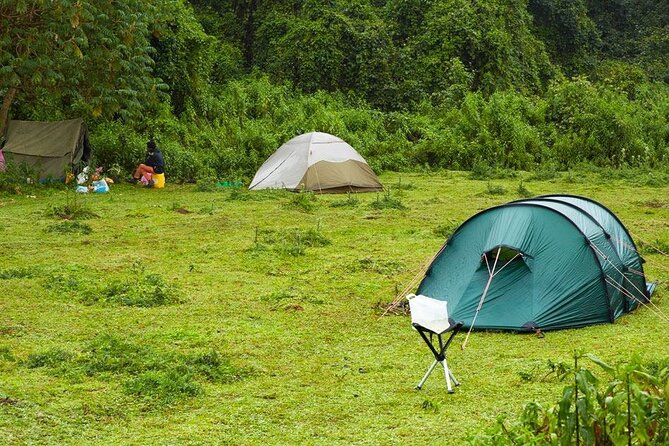
The final morning is transfer time. After breakfast, you go to the airport for your flight back to Addis. This part is described as about 2 hours.
This ending is valuable because it keeps the last day from turning into a long, exhausting “almost there” trek. You can pack up, eat, and then move on.
Also, remember that the domestic flight fee is not included. Make sure you budget for that separately so you do not get surprised when you check your total trip cost.
Price and value: what $488 includes, and what you should budget for
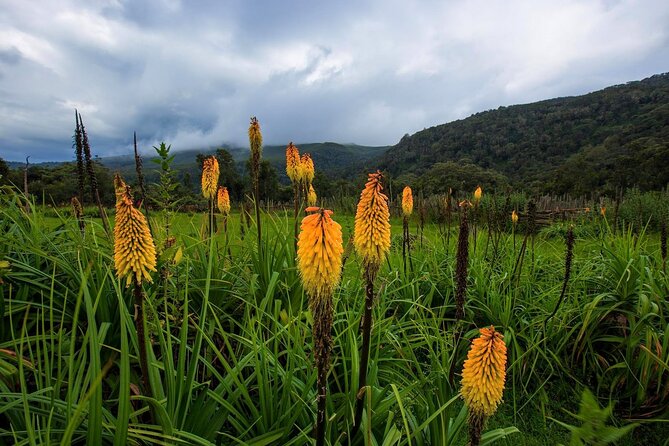
For $488 per person, you get a package that covers a lot of the expenses that usually add up on trekking tours. Specifically, the trip includes:
- Accommodation at the campsite stops
- Meals: 5 breakfasts, 5 lunches, 5 dinners
- Airport pickup and daily driving in an air-conditioned vehicle
- Bottled water, plus coffee and/or tea
- All fees and taxes, including park admission listed as included each day
- A group size capped at 10 travelers
What costs extra: domestic flight fee, tip, and miscellaneous personal expenses like alcohol and souvenirs.
So is it good value? In my view, yes, if you want a guided trek where food, lodging, and park access are already handled. The main reason value stays decent is that you do not have to plan and pay for a pile of park charges day by day. If you were booking these elements separately, you would likely spend more time and mental energy than the tour asks you to spend.
How “moderate fitness” plays out on the trail
The tour asks for moderate physical fitness level, and the itinerary gives you hints about what that means. Two days are long hiking blocks, and one includes a specified distance: 18 km on Day 2. Then you get a forest day that adds extra walking to a waterfall and bamboo trail.
That suggests you do not need to be an athlete, but you do need stamina and the ability to keep going on uneven ground. If you are new to hiking, you might be able to do it with training and reasonable expectations, but altitude can make any “moderate” hike feel harder.
A few smart prep moves that match what the tour requires:
- Get comfortable walking for several hours at a time
- Practice taking breaks without collapsing
- Pack layers for cool morning starts and warmer midday sun
- Hydrate consistently, especially once you hit the higher camps
Who this trek is perfect for, and who should think twice
This 6-day Bale Mountains trek is a great choice if you:
- want wildlife-focused trekking with Ethiopian wolf and highland bird chances
- enjoy guided hikes where your guide helps you spot animals and understand terrain
- like the idea of two habitat types in one trip, highlands and Harenna Forest
- prefer a small group capped at 10 travelers
It may be less ideal if you:
- get strongly affected by altitude and you are unsure you can handle camp elevations like 3500 m and 3900 m
- want a relaxed, low-walking experience, since several days are long
- are hoping for a purely luxury style trek, since the experience is built around camps and nature settings
Should you book this 6-day Bale Mountains trek?
If your goal is to see real Ethiopian nature, not just check a box, I think you should seriously consider it. The strongest reasons: the mix of wildlife opportunities at Dinsho HQ and along river and valley routes, plus the habitat change into Harenna Forest with waterfall and bamboo trail.
It is also a solid call if you appreciate clear inclusions. With park admission, accommodation, and most meals handled, you can focus on hiking and spotting rather than chasing logistics.
The biggest decision point for most people will be altitude. If you are comfortable with moderate hiking and you take the first days at a sensible pace, this trek can feel like one of Ethiopia’s most satisfying outdoor experiences.
FAQ
What time does the tour start each day
The tour start time is listed as 8:30 am.
Where will I be picked up
You will be picked up after arrival at Goba airport, then you drive to Dinsho where the park headquarters is located.
Is park admission included
Yes. The tour notes that admission ticket is included on each listed day.
What meals and drinks are included
The tour includes breakfast (5), lunch (5), dinner (5), plus bottled water and coffee and/or tea.
What is the hiking fitness level
It is recommended for travelers with moderate physical fitness.
How large is the group
The tour has a maximum of 10 travelers.
What costs are not included in the price
Not included are the domestic flight fee, tips, and miscellaneous expenses such as alcoholic drinks and souvenirs.
FAQ
What happens if the weather is bad
The experience requires good weather. If it is canceled due to poor weather, you will be offered a different date or a full refund.
Can the trip be canceled for a full refund
Yes, you can cancel for a full refund if you cancel at least 24 hours before the experience’s start time.
What if the minimum number of travelers is not met
If it is canceled because the minimum number of travelers is not met, you will be offered a different date or a full refund.
Is confirmation provided after booking
You should receive confirmation at time of booking.
What accommodation style should I expect
Accommodation is included, and the trip specifies campsite overnights such as Dinsho Campsite, Sodota campsite, Wasema campsite, and Tokuma or similar.
Trekking the Ethiopian Highlands
- 4 days semien mountain national park trekking,
★ 5.0 · 11 reviews
The Rest of the Ethiopia List
- 3 Days Danakil Depression Tour
★ 4.5 · 135 reviews - 3 Days Danakil Depression Tours Via Semera
★ 5.0 · 47 reviews - 3 Days Danakil Depression Tour
★ 5.0 · 15 reviews - 3 Days 2 Nights Small Group Danakil Depression Tours
★ 4.5 · 13 reviews - 2 Nights 3 Days Visiting Danakil Depression
★ 5.0 · 12 reviews
Other Ethiopia tours we have written up

Awash & Bale National Park Tours, compared.
 ★ 4.52 Days Wildlife Safari to Awash National ParkFrom $35821 reviews
 ★ 5.03 Days Bale Mountains TrekkingFrom $41019 reviews
 ★ 4.55 Days Tour to World Heritage–listed Harrar, Dire Dawa and Awash NATIONAL PARKFrom $87110 reviews
 ★ 5.0Awash National Park ToursFrom $40010 reviews
 ★ 5.0Bale Mountains National Park – 5 Day TourFrom $2,2604 reviews
 ★ 4.1From Addis Ababa: 2-Day Awash National Park and CraterFrom $3003 reviews
Browse the lists this tour appears in