
REVIEW · AWASH & BALE NATIONAL PARK TOURS
Bale Mountains National Park – 5 Day Tour
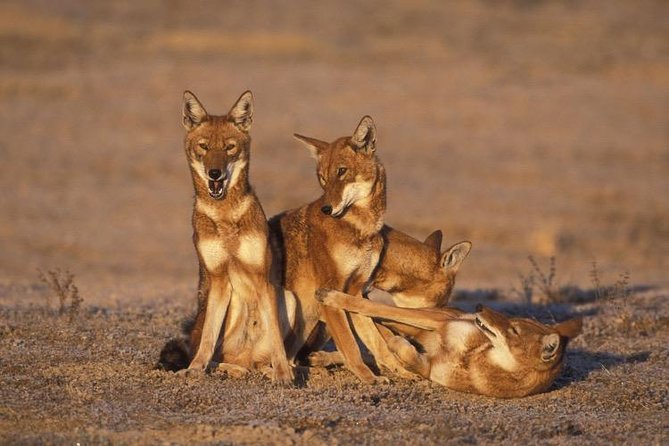
Wolves in the wild, on foot. This 5-day Bale Mountains trek from Addis Ababa is built around real time outdoors, with a serious chance to spot the Ethiopian Wolf in its highland home. You also get big views and a smart rhythm, with multi-day walking starting at Dinsho and finishing toward the Sanetti Plateau area.
I also like how practical this feels from the start. You leave at 6:00 am and ride in a latest-model Land Cruiser, plus you have a local guide who focuses on animals and birds, not just the trail. One possible drawback: the walking is no joke, and you should be ready for long days and altitude, including a climb up around Mount Wasama at 4,200 meters.
If you want your Ethiopia trip to be about nature first, not just sightseeing from the road, this is a strong fit. Three and a half days of trekking in the national park, two or more camping nights, and a proper sendoff dinner back in Addis make it feel like a complete package.
In This Review
- Key things I’d circle before you book
- Bale Mountains trekking in 5 days: what you’re really signing up for
- From Addis Ababa to Dinsho: the drive has wildlife value
- Day 1 in Dinsho: forms, first views, and a gentle start
- Day 2: Dinsho to Sodota trek, 20 km of wildlife time
- Day 3: Sodota to Wasama Valley, the bird-and-wolf day
- Day 4: Garba Guracha to Wasama, Mount Wasama at 4,200 m
- Day 5: back to Addis, plus a cultural buffet sendoff
- Camp life and comfort level: what’s included and what to expect
- Ethiopian Wolf chances: how to think about wildlife viewing
- Price and value: is $2,260.26 worth it?
- Who should book this, and who should skip it
- Should you book this Bale Mountains National Park trek?
- FAQ
- Where does the tour start, and when do we leave?
- Is pickup offered?
- How long is the tour and how much trekking is included?
- What fitness level do I need?
- Is this a private tour or shared group?
- What is included in the price?
- What is not included?
- Is there a mobile ticket?
- What is the cancellation policy?
- What happens on the final day in Addis Ababa?
Key things I’d circle before you book
- Ethiopian Wolf viewing focus, paired with long, flexible time in the park (not rushed stop-and-go)
- Long trek days (often 5 to 7 hours), including a high point near Mount Wasama (4,200 m)
- Wildlife and birdlife on both road and trail, with a Lake Ziway bird stop on the drive south
- Guides who know how to work a wildlife day, including fast spotting of animals and bird calls
- Private tour style, so your group moves as one unit with your own vehicle and guide
Other park days at Awash and Bale
- 2 Days Wildlife Safari to Awash National Park★ 4.5 · 21 reviews
- 5 Days Tour to World Heritage–listed Harrar, Dire Dawa and Awash NATIONAL PARK★ 4.5 · 10 reviews
- Awash National Park Tours★ 5.0 · 10 reviews
- Bale Mountains National Park – 5 Day Tour★ 5.0 · 4 reviews
Bale Mountains trekking in 5 days: what you’re really signing up for
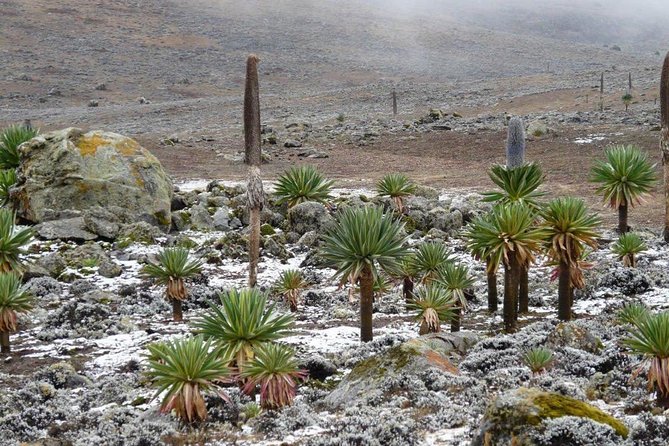
This trek is built for people who enjoy being out in the Ethiopian Highlands, where the air changes, the ground underfoot feels different, and wildlife sightings can happen because you’re actually there, not because you’re hunting from a bus window.
Your route runs from Dinsho, at the park headquarters area, toward higher terrain including the Sanetti Plateau zone. Along the way you spend about 3.5 days trekking in the park, with camping on some nights and steady daytime walking that can last 5 to 7 hours.
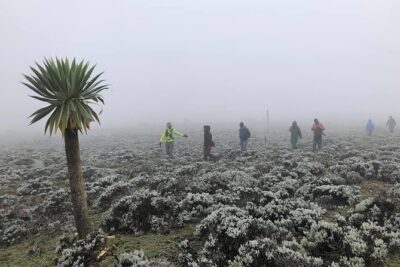
The best part is the mix. You get high alpine scenery and serious wildlife possibility, including the Ethiopian Wolf and other iconic highland species. You also get birdlife that tends to show itself when you slow down and move steadily through the habitat.
From Addis Ababa to Dinsho: the drive has wildlife value
You meet at Bole Airport in Addis Ababa at 6:00 am. If you’re counting on an easy morning, this early departure is worth planning around. The reward is that you reach the park area with enough daylight left for forms, logistics, and potentially a short walk.
On Day 1, you drive toward the Bale region with a couple of useful stops. There’s a stop near Lake Ziway specifically to see local birdlife. You also stop for lunch in Shashmene, about 250 km from Addis, before continuing to Dinsho.
In Dinsho, you check in at the Bale Mountains National Park headquarters and handle the trekking forms you’ll need. If time allows, you can do a short hike along the northern part of the park near where you’ll be staying for the night. That warm-up step matters. It helps your legs feel ready before the longer trek days start.
Why this drive day is worth caring about: the Bale region is known for wildlife visibility even from the road. When the habitat gets closer to alpine zones, animals can start showing up during the drive, so your eyes stay busy even before the trekking begins.
Day 1 in Dinsho: forms, first views, and a gentle start
Dinsho is where the trip’s rhythm begins. By late afternoon you arrive and take care of the park headquarters paperwork. This may sound boring on paper, but it’s part of what keeps the rest of the trek smooth.
If you have time, you get a short hike near the area where you’re staying. I like this because it gives you a first taste of the park without exhausting you. It also lets your guide start pointing out what to look for, especially birds.
That first night in Dinsho is your reset before the real trekking. Dinner and overnight stay in a Dinsho guest house means you’re not sleeping cold and exposed on Day 1, which is a big practical advantage if you want good energy for the next day.
Day 2: Dinsho to Sodota trek, 20 km of wildlife time
Day 2 starts after breakfast with your main trek push out of Dinsho toward Sodota. This is about 20 km and usually takes around 6 to 7 hours.
This is a day where the “trek” part is doing real work. You’re not doing a short nature walk. You’re walking long enough that you earn the view time and the wildlife patience.
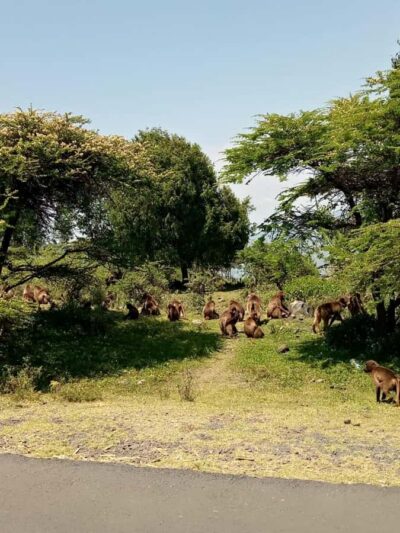
The wildlife and birdlife odds are a major part of why the route is laid out like this. You’re in territory where you might see mountain Nyala, Menelik bush buck, warthog, and the Ethiopian Wolf. Birdlife possibilities listed for this day include thick-billed raven, wattled ibis, blue-winged goose, and Rouget’s rail.
Practical note: you’ll have lunch at the midway point on the trail. That helps keep energy stable, and it also breaks the day so you’re not just grinding from start to finish.
That day ends with dinner and overnight camping at Sodota. Camping days mean you’re trading hotel comfort for immersion, and you should be mentally ready for simpler setup. The upside is that you’re right where the action is, instead of commuting back and forth.
Day 3: Sodota to Wasama Valley, the bird-and-wolf day
Day 3 is another solid trek day, typically about 5 to 6 hours from Sodota to the Wasama Valley. You start at the Sodota campsite area after breakfast and then work your way deeper toward higher habitat.
Lunch is again at the midway point. I like this pattern because it keeps your day predictable, and you can pace yourself without guessing when the next meal will happen.
This is also a day built around raptors and wolves. Your possible sightings include lammergeyer and Verraux eagles, plus the Ethiopian Wolf. If you enjoy birds, this type of day is ideal because higher zones often mean more visible soarers circling above.
What I’d watch for as you hike: when the wind picks up and visibility improves, birds often become easier to spot. Your guide’s job is to read the terrain and habitat. If your guide is sharp on bird identification, this day can turn into a nonstop spotting game.
Day 4: Garba Guracha to Wasama, Mount Wasama at 4,200 m
Day 4 is the big altitude day. You trek from Garba Guracha to Wasama, and the hike takes about 6 to 7 hours.
On the route, you climb Mount Wasama, which sits around 4,200 meters above sea level. You’ll also pass through areas dotted with giant lobelia and other plants typical of high altitude Afro-alpine landscapes.
This is the day to take your pace seriously. At higher elevations, even “normal” walking can feel slower. Plan on moving steadily, not heroically. If you try to match a younger person’s pace, you’ll probably pay for it later.
The payoff is the kind of highland scenery that makes you look around more often than you expect. Also, when you reach higher points, wildlife tends to become more about presence and behavior, not crowds. So if you like quiet focus, this day fits.
You end in Garba Guracha with dinner and overnight camping. Another night in camp means you get to sleep near the environment you hiked through, which is part of the charm, even if comfort is simpler than a lodge.
Day 5: back to Addis, plus a cultural buffet sendoff
You wrap the trek and head back to Addis Ababa. Your final day includes staying at your reserved hotel and then a farewell dinner at Yod Abyssinia Cultural Restaurant.
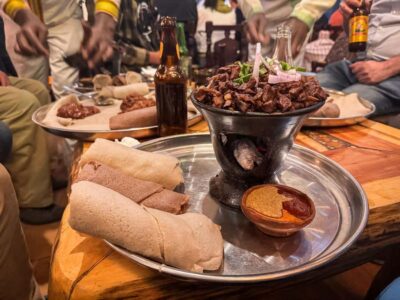
The dinner is an Ethiopian traditional buffet with a live cultural music show. This is a good way to decompress without the stress of searching for food after a long hike day.
If you’re thinking about photos or souvenirs, Day 5 is the day to settle that stuff before you sleep, since the day is likely to feel like a transition from outdoors mode to city mode.
Also, remember that camera and photography fees are not included. If you want to shoot in the park or pay on-site for photo permissions, you’ll want to handle that ahead of time based on what your guide tells you.
Camp life and comfort level: what’s included and what to expect
This tour includes use of a latest model Land Cruiser and a local and professional guide. It also includes fees like admission, fuel surcharge, gratuities, and parking, plus breakfast on four days.
For camping, you’re likely getting tents and simple camp meals. Based on prior experiences with this kind of trek setup, the goal is practical fuel for hiking, not fancy gastronomy. The food tends to be straightforward, but if the day’s wildlife spotting and weather cooperate, you won’t care much about culinary complexity.
The main comfort issues are the usual trekking ones:
- You’ll spend nights camping, so pack for that reality.
- You’ll be walking for hours, so shoes and layers matter more than stylish outfits.
- You’ll start early on at least one day, so don’t plan on late nights at home the day before.
Good news: the structure is clear. You’re not left guessing where meals happen or when you’ll break. Lunch at midway points on the trekking days is a big help for energy management.
Ethiopian Wolf chances: how to think about wildlife viewing
You’re being sold a very specific possibility: Ethiopian Wolf in the wild. The truth is that wildlife sightings depend on timing, weather, and how the habitat is behaving that day.
But the way this trek is designed supports wolf viewing better than many casual park tours. You spend multiple days on foot in the right highland zones, you’re not rushing between far-apart spots, and you’re guided by someone who can identify species and work the terrain.
One detail I really like is the emphasis on birds too. If you’re also watching for raptors and other highland species, you’re more likely to notice movement and changing conditions. Your guide can help connect what you see to what might come next.
If you’re a photographer, you’ll probably want to plan for the camera and photography fees not being included. Even if you don’t pay for anything extra, the light and conditions at altitude can still reward steady patience.
Price and value: is $2,260.26 worth it?
At $2,260.26 per person, this is not a budget trek. But you are paying for a lot of the expensive parts of remote travel.
Here’s where the value comes from, based on what’s included:
- A latest-model Land Cruiser for the full transfer from Addis to Dinsho and back
- A local and professional guide for the trekking days
- Fees covered, including admission, fuel surcharge, gratuities, and parking
- Breakfast on four days (so you’re not constantly figuring out meals during the trek)
- A private tour structure, meaning your group moves together rather than mixing into a larger crowd
What you still need to budget for:
- Alcoholic drinks are not included
- Camera and photography fees are not included
So the question becomes: do you want a guided, organized, private trek with covered logistics and highland wildlife focus? If yes, the price starts to make sense. If you’re comfortable self-organizing and you mainly want scenic viewpoints, you could find cheaper options. But if you care about the Ethiopia Wolf chance and want the trek days handled end-to-end, this is in the category where you’re paying for competence and time in the right zones.
Who should book this, and who should skip it
This trek is a great fit if you want nature and wildlife to be the core of your trip, not a side activity. You’ll get about 3.5 days of trekking, realistic time outdoors, and a route that aims at high alpine species and birds.
You should also like structure. The day plans are clear, with lunch midway points and camping nights on trek days.
Skip it if:
- You’re not comfortable with 5 to 7 hour trekking days
- You struggle with altitude or long walking at higher elevations
- You want hotel comfort every night
If you have moderate physical fitness, and you train a little before you go, this is an achievable adventure. The key is pacing yourself, especially on the Mount Wasama day around 4,200 meters.
Should you book this Bale Mountains National Park trek?
If your travel style is outdoors-first, you want a guided plan, and you’re serious about the Ethiopian Wolf possibility, I’d say this is worth booking. You get meaningful trek time, wildlife and bird focus, and transport handled in a reliable vehicle, plus a real culture dinner at the end in Addis.
If you’re chasing only quick photos or you hate long days on foot, look at other options. This one is for hikers who want to earn their mountain time.
FAQ
Where does the tour start, and when do we leave?
The meeting point is Bole Airport in Addis Ababa, Ethiopia, with a start time of 6:00 am.
Is pickup offered?
Yes, pickup is offered.
How long is the tour and how much trekking is included?
The tour is approximately 5 days total, and it includes about three and a half days of trekking in Bale Mountains National Park.
What fitness level do I need?
The tour recommends a moderate physical fitness level.
Is this a private tour or shared group?
This is a private tour/activity, so only your group participates.
What is included in the price?
Included items are a latest model Land Cruiser vehicle, a local and professional guide, fees (admission, fuel surcharge, gratuities, parking), and breakfast on four days.
What is not included?
Alcoholic drinks are not included, and camera and photography fees are not included.
Is there a mobile ticket?
Yes, the tour includes a mobile ticket.
What is the cancellation policy?
You can cancel for a full refund if you cancel up to 24 hours in advance of the experience start time. If you cancel less than 24 hours before, the amount paid is not refunded. The cutoff is based on local time, and the experience may be canceled if a minimum number of travelers is not met.
What happens on the final day in Addis Ababa?
On arrival back in Addis Ababa, you stay overnight at your reserved hotel, and that evening you attend a farewell dinner at Yod Abyssinia Cultural Restaurant with an Ethiopian traditional buffet and a live cultural music show.
The Rest of the Ethiopia List
- Full Day Tour of Addis Ababa with Hotel Pickup and Drop-off
★ 5.0 · 430 reviews - Taste of Ethiopia
★ 5.0 · 406 reviews - Day Trip From Addis Ababa See Historical Monastery,Stunning Nature,Animals,Birds
★ 5.0 · 303 reviews - Addis Ababa: Debre Libanos, Blue Nile Gorge, and Cave Tour
★ 4.5 · 256 reviews - Addis Ababa Guided City Tour With Airport & Hotel Pick Up
★ 5.0 · 237 reviews
Ethiopian National Parks
- 2 Days Wildlife Safari to Awash National Park
★ 4.5 · 21 reviews - 5 Days Tour to World Heritage–listed Harrar, Dire Dawa and Awash NATIONAL PARK
★ 4.5 · 10 reviews - Awash National Park Tours
★ 5.0 · 10 reviews
Awash and Bale National Parks
- 2 Days Wildlife Safari to Awash National Park
★ 4.5 · 21 reviews - 3 Days Bale Mountains Trekking
★ 5.0 · 19 reviews - 5 Days Tour to World Heritage–listed Harrar, Dire Dawa and Awash NATIONAL PARK
★ 4.5 · 10 reviews - Awash National Park Tours
★ 5.0 · 10 reviews
Other Ethiopia tours we have written up
Awash & Bale National Park Tours, compared.
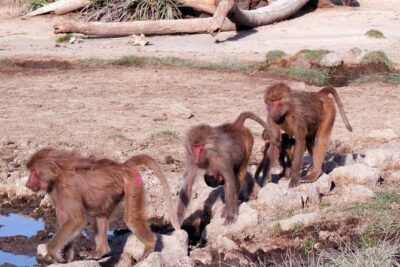 ★ 4.52 Days Wildlife Safari to Awash National ParkFrom $35821 reviews
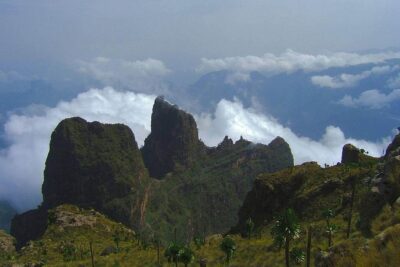 ★ 5.03 Days Bale Mountains TrekkingFrom $41019 reviews
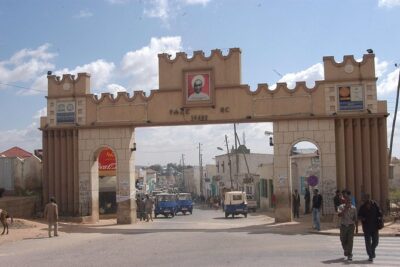 ★ 4.55 Days Tour to World Heritage–listed Harrar, Dire Dawa and Awash NATIONAL PARKFrom $87110 reviews
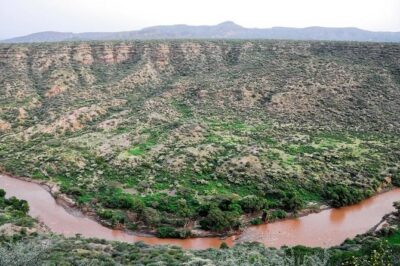 ★ 5.0Awash National Park ToursFrom $40010 reviews
 ★ 5.06 Days Bale Mountains TrekkingFrom $48810 reviews
 ★ 4.1From Addis Ababa: 2-Day Awash National Park and CraterFrom $3003 reviews
Browse the lists this tour appears in