
REVIEW · ETHIOPIAN FOOD & COFFEE TOURS
Ethiopian Cooking Class and Coffee Ceremony with a Local in Addis with transfers
Dinner in a real home starts with coffee. This Ethiopian cooking class and coffee ceremony in Addis Ababa pairs hands-on cooking with a full, traditional coffee ritual, all hosted by Daniel and Tigist. I like that it is private and personal, not a factory-style class, and that Daniel talks as you cook, connecting food with everyday life in Addis.
Second, I really like the focus on the two things Ethiopian food is famous for, injera and coffee. You’ll learn how to pour and cook injera, then you’ll roast coffee beans and experience the ceremony from its birthplace. One thing to keep in mind: it is a home kitchen experience, so the menu and pace can vary by season, and you may be limited to the main dishes planned for the day.
In This Review
- Key highlights to look for before you go
- Why this Addis Ababa class feels different
- Meet Daniel and Tigist, and what their home adds
- The kitchen lesson: injera, shiro, and tibs in real steps
- Injera: the skill behind the spongy texture
- Shiro or tibs: comforting stews and spiced stir-fry
- What the meal feels like
- Roasting coffee beans and the classic coffee ceremony
- Transfers and timing: start at 3:30 pm, finish feeling satisfied
- Vegetarian options and dietary notes you should send early
- Cost and value: what $154 per person really covers
- Who this is best for in Addis Ababa
- How to get the most out of the afternoon
- Should you book this Addis Ababa cooking class with coffee ceremony?
- FAQ
- What time does the experience start?
- How long is the Ethiopian cooking class and coffee ceremony?
- Where does the class take place?
- Is pickup and drop-off included?
- Is this a private experience or a group tour?
- What dishes will I learn to make?
- Is there a vegetarian option?
- Are there any allergy or dietary details I should provide?
- What is included to drink?
- What is the cancellation window for a full refund?
Key highlights to look for before you go
- Daniel’s English and storytelling: he connects what you cook with culture, food history, and how people actually live around Addis.
- Hands-on injera practice: you’ll learn pouring technique, not just how to tear bread at the table.
- Classic dishes like shiro and tibs: expect the comforting, spiced flavors Ethiopian meals are built on.
- Coffee ceremony is the finale: roast beans first, then follow the traditional steps as the coffee gets prepared.
- Home kitchen, not a commercial studio: it feels like visiting locals, and that changes the vibe in a good way.
- Transfers included: hotel pickup and drop-off save you time in Addis.
Still hungry? More injera, buna and market mornings
- Ethiopian Culinary Tour – Market, Food, Coffee Ceremony & more★ 5.0 · 65 reviews
- Hidden Treasures of Addis Ababa – Food, Culture and History Tour★ 5.0 · 57 reviews
- Market Tour and Cooking Class with a Coffee Ceremony at a Home in Addis Ababa★ 5.0 · 32 reviews
- Addis Ababa City Tours With Cocking Class of Ethiopian Food★ 5.0 · 20 reviews
Why this Addis Ababa class feels different
If you only see Addis from the roadside, you miss a big part of the city. This experience is designed around a local home kitchen, where you cook with Daniel and Tigist instead of watching a performance. That means the pace is more relaxed, the questions feel welcome, and you leave with a better sense of how Ethiopian meals work day to day.
What makes it especially appealing is the pairing. Most food experiences stop at lunch or dinner. Here, you cook injera and Ethiopian favorites, then you roast coffee beans and move into the coffee ceremony. In Ethiopia, those two parts of the table are inseparable for a lot of households, and this tour lets you experience both.
Meet Daniel and Tigist, and what their home adds
You’ll be hosted by Daniel and his wife Tigist. They are from the Oromia region, but they love cooking Ethiopian dishes from across the country, so you’re not stuck with only one regional style. Daniel has a master’s degree in Social Anthropology and has worked as a tourism professional for over a decade, so he is not just a host who cooks well, he also explains things clearly.
Tigist learned cooking as a child helping her mother at home, and later ran her own kitchen after marrying Daniel. That matters because you can feel the difference between someone repeating a recipe and someone teaching you why something works. When you’re learning injera, for example, technique is everything, and a home cook tends to teach with practical cues.
One extra detail to know: if your date lines up with a weekend, you might also meet their three boys, who may join during the experience. That can make the whole thing feel even more like a family evening, not a staged activity.
The kitchen lesson: injera, shiro, and tibs in real steps
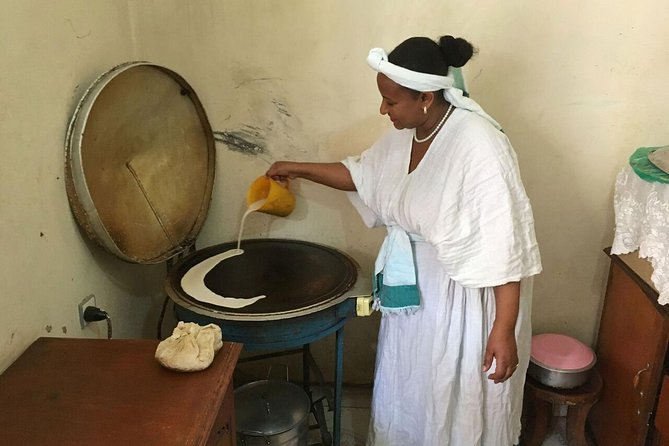
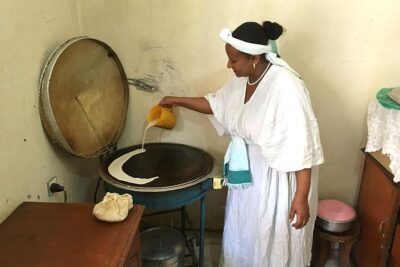
Your cooking class runs about 1.5 to 2 hours, then you eat and move into coffee. During the class, Tigist will guide you through making a traditional Ethiopian dish and also show you how to pour and cook injera properly. Injera is the foundation of Ethiopian meals, and learning it changes how you understand everything you eat afterward.
Injera: the skill behind the spongy texture
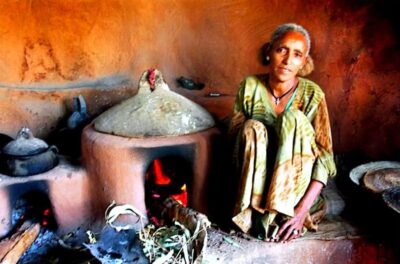
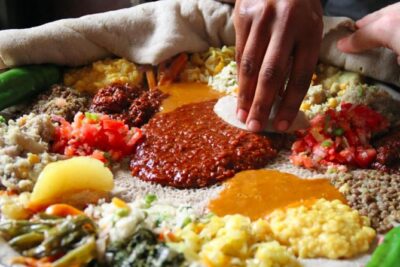
Injera is not just bread. It is the plate, the utensil, and part of the flavor. You’ll learn the pouring method and how injera cooks, so you understand why it comes out spongy and how it behaves when you tear it and scoop stews.
Practical tip: focus on the pouring and consistency more than speed. Injera is one of those foods where the batter and heat matter, and your host will guide you through what to watch for.
Other Addis kitchens that take visitors
Shiro or tibs: comforting stews and spiced stir-fry
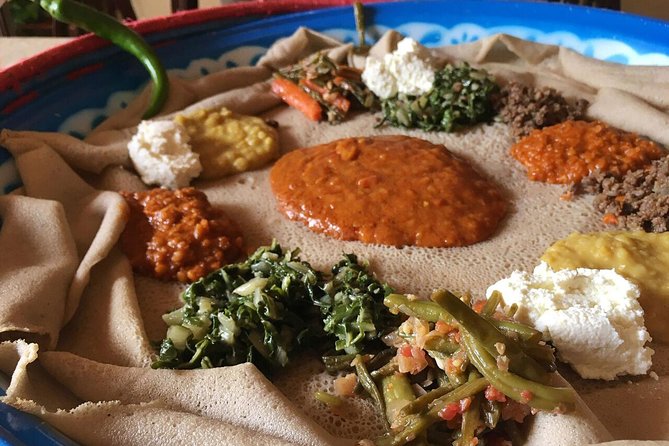
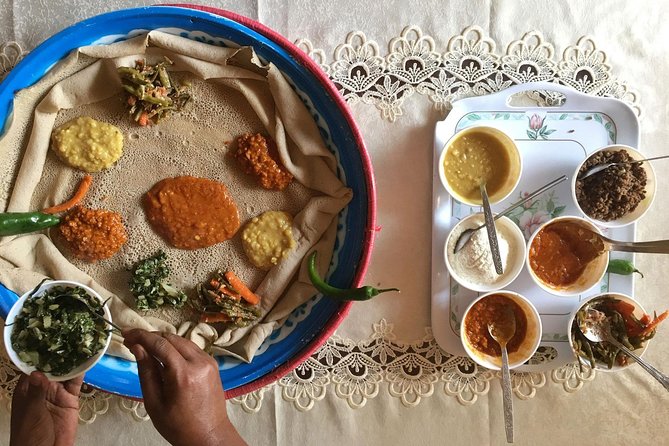
Depending on the day and what feels best seasonally, you’ll make one of the hallmark dishes such as shiro (a chickpea or broad bean stew) or tibs (stir-fried meat with vegetables and spices). Both show how Ethiopian cooking balances spices and depth without being complicated.
If you land on shiro, you’ll learn about a stew style that is thick, comforting, and built for scooping with injera. If you make tibs, you’ll get the stir-fry approach, where spices and aromatics bloom quickly and the vegetables stay lively.
You can also request an additional dish when you book if you want more variety. The catch is time, it will extend the cooking part of your evening.
What the meal feels like
After cooking, you’ll eat with your host. Because you made the injera, it feels different from tearing store-bought flatbread. You notice texture, how it holds sauce, and how the stews and spices land on the palate.
And since Daniel is a talker, you can expect conversation to run alongside the meal. He enjoys discussing food and history, plus topics like politics. If you have questions about everyday Ethiopian life, this is a great setting to ask them naturally.
Roasting coffee beans and the classic coffee ceremony
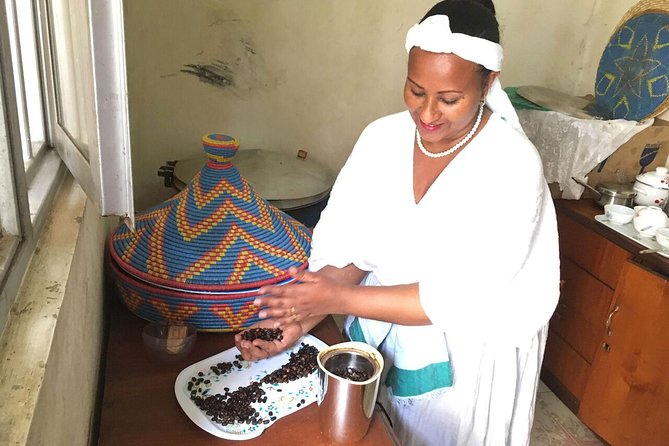
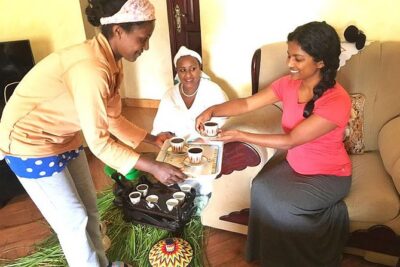
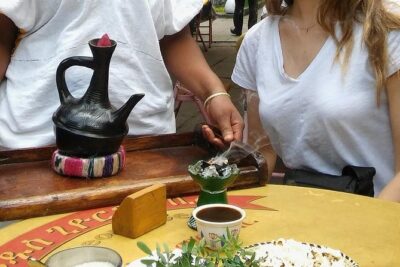
After you’ve cooked and eaten, the experience shifts to Ethiopia’s coffee culture. You will learn to roast coffee beans first, then you’ll enjoy a traditional coffee ceremony that explores the beverage’s origins in its birthplace.
This part is one of the most memorable reasons to book. Coffee roasting is not just a behind-the-scenes step. It sets the flavor for what you drink next. Watching and learning how beans transform gives you a new appreciation for the cup that follows.
During the ceremony, you’ll see the careful flow of how coffee is prepared and served. You’ll also have coffee and/or tea included as part of the experience, plus beverages generally throughout.
Practical tip if you are a coffee person: pay attention to the aroma while the beans roast. It helps you connect the smell to taste, and you’ll remember the experience long after you leave Addis.
Transfers and timing: start at 3:30 pm, finish feeling satisfied
The start time is 3:30 pm, and the total duration is about 4 hours. Hotel pickup and drop-off are included, so you do not have to plan transport around your day.
Why this timing works: a late-afternoon start gives you time to handle morning sightseeing or errands in Addis, then it turns into an easy, cultural evening with food and coffee. You’re also not rushing in the middle of the hottest hours, if weather is a factor for your trip.
A small heads-up: because the experience is in a home kitchen, you’ll want to be ready when the pickup arrives. If your hotel details are off, it can slow things down. So double-check your hotel name and address when you book.
Vegetarian options and dietary notes you should send early
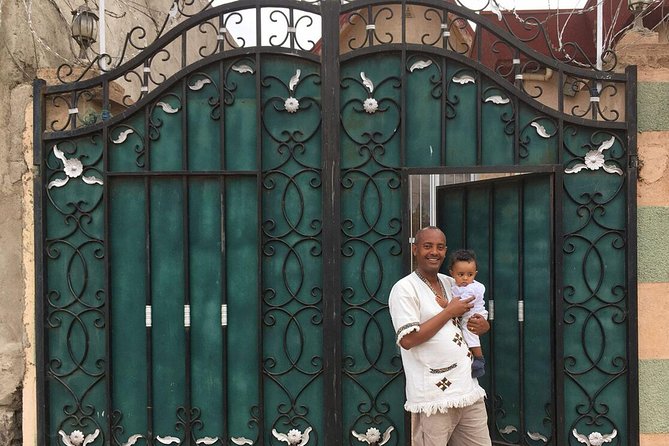
Ethiopian cooking can be wonderfully vegetarian, but you should still tell your host what you need. A vegetarian option is available, and you should advise at booking if you want that option.
If anyone in your party has allergies, dietary restrictions, or cooking preferences, you should share them during booking. The experience is private and personalized, and telling them ahead of time is the best way to make sure the menu works for you.
Also note: alcoholic drinks are not included. Coffee and tea, plus beverages and bottled water are included.
Cost and value: what $154 per person really covers
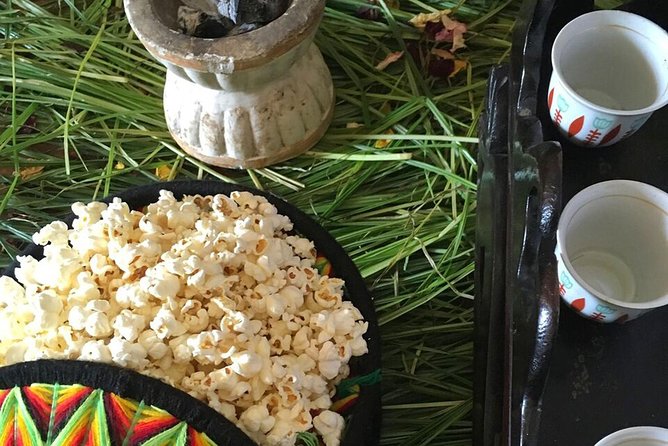
At $154 per person, this is not a budget street-food stop. It is priced like a guided cultural evening with real instruction, a hosted meal, and transportation.
Here is what you are paying for, in plain terms:
- Hotel pickup and drop-off, so you save time and stress
- A private class with Daniel and Tigist in their home
- Hands-on cooking and a full meal
- Coffee roasting and the coffee ceremony experience
- Beverages, coffee and/or tea, bottled water
- All taxes, fees, handling charges, and gratuities
That last point matters. When gratuities are included, you do not end up doing mental math during an experience. You can relax and focus on cooking and talking.
Is it a splurge? Yes. But it is also the kind of experience that can replace multiple paid activities because you get cooking instruction plus a cultural ceremony plus local conversation in one block of time.
Who this is best for in Addis Ababa
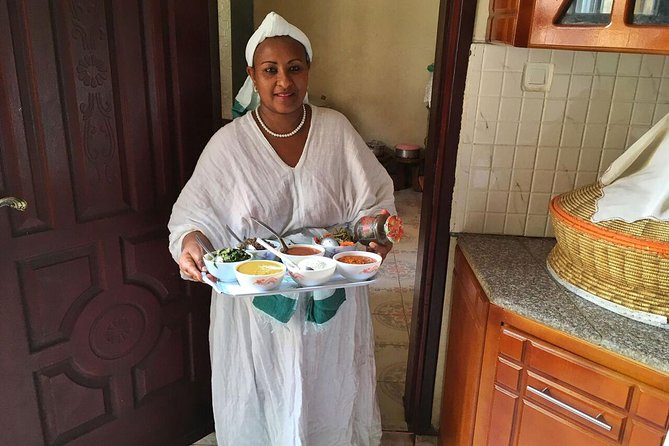
This experience is a great fit if you want a more authentic, human-scale Addis Ababa evening. It is especially good for:
- Couples or small groups who like private, local interaction
- Food lovers who want more than tasting, and actually want to learn technique
- Travelers who like conversation and want explanations about culture, not just food
- Coffee people who want to understand roasting and the steps of the ceremony
It might be less ideal if you are looking for a structured, commercial class with multiple instructors and a strict class format. This is a visit into Daniel and Tigist’s home, and the setting is intentionally not commercial.
How to get the most out of the afternoon
You will learn faster, and enjoy more, if you prepare lightly and stay curious.
A few practical ideas:
- Go hungry. You’ll cook, then you’ll eat, and you’ll likely want to taste everything.
- Ask questions as you cook. Daniel enjoys talking about food, history, and politics, and the home setting makes it feel natural.
- Be clear about dietary needs at booking, especially if you want vegetarian.
- If you want an extra dish, request it during booking so you can plan for the longer cooking time.
Should you book this Addis Ababa cooking class with coffee ceremony?
Book it if you want a genuine local evening built around two pillars of Ethiopian culture, injera and coffee. The strongest reasons are the personal hosting by Daniel and Tigist, the hands-on injera instruction, and the full coffee ceremony that starts with roasting beans.
Skip it if you only want quick sampling, or if you dislike home-kitchen settings and prefer a formal, commercial studio class. Also, if your schedule is tight, remember the total time is about 4 hours, with the cooking lesson itself lasting 1.5 to 2 hours plus the meal and ceremony.
FAQ
What time does the experience start?
It starts at 3:30 pm.
How long is the Ethiopian cooking class and coffee ceremony?
The total duration is about 4 hours (approx.).
Where does the class take place?
The cooking class takes place in Daniel and Tigist’s home kitchen.
Is pickup and drop-off included?
Yes. Hotel pickup and drop-off transfers are included.
Is this a private experience or a group tour?
It is private. Only your group participates.
What dishes will I learn to make?
You will learn injera, and you might also make dishes like shiro (chickpea or broad bean stew) or tibs (stir-fried meat with vegetables and spices). The menu may vary by season.
Is there a vegetarian option?
Yes, a vegetarian option is available. You should advise at booking if you need it.
Are there any allergy or dietary details I should provide?
Yes. If anyone in your party has allergies, dietary restrictions, or cooking preferences, you should advise at booking.
What is included to drink?
Coffee and/or tea are included, along with beverages and bottled water. Alcoholic drinks are not included.
What is the cancellation window for a full refund?
You can cancel up to 2 days in advance for a full refund. If you cancel less than 2 days before the start time, it is not refunded.
The Rest of the Ethiopia List
- Full Day Tour of Addis Ababa with Hotel Pickup and Drop-off
★ 5.0 · 430 reviews - Taste of Ethiopia
★ 5.0 · 406 reviews - Day Trip From Addis Ababa See Historical Monastery,Stunning Nature,Animals,Birds
★ 5.0 · 303 reviews - Addis Ababa: Debre Libanos, Blue Nile Gorge, and Cave Tour
★ 4.5 · 256 reviews - Addis Ababa Guided City Tour With Airport & Hotel Pick Up
★ 5.0 · 237 reviews
Cooking Ethiopian, Class by Class
- Market Tour and Cooking Class with a Coffee Ceremony at a Home in Addis Ababa
★ 5.0 · 32 reviews - Addis Ababa City Tours With Cocking Class of Ethiopian Food
★ 5.0 · 20 reviews - Ethiopia coffee cupping class/Ethiopian food injera making
★ 5.0 · 10 reviews - Unique Ethiopian Cooking Class and Coffee Ceremony with a Local in Addis Ababa
★ 4.5 · 7 reviews - Addis abeba Full Cooking class.
★ 5.0 · 6 reviews
Injera, Buna and the Addis Markets
- Taste of Ethiopia
★ 5.0 · 406 reviews - Ethiopian Culinary Tour – Market, Food, Coffee Ceremony & more
★ 5.0 · 65 reviews - Hidden Treasures of Addis Ababa – Food, Culture and History Tour
★ 5.0 · 57 reviews - Market Tour and Cooking Class with a Coffee Ceremony at a Home in Addis Ababa
★ 5.0 · 32 reviews - Addis Ababa City Tours With Cocking Class of Ethiopian Food
★ 5.0 · 20 reviews
Other Ethiopia tours we have written up




Ethiopian Food & Coffee Tours, compared.
 ★ 5.0Taste of EthiopiaFrom $102406 reviews
 ★ 5.0Ethiopian Culinary Tour – Market, Food, Coffee Ceremony & moreFrom $8565 reviews
 ★ 5.0Hidden Treasures of Addis Ababa – Food, Culture and History TourFrom $7557 reviews
 ★ 5.0Market Tour and Cooking Class with a Coffee Ceremony at a Home in Addis AbabaFrom $16832 reviews
 ★ 5.0Addis Ababa City Tours With Cocking Class of Ethiopian FoodFrom $9020 reviews
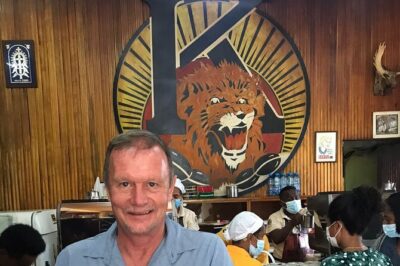 ★ 5.0Vintage Coffee Shops, Restaurants, Sightseeing in Addis AbabaFrom $7017 reviews
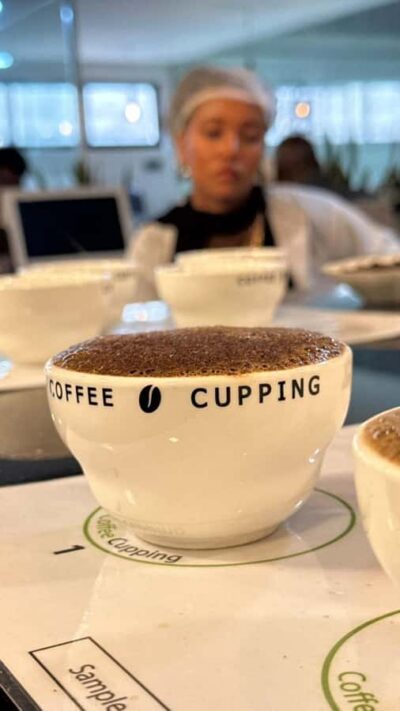 ★ 5.0Ethiopia coffee cupping class/Ethiopian food injera makingFrom $9410 reviews
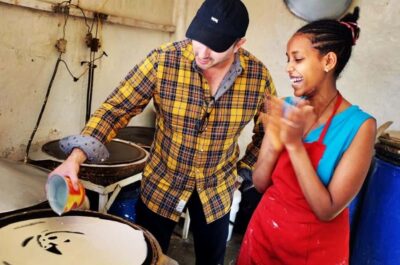 ★ 5.0Ethiopian Culinary Tour – Market, Coffee Ceremony and MoreFrom $8510 reviews
Browse the lists this tour appears in