
REVIEW · ETHIOPIAN FOOD & COFFEE TOURS
Unique Ethiopian Cooking Class and Coffee Ceremony with a Local in Addis Ababa
Homemade injera tastes better up close. This Addis Ababa experience takes you into a real local home for hands-on cooking and a coffee ceremony. You start in the calmer outskirts, then leave with practical skills you can actually use again.
I love that you learn injera technique step by step, not just watch from the side. I also like that the coffee part is included end-to-end, including hand-roasting beans and practicing the flow of the ceremony. It feels like culture you can see with your hands, not a slideshow.
One drawback to plan for: there is no hotel pickup, and you’ll need to get yourself to the confirmed meeting point on the outskirts. If you hate taxi-hopping, this part might annoy you a little.
In This Review
- Key things you’ll remember
- Why this Addis Ababa home kitchen beats a standard class
- Getting to Daniel and Tigist, and why the outskirts are worth it
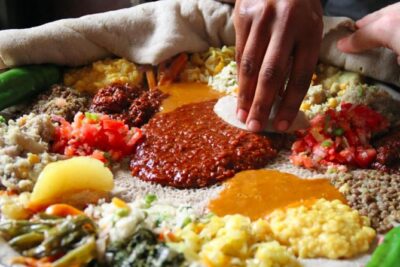
- The first big skill: injera, from pour to perfect sheet
- What you might cook next: shiro or tibs, plus seasonal menu changes
- Coffee ceremony in a real household: roast first, pour second
- Lunch or dinner option, and what changes with your time slot
- What’s included, what’s not, and how to judge the price
- Practical tips so the day runs smoothly
- Who this experience is best for
- Should you book this Addis Ababa cooking class and coffee ceremony?
- FAQ
- How long is the Ethiopian cooking class and coffee ceremony?
- Is hotel pickup and drop-off included?
- Is this experience private or shared with other groups?
- What dishes will we learn to cook?
- Is there a vegetarian option?
- Do I learn anything about coffee, or is it just served?
- Can I request an additional dish?
- Are dietary restrictions and allergies handled?
- What is the cancellation policy for a full refund?
Key things you’ll remember
- A home kitchen, not a classroom: you cook in Daniel and Tigist’s comfortable, clean, everyday space
- Injera that you pour and cook: you get coaching on getting that thin, perfect sheet
- A second dish based on the menu: you might make shiro or tibs alongside injera
- Coffee roasting is part of the deal: not instant, not pre-made, you roast and learn the rhythm
- You can request changes: vegetarian option is available, and you can note allergies or preferences
- A group, but still private: only your group participates, so it stays friendly and personal
Still hungry? More injera, buna and market mornings
- Ethiopian Culinary Tour – Market, Food, Coffee Ceremony & more★ 5.0 · 65 reviews
- Hidden Treasures of Addis Ababa – Food, Culture and History Tour★ 5.0 · 57 reviews
- Market Tour and Cooking Class with a Coffee Ceremony at a Home in Addis Ababa★ 5.0 · 32 reviews
- Addis Ababa City Tours With Cocking Class of Ethiopian Food★ 5.0 · 20 reviews
Why this Addis Ababa home kitchen beats a standard class
If you want the safe version of Ethiopian food, you can find it in restaurants. If you want the real version, you go where people cook it daily. This tour is built around that idea, with the cooking class happening in a local home kitchen, run by Daniel and Tigist.
The biggest difference is how the experience feels. A commercial class often moves fast and feels a bit like a show. Here, the pace matches a household. You’ll get time to ask questions, make adjustments, and learn why certain steps matter, especially with injera.
You also get the full pairing: food plus coffee. Ethiopian coffee culture is not an afterthought. It’s part of the hospitality rhythm, and doing it in the same home where you cooked makes the whole thing click.
Getting to Daniel and Tigist, and why the outskirts are worth it
The meeting setup is simple, but you do need to pay attention. Start at the listed meeting point in Addis Ababa, then the activity ends back there. Hotel pickup and drop-off are not included, and the area is described as being in the outskirts, not a central tourist zone.
That location choice matters. The outskirts setting is calmer and greener than the city center, so the whole experience feels less hectic. You’re not bouncing around Addis Ababa as much. Instead, you focus on the lesson and meal.
Another small note: you are near public transportation. So if you prefer buses or shared options over taxis, you have a path. Still, you’ll want to plan a little buffer time on your day, because the whole thing depends on you arriving at the correct meeting spot.
The first big skill: injera, from pour to perfect sheet
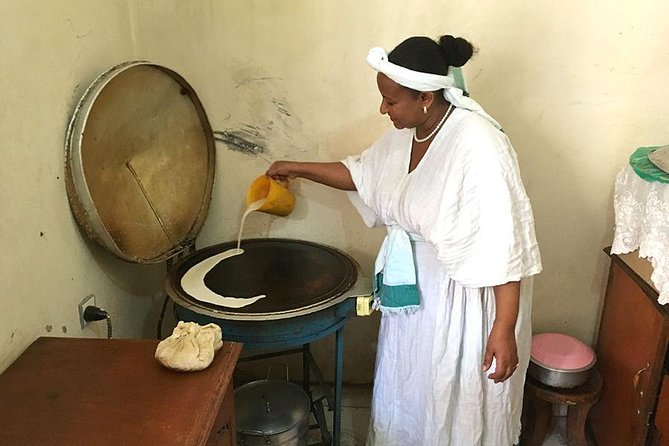
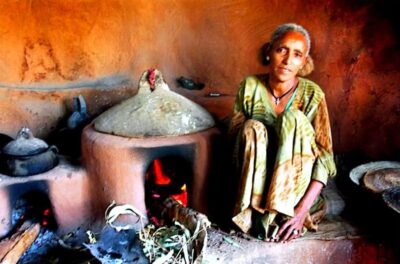
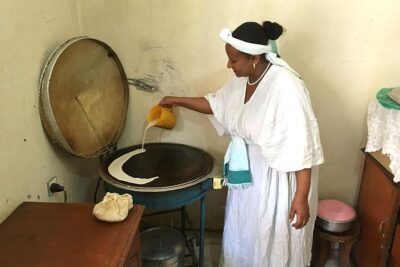
Injera is the heart of Ethiopian meals, and this tour treats it like the skill it is. You get a real coaching session with Tigist in the kitchen, with a focus on both making the batter and cooking the injera properly.
Expect the session to cover:
- how to handle the injera batter so it spreads thin
- the technique of pouring and timing
- how to cook it so the texture comes out right
Even if you’ve eaten injera before, it’s different when you’re responsible for getting it to work. The training makes you understand that injera is not just bread. It’s fermented flatbread with a specific method, and tiny choices during pouring and cooking can change the result.
This is also where the private home format helps. You’re not sharing limited counter space with strangers. The setup is more relaxed, so you can learn by doing without feeling rushed or lost.
What you might cook next: shiro or tibs, plus seasonal menu changes
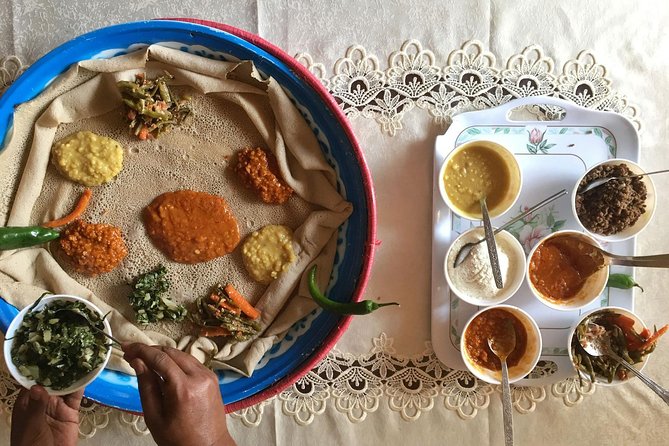
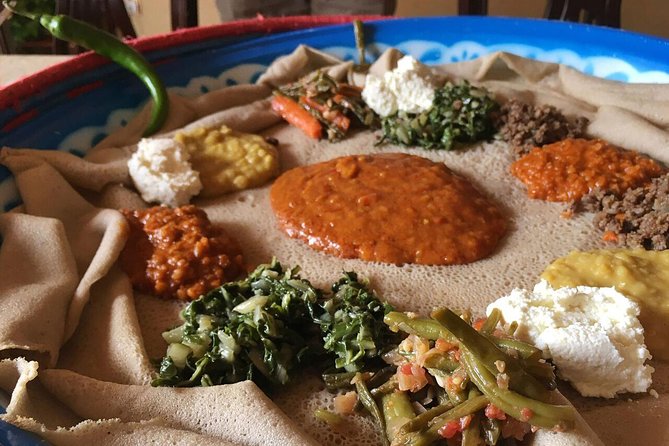
The tour isn’t only injera. You’ll likely make an additional traditional dish, depending on what’s available. The most commonly mentioned options are shiro and tibs, and the menu can vary by season.
Here’s why that matters for you:
- If you’re a first-time visitor, these dishes give you a strong introduction to Ethiopian flavors and everyday cooking.
- If you’re a repeat-food traveler, changing the second dish keeps it from feeling repetitive.
Shiro is typically a chickpea or broad bean based stew, and it’s known for its comforting, thick texture. Tibs is described as stir-fried meat with vegetables and spices. You’ll get to see how Ethiopia builds flavor differently across a stew style versus a quicker stir-fry approach.
You can also ask to learn an additional dish. If you want more, add it in the notes during booking. The trade-off is time, since adding a dish extends the cooking portion.
Other Addis kitchens that take visitors
Coffee ceremony in a real household: roast first, pour second
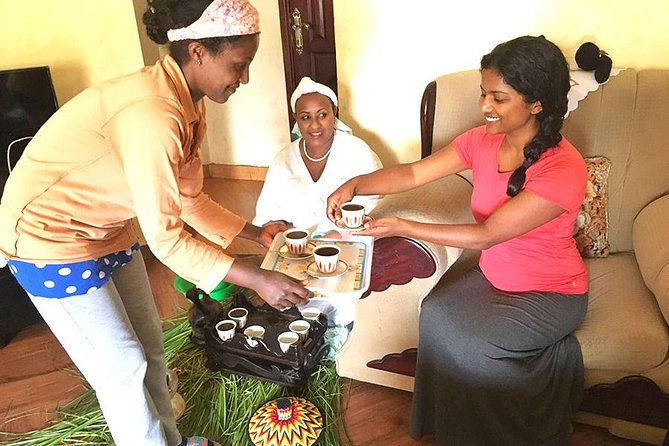
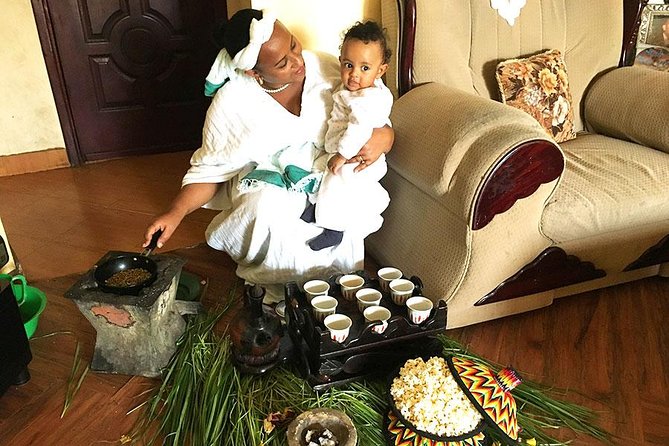
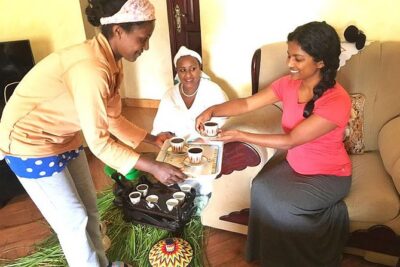
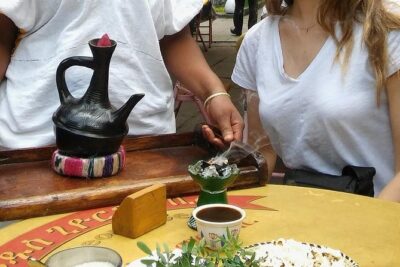
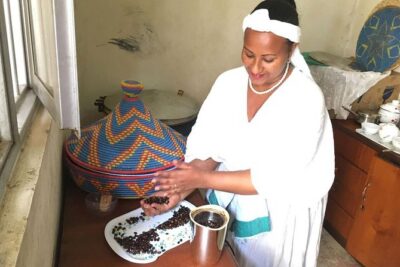
After you cook and eat, the coffee ceremony takes over. You’ll learn about roasting coffee beans and then the ceremony itself, including how coffee is poured and prepared.
A key detail: the experience includes learning to roast coffee beans. That matters. The ceremony feels more authentic because you are not just watching coffee appear. You understand at least part of how it gets to that point.
Practically, this section is the best break from active cooking. You’ll shift from hands-on heat and timing to observation and conversation, with the coffee ritual guiding the pace.
In Ethiopia, coffee is tied to hospitality. In a home setting, that message comes through more clearly. You’ll likely spend time chatting too, including about daily life and the family behind the meal.
Lunch or dinner option, and what changes with your time slot
You can choose a lunch or dinner tour depending on your schedule. That choice is more than convenience. It changes the atmosphere of the home and how you experience the family side of the day.
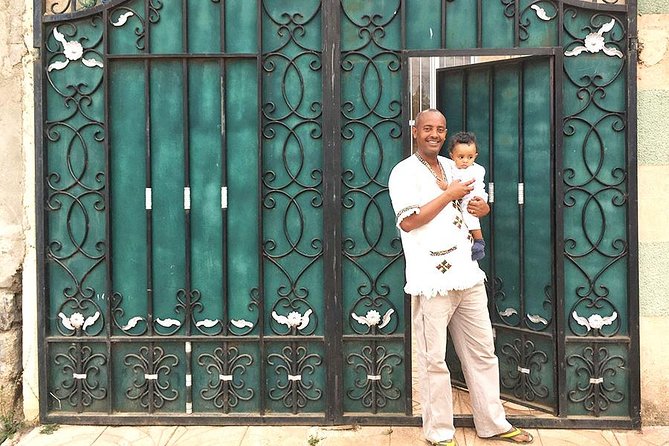
One detail you may appreciate: Daniel and Tigist’s three boys are part of the home life, and you might meet them if your experience is during the evening or on a weekend. That can make the evening feel extra warm and personal.
If you prefer quieter energy, lunch can be a calmer option. If you like a more social vibe, dinner might be better.
What’s included, what’s not, and how to judge the price
The price is $116.00 per person for a private cooking class plus meal with your host Daniel. You also get beverages, and taxes, fees, and handling charges are included. Gratuities are included too, which helps you avoid the mental math at the end.
What’s not included: hotel pickup and drop-off.
So is it worth $116? For Addis Ababa, the value comes from the format. You’re not paying just for recipes. You’re paying for:
- a home kitchen setup
- one-on-one style attention from the hosts
- time to learn injera properly
- a full coffee ceremony including roasting
- a shared meal you don’t have to plan or cook yourself
Still, there is one legitimate caution. If you compare it to cheaper cooking classes that are more commercial or more standardized, this can feel pricey. You’re paying for the home experience and the hospitality element, not a factory-style cooking show.
Practical tips so the day runs smoothly
A few small planning points will make your experience smoother.
Confirm the exact meeting point. The start location is listed as an unnamed road in Addis Ababa. You’ll receive confirmation within 48 hours, subject to availability. Since there is no hotel pickup, getting yourself to the correct spot matters.
Build in transport time. This is described as being in the outskirts, so plan for a short taxi or public transport ride. If you’re tight on time, choose a slot that gives you buffer.
Tell them about allergies and diet needs early. If anyone in your group has allergies, dietary restrictions, or cooking preferences, advise at booking. A vegetarian option is available, but you need to request it ahead of time.
Use the notes field if you want extra food skills. Want to learn a second or third dish? Add it in the notes section. Just understand it extends the cooking time.
Dress for a home kitchen. Wear comfortable clothes you won’t mind getting a little busy. Even if the home is clean and comfortable, cooking is cooking, and you’ll be hands-on.
Who this experience is best for
This is a great match if you want food that feels like it belongs to the place you’re visiting. You’ll get more out of the class if you’re curious about why Ethiopian cooking works the way it does, especially injera and the coffee ceremony.
It also works well for:
- couples or small groups who want a private, calm setting
- food lovers who enjoy learning technique
- travelers who like conversation and meeting hosts, not just collecting photos
If you want a strictly structured timetable with lots of English explanations from a guide outside the family, you may be happier with a more commercial option. This one is built around the home and the people running it.
Should you book this Addis Ababa cooking class and coffee ceremony?
If your priority is authentic, hands-on Ethiopian food plus a real coffee ceremony, I’d say yes. The combination of injera practice, a possible second dish like shiro or tibs, and the roasting-focused coffee segment makes it more than a one-note cooking class.
Book it if you’re okay handling your own way to the meeting point and you want to spend your time in a local home rather than on a bus. Skip it if you’re looking for easy logistics from your hotel or you only want the food with no technique involved.
Bottom line: this feels like the kind of experience that turns a meal into a story you can tell later, because you learned it where it actually happens.
FAQ
How long is the Ethiopian cooking class and coffee ceremony?
The experience lasts about 3 hours.
Is hotel pickup and drop-off included?
No, hotel pickup and drop-off are not included.
Is this experience private or shared with other groups?
It’s private, and only your group will participate.
What dishes will we learn to cook?
You’ll learn how to make injera. You may also learn a traditional dish such as shiro or tibs, and the menu can vary depending on the season.
Is there a vegetarian option?
Yes. A vegetarian option is available, but you need to advise at the time of booking.
Do I learn anything about coffee, or is it just served?
You learn to roast coffee beans, and you’ll take part in the coffee ceremony, including pouring and cooking coffee.
Can I request an additional dish?
Yes. You can include it in the notes section when booking. It will extend the cooking time.
Are dietary restrictions and allergies handled?
Yes. If you have allergies, dietary restrictions, or cooking preferences, you should advise at the time of booking.
What is the cancellation policy for a full refund?
You can cancel up to 2 days in advance for a full refund. If you cancel less than 2 days before the experience starts, the amount paid is not refunded.
The Rest of the Ethiopia List
- Full Day Tour of Addis Ababa with Hotel Pickup and Drop-off
★ 5.0 · 430 reviews - Taste of Ethiopia
★ 5.0 · 406 reviews - Day Trip From Addis Ababa See Historical Monastery,Stunning Nature,Animals,Birds
★ 5.0 · 303 reviews - Addis Ababa: Debre Libanos, Blue Nile Gorge, and Cave Tour
★ 4.5 · 256 reviews - Addis Ababa Guided City Tour With Airport & Hotel Pick Up
★ 5.0 · 237 reviews
Cooking Ethiopian, Class by Class
- Market Tour and Cooking Class with a Coffee Ceremony at a Home in Addis Ababa
★ 5.0 · 32 reviews - Addis Ababa City Tours With Cocking Class of Ethiopian Food
★ 5.0 · 20 reviews - Ethiopian Cooking Class and Coffee Ceremony with a Local in Addis with transfers
★ 5.0 · 14 reviews - Ethiopia coffee cupping class/Ethiopian food injera making
★ 5.0 · 10 reviews - Addis abeba Full Cooking class.
★ 5.0 · 6 reviews
Injera, Buna and the Addis Markets
- Taste of Ethiopia
★ 5.0 · 406 reviews - Ethiopian Culinary Tour – Market, Food, Coffee Ceremony & more
★ 5.0 · 65 reviews - Hidden Treasures of Addis Ababa – Food, Culture and History Tour
★ 5.0 · 57 reviews - Market Tour and Cooking Class with a Coffee Ceremony at a Home in Addis Ababa
★ 5.0 · 32 reviews - Addis Ababa City Tours With Cocking Class of Ethiopian Food
★ 5.0 · 20 reviews
Other Ethiopia tours we have written up




Ethiopian Food & Coffee Tours, compared.
 ★ 5.0Taste of EthiopiaFrom $102406 reviews
 ★ 5.0Ethiopian Culinary Tour – Market, Food, Coffee Ceremony & moreFrom $8565 reviews
 ★ 5.0Hidden Treasures of Addis Ababa – Food, Culture and History TourFrom $7557 reviews
 ★ 5.0Market Tour and Cooking Class with a Coffee Ceremony at a Home in Addis AbabaFrom $16832 reviews
 ★ 5.0Addis Ababa City Tours With Cocking Class of Ethiopian FoodFrom $9020 reviews
 ★ 5.0Vintage Coffee Shops, Restaurants, Sightseeing in Addis AbabaFrom $7017 reviews
 ★ 5.0Ethiopian Cooking Class and Coffee Ceremony with a Local in Addis with transfersFrom $15414 reviews
 ★ 5.0Ethiopia coffee cupping class/Ethiopian food injera makingFrom $9410 reviews
Browse the lists this tour appears in