
REVIEW · ETHIOPIAN COOKING CLASSES
Addis abeba Full Cooking class.
Cooking in Addis feels personal. This injera and Ethiopian coffee ceremony day is interesting because it mixes food lessons with real city stops, guided by Abraham and Salam in a small group setup. You learn by doing in a home-style kitchen, while you also get context for what you are eating, from market life to the Ethiopia National Museum.
I also like that the day is built around hands-on cooking, not just watching, and the small group size (limited to 7) makes it easier to ask questions and get real help as you cook. One drawback to consider is the price, $90 for a 4-hour experience, which can feel high if you are on a long budget stretch or if you were hoping for an all-day bargain with multiple meals included.
In This Review
- Key highlights you will care about
- A four-hour Addis Ababa food day, built around doing
- Pickup, Shola market, and Addis Ababa orientation before the kitchen
- Lucy at the National Museum, and why it fits a food tour
- Entering a local home kitchen with Abraham and Salam
- Baking injera: the fermentation step that explains the flavor
- Shiro wot: spicy puréed chickpeas, cooked at the same table
- The Ethiopian coffee ceremony, from freshly roasted beans
- Price and value: what $90 really covers
- Timing, comfort, and what to bring
- Who this tour suits best
- Should you book this Addis Ababa cooking class?
- FAQ
- How long is the Addis Ababa full cooking class?
- Where does pickup happen?
- What is included in the price?
- What is not included?
- What food and skills will I learn?
- Is this tour a small group?
- What languages are available for the live guide?
- Are there any restrictions on what I can bring?
Key highlights you will care about
- Shola market intro: See how Addis Ababa shopping really works before you cook
- Lucy at the National Museum: Entrance fee included, with time to connect the fossil to Ethiopian story
- Injera with 3-day fermentation: You learn why the batter takes time and tastes slightly sour
- Three injera colors: White, brown, and red variations are part of what you will learn
- Shiro wot practice: Spicy puréed chickpea stew made side by side
- Fresh-roasted coffee ceremony: Coffee is made from freshly roasted beans with your host
Other Addis kitchens that take visitors
- Market Tour and Cooking Class with a Coffee Ceremony at a Home in Addis Ababa★ 5.0 · 32 reviews
- Addis Ababa City Tours With Cocking Class of Ethiopian Food★ 5.0 · 20 reviews
- Ethiopian Cooking Class and Coffee Ceremony with a Local in Addis with transfers★ 5.0 · 14 reviews
- Ethiopia coffee cupping class/Ethiopian food injera making★ 5.0 · 10 reviews
A four-hour Addis Ababa food day, built around doing
This class is a focused introduction to Ethiopian cooking, and that focus is the value. You are not stuck in a lecture room. You start with a city orientation, then you move into a local home kitchen where you bake injera, cook shiro wot, and finish with a coffee ceremony. It is a good format if you want culture through the stomach, without needing a full day.
The tour runs about 4 hours. That short timing matters because Addis Ababa travel time can add up fast. If you have limited daylight, a short layover, or you just do not want to spend hours commuting, this works well. And because it is small group travel, you are less likely to feel like you are waiting your turn.
Pickup, Shola market, and Addis Ababa orientation before the kitchen
Your day starts with pickup from the airport or your hotel, and you get drop-off at the end. If you are arriving by air, the team waits for you with banners showing your name, which removes one of the most stressful parts of a first-time arrival.
After pickup, you drive toward Shola market, a place where thousands of people sell their own products every day. Even if you are not shopping, it helps to see how the city moves and what everyday goods look like. This is not just a photo stop. It sets context for why Ethiopian food ingredients matter and how food culture connects to daily life.
Then you do a quick Addis Ababa orientation on the way to the museum and home. If you like understanding a place beyond the plate, this added sightseeing is a real bonus. If you prefer a strictly food-only schedule, you might notice that some time goes to travel and viewing, but the rest of the day earns that time.
Lucy at the National Museum, and why it fits a food tour
One of the most memorable moments in this half-day is a visit to the Ethiopia National Museum, where you can see the famous hominid fossil Lucy. Entrance fees are included, so you do not have to worry about tickets mid-day.
You might wonder why a fossil belongs on an injera and coffee class. Here is the practical answer: it gives you a sense of Ethiopian identity and long timelines, which changes how you experience everything else. When you later learn about fermented dough, roasted coffee, and old cooking methods passed through families, the day feels less like a random activity and more like a thread through time.
Entering a local home kitchen with Abraham and Salam
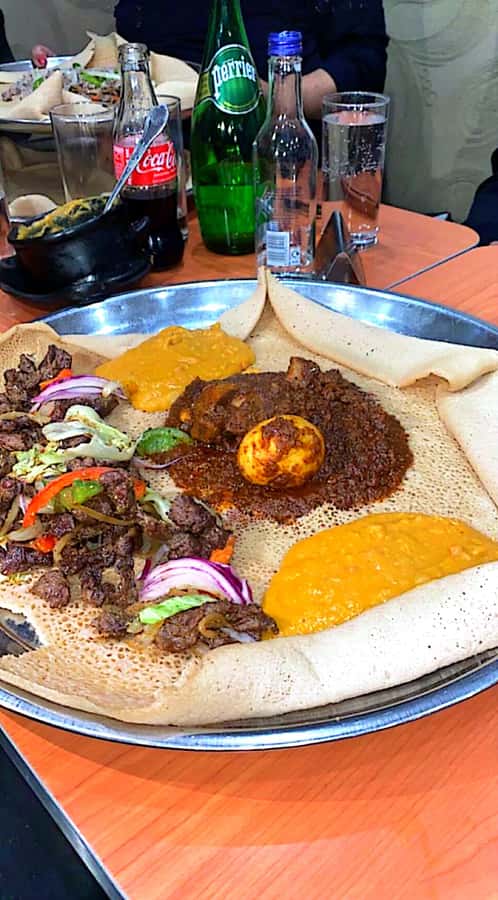
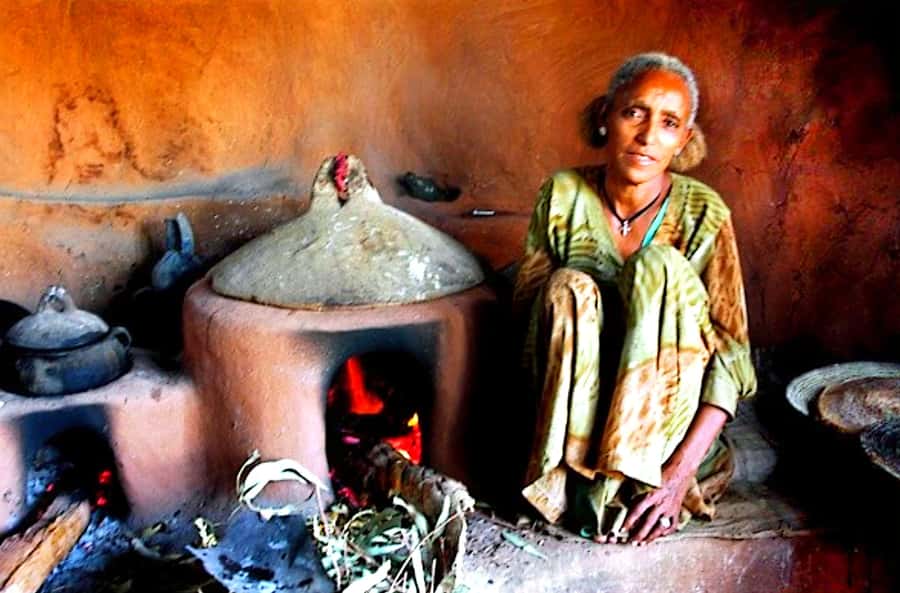
The cooking part happens in a local home kitchen. That detail is the difference between a generic cooking demo and something that feels grounded. You learn in a real space where people cook at home, not in a show kitchen built for tourists.
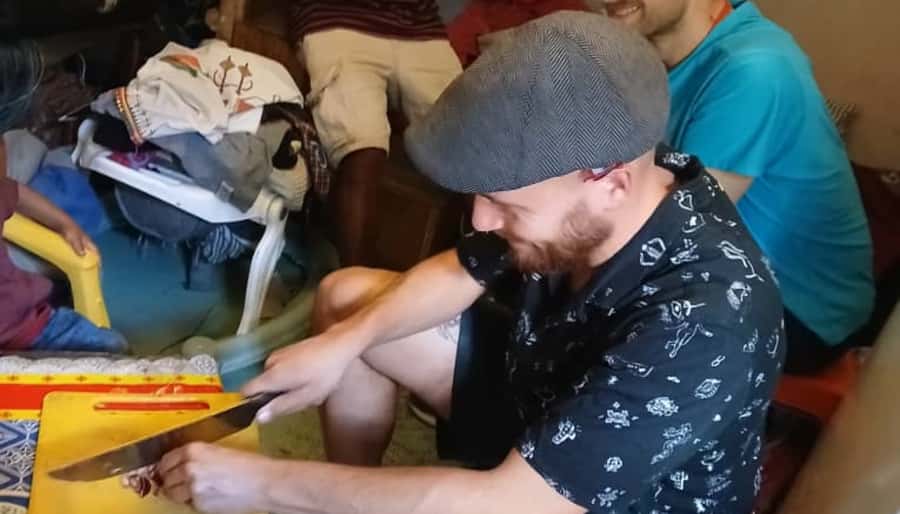
The class is led by your hosts, including Abraham and Salam. You are not just watching them work. You engage in the cooking process, and Salam’s role in teaching and guiding is a big part of why the experience lands well for many people.
The setup is also small-scale. With a group limited to 7 participants, you get more direct help. It is the kind of size where the host can correct your technique, not just move on to the next step for the whole group.
Other classes at the stove
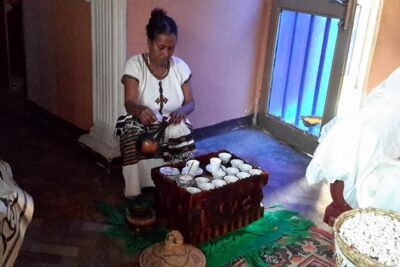
Baking injera: the fermentation step that explains the flavor
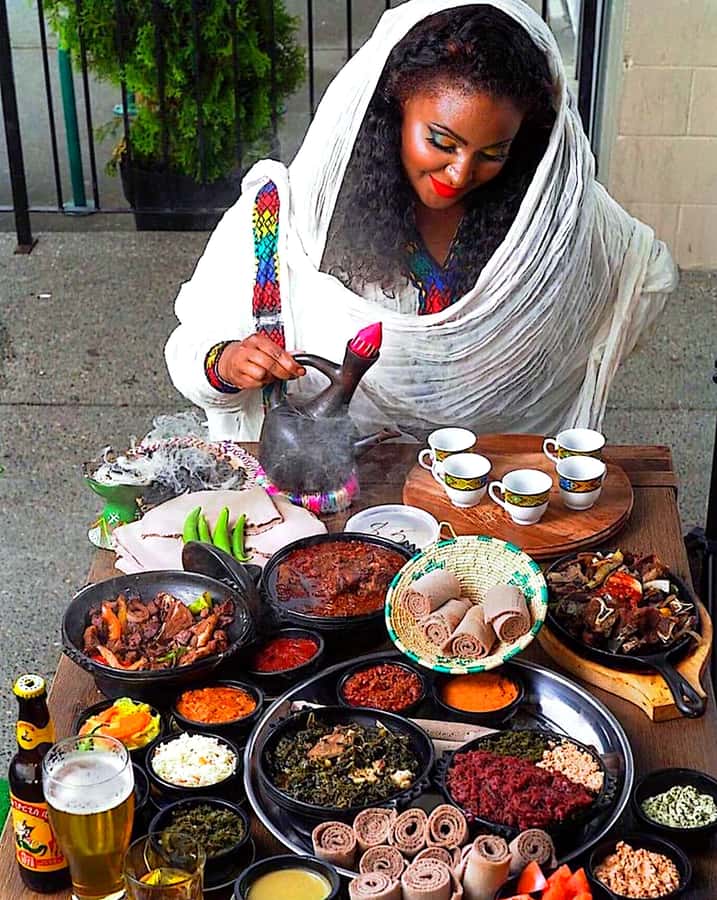
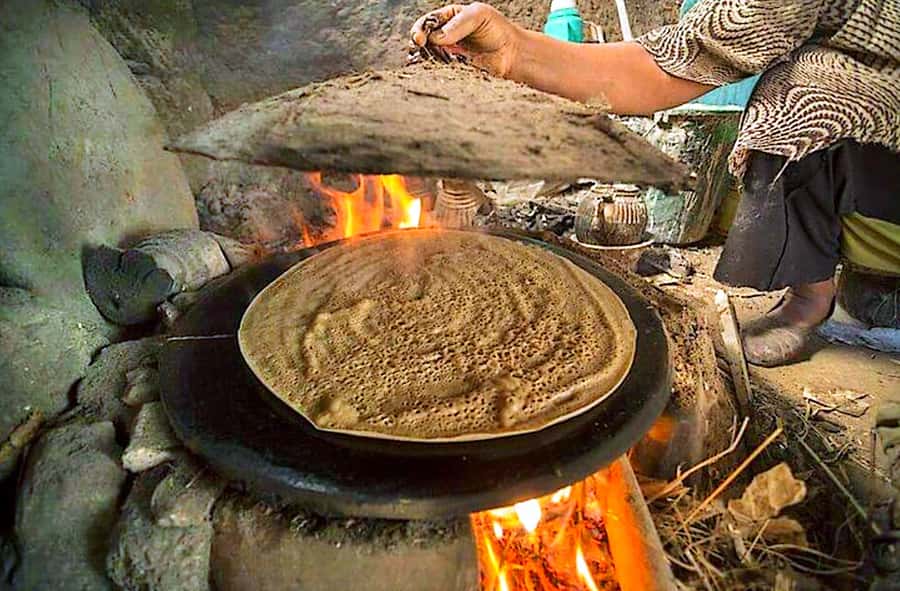
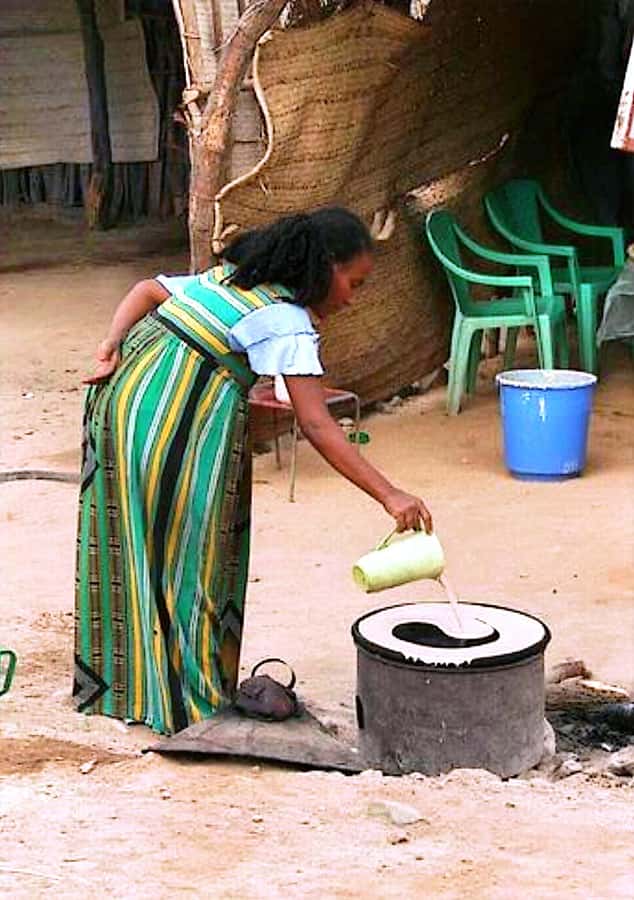
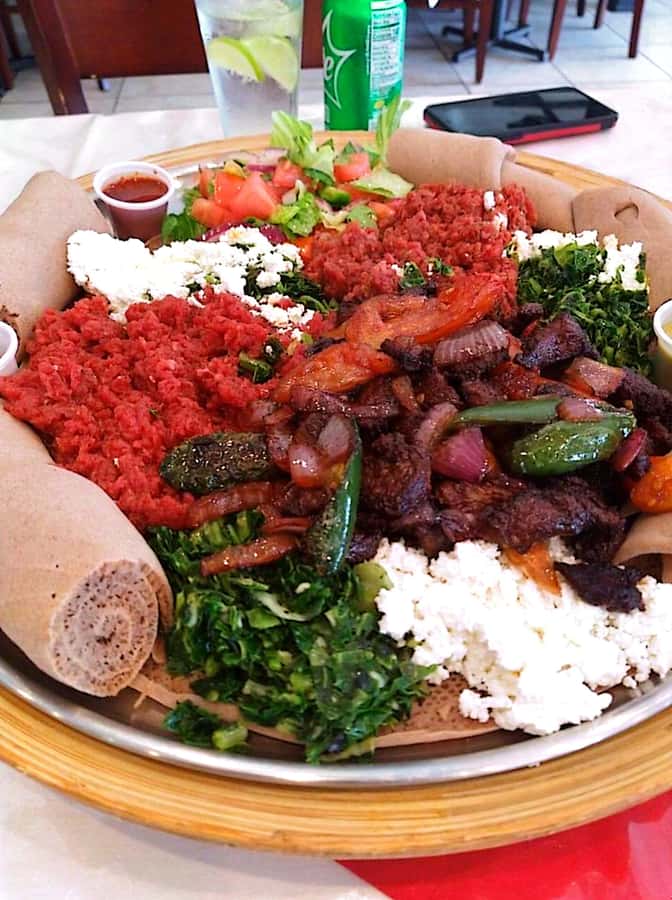
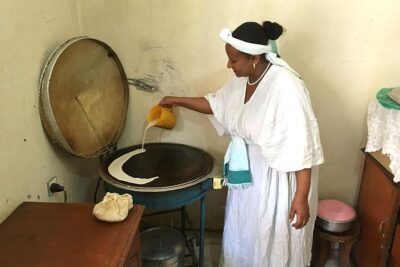
Injera is the Ethiopian staple that shows up on almost every table, and this class gives you the key idea: fermentation takes time. You learn how to bake injera, and you also learn why the dough ferments for three days before it is cooked. That slow fermentation is what creates the texture and the slightly sour taste.
You will also learn that injera comes in three different colored varieties: white, brown, and red. Even if you end up liking one color more than the others, knowing there are variations helps you understand that Ethiopian food is not one single pattern. It is a range of styles and ingredients.
Practical tip for the session: injera-making is hands-on, and getting the batter right is usually the difference between flat success and a learning moment. Wear comfortable shoes because you may be standing around the kitchen as the food moves from prep to cooking.
Shiro wot: spicy puréed chickpeas, cooked at the same table
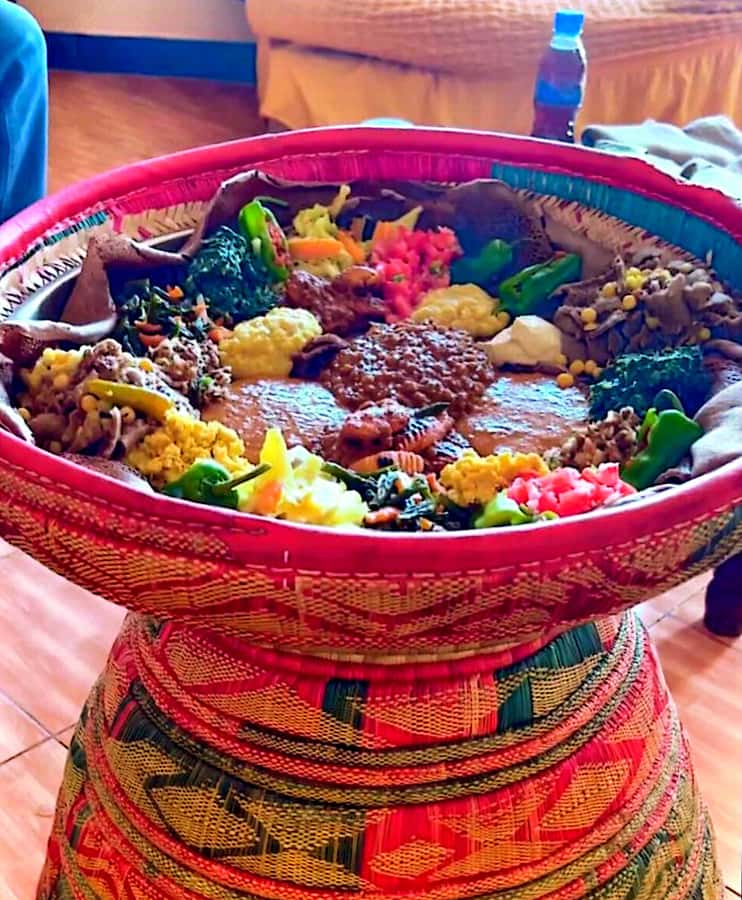
After injera, you shift to shiro wot, a popular Ethiopian stew made from spicy puréed chickpeas. You work side by side with your hosts, so you can see how spice and texture come together, rather than just tasting the finished dish.
This step is important for understanding Ethiopian meals. Shiro wot is not an afterthought. It is part of the rhythm of eating injera with stews, sauces, and spices. When you cook the stew yourself, you notice things you would normally miss, like how thickness changes when ingredients are cooked down and how spice intensity feels in real time.
Then you get to taste and eat what you cooked. That is where the learning locks in. You are not relying on memory or guesswork, you are tasting your own results with the people teaching you.
The Ethiopian coffee ceremony, from freshly roasted beans
The day ends with Ethiopian coffee, made through a ceremony-style approach. You learn how to make coffee using freshly roasted coffee beans with your host.
Fresh roasting is the big deal here. It is not just coffee as a caffeine stop. You get a sensory experience tied to Ethiopian hospitality, where the coffee is prepared for sharing rather than ordered and forgotten.
If you are a coffee person, this part is worth paying attention to. You will likely pick up how aroma changes between roasting and brewing, and how the timing of preparation matters. If you are not a coffee person, you might still enjoy the ritual because it is a calm finish to an active cooking session.
Price and value: what $90 really covers

At $90 per person for a 4-hour experience, the cost is not low. So the smart question is not just Is it $90, but What exactly do you get for that money?
From what is included, you get a lot in one package:
- Airport or hotel pickup and drop-off
- Lunch
- Full cooking classes for injera and shiro wot
- Full Ethiopian coffee class
- Entrance fees
- A small group limit of 7 participants
- A live tour guide in English or French
The value angle is that you are paying for both teaching and logistics. You do not just get ingredients and a recipe. You get a guide, city context stops, museum time, and home-kitchen instruction. That tends to be a good deal compared with piecing it together yourself, especially if you are not yet comfortable navigating Addis on your own.
If you are visiting Ethiopia briefly, this type of structured, high-contact activity can be one of the best uses of limited time.
Timing, comfort, and what to bring
Because this is active and kitchen-based, you will want to arrive prepared. Bring comfortable shoes and warm clothing. Also bring a camera if you like taking photos of market life, cooking steps, and the museum stop.
In the cooking and food steps, alcohol and drugs are not allowed. The format is designed around a shared local experience, so keep the vibe respectful and straightforward.
The day is also not suitable for people over 95 years, which is worth considering for planning.
Who this tour suits best
This is a great match if you:
- Want to learn Ethiopian cooking in a real home kitchen
- Like hands-on classes where you cook, then eat what you made
- Have limited time in Addis Ababa and want a day that includes Lucy at the National Museum
- Enjoy coffee culture and want to see coffee from fresh roasting
It might be less ideal if you:
- Want a long, slow museum day or a full itinerary with multiple meals beyond lunch
- Prefer purely sightseeing with minimal kitchen time
- Are very price sensitive and do not see value in pickup, museum entrance fees, and instruction bundled together
Should you book this Addis Ababa cooking class?
Yes, you should consider booking if you want an authentic Ethiopian food and coffee experience that also gives you city context. The best reason to book is the combination: injera and shiro wot instruction in a local home, plus a fresh-roasted coffee ceremony, plus Lucy at the museum, all wrapped into a half-day with pickup and drop-off.
If $90 feels high, weigh it against how much you would otherwise spend on museum access, a guided market and city stop, and a private or semi-private cooking lesson. For many short-stay visitors, it is the kind of plan that turns a few hours into something memorable and useful.
FAQ
How long is the Addis Ababa full cooking class?
The experience lasts about 4 hours.
Where does pickup happen?
You can be picked up from the airport or from your hotel, and you will also be dropped off afterward.
What is included in the price?
The package includes lunch, full cooking classes for injera and shiro wot, a full Ethiopian coffee class, entrance fees, and pickup plus drop-off.
What is not included?
Breakfast and dinner are not included, and gratuity is not included.
What food and skills will I learn?
You will learn how to bake injera, how to cook shiro wot, and how to make Ethiopian coffee.
Is this tour a small group?
Yes, it is limited to a small group of 7 participants.
What languages are available for the live guide?
The live tour guide is available in English and French.
Are there any restrictions on what I can bring?
Alcohol and drugs are not allowed. You should also bring comfortable shoes, warm clothing, and a camera.
Classes at the Stove
- Market Tour and Cooking Class with a Coffee Ceremony at a Home in Addis Ababa
★ 5.0 · 32 reviews - Ethiopian Cooking Class and Coffee Ceremony with a Local in Addis with transfers
★ 5.0 · 14 reviews - Unique Ethiopian Cooking Class and Coffee Ceremony with a Local in Addis Ababa
★ 4.5 · 7 reviews - Private Ethiopian Home Cooking Class in Addis Ababa with Transfer
★ 5.0 · 5 reviews
The Rest of the Ethiopia List
- Full Day Tour of Addis Ababa with Hotel Pickup and Drop-off
★ 5.0 · 430 reviews - Taste of Ethiopia
★ 5.0 · 406 reviews - Day Trip From Addis Ababa See Historical Monastery,Stunning Nature,Animals,Birds
★ 5.0 · 303 reviews - Addis Ababa: Debre Libanos, Blue Nile Gorge, and Cave Tour
★ 4.5 · 256 reviews - Addis Ababa Guided City Tour With Airport & Hotel Pick Up
★ 5.0 · 237 reviews
Cooking Ethiopian, Class by Class
- Market Tour and Cooking Class with a Coffee Ceremony at a Home in Addis Ababa
★ 5.0 · 32 reviews - Addis Ababa City Tours With Cocking Class of Ethiopian Food
★ 5.0 · 20 reviews - Ethiopian Cooking Class and Coffee Ceremony with a Local in Addis with transfers
★ 5.0 · 14 reviews - Ethiopia coffee cupping class/Ethiopian food injera making
★ 5.0 · 10 reviews - Unique Ethiopian Cooking Class and Coffee Ceremony with a Local in Addis Ababa
★ 4.5 · 7 reviews
Other Ethiopia tours we have written up



Ethiopian Cooking Classes, compared.
 ★ 5.0Market Tour and Cooking Class with a Coffee Ceremony at a Home in Addis AbabaFrom $16832 reviews
 ★ 5.0Addis Ababa City Tours With Cocking Class of Ethiopian FoodFrom $9020 reviews
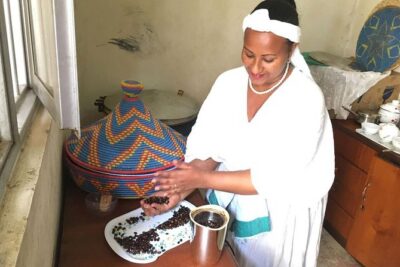 ★ 5.0Ethiopian Cooking Class and Coffee Ceremony with a Local in Addis with transfersFrom $15414 reviews
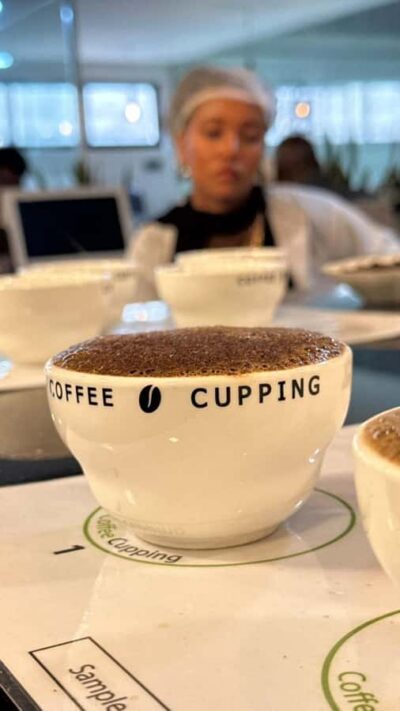 ★ 5.0Ethiopia coffee cupping class/Ethiopian food injera makingFrom $9410 reviews
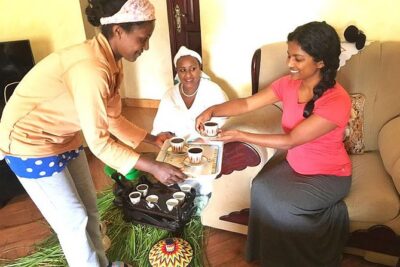 ★ 4.5Unique Ethiopian Cooking Class and Coffee Ceremony with a Local in Addis AbabaFrom $1167 reviews
Browse the lists this tour appears in