
REVIEW · ETHIOPIAN COOKING CLASSES
Private Ethiopian Home Cooking Class in Addis Ababa with Transfer
Cooking in a local home feels personal.
This private class in Hilena’s Sansusi home is a real window into everyday Ethiopian food, not a show. I like that you learn family recipes hands-on and then sit down to eat what you make. I also appreciate that your group stays private, with Hilena’s brother translating since Hilena is not very fluent in English.
The best part is the food, and it takes time. You’ll make traditional dishes and enjoy a full meal that includes Beyaynetu (vegetable platter), Shiro (chickpea stew), Genfo (porridge), and Anebabero (Ethiopian bread), then finish with Ethiopian coffee. The one drawback to plan for is that it’s a long, meal-heavy 3-hour experience, so come hungry and expect a lot of food on the table.
In This Review
- Key points to know before you go
- A private kitchen lesson in Sansusi, Addis Ababa
- Market option: shopping the Sansusi street market for your meal
- Hands-on cooking: Shiro, Genfo, beyaynetu, and Ethiopian bread
- The meal at the table, plus Ethiopian coffee to finish
- Timing, group size, and what 3 hours can feel like
- Price and value for a $124 private class with pickup
- Who should book this cooking class (and who might skip it)
- Small practical tips so your day goes smoothly
- Should you book this Ethiopian home cooking class?
- FAQ
- How long is the Ethiopian home cooking class in Addis Ababa?
- Where does the cooking class take place?
- Is pickup included?
- Is this class private?
- What will I cook and eat?
- Is there a vegetarian option?
- Can I accommodate allergies or dietary restrictions?
- What language support is provided since Hilena may not speak fluent English?
- What is the cancellation policy?
Key points to know before you go
- Sansusi home base: It takes place in Hilena’s home area about 20 km from the airport.
- Private, even if others are around: Hilena runs a guest house, but your cooking class is private.
- Market option in a neighborhood street market: You may walk stalls with grains, vegetables, fruits, live animals, and even clothing.
- Two-dish focus, full meal spread: The class centers on making 2 traditional dishes, plus the meal includes Beyaynetu, Shiro, Genfo, and Ethiopian bread.
- Translation support: Hilena is not very fluent in English, so her brother helps throughout.
Other Addis kitchens that take visitors
- Market Tour and Cooking Class with a Coffee Ceremony at a Home in Addis Ababa★ 5.0 · 32 reviews
- Addis Ababa City Tours With Cocking Class of Ethiopian Food★ 5.0 · 20 reviews
- Ethiopian Cooking Class and Coffee Ceremony with a Local in Addis with transfers★ 5.0 · 14 reviews
- Ethiopia coffee cupping class/Ethiopian food injera making★ 5.0 · 10 reviews
A private kitchen lesson in Sansusi, Addis Ababa
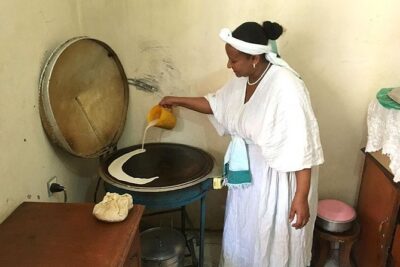
Addis Ababa has plenty of restaurants, but this experience works because it happens inside a real home kitchen. Hilena is a native of Addis Ababa, and she’s been cooking since childhood. That matters because the food you make is tied to how families actually cook and eat, not just how a recipe looks on paper.
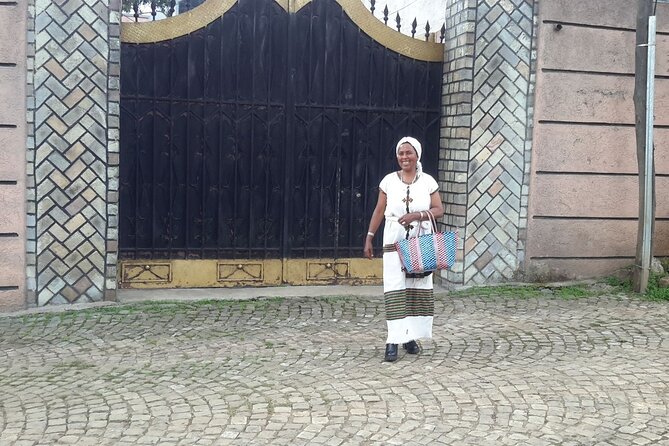
Your class is in the outskirts of Addis Ababa, in Sansusi, about 20 km from the airport. That distance is a good sign, in my view, because you’re stepping away from the most tourist-packed zones and into everyday neighborhoods. Pickup is offered, which helps you avoid the extra hassle of figuring out transport on your own.
One practical thing: Hilena is not very fluent in English. Her brother joins for the whole experience to translate. This keeps the class smooth and makes sure you can ask questions while you cook, not just during the first few minutes.
Finally, it’s designed to be private for your group. Hilena runs a guest house, so there may be other travelers present in the broader property, but your Traveling Spoon cooking class is private and personalized.
Market option: shopping the Sansusi street market for your meal
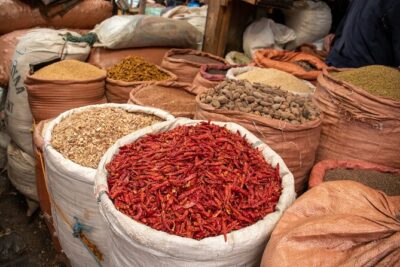
If you choose the market tour option, you’ll start with a walk through a local neighborhood street-side market in Sansusi. This isn’t a polished market experience. You’re more likely to see the everyday supply chain in action.
The market can include stalls selling grains, vegetables, and fruits, plus items like live chicken and sheep. You might also spot clothing for sale. That mix tells you a lot about what daily life looks like in Addis Ababa, where food shopping and general commerce are often close together.
You’ll also learn about what grows locally. Even better, you can buy a few ingredients for the cooking class. If you like cooking at home, this is the part that gives you something more than memories. You’ll leave with ideas for flavors and ingredients you can actually chase down later.
A small consideration: markets can be busy and hands-on, and the tour includes animal products in the mix. If that’s not your thing, you can still do the cooking class without the market option.
Hands-on cooking: Shiro, Genfo, beyaynetu, and Ethiopian bread
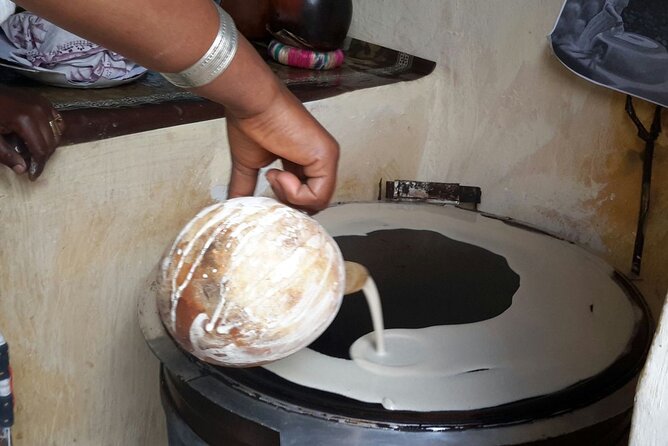
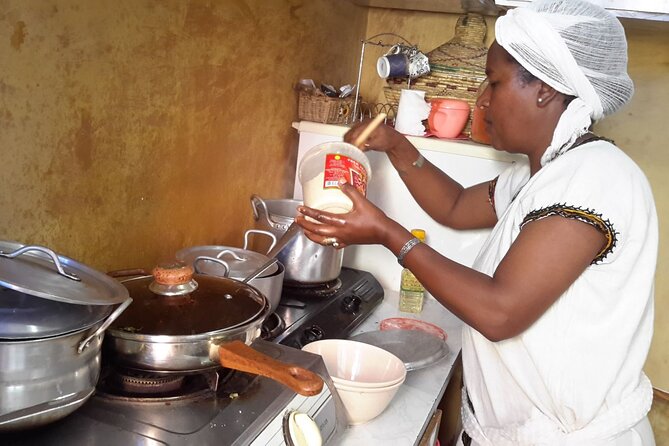
This class is built around learning two traditional dishes using Hilena’s family recipes. In practice, you should think of the session as cooking plus building the whole meal. The highlights list the full table, so you’ll see how the pieces fit together.
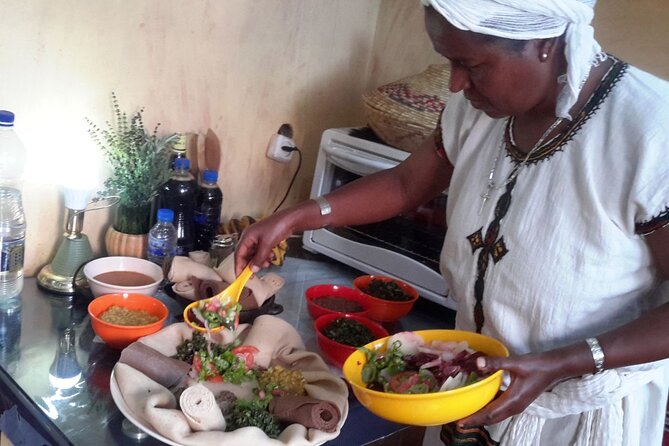
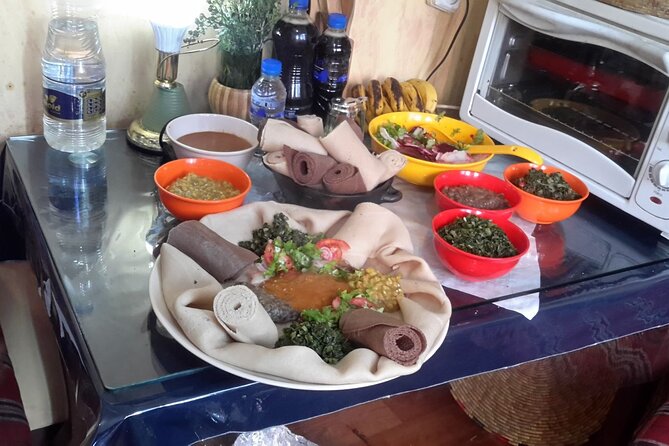
Your meal includes Beyaynetu, a vegetable platter made at home. You’ll also have Shiro, a chickpea stew, and Genfo, a porridge. Ethiopian bread, listed as Anebabero, rounds out the meal.
Even if you only cook two items directly, you’ll understand the flow: how flavors layer, how dishes are served, and how the table comes together. The experience is educational in a way that feels practical. You learn by doing, and then you eat in the same setting where the food was prepared.
One thing I’d underline is that menu choices can vary depending on the season. So don’t expect everything to be exactly the same on every date. That’s normal for home cooking, and it’s often the point. Ask what season you’re in and you’ll get a better sense of why ingredients show up the way they do.
Diet and allergies are handled by advance notice. If you have allergies, dietary restrictions, or a cooking preference, you should tell the operator when you book. A vegetarian option is available if you request it at booking time.
The meal at the table, plus Ethiopian coffee to finish
After you cook, you eat the meal together in the hosts’ home. This is where the experience stops being a class and becomes a real cultural moment. You get to see how people enjoy the food, not just how it’s made.
In the Ethiopian home setting, the meal is the reward. The experience includes Beyaynetu, Shiro, Genfo, and Anebabero, and it’s not designed as a light snack. One key point from the vibe of the experience is that it’s a long course with a lot of food. That’s great if you want a full day of taste and learning, and it’s a heads-up if you’re trying to squeeze in dinner plans afterward.
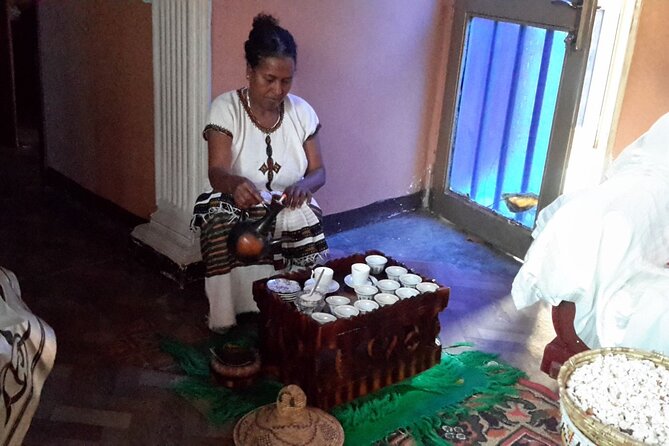
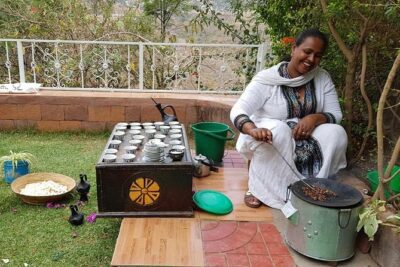
Then, to end, you relax with a cup of Ethiopian coffee. It’s a nice landing for the experience. You’re no longer moving around the kitchen, so you can slow down and let the flavors settle.
I’d treat this as a meal first, an activity second. If you plan your day around that mindset, you’ll enjoy it more.
Private departures elsewhere in Ethiopia

Timing, group size, and what 3 hours can feel like
The official duration is about 3 hours. In real-life terms, it can feel longer because it includes market time if you choose that option, plus cooking, plus sitting down to eat.
This is not a rushed stop. The pace gives you time to learn and ask questions, including while your hands are busy. It also gives you time to actually taste and understand how the dishes go together.
The group stays limited to your group because it’s private. That helps a lot if you want a calmer experience, or if you’re the kind of person who likes asking questions without sharing the attention with strangers.
Also, since it’s a home kitchen setup, expect a more casual structure than you might see in a restaurant workshop. The important part is that Hilena’s brother translation support helps keep you included in what’s happening.
Price and value for a $124 private class with pickup
At $124 per person, this is not the cheapest food activity in Addis Ababa. But it’s priced like a private, home-based experience with real instruction, real food, and pickup offered.
Here’s where the value comes from:
- You’re not paying for an impersonal demo. You’re cooking in a family kitchen and eating what you make. That’s hard to replicate cheaply.
- The menu is substantial, with multiple dishes and Ethiopian coffee included at the end.
- You get language support from Hilena’s brother for the entire experience, which matters more than many people realize. Good translation turns a fun meal into a real learning experience.
- The option to add a local market walk can deepen the connection because you see produce and ingredients before you cook.
Your best way to judge value is to compare it to restaurant meals plus cooking instruction. If you’re already planning to spend money on food that day, this class starts looking like a smart swap. You pay for the meal and the teaching, all in one time block.
It’s also booked on average about 33 days in advance, which suggests people line it up intentionally, not as a last-minute filler.
Who should book this cooking class (and who might skip it)
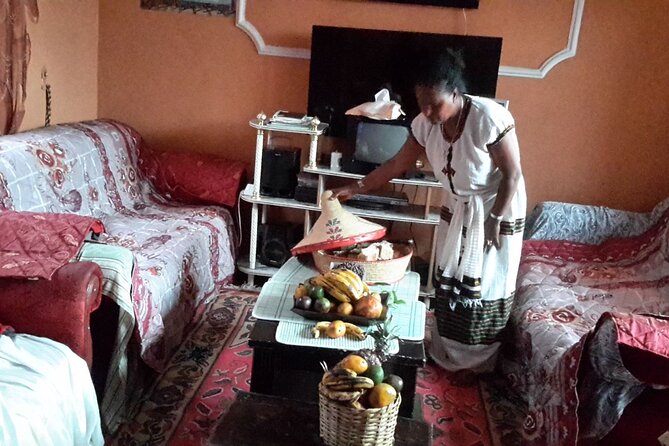
I think this is a great fit for food lovers who want a home-cooked meal and a real sense of daily Ethiopian life. If you care about how recipes are actually taught in families, this kind of class is usually more satisfying than a restaurant-based workshop.
It’s also a smart choice if you want vegetarian food options. Vegetarian is available if you request it at booking.
You’ll likely enjoy it if you’re comfortable with being in someone’s home. This is not a studio setting. You’ll spend time in a family space, eating together afterward, and that adds a personal warmth.
You might want to skip or reconsider if:
- You strongly prefer short, light activities. This is meal-heavy and can feel long.
- You’re not comfortable with the presence of live animals at the market option. The market tour may include live chicken and sheep.
Small practical tips so your day goes smoothly
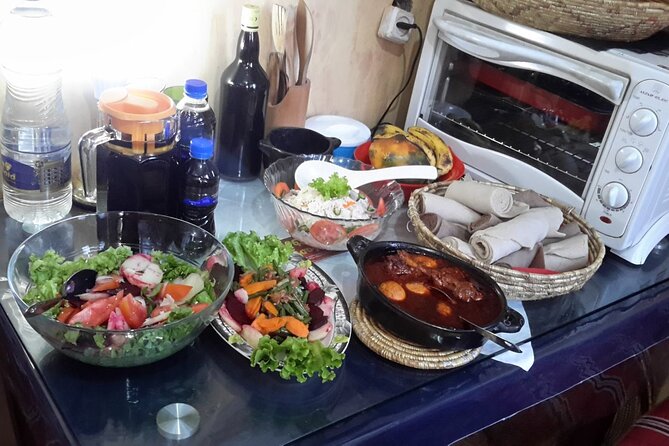
Because the class takes place in Sansusi, plan for local travel time even with pickup offered. Wear clothes that are comfortable for kitchen time. Kitchens are practical spaces, and you’ll be in and around cooking prep during the session.
Also, if you have allergies or dietary restrictions, send details when you book. Don’t assume they can guess. The operator asks you to advise at booking, and it’s the best way to make sure the menu works for you.
If you’re choosing the market option, arrive ready to walk and browse. If you see ingredients you like, the tour can help you decide what to buy for your cooking class.
Finally, bring the right attitude: this is a learning-and-eating experience. If you treat it like a quick snack stop, you’ll miss the point.
Should you book this Ethiopian home cooking class?
Book it if you want a private, hands-on Ethiopian cooking experience in a real home, with a full meal and coffee at the end. The price makes sense when you factor in the instruction, the substantial food, pickup offered, and translation support from Hilena’s brother.
Consider a different option if you want something very brief, or if the market option sounds stressful for you because it may include live animals. If you’re on the fence, the cooking class without the market tour is still likely to be the core experience, because the real value is the home kitchen and the shared meal.
If your travel style is food-first and you enjoy learning through doing, this is exactly the kind of day that sticks with you.
FAQ
How long is the Ethiopian home cooking class in Addis Ababa?
The cooking class lasts about 3 hours.
Where does the cooking class take place?
It takes place in a local home kitchen in the outskirts of Addis Ababa, in Sansusi, about 20 km from the airport.
Is pickup included?
Yes, pickup is offered.
Is this class private?
Yes. It is private for your group. Even if there are other travelers at Hilena’s guest house, your cooking class is private.
What will I cook and eat?
You will make 2 traditional Ethiopian dishes, and the meal includes Beyaynetu (vegetable platter), Shiro (chickpea stew), Genfo (porridge), and Anebabero (Ethiopian bread).
Is there a vegetarian option?
Yes. A vegetarian option is available if you advise at the time of booking.
Can I accommodate allergies or dietary restrictions?
Yes. If you have allergies, dietary restrictions, or cooking preferences, you should advise at booking. The menu may vary depending on the season.
What language support is provided since Hilena may not speak fluent English?
Hilena is not very fluent in English, so her brother is present throughout to help translate.
What is the cancellation policy?
You can cancel up to 2 days in advance for a full refund. If you cancel within 2 days of the start time, the amount paid is not refunded.
Private, Just Your Group
- Full-Day Private City Tour of Addis Ababa
★ 5.0 · 147 reviews - Addis Ababa Authentic Private City Tour
★ 5.0 · 134 reviews - Full Day Private City Tour Of Addis Ababa
★ 5.0 · 36 reviews - 2 Days Private Tour in Addis Ababa Ethiopia
★ 5.0 · 36 reviews - Private Half Day Guided tour in Addis Ababa New Flower
★ 5.0 · 16 reviews
The Rest of the Ethiopia List
- Full Day Tour of Addis Ababa with Hotel Pickup and Drop-off
★ 5.0 · 430 reviews - Taste of Ethiopia
★ 5.0 · 406 reviews - Day Trip From Addis Ababa See Historical Monastery,Stunning Nature,Animals,Birds
★ 5.0 · 303 reviews - Addis Ababa: Debre Libanos, Blue Nile Gorge, and Cave Tour
★ 4.5 · 256 reviews - Addis Ababa Guided City Tour With Airport & Hotel Pick Up
★ 5.0 · 237 reviews
Cooking Ethiopian, Class by Class
- Market Tour and Cooking Class with a Coffee Ceremony at a Home in Addis Ababa
★ 5.0 · 32 reviews - Addis Ababa City Tours With Cocking Class of Ethiopian Food
★ 5.0 · 20 reviews - Ethiopian Cooking Class and Coffee Ceremony with a Local in Addis with transfers
★ 5.0 · 14 reviews - Ethiopia coffee cupping class/Ethiopian food injera making
★ 5.0 · 10 reviews - Unique Ethiopian Cooking Class and Coffee Ceremony with a Local in Addis Ababa
★ 4.5 · 7 reviews
Other Ethiopia tours we have written up




Ethiopian Cooking Classes, compared.
 ★ 5.0Market Tour and Cooking Class with a Coffee Ceremony at a Home in Addis AbabaFrom $16832 reviews
 ★ 5.0Addis Ababa City Tours With Cocking Class of Ethiopian FoodFrom $9020 reviews
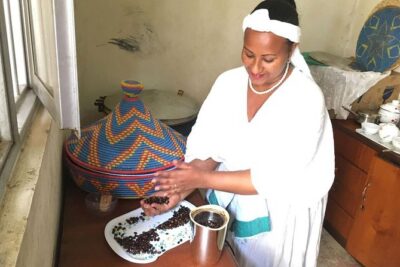 ★ 5.0Ethiopian Cooking Class and Coffee Ceremony with a Local in Addis with transfersFrom $15414 reviews
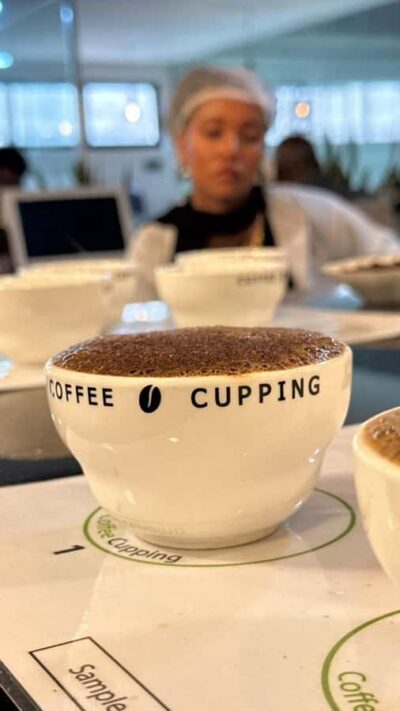 ★ 5.0Ethiopia coffee cupping class/Ethiopian food injera makingFrom $9410 reviews
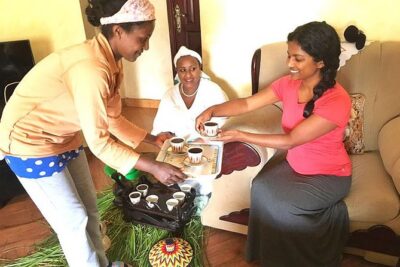 ★ 4.5Unique Ethiopian Cooking Class and Coffee Ceremony with a Local in Addis AbabaFrom $1167 reviews
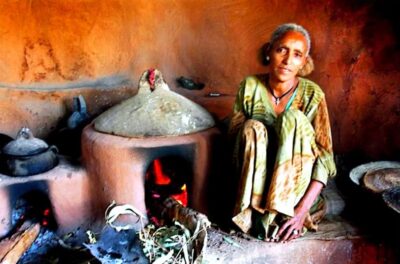 ★ 5.0Addis abeba Full Cooking class.From $906 reviews
Browse the lists this tour appears in