
REVIEW · ETHIOPIAN FOOD & COFFEE TOURS
Ethiopia coffee cupping class/Ethiopian food injera making
Two Ethiopian classics, coffee and injera, in one day. I like that this Ethiopian coffee cupping class pairs a guided tasting with hands-on cooking, so you understand the food and the drink as Ethiopians do, not just as a performance. I also like that the injera workshop uses traditional tools like the mitad and a clay coffee setup, so you get a real feel for the craft.
One possible drawback is practical, not cultural: it is a 4-hour kitchen and tasting session, and it is not suitable for people with altitude sickness or for children under 15. If you are short on time or sensitive to sour fermentation smells and heat, you may want to consider a lighter food tour instead.
In This Review
- Key points you will care about
- Ethiopian coffee cupping plus injera: a smarter way to taste Ethiopia
- Addis Ababa pickup and the 4-hour shape of the day
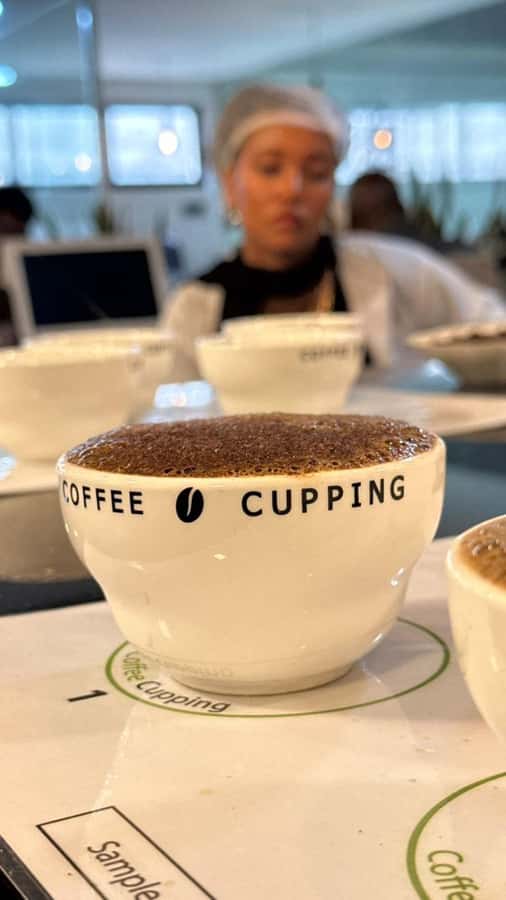
- Coffee cupping session: train your nose, then your tongue
- Injera making workshop: ferment, bake, flip, repeat
- Lunch with shiro and misir wot, then the coffee ceremony payoff
- Guides make or break the day, and the names you might meet
- Price and value: is $94 a fair deal for coffee plus injera?
- Who this tour fits best, and who should skip it
- Tips to get the most from the day
- Should you book the Ethiopian coffee cupping and injera class?
Key points you will care about
- Coffee cupping with a local expert, including tasting notes and how roast levels and growing regions change flavor
- Injera making taught step by step, from mixing and fermenting to baking and flipping on the tradicional mitad
- A traditional coffee ceremony to wrap the day, with your meal and your own food as the center of attention
- Lunch built around what you made, with Ethiopian dishes like shiro and misir wot to keep the flavors varied
- Private group feel, plus English interpretation and a clean indoor/outdoor kitchen setup
- Addis Ababa pickup so you do not waste half the day figuring out transportation
Still hungry? More injera, buna and market mornings
- Ethiopian Culinary Tour – Market, Food, Coffee Ceremony & more★ 5.0 · 65 reviews
- Hidden Treasures of Addis Ababa – Food, Culture and History Tour★ 5.0 · 57 reviews
- Market Tour and Cooking Class with a Coffee Ceremony at a Home in Addis Ababa★ 5.0 · 32 reviews
- Addis Ababa City Tours With Cocking Class of Ethiopian Food★ 5.0 · 20 reviews
Ethiopian coffee cupping plus injera: a smarter way to taste Ethiopia
Ethiopia is famous for coffee, but coffee there is not just a drink. It is part of daily hospitality, family rhythm, and social time. That is why I like the way this experience ties the day together. You start by training your senses during a guided cupping session, then you shift to injera, the national flatbread that shows up with most meals.
When you make injera yourself, you also learn why the bread matters. Injera is sour, springy, and central to how people eat. It is not simply “bread on the side.” It is your plate, your scooping tool, and the flavor base that makes stews and lentil dishes taste balanced and complete.
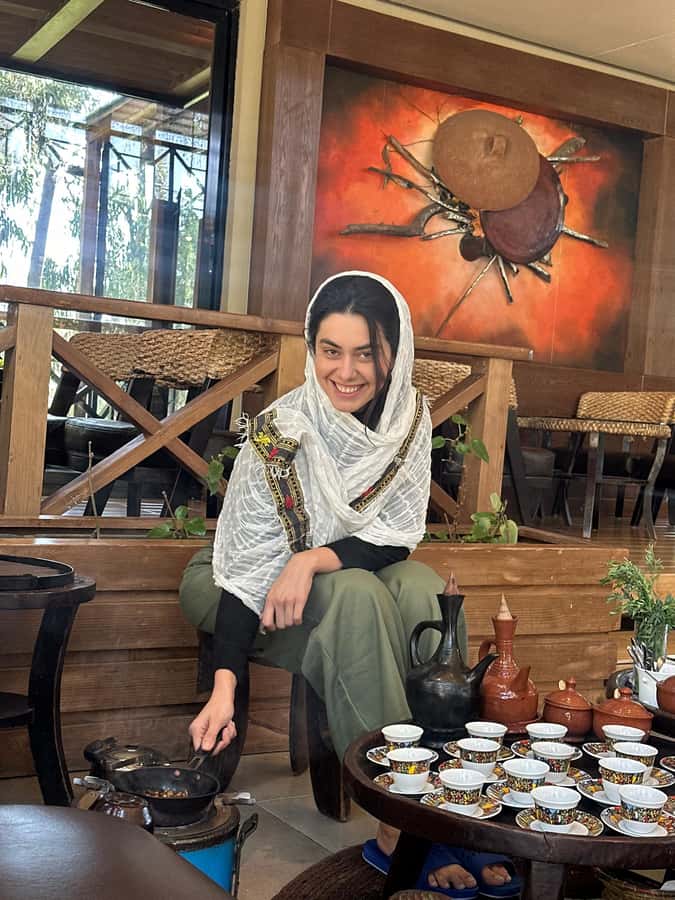
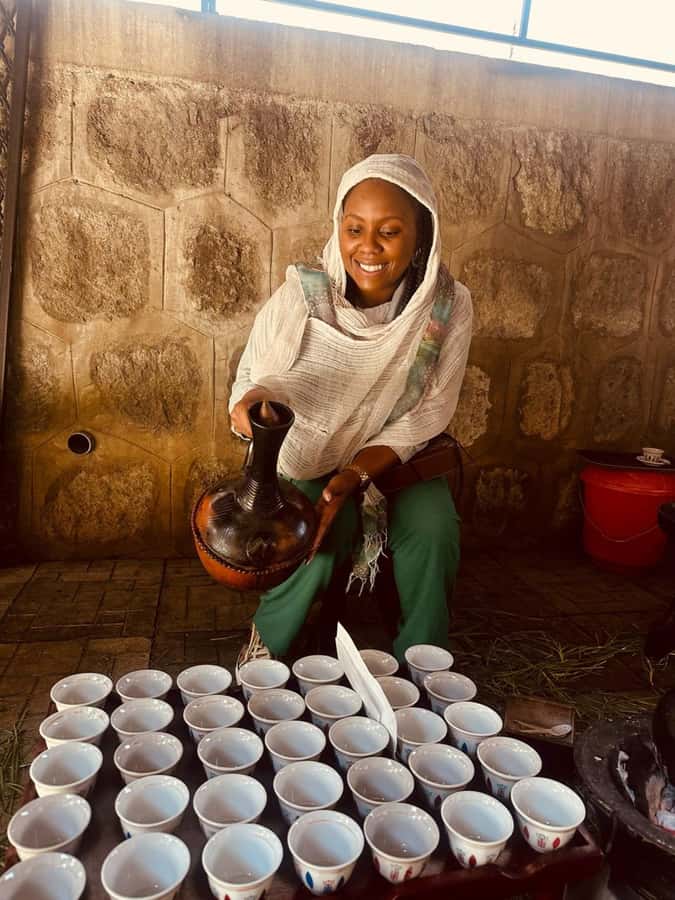
Then there is the coffee ceremony, which acts like the finish line. After you taste and learn about coffee in the morning or afternoon portion, the ceremony gives context for why Ethiopians treat coffee like a ritual, not a quick caffeine stop.
Addis Ababa pickup and the 4-hour shape of the day
This is designed around one main idea, comfort plus access. You get pickup in Addis Ababa, and the provider coordinates it the day before your tour. That matters here because the experience is time-structured and you do not want to arrive flustered at a kitchen setting.
The total duration is 4 hours, which is long enough to do real learning, not long enough to feel like a full day commitment. The coffee portion is set at about 45 minutes, and the cooking class is about 30 minutes. The rest of the time flows around tasting, lunch, and the Ethiopian coffee ceremony.
Because the group type is private, you typically get more direct attention from your local host and English-speaking guide. That can be a big deal for hands-on cooking classes. If you need the process repeated, or you want clarification on a tasting comparison, you will usually get it without having to fight for time in a large group.
Practical note: this is not listed as kid-friendly, and it is not for people with altitude sickness. If either applies, skip it and choose a different cultural class that fits your body and schedule.
Coffee cupping session: train your nose, then your tongue
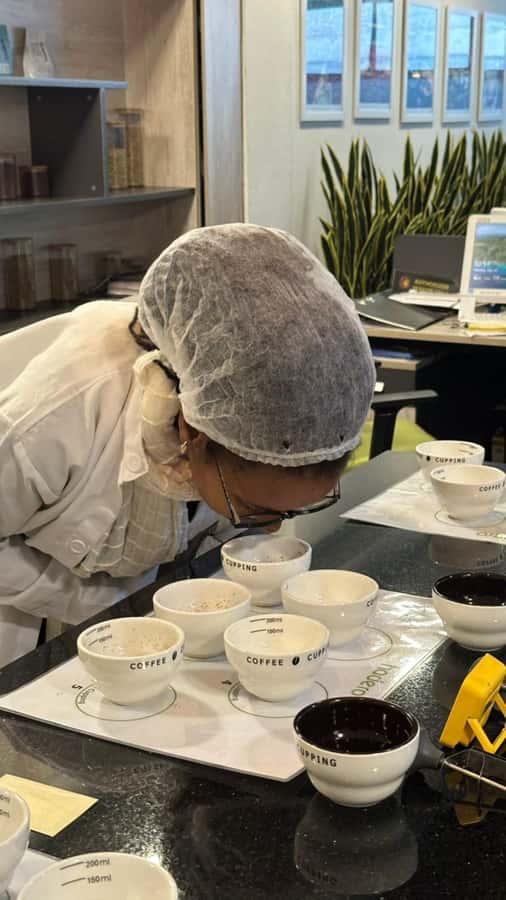
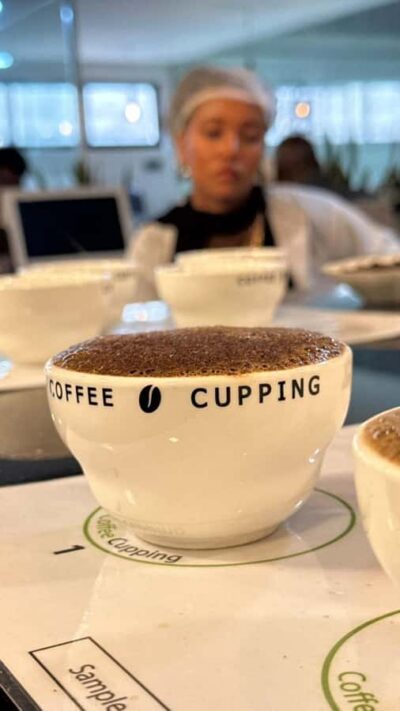
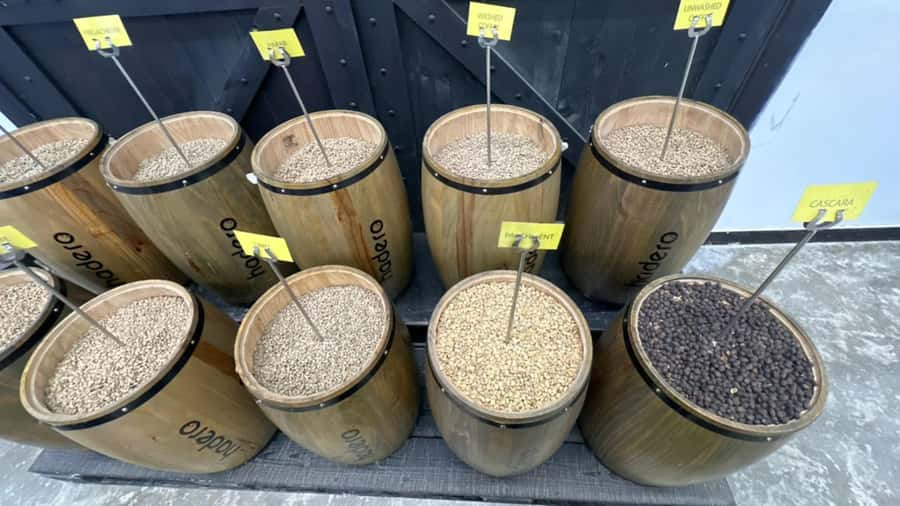
The coffee part starts with a guided cupping session led by a local coffee expert. Cupping is basically a structured tasting method, and the tour is built to teach you how to pay attention. You explore the aromas first, then you taste and compare.
You also learn why Ethiopian coffee can taste so different from cup to cup. The class covers:
- coffee growing regions
- roast levels
- how to recognize tasting notes using the same approach a professional might use
That last point is what makes the session more than a “try three coffees” stop. You are not just sampling. You are learning a way to describe what you are noticing, like acidity, body, and flavor notes, so your experience sticks.
What to expect in the room: you will be tasting multiple coffee varieties, with a guided explanation and professional-style evaluation. You will also get an Ethiopian coffee ceremony later in the day, but cupping gives you a head start. By the time the ceremony happens, you are already used to focusing on what you smell and what you taste.
Injera making workshop: ferment, bake, flip, repeat
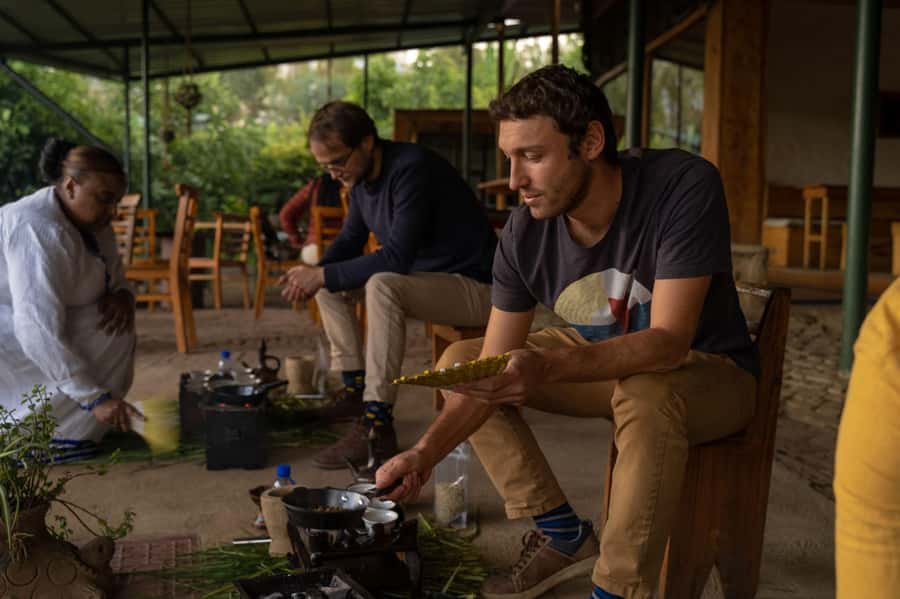
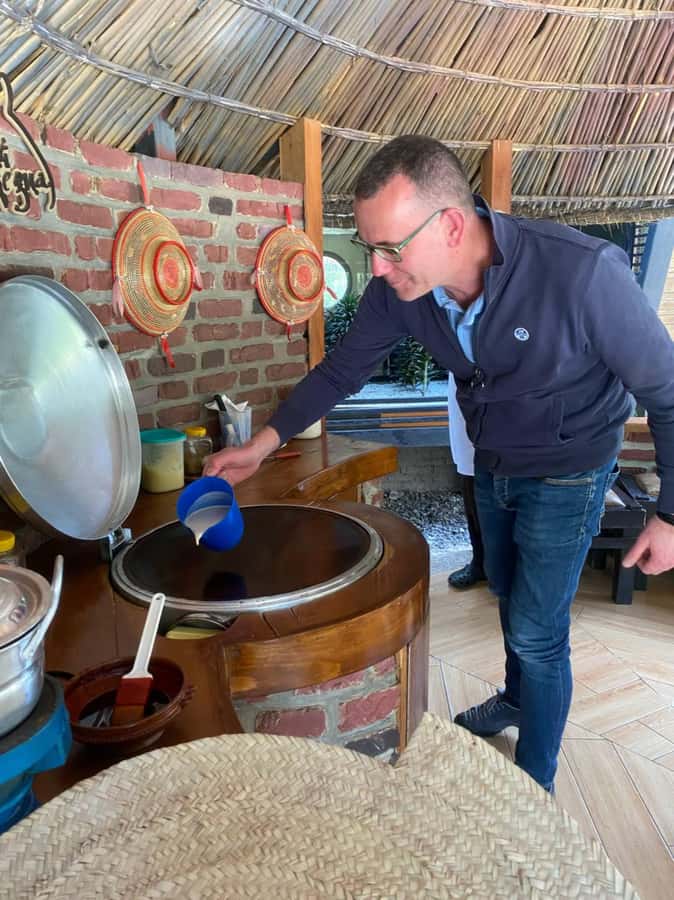
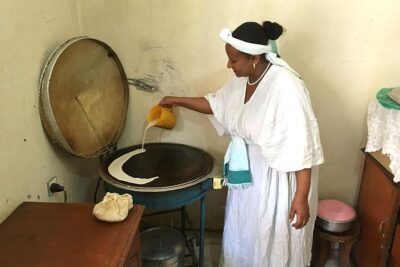
After coffee comes the most tactile part, injera making. You join a cozy kitchen setting where you are taught to mix, ferment, and bake the flatbread. Injera uses a sourdough-like fermentation approach, and the tour focuses on the key actions you need to understand the bread.
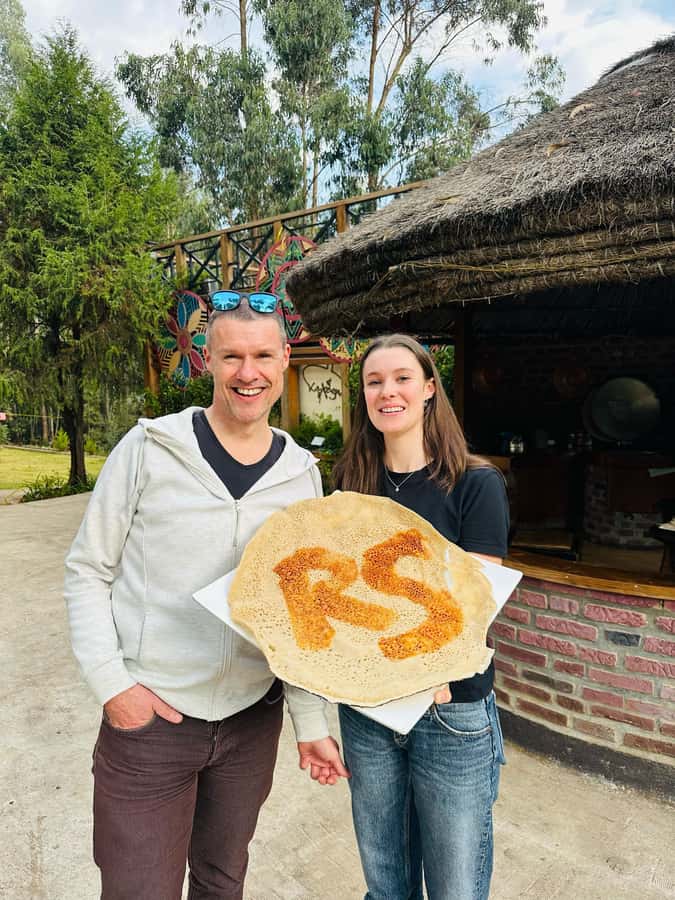
This is not a “watch someone else cook” moment. You roll up your sleeves and get hands-on instruction. You’ll learn the art of flipping injera perfectly, then you get to enjoy it with Ethiopian dishes.
The tour includes specific traditional equipment and tools. Two highlights:
- the mitad (the traditional cooking surface)
- the traditional clay coffee pot used during the coffee-related parts
Why this matters: cooking on the mitad is part of how injera is made in Ethiopia. It also changes how you experience the process. You are not picturing it from a cookbook. You are working inside the same technique framework that local cooks use.
Timing-wise, the cooking class portion is about 30 minutes, which means the instruction is likely fast, clear, and aimed at getting you into the flow. If you want to ask lots of questions, the private group format helps.
Also plan for the reality of cooking classes. You will be in a kitchen environment with spices and food preparation. It is wise to wear something comfortable that can handle a little mess.
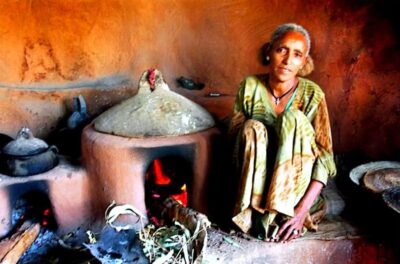
Other Addis kitchens that take visitors
Lunch with shiro and misir wot, then the coffee ceremony payoff
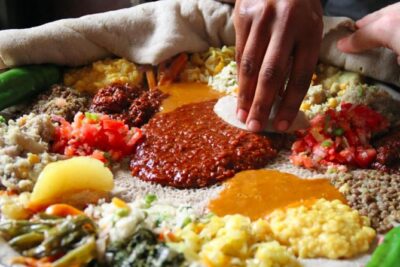
The lunch is designed to match what you made. Your meal includes traditional Ethiopian lunch with your handmade injera, plus a variety of local dishes. The description specifically calls out options like shiro and misir wot, and you can expect other traditional sides to show up too.
Here is what makes this part feel authentic: injera is not “the bread you eat.” It is the platform for everything else. When the bread is sour and ready, it changes the way lentils and spice-forward dishes taste. That is why making injera first is such a smart lead-in. By the time you sit down to eat, you are not guessing how it should taste or how it should behave.
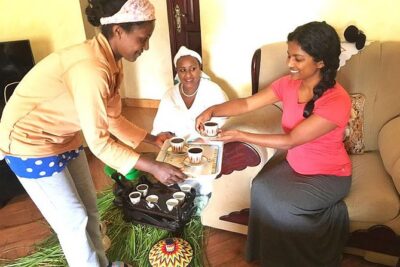
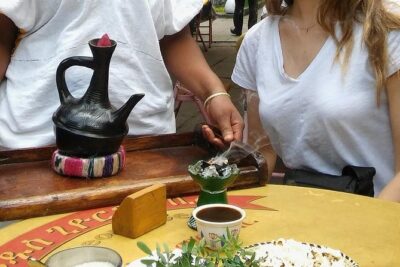
After lunch, you finish with a relaxed communal meal feel and an authentic Ethiopian coffee ceremony. The ceremony is not just a cute finale. It is a cultural rhythm that tells you coffee is meant to be shared, slowed down, and discussed.
This pacing, learn, cook, eat, then ceremony, also helps you remember the day. You move from theory (cupping) to practice (injera) to sensory context (meal and ceremony). It makes the whole experience stick.
Guides make or break the day, and the names you might meet
A lot of the value here comes from the people guiding it. The experience consistently gets strong praise for punctuality, communication, and how friendly the guides are during both the tasting and the cooking.
You might meet guides like:
- Jonas, praised for perfect English and a genuine, easy-to-talk-to manner
- Joe, recognized for thoughtful guidance and for taking guests to see more of Addis after the class
- Aelaf, noted for caring attention and passion for the country and the process
- Mike, described as highly accommodating, with great storytelling and care for the day
Those names matter because they signal something practical: you are not just getting a script. You are getting a host who explains things in a human way, and who helps you feel comfortable while you are handling food.
A couple of the praised add-ons from real days suggest that some guides also build in extra context around Addis Ababa. For example, some people describe visits connected to Ethiopian coffee culture and nearby viewpoints, while others mention additional stops like a honey shop or museum time. Those extras are not guaranteed in the base outline, but the pattern is clear: a good guide will try to make your day feel like part of Ethiopia, not just a stand-alone class.
Price and value: is $94 a fair deal for coffee plus injera?
At $94 per person for a 4-hour experience, the value comes from the combo. You are not only tasting coffee, you are also getting a hands-on injera workshop plus lunch, plus an Ethiopian coffee ceremony.
Here is what you are effectively paying for:
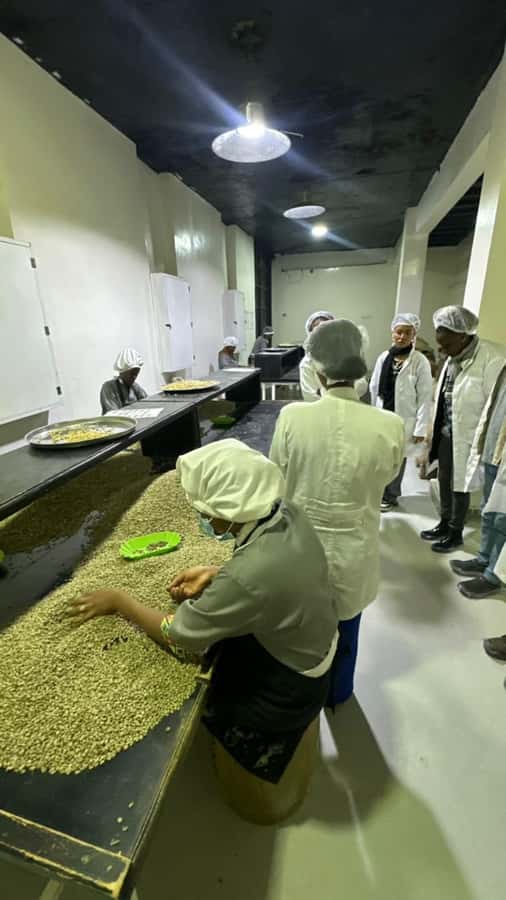
- professional coffee cupping with tasting guidance
- an injera making session with instruction and traditional tools
- a full lunch experience built around your injera
- the coffee ceremony component
- pickup in Addis Ababa and English-speaking guidance
- all ingredients, spices, equipment, and bottled water
Most food and drink tours include one main activity. This one gives you two skills of the day: coffee tasting literacy and bread-making practice. If you care about understanding flavors and not just consuming them, that is the sweet spot.
If you only want coffee and have no interest in cooking bread, it might feel like more than you need. But if you like learning by doing, $94 starts to look reasonable for a structured cultural day with included food and drink.
Who this tour fits best, and who should skip it
This is a great match for:
- coffee lovers who want more than a casual tasting
- foodies who like learning how dishes are made
- culture seekers who enjoy rituals and shared meals
- people who want a private group day with English support
It may not fit if:
- you have altitude sickness concerns, since the tour is listed as not suitable
- you are traveling with kids under 15
- you are looking for a short, low-effort experience, since injera making involves active participation
The private setup can also be a win if you want to ask questions. You are more likely to get the process explained in a way that works for you, whether it is tasting technique or flipping the injera.
Tips to get the most from the day
You will enjoy this most if you show up ready to do two things: taste carefully and cook with your hands.
- Go with a curious mindset for cupping. Focus on aroma first, then taste comparisons.
- Expect sour fermentation flavors from injera. If sour notes usually turn you off, take that into account.
- Wear comfortable clothes. You are in a kitchen setting and working with food.
- Ask questions during both parts. With a private group, you can usually get faster answers.
- If you are sensitive to smells or heat, tell your guide early so they can guide you through what to expect.
Should you book the Ethiopian coffee cupping and injera class?
If you want an authentic Addis Ababa food day where you learn real technique, this is a strong pick. The pairing of coffee cupping and injera making makes the experience feel connected, not random. The included lunch and coffee ceremony turn your learning into a meal you actually share and remember.
I would book it if you are a coffee person or an injera person-in-training, and you like practical cultural activities with an English-speaking local guide. I would skip it if altitude sickness is a concern, or if you need a very low-energy outing.
If your goal is a meaningful afternoon that goes beyond eating, this one hits the mark.
The Rest of the Ethiopia List
- Full Day Tour of Addis Ababa with Hotel Pickup and Drop-off
★ 5.0 · 430 reviews - Taste of Ethiopia
★ 5.0 · 406 reviews - Day Trip From Addis Ababa See Historical Monastery,Stunning Nature,Animals,Birds
★ 5.0 · 303 reviews - Addis Ababa: Debre Libanos, Blue Nile Gorge, and Cave Tour
★ 4.5 · 256 reviews - Addis Ababa Guided City Tour With Airport & Hotel Pick Up
★ 5.0 · 237 reviews
Cooking Ethiopian, Class by Class
- Market Tour and Cooking Class with a Coffee Ceremony at a Home in Addis Ababa
★ 5.0 · 32 reviews - Addis Ababa City Tours With Cocking Class of Ethiopian Food
★ 5.0 · 20 reviews - Ethiopian Cooking Class and Coffee Ceremony with a Local in Addis with transfers
★ 5.0 · 14 reviews - Unique Ethiopian Cooking Class and Coffee Ceremony with a Local in Addis Ababa
★ 4.5 · 7 reviews - Addis abeba Full Cooking class.
★ 5.0 · 6 reviews
Injera, Buna and the Addis Markets
- Taste of Ethiopia
★ 5.0 · 406 reviews - Ethiopian Culinary Tour – Market, Food, Coffee Ceremony & more
★ 5.0 · 65 reviews - Hidden Treasures of Addis Ababa – Food, Culture and History Tour
★ 5.0 · 57 reviews - Market Tour and Cooking Class with a Coffee Ceremony at a Home in Addis Ababa
★ 5.0 · 32 reviews - Addis Ababa City Tours With Cocking Class of Ethiopian Food
★ 5.0 · 20 reviews
Other Ethiopia tours we have written up

Ethiopian Food & Coffee Tours, compared.
 ★ 5.0Taste of EthiopiaFrom $102406 reviews
 ★ 5.0Ethiopian Culinary Tour – Market, Food, Coffee Ceremony & moreFrom $8565 reviews
 ★ 5.0Hidden Treasures of Addis Ababa – Food, Culture and History TourFrom $7557 reviews
 ★ 5.0Market Tour and Cooking Class with a Coffee Ceremony at a Home in Addis AbabaFrom $16832 reviews
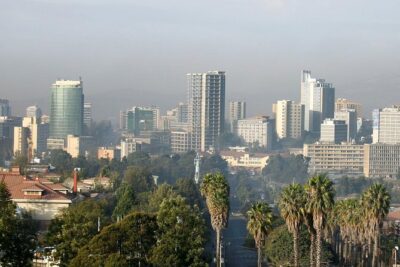 ★ 5.0Addis Ababa City Tours With Cocking Class of Ethiopian FoodFrom $9020 reviews
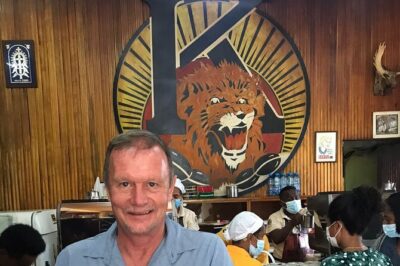 ★ 5.0Vintage Coffee Shops, Restaurants, Sightseeing in Addis AbabaFrom $7017 reviews
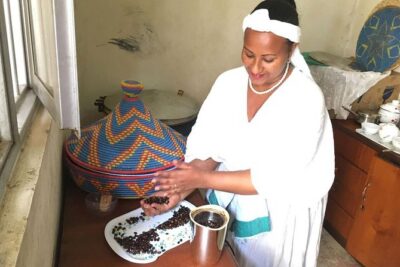 ★ 5.0Ethiopian Cooking Class and Coffee Ceremony with a Local in Addis with transfersFrom $15414 reviews
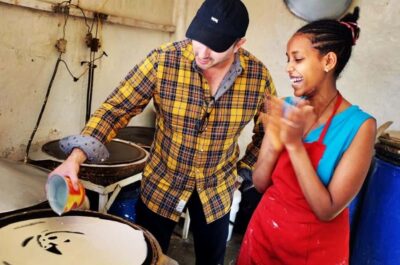 ★ 5.0Ethiopian Culinary Tour – Market, Coffee Ceremony and MoreFrom $8510 reviews
Browse the lists this tour appears in