
REVIEW · ETHIOPIAN FOOD & COFFEE TOURS
Ethiopian Culinary Tour – Market, Coffee Ceremony and More
Addis Ababa tastes like a story. This half-day culinary tour blends Ethiopian coffee ceremony teaching with hands-on cooking and real-market shopping at Merkato.
I especially love the chance to learn coffee step by step and bake injera yourself, not just watch from the sidelines. One thing to consider is that this is a sensory, active market day, and it runs rain or shine, so you will want comfy shoes and a bit of patience.
In This Review
- Key tour moments worth planning for
- Addis Ababa Food Day: Coffee, Market, Injera, Tej
- Tomoca Coffee Stop, Then the Ethiopian Coffee Ceremony
- Merkato Spice Market: A Real Bargaining Lesson in Africa’s Open-Air Giant
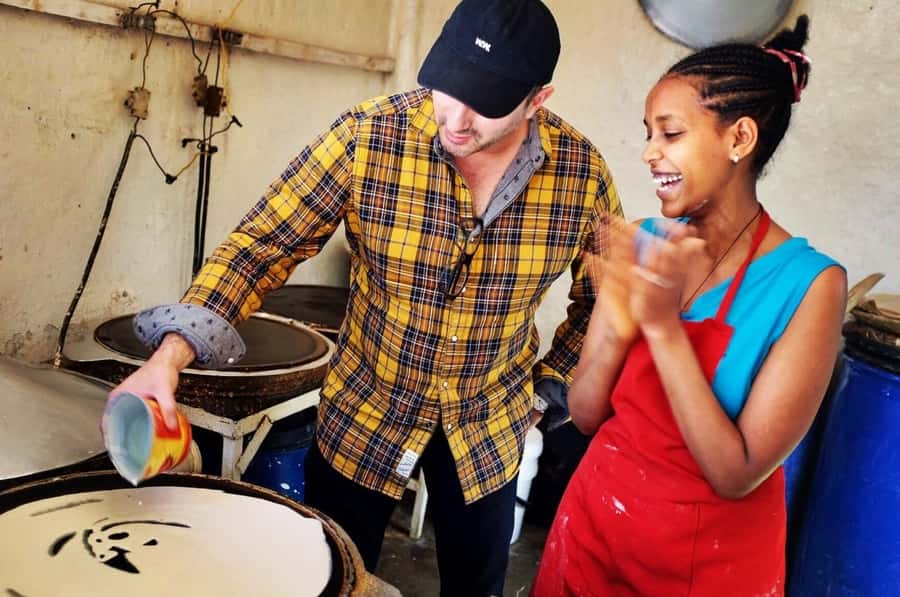
- Hands-On Injera Baking: The Bread You Feel in Your Hands
- Tej Honey-Wine Bar: Fermented Honey With a Local Tasting Finish
- Buffet Lunch at an Older Ethiopian Hotel: What You Can Expect
- Price and Logistics: Is $85 Good Value for This 6-Hour Day?
- Who Should Book This Ethiopian Culinary Tour in Addis Ababa?
- Should You Book It?
Key tour moments worth planning for
- Tomoca coffee stop for an Italian-style macchiato using Ethiopian arabica beans
- Merkato spice market walk in Africa’s largest open-air market, where bargaining skills get used
- Injera baking practice so you understand the bread texture, not just the idea
- Tej honey-wine bar tasting with samples and context on fermented honey wine
- Buffet lunch at an older Ethiopian hotel with a spread of popular dishes
- English-speaking guide with local knowledge, including city background during drives
Still hungry? More injera, buna and market mornings
- Ethiopian Culinary Tour – Market, Food, Coffee Ceremony & more★ 5.0 · 65 reviews
- Hidden Treasures of Addis Ababa – Food, Culture and History Tour★ 5.0 · 57 reviews
- Market Tour and Cooking Class with a Coffee Ceremony at a Home in Addis Ababa★ 5.0 · 32 reviews
- Addis Ababa City Tours With Cocking Class of Ethiopian Food★ 5.0 · 20 reviews
Addis Ababa Food Day: Coffee, Market, Injera, Tej
If you only have one day in Addis Ababa and you want food that feels tied to real daily life, this tour hits a strong sweet spot. You are not just eating. You are learning the logic behind Ethiopian flavors, from coffee prep to spice mixtures, and then finishing with a local honey-wine bar.
The structure is also smart for a first timer. You start with coffee, move into the big open-air spice market, do the classic bread (injera), then end with Tej, which is a traditional Ethiopian honey wine made primarily from fermented honey. That flow helps you connect the dots while your taste buds are still fresh.
At $85 per person for a 6-hour plan with pickup, an English-speaking guide, transport, activities, and lunch, the value is mostly about the included experiences. You are paying for guided access and instruction, not just a meal. The day moves with purpose, so it works best if you like doing things rather than waiting around.
Tomoca Coffee Stop, Then the Ethiopian Coffee Ceremony
Most food tours talk about coffee. This one teaches it. You begin with a stop at Tomoca Coffee shop, where you get an Italian-style coffee and macchiato made with Ethiopian arabica beans. That matters, because it sets up the idea that Ethiopia is both the source and the inspiration, not just a coffee origin label.
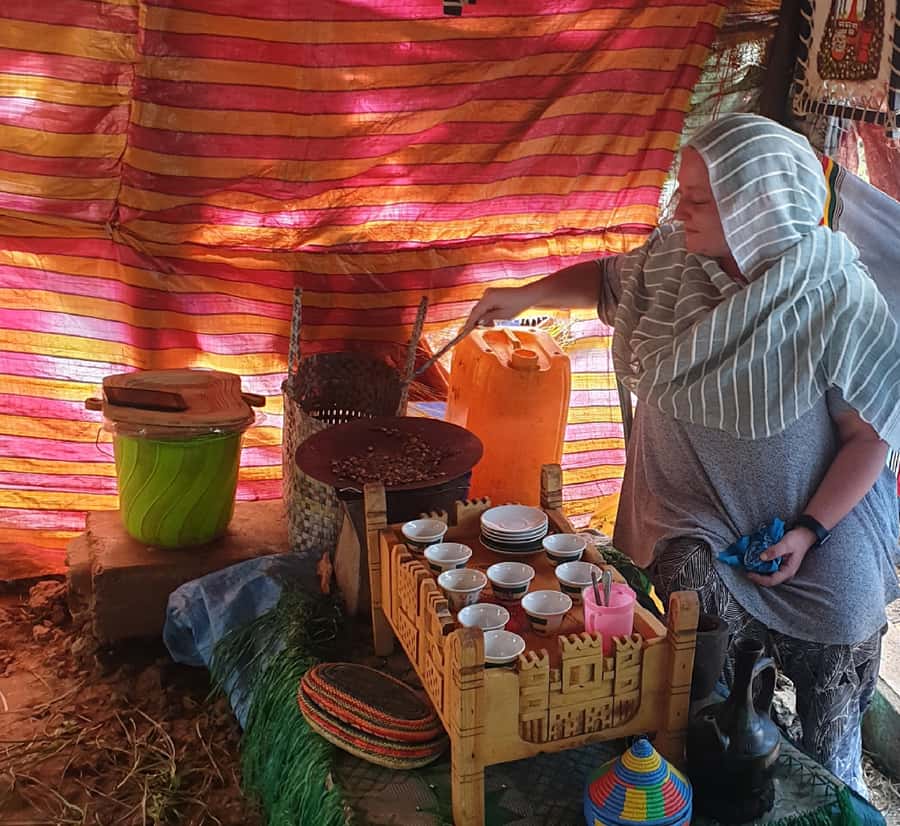
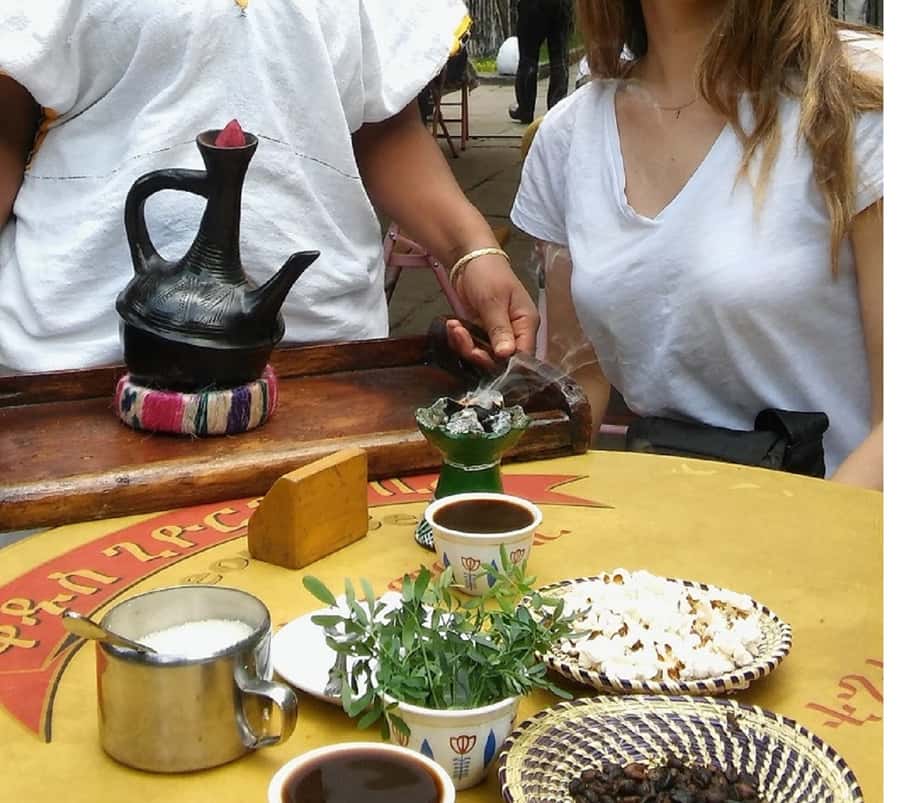
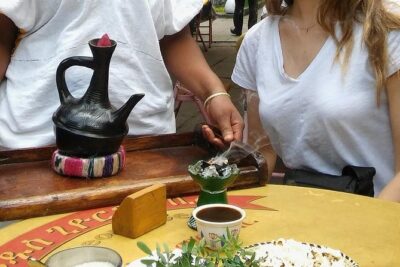
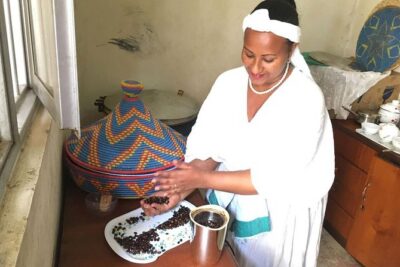
Then the tour shifts into the Ethiopian coffee ceremony, explained step by step. You are shown the process and you learn how the ceremony works beyond the final cup. I like this approach because coffee culture can sound like a performance until you learn the sequence and the role each step plays. When you understand the how, the smell and steam make more sense.
In practical terms, this is also a good pacing anchor for the day. Coffee is quick to reset your senses, especially before Merkato’s spice market. If you are someone who drinks coffee regularly, you will likely enjoy spotting the differences in aroma and brewing style after seeing how the ceremony is done.
One caution: coffee ceremonies can be aromatic, and they are designed to be part of the whole moment. If you are sensitive to strong smells or smoke-like scents, it’s worth going in prepared. Otherwise, this is the tour’s best “learn and taste” centerpiece.
Merkato Spice Market: A Real Bargaining Lesson in Africa’s Open-Air Giant
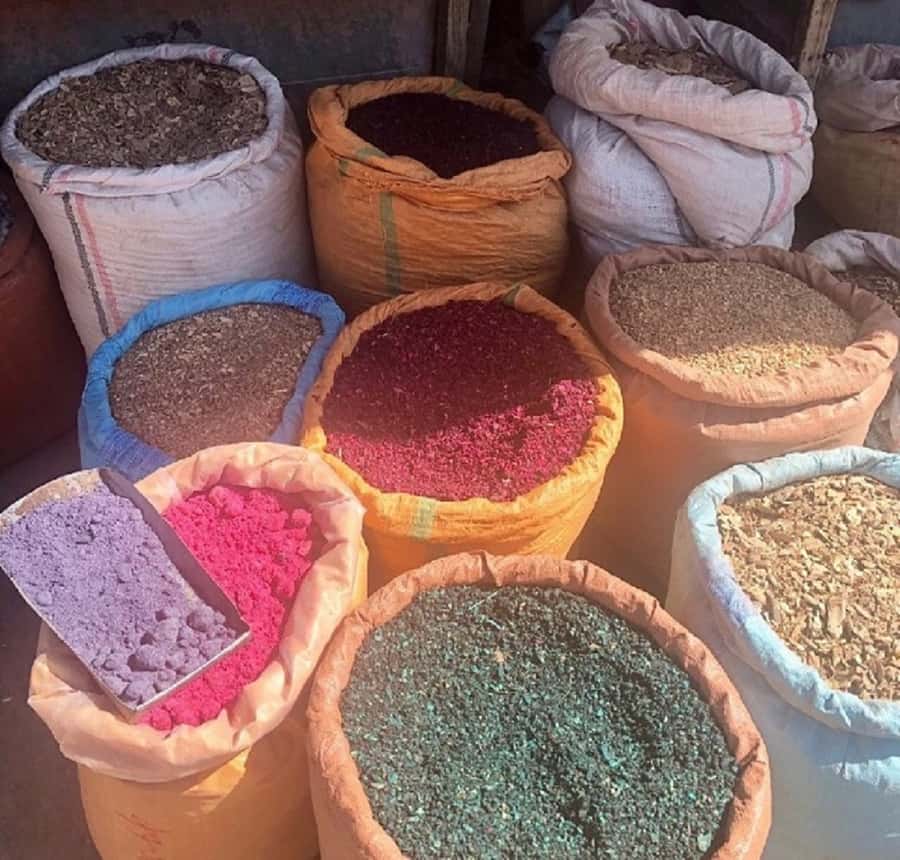
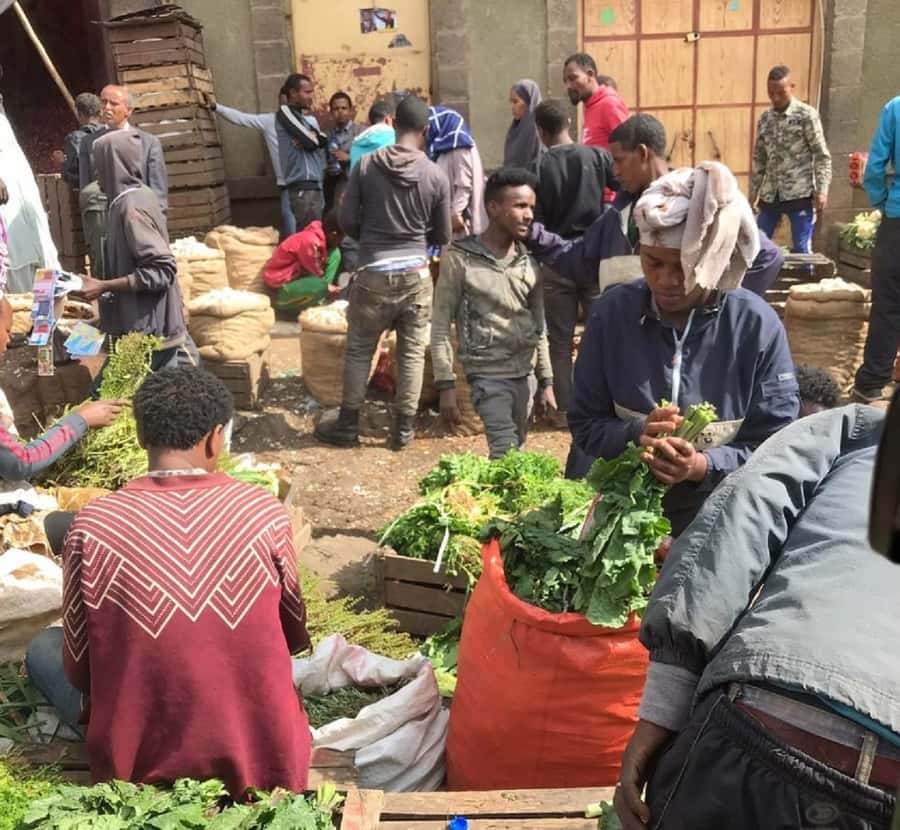
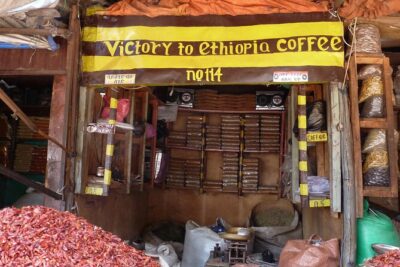
Merkato is the kind of place that makes your brain work fast. It is Africa’s largest open-air market, and the tour gives you a guided walk through spice stalls and the surrounding chaos. The goal is not to turn it into a museum stop. You get to see how spice is sold and how people talk about food in a market setting.
This is also where the tour quietly flexes your skills. The spices are different, and the prices will likely make you practice bargaining. Your guide helps you navigate what you are looking at and how to interpret what sellers are saying, even when it gets loud and busy.
Here is what I think makes Merkato valuable for a culinary trip: spices are not just products here. They are part of identity. You are learning how ingredients connect to Ethiopian dishes you will later taste. Even if you buy nothing, you still come away with a sharper sense of what flavors people build their meals around.
Drawback to know: open-air markets reward your energy. You will be walking through crowds and aisles where footing and comfort depend on the day. Because the tour runs rain or shine, you might end up with slippery patches or wet surfaces after a storm. The fix is simple: wear shoes you can handle, and keep your daypack closed and secure.
Hands-On Injera Baking: The Bread You Feel in Your Hands
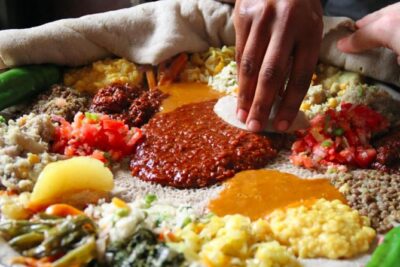
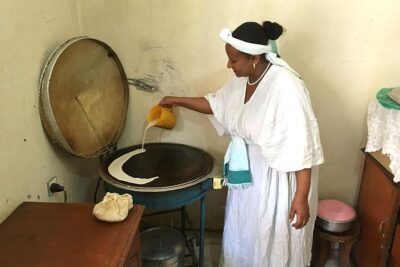
Injera is the centerpiece bread of Ethiopian meals. It also happens to be one of the easiest things to misunderstand if you only ever order it. This tour makes it physical, because you learn to bake the spongy injera bread rather than just getting served a plate and moving on.
When you make injera, you learn what the dough needs and what the texture is supposed to be. That hands-on experience changes how you eat it afterward. Instead of thinking of injera as a blank base for food, you start noticing why it holds stews and sauces the way it does.
One review experience clue that fits the tour’s theme: after baking, you get to try what you made with typical spice. That is a smart pairing. You get the bread first, then you test the flavor that usually goes with it. It turns into a mini lesson on how Ethiopian meals balance tang, spice, and bread texture.
Injera can also be a bit hands-on work. Even if you only do parts of the process, you will want to be ready for a hands-on environment. Wear clothes you don’t mind getting flour or batter on, and keep a light mindset. This is not about perfect results. It is about understanding the process and tasting with context.
If you have dietary restrictions, the tour does not spell out customization in the provided details. You will have lunch that is described as buffet-style, so you might want to check in with the guide during the day about which dishes fit your needs.
Other shopping runs in Addis
Tej Honey-Wine Bar: Fermented Honey With a Local Tasting Finish
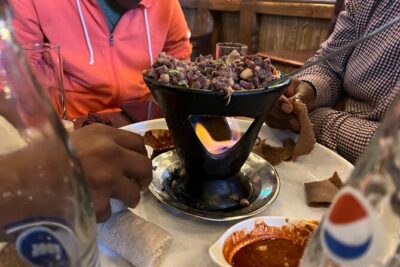
Most people know Ethiopia for coffee. Fewer people expect to learn how honey wine fits into the culture. The tour ends with a visit to a local Tej honey-wine bar, where you can taste samples.
Tej is traditionally Ethiopian honey wine, similar to mead, and made primarily from fermented honey. That simple ingredient story is useful. It helps you taste the drink with a framework, instead of treating it like a random alcohol stop. You get a short cultural explanation, and then you try it.
The tasting format is also practical. The tour includes tasting samples, not open-ended drinking. Also, only honey-wine is included under alcohol. If you were hoping for other alcoholic beverages, the tour data says those are not included, so you would need to plan for that decision separately.
This stop is a good “wrap-up” for a culinary day. After coffee and spices and injera, Tej gives you a different flavor category, sweetness and fermentation. It also rounds out the theme that Ethiopian food culture is broader than stews and bread.
If you do not drink alcohol, you can still treat this as a cultural tasting stop. The tour explicitly includes sampling, so you will still get the context. Just go in knowing that alcohol is part of the ending experience.
Buffet Lunch at an Older Ethiopian Hotel: What You Can Expect

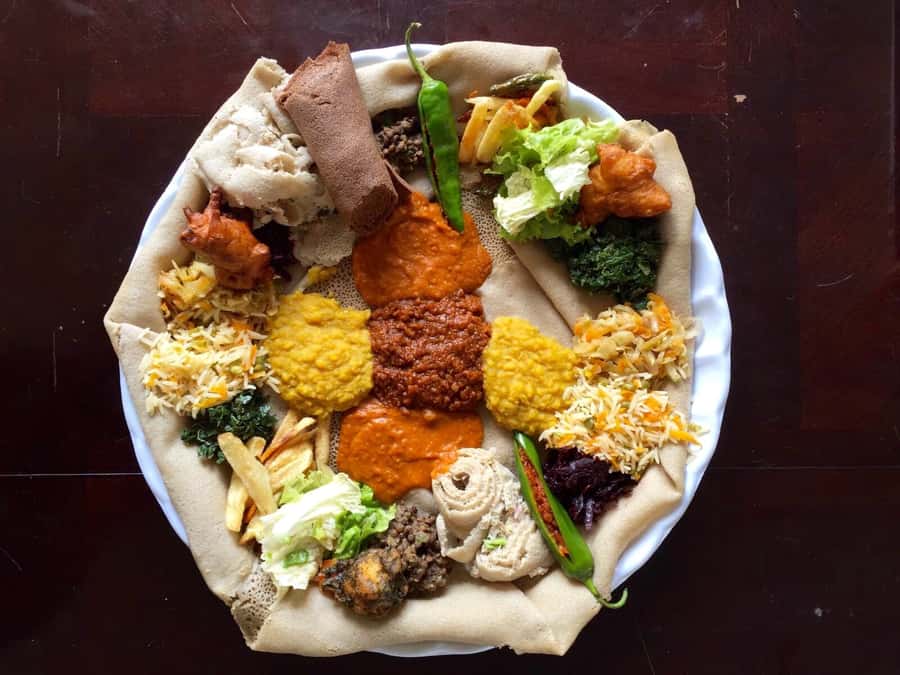
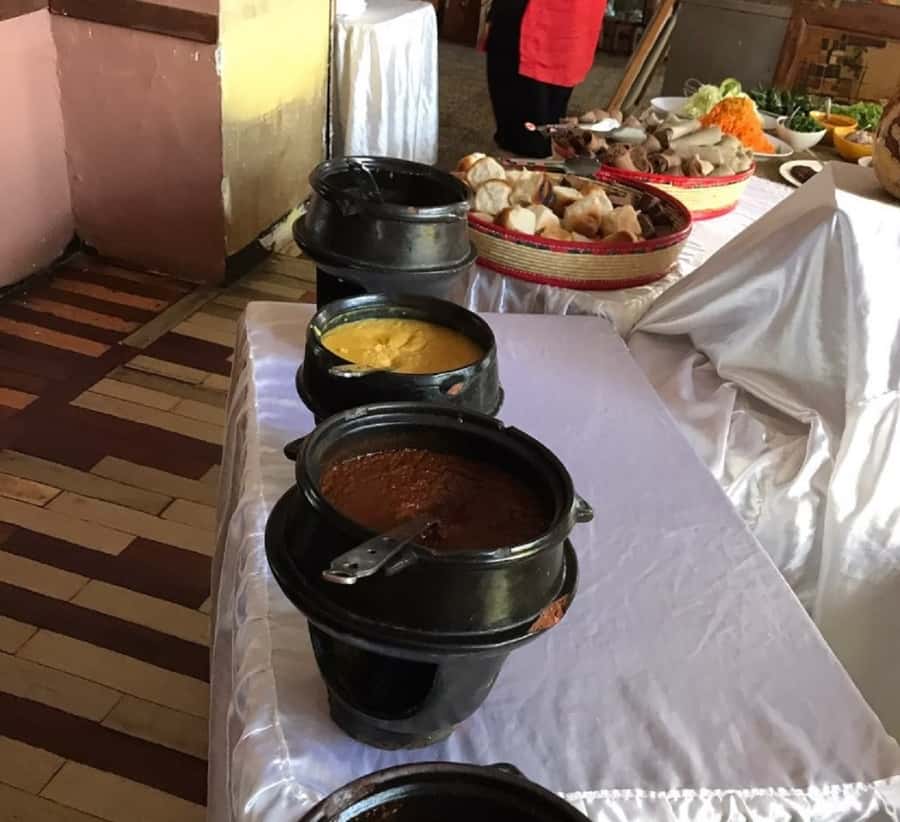
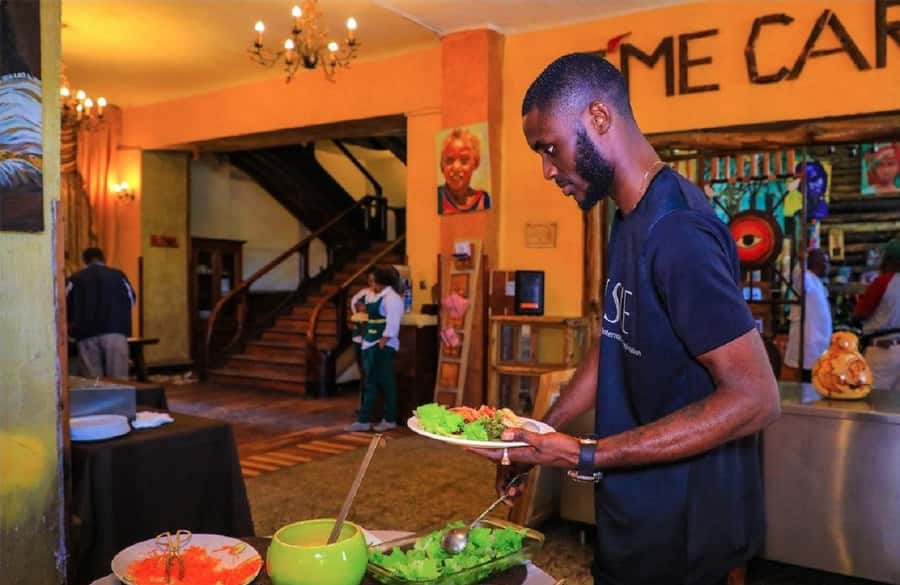
Lunch is buffet-style and served at the oldest hotel, with samplings of popular dishes. You also get a bottle of water and hot drinks. That is a solid package for keeping the day comfortable and not turning the afternoon into a hunt for something to eat.
Why this lunch matters: after Merkato and injera practice, you need a calmer setting. The buffet format also lets you sample widely, which is helpful on a first Addis meal. You get to connect the morning ingredients to real plates, so the tour does not stay theoretical.
One detail that may make this lunch especially approachable: at least some versions of the buffet lean vegetarian-friendly, which is common on many Ethiopian tables. Since the tour says samplings of popular dishes, you will likely find a mix that lets you try multiple flavors without committing to one dish.
The tradeoff is typical for buffet lunch. If you are picky or you have strict dietary needs, buffets sometimes make it hard to be certain about ingredients. The safest move is to ask the guide what is what, since the guide is included and English-speaking.
Also note the tour includes water and hot drinks with lunch. If you want a specific drink beyond that, it may not be included.
Price and Logistics: Is $85 Good Value for This 6-Hour Day?
At $85 per person for 6 hours, you are paying for a guided food circuit, not just a ticket into one restaurant. The value comes from the mix of instruction and access: Tomoca coffee stop, guided Merkato spice market visit, injera baking, a Tej honey-wine bar tasting, plus lunch with water and hot drinks. On top of that, you get pickup and drop-off anywhere in Addis Ababa, including hotels, homes, or the airport.
The tour also includes ground transportation, with a car, driver, and fuel. That is not a small detail in Addis. City driving can take time, and having transport built into the day means you can focus on the food stops instead of figuring out logistics on your own.
One practical point you should plan for: pickup includes a timing buffer. You wait in the hotel lobby 15 minutes before or after the scheduled pickup time. That means you should not plan anything right before pickup that requires you to be somewhere else at the exact minute.
The day runs rain or shine. So even if the itinerary is fixed, your comfort level might change with weather. Bring a light layer and something that helps with rain, because you will still be out walking through the market areas.
Tips for the guide are not included. If you like thoughtful, hands-on guidance, budgeting a tip makes sense.
Who Should Book This Ethiopian Culinary Tour in Addis Ababa?
I think this tour fits best if you fall into one of these groups.
You will likely love it if you want a food-focused day with real activities. Baking injera and learning the coffee ceremony are the kinds of experiences that change how you travel. They also give you stories to bring home that are actually about the work behind the food.
You will also enjoy it if you want a local guide who can connect food stops to the city. Some guides on this kind of day also point out landmarks and share background during the drives, which turns the transport time into extra learning.
If you are a “show me, then tell me” learner, this tour is built for you. You see the market, taste along the way, and get a guided explanation that stays tied to what you are doing.
It might be less ideal if you want a slow, long browsing day. The day is packed, and Merkato is busy by nature. You should go in knowing you will be on the move.
Finally, if you avoid alcohol completely, the Tej stop is still part of the plan. The tour includes honey-wine samples, and other alcohol is not included, so you should decide in advance how you feel about that ending.
Should You Book It?
Yes, I would book this tour if you want the most direct route to Ethiopian food culture in Addis Ababa. For $85, you are getting real instruction, market access, a hands-on bread experience, and a Tej tasting finish, all wrapped with pickup, transport, and lunch. That is strong value when you compare it to paying separately for lessons, guides, and meals.
Skip it or consider alternatives if you want a quiet day with minimal walking, or if alcohol tasting is a deal-breaker for you. Otherwise, this is an excellent way to spend a single afternoon learning how Ethiopians actually build flavor, from coffee to spices to injera to fermented honey.
If you do book, bring a passport or ID, wear comfortable shoes, and go in with a curious attitude. Ethiopia is at its best when you are willing to smell, taste, and ask questions.
Browsing Ethiopia More Widely
- Full Day Tour of Addis Ababa with Hotel Pickup and Drop-off
★ 5.0 · 430 reviews - Addis Ababa: Debre Libanos, Blue Nile Gorge, and Cave Tour
★ 4.5 · 256 reviews - Addis Ababa Guided City Tour With Airport & Hotel Pick Up
★ 5.0 · 237 reviews - Breathtaking Nature, Wildlife and Cave Church Tour – Free Pickups
★ 5.0 · 225 reviews - Full-Day Private City Tour of Addis Ababa
★ 5.0 · 147 reviews
The Rest of the Ethiopia List
- Full Day Tour of Addis Ababa with Hotel Pickup and Drop-off
★ 5.0 · 430 reviews - Taste of Ethiopia
★ 5.0 · 406 reviews - Day Trip From Addis Ababa See Historical Monastery,Stunning Nature,Animals,Birds
★ 5.0 · 303 reviews - Addis Ababa: Debre Libanos, Blue Nile Gorge, and Cave Tour
★ 4.5 · 256 reviews - Addis Ababa Guided City Tour With Airport & Hotel Pick Up
★ 5.0 · 237 reviews
Injera, Buna and the Addis Markets
- Taste of Ethiopia
★ 5.0 · 406 reviews - Ethiopian Culinary Tour – Market, Food, Coffee Ceremony & more
★ 5.0 · 65 reviews - Hidden Treasures of Addis Ababa – Food, Culture and History Tour
★ 5.0 · 57 reviews - Market Tour and Cooking Class with a Coffee Ceremony at a Home in Addis Ababa
★ 5.0 · 32 reviews - Addis Ababa City Tours With Cocking Class of Ethiopian Food
★ 5.0 · 20 reviews
Other Ethiopia tours we have written up



Ethiopian Food & Coffee Tours, compared.
 ★ 5.0Taste of EthiopiaFrom $102406 reviews
 ★ 5.0Ethiopian Culinary Tour – Market, Food, Coffee Ceremony & moreFrom $8565 reviews
 ★ 5.0Hidden Treasures of Addis Ababa – Food, Culture and History TourFrom $7557 reviews
 ★ 5.0Market Tour and Cooking Class with a Coffee Ceremony at a Home in Addis AbabaFrom $16832 reviews
 ★ 5.0Addis Ababa City Tours With Cocking Class of Ethiopian FoodFrom $9020 reviews
 ★ 5.0Vintage Coffee Shops, Restaurants, Sightseeing in Addis AbabaFrom $7017 reviews
 ★ 5.0Ethiopian Cooking Class and Coffee Ceremony with a Local in Addis with transfersFrom $15414 reviews
 ★ 5.0Ethiopia coffee cupping class/Ethiopian food injera makingFrom $9410 reviews
Browse the lists this tour appears in