
REVIEW · OMO VALLEY CULTURAL TOURS
From Jinka: Omo Valley Tribe 3-Day Tour
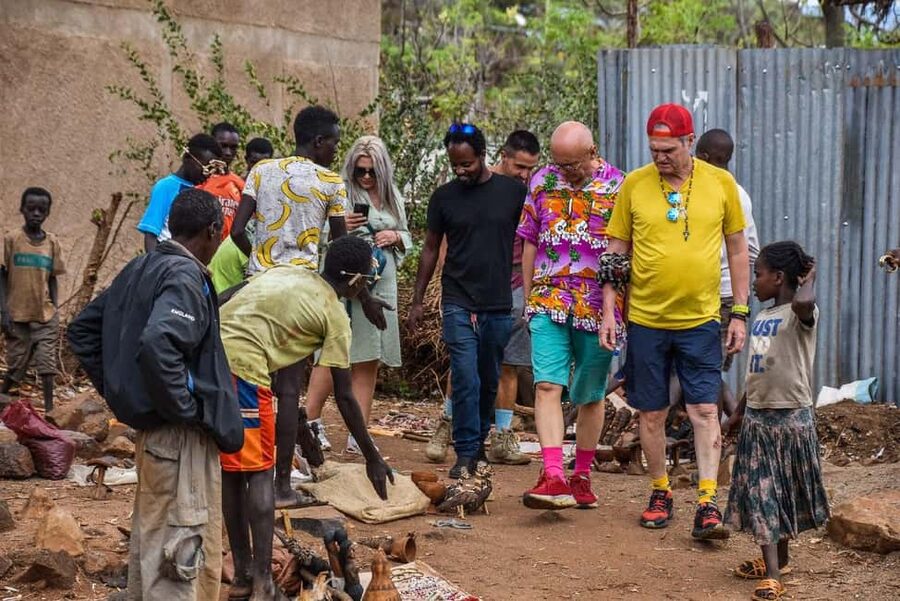
Omo Valley hits you fast. On this 3-day trip from Jinka, you meet indigenous communities and spend time around Mursi and Karo people, with a guide who helps you understand what you are seeing and when to be respectful. It is the kind of itinerary where cultural contact is the point, not an afterthought.
I also like that the tour mixes people with places. You get time for weekday markets and visits to Mago and Omo National Parks in the Omo Valley UNESCO region, so you are not stuck only in villages. One consideration: lunch and dinner cost extra, and video and photo fees are also not included, so the final trip budget can rise if you plan to eat well and shoot a lot.
In This Review
- Key highlights that make this tour worth a look
- Why Jinka Is a Smart Launch Point for the Omo Valley
- What 3 Days in the Omo Valley Really Means
- Tribal Village Visits: Photos, Etiquette, and What You Should Expect
- Weekday Markets in Omo Valley: Shopping Like a Local, Not Like a Tourist
- Mago and Omo National Parks: Nature Time With a Clear Purpose
- Hotel With Breakfast, Entrance and Scout Fees, and Why Logistics Matter
- Price and Value: Is $900 Fair for 3 Days?
- What to Pack for the Omo Valley (and What Can Trip You Up)
- Who This Tour Suits Best, and Who Should Skip It
- Language Options and How to Communicate Better
- Simple Planning Tips Before You Go
- Should You Book This Omo Valley Tribe 3-Day Tour From Jinka?
- FAQ
- What is included in the Omo Valley Tribe 3-Day Tour from Jinka?
- Are lunch and dinner included?
- Are video and photograph fees included?
- Do I need to provide flight details before the tour?
- Is alcohol allowed on the tour?
- Is the tour suitable for wheelchair users?
- Can I cancel and get a full refund?
Key highlights that make this tour worth a look
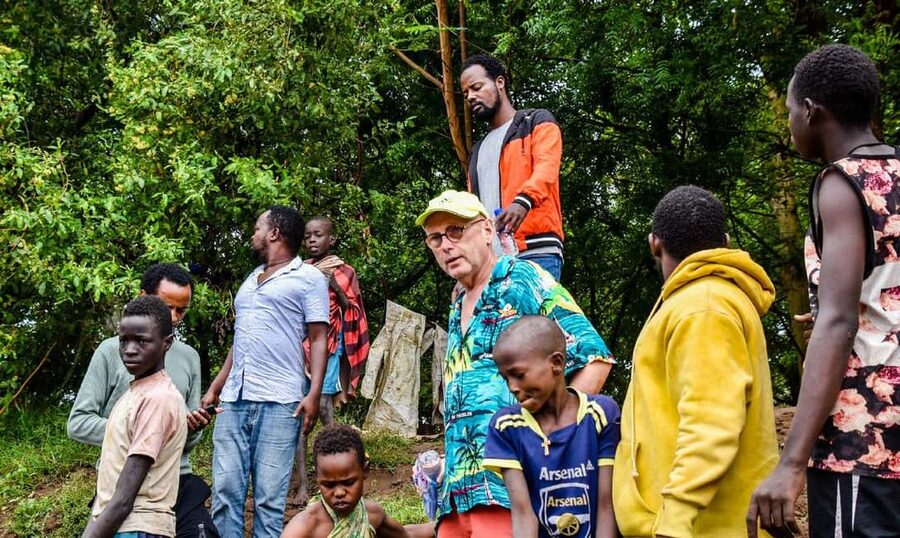
- Friendly village encounters: The villages focus on meeting people, and the atmosphere is described as welcoming.
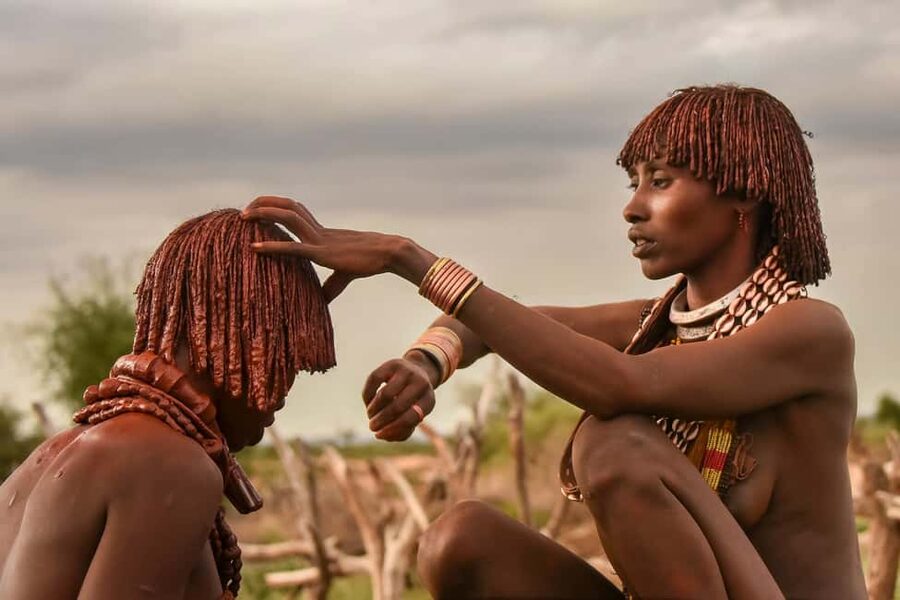
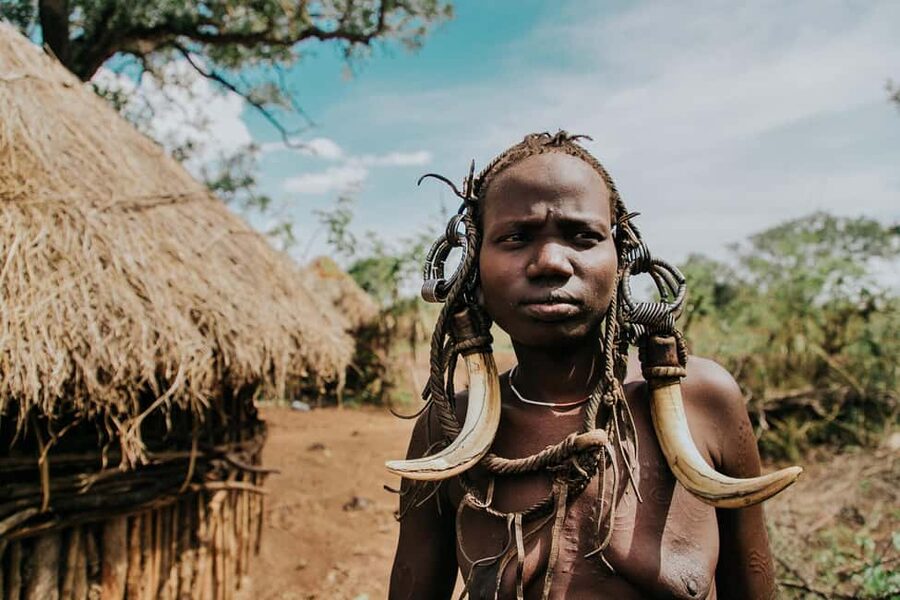
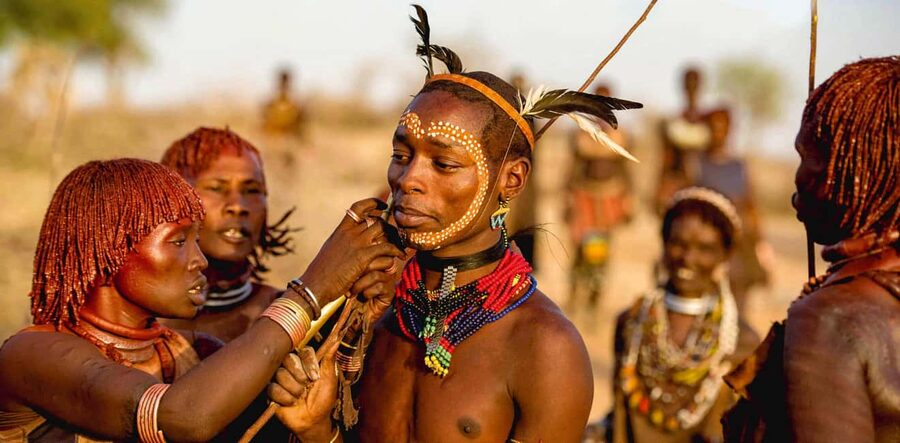
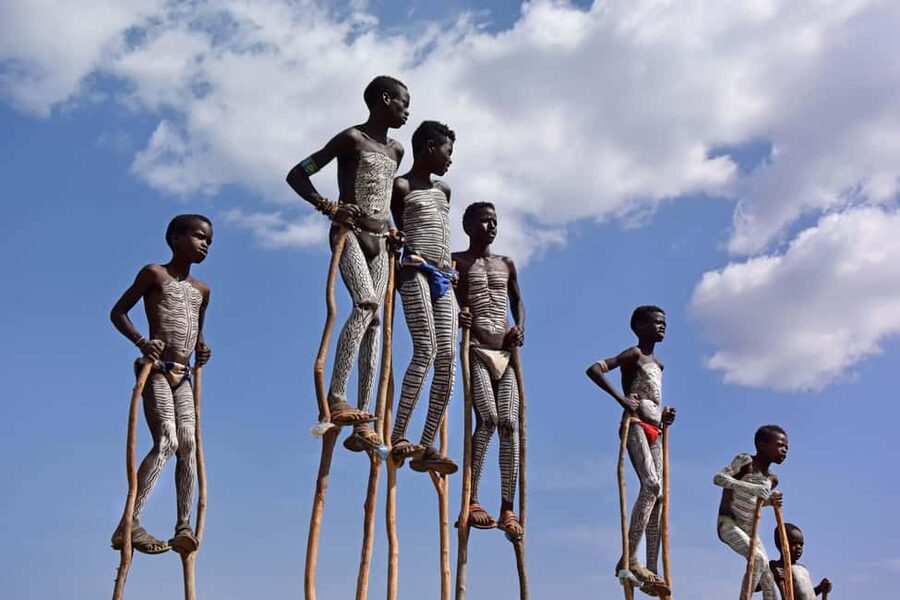
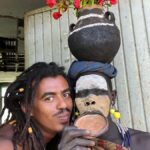
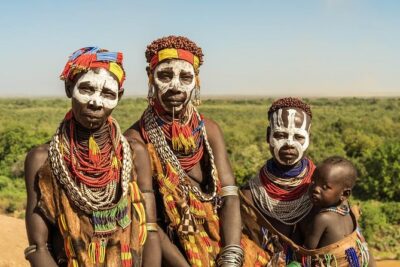
- Mursi and Karo culture on display: You may photograph Mursi women with lip plates and Karo boys with ash-painted faces.
- Weekday markets for real shopping: You can shop local market days rather than only doing staged souvenir stops.
- UNESCO park visits: You visit Mago and Omo Parks within the Omo Valley World Heritage area.
- Professional guide plus driver: Entrance and scout fees are included, and the car with a driver helps keep logistics manageable.
- Bring cash for meals and photos: Lunch and dinner are not included, and video and photograph fees are not included either.
More Omo Valley itineraries, reviewed
- From Jinka: Omo Valley Tribe 3-Day Tour★ 5.0 · 9 reviews
- Omo valley Tour: Discover unique 0 century 🕛 tribes culture★ 5.0 · 4 reviews
Why Jinka Is a Smart Launch Point for the Omo Valley
Jinka is one of the common starting bases for Omo Valley trips, and that matters. It keeps your days focused on the villages and parks you came for, instead of burning time on extra transfers. With this tour, you are picked up and moved by a car with a driver, which is a big help in a place where schedules and road conditions can be unpredictable.
The other reason I like Jinka as a starting point is that it makes the experience feel grounded. You are not trying to do everything from far away, and you can spend those limited days in the places where Omo Valley culture actually lives.
What 3 Days in the Omo Valley Really Means
This is a short, focused trip. The entire structure is built around two priorities: meeting indigenous communities in the Omo Valley and visiting nature areas in and around Mago and Omo National Parks. You also have a market day slot, which is where the trip turns from watching to participating.
In practical terms, expect a day rhythm of travel, short visits, and guided moments in between. You will likely spend meaningful time in villages, then shift to markets, then shift again to park scenery. That is a good match for travelers who do not want a long expedition, but still want contact with real daily life.
Tribal Village Visits: Photos, Etiquette, and What You Should Expect
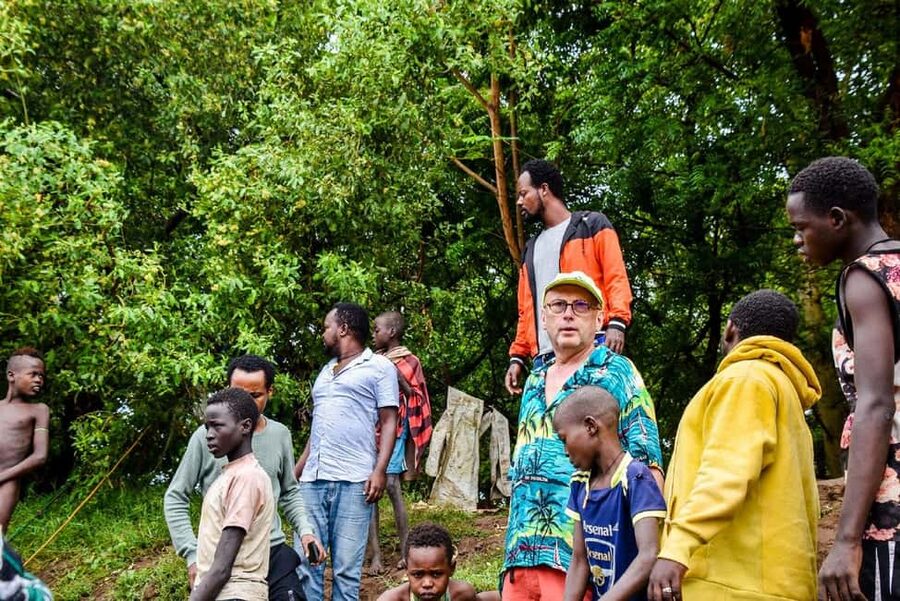
The heart of the Omo Valley Tribe 3-Day Tour is meeting tribal communities. Based on what the tour describes, you will have opportunities to interact in villages where people may practice traditions you can recognize quickly, including the lip plate traditions among Mursi women and ash-painted faces for Karo boys. Seeing these features in context is much more meaningful than seeing them on a poster.
A responsible mindset helps here. This is not a theme park. Bring a calm attitude, ask through your guide, and be ready for the fact that people may have different comfort levels with photos. Also note the tour lists a video and photograph fee as not included, which is a sign that photography can have specific local rules or costs.
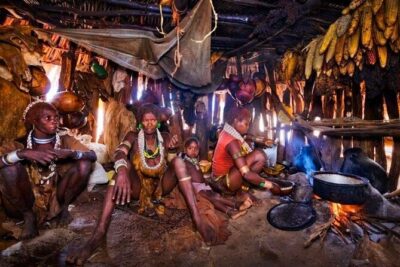
One more practical reality: tribal village visits are intimate. That is the best part and also the part that requires patience. You may want to step slowly, avoid sudden movements, and let your guide set the pace for conversation and picture-taking.
Weekday Markets in Omo Valley: Shopping Like a Local, Not Like a Tourist
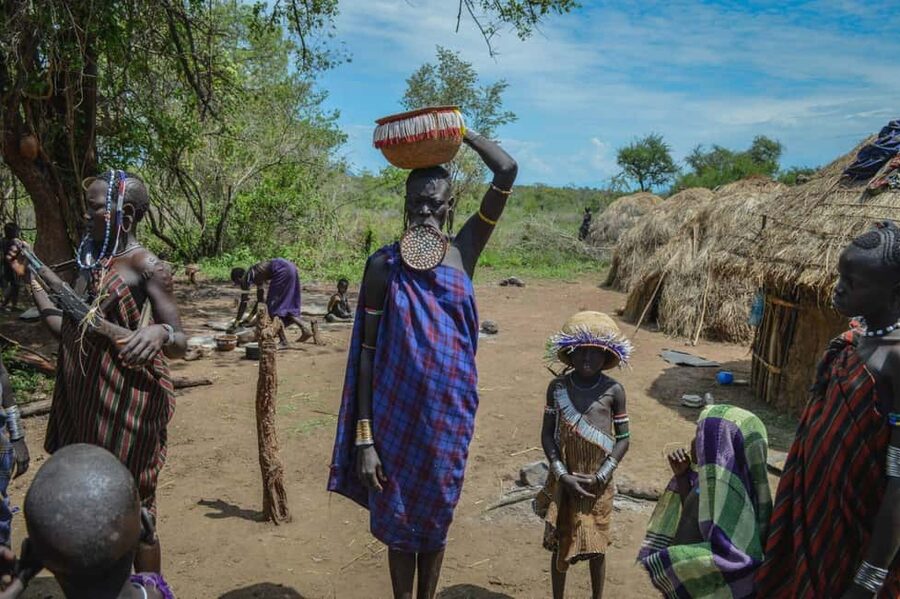
One of the most practical highlights is the chance to shop at local markets. Weekday markets are different from one-off craft stalls because you are seeing trading and everyday commerce as part of normal life. That means your shopping experience can feel more like a cultural encounter and less like a performance for visitors.
For your planning, the big takeaway is cash. The tour lists cash as something you should bring, and in markets that is usually what matters most. Bring smaller bills if you can, and keep your spending flexible, because prices and what is available can vary day to day.
Also, be ready for shopping to take time. Markets are not quick stops, and your guide may help you navigate what to buy and what not to get pushed into. If you want souvenirs, this is where you will likely find them, and you will do it in a more grounded way than typical add-on shopping.
Mago and Omo National Parks: Nature Time With a Clear Purpose
Your itinerary includes visits to Mago and Omo Parks inside the Omo Valley UNESCO region. This is not just a drive-by for views. In these areas, the scenery and wildlife landscapes give context to why communities live and move the way they do.
What I like about pairing parks with village visits is that you get two sides of the same story. The human side is villages and markets. The environmental side is the park setting that shapes seasonal life, travel routes, and how people experience land. Even if you are not a hardcore wildlife photographer, park time usually makes the days feel more complete.
A practical tip: bring binoculars. The tour specifically lists binoculars as something to pack, and in park settings they can help you see more than the naked eye allows. Camera gear helps too, but binoculars often deliver better value for money on wildlife and landscape viewpoints.
Hotel With Breakfast, Entrance and Scout Fees, and Why Logistics Matter
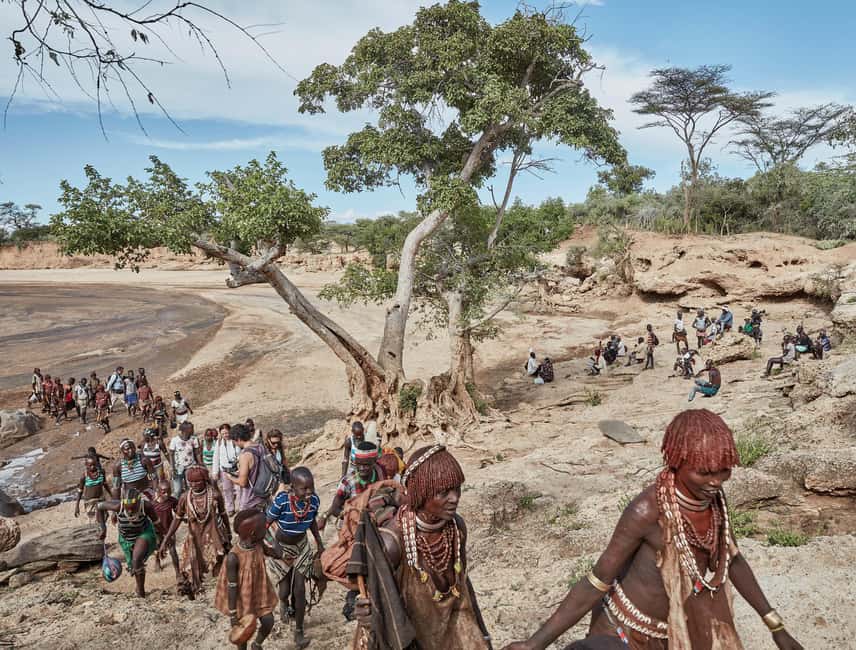
The tour includes a hotel with breakfast plus entrance and scout fees. That is not glamorous, but it is what keeps a trip like this from turning into a stress-fest. When entrance fees and scout fees are handled, you spend more energy on the experience and less on paperwork and side payments.
The car with a driver is equally important. Omo Valley days can involve long road stretches and changing conditions. A driver you can rely on means you are not constantly asking, negotiating, or recalculating in the middle of a cultural visit.
From the reviews you can see a pattern: the most praised part is how personal and well run the experience feels. People describe the guide as professional, with real insights connecting culture and history with the natural beauty of the region. You should expect guidance that helps you understand what you are seeing, not just a schedule with vehicle time.
Price and Value: Is $900 Fair for 3 Days?
At $900 per person, this is not a bargain-basement trip. But you should judge value based on what is included, not just the sticker price.
Here is what is included:
- Hotel with breakfast
- Entrance and scout fees
- Professional guide
- Car with driver
Here is what is not included:
- Lunch and dinner
- Alcohol drinks
- Video and photograph fee
- Domestic flights
- Entrance fee to any cultural festival or ceremony
So the value story looks like this: you are paying for access. The included entrance and scout fees matter in UNESCO park areas, and the guide plus driver help you reach remote sites without you having to manage the hardest parts yourself. If you budget for meals and photo/video costs, the price becomes easier to stomach because your core logistics are handled.
If you want to control costs, plan smarter meals. Since lunch and dinner are not included, choosing where and how you eat can shape your total spending more than you might expect. If photography is important to you, understand that video and photo fees may add to your final budget, and you should carry cash for those extras.
What to Pack for the Omo Valley (and What Can Trip You Up)
The tour lists a clear packing list:
- Passport
- Camera
- Cash
- Binoculars
That is a good start, and you should also pack with real-world comfort in mind. Omo Valley days can involve dust, heat, and lots of time outdoors between village and park moments. Wear clothing that is comfortable for walking and respectful for village visits. Bring sun protection and stay hydrated, especially when you are out in open areas.
One more caution: the tour is not suitable for insect allergies. If you have any history of strong reactions, treat that as a serious flag. Do not assume it will be fine because you have traveled elsewhere.
Also, alcohol and drugs are not allowed. If you are the kind of traveler who plans to unwind with drinks at night, this tour is not built for that, so you will want to adjust expectations and plan other ways to relax.
Who This Tour Suits Best, and Who Should Skip It
This trip is a good fit if you:
- Want a short 3-day structure with village contact and park scenery
- Prefer having a professional guide handle entrance and on-the-ground flow
- Are comfortable with cultural experiences that involve asking permission for photos
- Like markets and hands-on shopping, not just photo stops
It is not suitable if you:
- Are a wheelchair user
- Have pre-existing medical conditions (the tour lists this as not suitable)
- Have insect allergies
- Are traveling with a baby under 1 year
- Do not have experience, since the tour explicitly lists people without experience as not suitable
That last point is worth thinking about. It does not explain what kind of experience they mean, but it is still a strong signal that the tour expects you to be comfortable with travel conditions and day-to-day outdoor time. If you are unsure, ask the operator what their experience requirement means in practice before you book.
Language Options and How to Communicate Better
The tour lists languages including French, Italian, Spanish, and Portuguese. If you book in one of these languages, it should help you get more from village conversations and guide explanations. Even a small language advantage can turn a photo opportunity into a real exchange where you understand what you are seeing.
If you do not speak those languages, rely on your guide and keep your questions simple. Clear, respectful communication goes a long way in the Omo Valley.
Simple Planning Tips Before You Go
Before you travel, plan around one key item: the tour says you should provide flight details. That suggests they coordinate timing around your arrival and departure.
Also, bring a passport. The tour lists it as required, and in border and entry situations, it is better to have it ready than scramble later.
For money management, carry cash and keep it accessible. Since lunch and dinner are not included, you will want funds for meals that pop up during your days. Markets can also be a cash-heavy part of the experience.
Should You Book This Omo Valley Tribe 3-Day Tour From Jinka?
Book this tour if you want a well-run, guide-led introduction to the Omo Valley, with time that goes beyond a quick photo. I think it is especially worth it if you like the mix of tribal villages, weekday market shopping, and UNESCO park visits in a compact 3 days.
Skip it or think twice if your priorities are mostly comfort and predictable costs. Lunch and dinner are not included, video and photograph fees may add up, and the tour lists several clear “not suitable” categories, including wheelchair use, insect allergies, and pre-existing medical conditions. If you fall into any of those groups, you should look for another option.
If you do book, set expectations right: this is a cultural and nature trip where respect, patience, and a flexible budget matter. Do that, and you will come away with more than photos, you will leave with context and stories you can actually explain.
FAQ
What is included in the Omo Valley Tribe 3-Day Tour from Jinka?
The tour includes a hotel with breakfast, entrance and scout fees, a professional guide, and a car with a driver.
Are lunch and dinner included?
No. Lunch and dinner are not included.
Are video and photograph fees included?
No. Video and photograph fees are not included.
Do I need to provide flight details before the tour?
Yes. The tour requests that you provide flight details.
Is alcohol allowed on the tour?
No. Alcohol is listed as not allowed.
Is the tour suitable for wheelchair users?
No. The tour is not suitable for wheelchair users.
Can I cancel and get a full refund?
The tour states that you can cancel up to 24 hours in advance for a full refund.
Browsing Ethiopia More Widely
- From Arba Minch: 4-Day Omo Valley Tribal Guided Tour
★ 5.0 · 5 reviews - Omo valley Tour: Discover unique 0 century 🕛 tribes culture
★ 5.0 · 4 reviews
The Rest of the Ethiopia List
- From Arba Minch: 4-Day Omo Valley Tribal Guided Tour
★ 5.0 · 5 reviews - Omo valley Tour: Discover unique 0 century 🕛 tribes culture
★ 5.0 · 4 reviews
South to the Omo Valley
- From Arba Minch: 4-Day Omo Valley Tribal Guided Tour
★ 5.0 · 5 reviews - Omo valley Tour: Discover unique 0 century 🕛 tribes culture
★ 5.0 · 4 reviews
Other Ethiopia tours we have written up
Omo Valley Cultural Tours, compared.
 ★ 5.06 Days Omo Valley Tribes Tours From Addis AbabaFrom $1,39933 reviews
 ★ 5.0Lalibela, Axum, Danakil and Omo Valley 8 DAYSFrom $2,05129 reviews
 ★ 5.03 Days Omo Valley TourFrom $80024 reviews
 ★ 5.05 Days Omo Valley ToursFrom $75015 reviews
 ★ 5.06 Days Lalibela, Omo Valley and HararFrom $1,53815 reviews
 ★ 5.0Private Omo Valley Tours From Addis AbabaFrom $1,89012 reviews
 ★ 5.05 Day Private tour to the Omo Valley Tribes and Adventure TourFrom $1,29011 reviews
 ★ 5.09 Days Tours To Danakil Depression, Simen MNP, Lalibela With Omo Valley TribesFrom $1,80011 reviews
Browse the lists this tour appears in