
REVIEW · OMO VALLEY CULTURAL TOURS
From Arba Minch: 4-Day Omo Valley Tribal Guided Tour
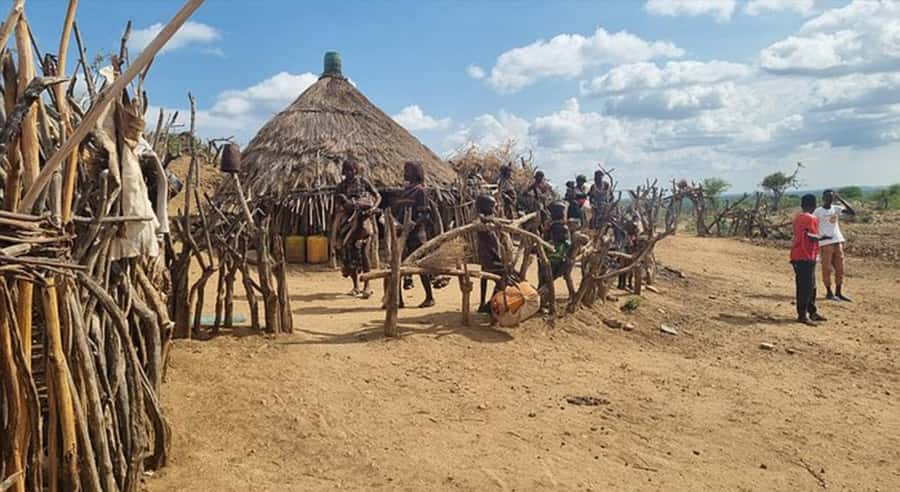
Omo Valley feels close when guidance is solid. In four days, this trip uses an English speaking guide and a private group setup to get you from the Ethiopian highlands down into Omo Valley communities, with a mix of culture, market time, and scenic light. You also get seasonal ceremony access when timing lines up, plus sunrise and sunset views built into the route.
Two things I love about this tour are the Mursi village visit (including women’s lip plates) and the chance to see the Hammer tribe weekly market with traditional dancing. Those moments do more than check a box, they help you understand daily life, roles in community, and how traditions show up in real routines. The Dorze Village stop also adds depth with included entry/admission, so the trip is not just one tribe focus.
One consideration: meals and drinks are not included, so you’ll want to plan for lunch, snacks, and hydration while you are out in the field. If you rely on the tour budget to cover food, this is the one area that can surprise you.
In This Review
- Key things that make this Omo Valley tour worth your attention
- Omo Valley in 4 days: what you are really buying
- Getting picked up in Arba Minch or Addis, then heading into the valley
- Mursi village visit and women’s lip plates: how to make it respectful and meaningful
- Karo, Hamer, and Desanech culture: getting the bigger picture beyond one village
- Hammer weekly market and dancing: why market time is the best kind of cultural observation
- Dorze Village entry and why this stop adds real value
- Sunrise and sunset timing: the calm part of a high-energy trip
- Seasonal ceremonies and Hamar Bull Jumping access: plan with flexible expectations
- Price and value: is $599 per person a smart deal for 4 days
- Who this Omo Valley guided tour suits best
- Should you book this Omo Valley tribal guided tour?
- FAQ
- What is the duration of the Omo Valley Tribal Guided Tour?
- Where does the tour pick you up?
- Where can you be dropped off at the end?
- Is the tour guide available in English?
- Is this a private group tour?
- What is included in the tour price?
- What is not included?
- Does the tour include visits to specific tribes?
- Are there any seasonal ceremonies mentioned?
- What cancellation and payment options are available?
Key things that make this Omo Valley tour worth your attention
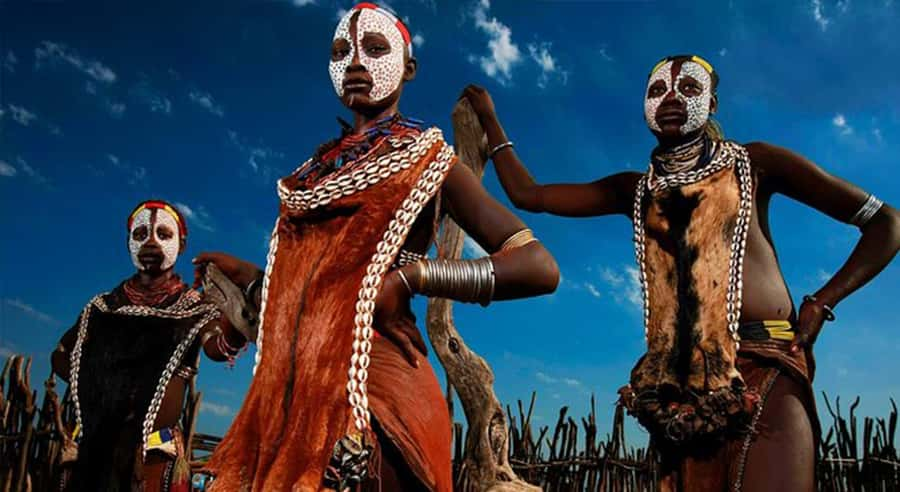
Mursi village viewing with women’s lip plates, explained by your guide
Hammer weekly market visit, plus traditional dance time
Cultural learning across Mursi, Karo, Hamer, and Desanech communities
Dorze Village included with entry and admission
Sunrise for about 30 minutes and a scenic sunset stop on the way
More Omo Valley itineraries, reviewed
- From Jinka: Omo Valley Tribe 3-Day Tour★ 5.0 · 9 reviews
- Omo valley Tour: Discover unique 0 century 🕛 tribes culture★ 5.0 · 4 reviews
Omo Valley in 4 days: what you are really buying
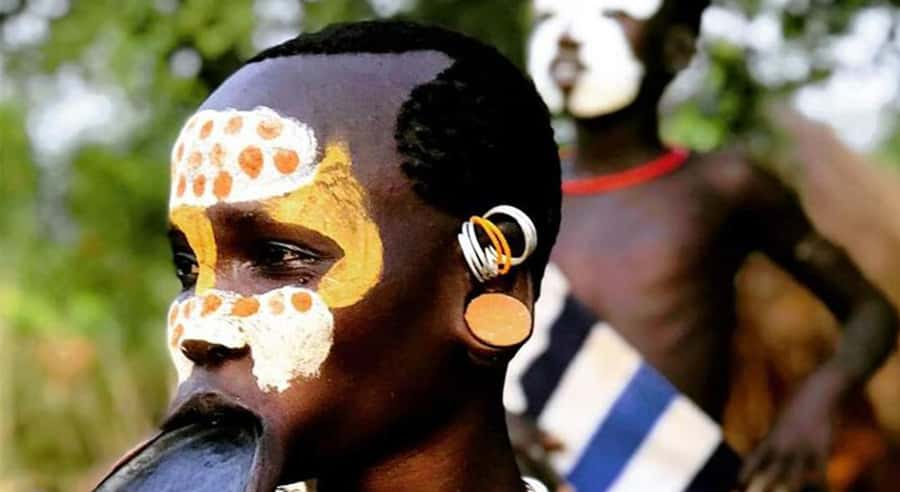
This is a 4-day guided trip focused on people, rituals, and day-to-day culture in Ethiopia’s Omo Valley region. You are not just driving from one photo spot to another. The point is to have local context for what you are seeing, with an English speaking guide to help you connect the meaning to the moment.
The private group format matters here. In a setting where cultural norms and pacing can be important, having your own group helps keep questions from getting lost in a crowd and reduces the feeling of rushing. You also get accommodation with breakfast, which helps you start each day with less stress.
If you want a trip that balances cultural visits with scenery time, this one is built for that. It includes both sunrise and sunset elements, plus guided travel through the Omo region’s changing light. Just remember that the experience is hands-on and outdoors, so you are trading comfort luxuries for cultural access.
Getting picked up in Arba Minch or Addis, then heading into the valley
Logistics can make or break a cultural trip, and this one is set up with two pickup options: Arba Minch Airport or Addis Ababa Bole International Airport. You also have the same two choices for drop-off, which gives you flexibility if you are combining Ethiopia with other stops.
Ground transfers are included, so you are not stuck figuring out how to move between regions while you are still adjusting to the country. That alone tends to reduce the small frictions that pile up on a short 4-day itinerary.
One thing I pay attention to with any Ethiopia guide service is responsiveness and communication. In reviews tied to Lucy Ethiopia Tours, people praised clear, friendly communication and feeling cared for from first contact through the end of the tour. There is also praise for warm airport welcome and for guides helping with translation and cultural context. While that feedback spans multiple Ethiopia trips with the same provider, it still signals a style: organized coordination, not last-minute chaos.
Mursi village visit and women’s lip plates: how to make it respectful and meaningful
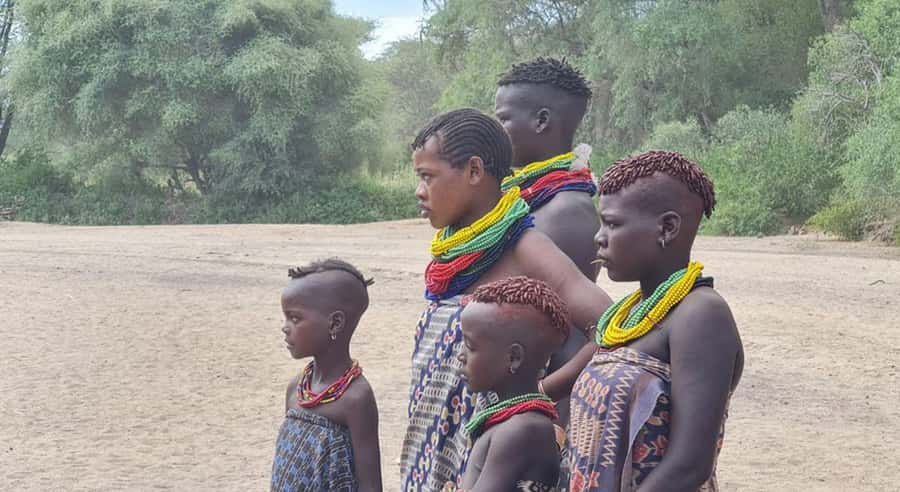
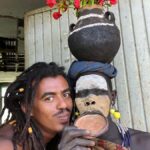
A highlight here is a visit to a Mursi village where you can see women’s lip plates. This is one of those images that many people only see online, detached from context. With a guided setup, you are far more likely to understand how the tradition fits into community identity and lived social roles, not just as a spectacle.
To make the most of this stop, I think you should treat it like a conversation, not a performance. Ask your guide what is appropriate to photograph, what customs to follow, and how to keep interactions respectful. If you get the chance to speak through the guide, focus on questions about daily life, not only body modifications.
The cultural value is in the framing. When the guide gives you background before you step into the village, you can look longer and judge less. And because the tour includes English interpretation, you are not left guessing what you are seeing or why it matters.
Practical tip: this is a visit that can include standing outside for periods. Bring sun protection and wear clothing that is comfortable for rural conditions. Your comfort will help you stay patient and curious.
Karo, Hamer, and Desanech culture: getting the bigger picture beyond one village
This tour is not only about one tribe. It’s designed around learning from multiple communities, including Mursi, Karo, Hamer, and Desanech. The exact emphasis can vary depending on timing and access, but the structure is clear: your guide is there to translate more than language.
Why that matters: Omo Valley traditions are often misread when you treat them as isolated and identical. A good guide helps you spot differences in how communities organize daily work, rituals, and social life. You also learn that cultural practices are not random, they are connected to survival, identity, and community rhythms.
For you, this means a better “why” behind the photos. Instead of just coming home with images of faces and costumes, you leave with names, explanations, and a sense of how traditions operate as living culture. If you love cultural travel that includes respectful observation and real questions, this multi-tribe approach is a strong fit.
The main caution is mental. With only 4 days, you can feel whiplash if you expect the same depth you would get from weeks of independent travel. This tour gives you guided context quickly, which is useful, but it still means you should go in with a learning mindset, not a checklist mindset.
Hammer weekly market and dancing: why market time is the best kind of cultural observation
One of the most specific cultural highlights is a visit to the Hammer weekly market, including traditional dances. Markets are powerful in places like this because they combine social life, trade, and performance. It’s where you often see traditions in motion, not only displayed for visitors.
Seeing the Hammer market through a guided lens helps you understand that the day is not arranged around your trip. It’s a routine community event. That changes how you experience it. Instead of feeling like you are watching a show, you are witnessing a real gathering where culture carries practical purpose.
The dance element is also important. Even if you do not fully grasp every meaning at first, a guide can help you connect what you see to group identity and ceremonial style. If you enjoy movement, music, and timing, this stop is usually the kind of moment that makes the whole trip feel alive.
Practical tip: markets can get busy and dusty, depending on the day and season. Wear comfortable shoes and plan for simple conditions. If you are sensitive to crowds or close proximity, ask your guide about spacing and when the best time is to observe.
Dorze Village entry and why this stop adds real value
This tour includes entry and admission to Dorze Village. That might sound like a small line item, but it can have outsized value. It helps balance your time in Omo communities with a different type of village experience, and it also means you are paying for access rather than guessing whether entry is available on your own.
I like included entry fees because it reduces decision fatigue. You do not want the middle of a cultural day to turn into logistics hunting. With admission covered, you can focus on interaction and observation.
Dorze Village also fits the theme of “local expertise.” A guide can help you look past surface features and understand what daily life looks like in that community. Even without detailed specifics about what you will see there, the key takeaway is that the tour is designed to provide more than drive-by contact.
Sunrise and sunset timing: the calm part of a high-energy trip
Omo Valley days can be intense, especially when you are meeting multiple communities in a short window. This tour builds in scenic light, including sunrise (about 30 minutes) and a sunset period on the way.
Why I like this timing: early light often makes the scenery feel softer and easier to absorb. A short sunrise window is also a good way to start a day without losing half your morning. The sunset stop helps you shift out of “mission mode” and enjoy the view after active visits.
Also, scenic drives are not just pretty. They connect the dots between regions and help you notice changes in terrain and settlements. Even if you are there primarily for tribal culture, the journey shapes how the cultural sites land in your mind.
Pack for early morning. Temperatures can feel different at dawn, and even when the day looks warm, you may want a light layer.
Seasonal ceremonies and Hamar Bull Jumping access: plan with flexible expectations
The tour description mentions exclusive access to seasonal ceremonies, including Hamar Bull Jumping. That is a major selling point, because ceremonies can be the moments that feel most meaningful and most time-bound.
Here’s the honest way to approach it: seasonal access means it may not be available every time you travel, depending on when you visit. So you should treat it as a bonus that the guide hopes to include, not a guaranteed checkbox.
Still, the value is real. If the ceremony is running during your dates, the guided context can help you understand what you are seeing and why locals participate. If it is not, the rest of the trip is still built around multiple tribal visits, markets, and village time.
Price and value: is $599 per person a smart deal for 4 days
At $599 per person for 4 days, the value depends on what you compare it to. What you get included is substantial for a short trip:
- all entrance fees
- all ground transfers
- an English speaking guide
- accommodation with breakfast
- Dorze Village entry/admission
What is not included:
- air ticket
- alcohol
- meals and drinks
So you are paying for guided cultural access and for the “in-between” costs that can be annoying to handle yourself. For many travelers, the biggest hidden expense on a trip like this is transport plus guide time plus entry fees. This package bundles those, which can make your overall budgeting cleaner.
What you should budget mentally: since meals and drinks are not included, you may want to carry a daily amount for lunch and snacks, and plan hydration. Also, the tour is private, so you are not splitting costs with other groups unless the operator offers that elsewhere. That can make the trip feel more expensive than group tours, but it can also make it feel more comfortable and focused.
If you want cultural access with less hassle, this price can be fair. If you are trying to keep costs ultra-tight and can manage independent logistics, you might find cheaper options. But cheaper often means more uncertainty, and in a setting like Omo Valley, uncertainty is rarely free.
Who this Omo Valley guided tour suits best
This tour fits you best if you want structured cultural time with a guide who can explain what you are seeing in English. It’s also a good choice if you prefer a private group pace, where you can ask questions without feeling rushed or blended into a larger tour.
You’ll likely enjoy it if you care about more than just faces and costumes, and you want understanding for how traditions connect to daily life and community roles. The included stops also make it a decent mix for people who want both cultural encounters and sunrise/sunset scenery.
It might be less ideal if you:
- expect all meals to be covered
- hate dust and want a fully comfortable day-trip style
- want zero planning, since seasonal ceremony access can vary with timing
Should you book this Omo Valley tribal guided tour?
If your priority is cultural visits with real guidance, I’d say it’s worth serious consideration. The combination of Mursi village viewing, Hammer weekly market with dancing, and multi-tribe context is a strong lineup for a 4-day trip. Add in Dorze Village admission and the included transfers and accommodation, and you are getting a fairly complete package for the money.
Before you book, check your own expectations about meals and seasonal ceremonies. If you are comfortable budgeting for food and if you can accept that ceremonies like Hamar Bull Jumping are timing-dependent, this tour reads like a solid match for an organized, respectful Omo Valley experience.
If you tell me your travel month and whether you are flying into Addis or Arba Minch, I can help you decide how realistic ceremony timing might be and which pickup option makes your route simpler.
FAQ
What is the duration of the Omo Valley Tribal Guided Tour?
The tour duration is 4 days.
Where does the tour pick you up?
Pickup is available from Arba Minch Airport or Addis Ababa Bole International Airport.
Where can you be dropped off at the end?
You can be dropped off at either Arba Minch Airport or Addis Ababa Bole International Airport.
Is the tour guide available in English?
Yes. The tour includes an English speaking guide.
Is this a private group tour?
Yes, the group type is listed as a private group.
What is included in the tour price?
The included items are all entrance fee, all ground transfers, an English speaking guide, accommodation with breakfast, and entry or admission to Dorze Village.
What is not included?
Air ticket, alcoholic drinks, and meals and drinks are not included.
Does the tour include visits to specific tribes?
The tour highlights include visits and learning about the Mursi, Karo, Hamer, and Desanech tribes, including a Mursi village visit and a Hammer weekly market visit.
Are there any seasonal ceremonies mentioned?
Yes, the tour description says you can have exclusive access to seasonal ceremonies like Hamar Bull Jumping.
What cancellation and payment options are available?
The activity offers free cancellation up to 24 hours in advance for a full refund, and it also offers a reserve now and pay later option.
The Rest of the Ethiopia List
- From Jinka: Omo Valley Tribe 3-Day Tour
★ 5.0 · 9 reviews - Omo valley Tour: Discover unique 0 century 🕛 tribes culture
★ 5.0 · 4 reviews
South to the Omo Valley
- From Jinka: Omo Valley Tribe 3-Day Tour
★ 5.0 · 9 reviews - Omo valley Tour: Discover unique 0 century 🕛 tribes culture
★ 5.0 · 4 reviews
Other Ethiopia tours we have written up

Omo Valley Cultural Tours, compared.
 ★ 5.06 Days Omo Valley Tribes Tours From Addis AbabaFrom $1,39933 reviews
 ★ 5.0Lalibela, Axum, Danakil and Omo Valley 8 DAYSFrom $2,05129 reviews
 ★ 5.03 Days Omo Valley TourFrom $80024 reviews
 ★ 5.05 Days Omo Valley ToursFrom $75015 reviews
 ★ 5.06 Days Lalibela, Omo Valley and HararFrom $1,53815 reviews
 ★ 5.0Private Omo Valley Tours From Addis AbabaFrom $1,89012 reviews
 ★ 5.09 Days Tours To Danakil Depression, Simen MNP, Lalibela With Omo Valley TribesFrom $1,80011 reviews
 ★ 5.05 Day Private tour to the Omo Valley Tribes and Adventure TourFrom $1,29011 reviews
Browse the lists this tour appears in