
REVIEW · OMO VALLEY CULTURAL TOURS
Photography Expeditions to Omo Valley
Tribes, cameras, and constant moments. This 6-day Omo Valley experience is built for photography-first travel, moving you from Addis Ababa to Jinka, Turmi, and Arba Minch with a tight plan and hands-on village access. I especially like the way the days are paced around morning light and specific groups, and how the operator’s team leadership (names like Mulugeta and Captain come up in planning and execution) seems to handle curveballs without slowing you down.
The best part for me is that your paid-for logistics include the big items that usually trip photographers up: transport, village entrance, and photography fees. The main drawback to consider is that this is real field travel, with long drives and early starts, so if you want a slow, comfy vacation with minimal driving, this program might feel a bit intense.
In This Review
- Key Highlights You’ll Actually Care About
- Why The Omo Valley Still Feels World-Unique
- Addis Ababa to Jinka: Museum Option and Ari Village First Contact
- Mago National Park and Mursi Highlands: Lip Plates, Early Light, Tight Focus
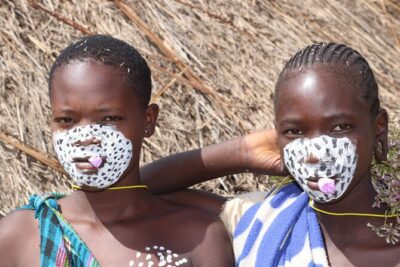
- Karo-Korcho: Body Painting as Art, Not a Photo Excuse
- Omo River Canoe to Dassanech: Ornate Hair Buns and a Different Pace
- Arba Minch and Lake Chamo: Crocodiles, Hippos, and Birds on the Water
- Dorze and Chencha Near Guge Mountains: Weaving, Beehive Houses, and Garden Details
- Price, Group Size, and What Feels Like Good Value
- Who This Trip Fits Best (And Who Should Look Elsewhere)
- Final Call: Should You Book This Omo Valley Photo Trip?
- FAQ
- What city does the tour start from?
- How long is the Omo Valley trip?
- Is this a private tour?
- What is included in the tour price?
- What is not included?
- Are there any flights during the trip?
- Which cultural communities are visited?
- Is there wildlife time on the trip?
- What meals does the tour provide?
- Is there free cancellation?
Key Highlights You’ll Actually Care About
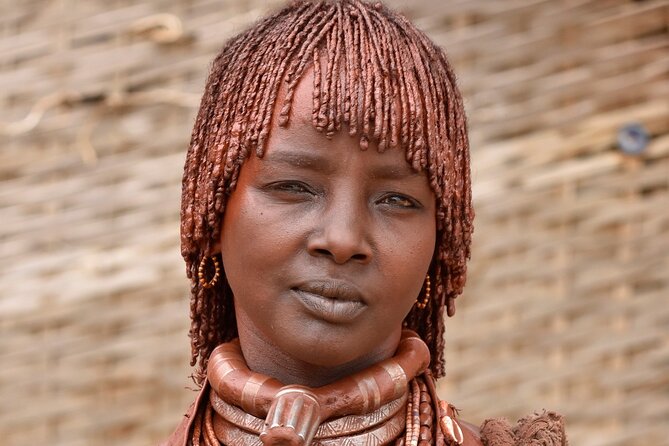
- Photography fees and village entrance are included, so you spend more time shooting and less time negotiating costs on the ground.
- A private group setup (up to 7) keeps the itinerary flexible and reduces the chaos you often get on shared tours.
- Morning tribe visits are built into the schedule, which matters for facial detail shots and natural color.
- Canoe crossing to the Dassanech adds a rare angle, and it’s one of the more “out of the way” moments.
- Lake Chamo after 3 pm is timed for a classic wildlife combo, crocodiles, hippos, and birds, from the water.
- Dorze and Chencha weaving culture offers a different kind of portrait subject, hands, textiles, and beehive-style houses.
More Omo Valley itineraries, reviewed
- 6 Days Omo Valley Tribes Tours From Addis Ababa★ 5.0 · 33 reviews
- 3 Days Omo Valley Tour★ 5.0 · 24 reviews
- 5 Days Omo Valley Tours★ 5.0 · 15 reviews
- 6 Days Lalibela, Omo Valley and Harar★ 5.0 · 15 reviews
Why The Omo Valley Still Feels World-Unique
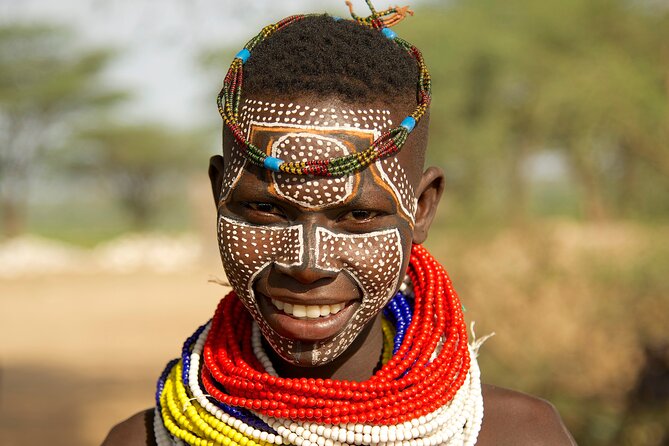
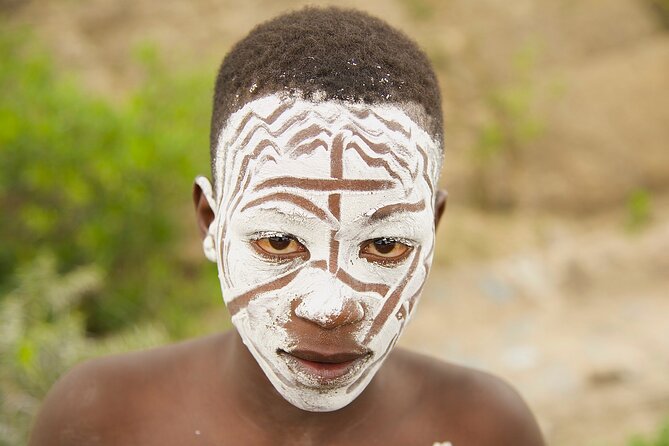
The Omo River Valley in southern Ethiopia is one of those places where cultural differences aren’t a “museum label.” They’re visible in everyday life, from body paint and scarification to headdresses and lip plates. The region sits close enough to other countries to feel like a crossroads, but far enough that many communities have held onto traditions for centuries.
That mix is why this trip works for photographers and travelers who like authenticity without the theme-park vibe. You’re not just looking at costumed performances. You’re meeting communities whose styles are recognizable from one group to the next, down to details like hair work, pigments, and adornments.
That said, you should also know you’re visiting cultures that are facing pressure from outside influence. It’s worth approaching the experience with respect, slow observation, and patience, especially when you’re photographing.
Addis Ababa to Jinka: Museum Option and Ari Village First Contact
Your day starts in Addis Ababa at Bole, with pickup offered. After that, you get an optional choice in the morning: the National Museum or the open market Merkato. If you’re arriving with camera gear still slightly chaotic in your head, this is a useful warm-up. Addis gives you a quick dose of color, crowds, and everyday life before you head toward the Omo region.
In the afternoon, you fly from Addis Ababa to Jinka. Once you land, the plan is simple: you meet the driver at the airport and then drive to Ari village to visit. This first “tribe day” is a smart way to ease into the trip. You’ll already be in southern Ethiopia, and the next days build on that momentum.
One practical consideration: you’ll want your camera batteries and memory cards ready to go immediately after the flight. Even though Day 1 has a lighter feel than later days, you still have real shooting time right away.
Mago National Park and Mursi Highlands: Lip Plates, Early Light, Tight Focus
Day 2 is your first major culture-heavy day. You leave early to drive to Mago National Park, then head into the Mursi highlands. The Mursi are the group most often associated worldwide with decorative lip plates. In this community, the size and presentation of the plate ties into identity and status, so it’s a natural focal point for portrait photography.
What I like about this setup is the structure: you’re not rushing from one place to another without purpose. You get a dedicated block for Mursi, then return to Jinka for lunch, and only after that do you shift to the next set of communities.
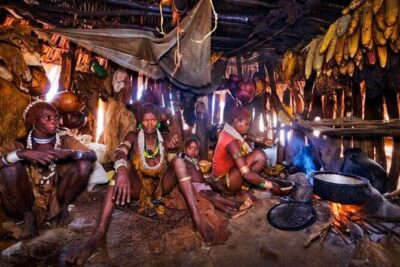
After lunch, the route continues through the Omo Valley toward Turmi, via Dimeka, with a visit to the Hamer tribes along the way. If you’re paying attention to logistics, this routing is doing something useful: it reduces backtracking, and it keeps you moving through different settlements rather than repeating the same area.
Also, there’s a market stop planned on the way, at Alduba market, before the Hamer visit. Markets are often where you get your best candid shots, hands, expressions, and quick interactions. Just remember, markets can be busy, and your best results will come from moving calmly and waiting for moments.
Karo-Korcho: Body Painting as Art, Not a Photo Excuse
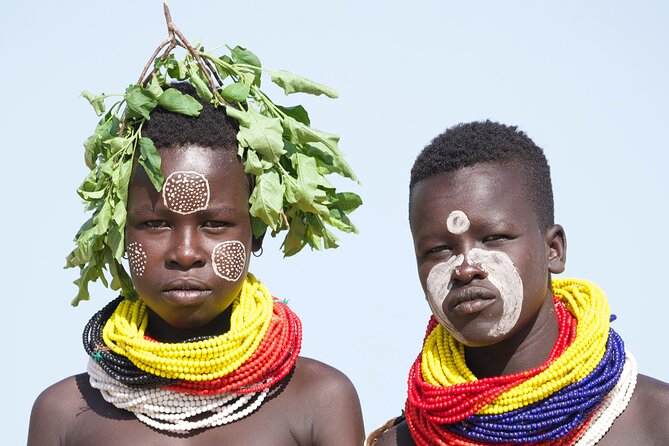
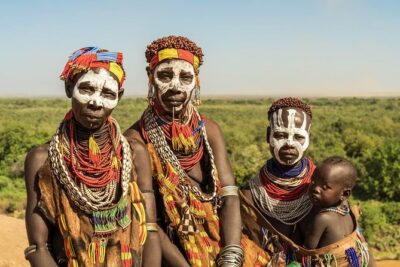
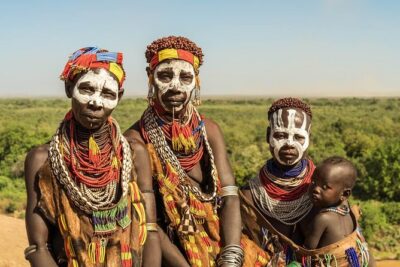
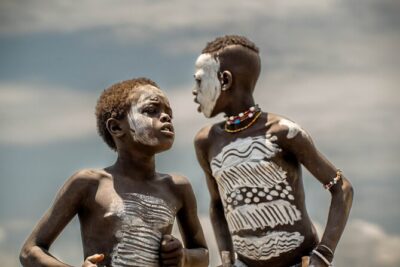
Day 3 shifts the focus to Karo- Korcho and their tradition of body painting. You’ll visit in the morning, and you can expect men and artists creating paint patterns on faces and bodies using clay and pigments available locally. The important detail here is that the designs are described as created for fun and aesthetics, not for symbolic rituals. That means you’ll often see an energy that feels playful and competitive, as different artists try to outdo each other.
This is also a day that helps you photograph both faces and hands. If you’re using portraits, look for tight crop opportunities where you can see brush marks and paint texture. If you’re doing environmental portraits, widen out enough to include the full body pattern.
Karo men also sculpt and shave their hair into elaborate shapes, and they wear special ochre caps with ostrich feathers. That combination makes a strong “readable” image at a glance. From a composition standpoint, it gives you a clear head-and-neck shape even when you’re shooting in less controlled light.
Later, back near Turmi, you may have a chance to photograph bull jumping rehearsal or a ceremony, depending on timing. That’s a big deal if you love action shots, but it also means you should stay flexible. If something is happening, the opportunity is likely tied to whether the schedule aligns on the day you visit.
Other trips built around a camera
Omo River Canoe to Dassanech: Ornate Hair Buns and a Different Pace
Day 4 starts with an early rise and a drive to the edge of the Omo River. Then the plan is delightfully hands-on: you cross by canoe to the Dassanech village.
This is one of the most distinctive pieces of the itinerary because the travel method itself becomes part of your experience. You’re not just changing locations, you’re experiencing the river crossing. It can also change your photo angle, giving you a more natural framing and a sense of place.
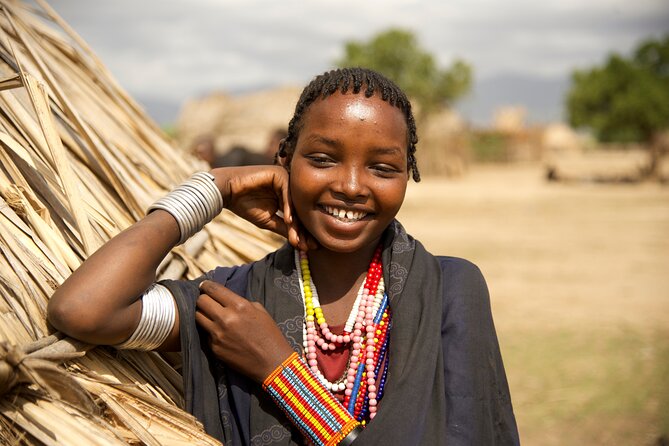
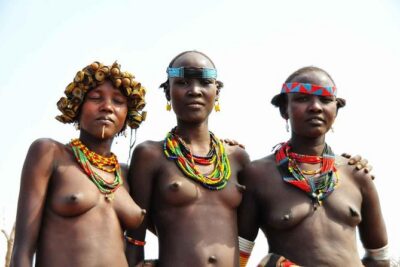
The Dassanech are described as semi-nomadic, with clans spread across Sudan, Kenya, and southern Ethiopia. In terms of what you’ll likely photograph, they’re known for unique ornate hair buns. That’s a great reminder that not every strong photograph needs a big costume. Hair design can be as defining as body paint, and it often gives you excellent texture in close-up work.
After photographing the tribe, you drive back to Turmi. The afternoon is more open, either for relaxing or going out to photograph the town of Turmi. This part matters because it gives you recovery time after a morning effort, and it helps you explore at your own pace instead of being chained to a strict checklist.
Arba Minch and Lake Chamo: Crocodiles, Hippos, and Birds on the Water
Day 5 moves you to Arba Minch. The schedule then points to an afternoon boat trip on Lake Chamo, leaving after 3 pm. The timing is practical. Late afternoon often offers better shooting conditions than midday, with softer light and less harsh glare.
On the water, your targets are straightforward: crocodiles, hippos, and aquatic bird species. The northern shores of Lake Chamo are famous in the program for large crocodiles lounging in the heat, and that description is exactly the kind of predictable animal behavior photographers hope for.
Bird photography gets a bonus here. The program lists several species you can look for, including African fish eagle, flamingos, herons, storks, kingfishers, and more. Even if you are not a dedicated bird photographer, this variety helps you avoid the all-day “one subject” problem. You can shift between animal and bird compositions depending on where the light and action line up.
One small piece of advice: bring a rain-safe plan for your camera and lens. Boat trips can mean splash risk and quick weather changes, even when the day feels calm.
Dorze and Chencha Near Guge Mountains: Weaving, Beehive Houses, and Garden Details
Your last culture day goes to the Dorze and Chencha villages, in the Guge Mountains area. You travel about 40 km northwest of Arba Minch, and you’ll spend your morning in villages where life centers on farming and weaving.
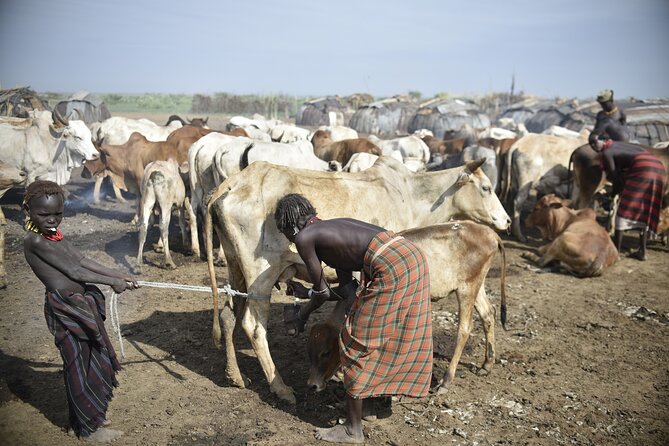
The Dorze have a strong reputation in the program for excellent woven cotton cloth, and the village description is rich with architecture details. Their beehive-shaped houses are built from organic materials and include a small garden around the homes, with beds of spices, cabbage, and tobacco. If you like photographing details, this is a gift. You can shoot portraits, but you can also build storytelling images with the house shape, the garden, and daily work.
The Dorze are described as speaking an Omotic tongue, and the Dorze name is directly linked to those cloth traditions. That gives you a clean cultural thread for your photos. You can look for weaving hands, textile patterns, and the environment around production.
After lunch, you transfer to the Arba Minch airport and fly back to Addis Ababa. You’ll arrive late afternoon, and you also get a hotel room as a day use space to wash and change. That last detail is underrated for photographers with gear. It saves you from the post-trip scramble and helps you edit without feeling grimy.
Price, Group Size, and What Feels Like Good Value
The price is $3,312.83 per group, for up to 7 people, for an approximately 6-day itinerary. On paper, that’s a group rate, so the real value depends on how many seats you fill.
If you fill the group with 7 people, it works out to about $475 per person, before visa and international flights. Even if you don’t fill all 7, the key value comes from what’s included: air-conditioned vehicle, village entrances, photography fees, and multiple meals (breakfasts, lunches, and dinners are included for the trip days listed).
So you’re paying for more than “getting shown places.” You’re paying for structured access and organized transportation across multiple regions, including flights between Addis Ababa and Jinka and a final flight back to Addis Ababa.
Included meals matter too. In a remote region, consistent food planning reduces stress and helps you keep your energy for early starts and long photo blocks. If you hate hunting for lunch every day, this will feel like relief.
Who This Trip Fits Best (And Who Should Look Elsewhere)
This experience is a good match if you’re:
- A photographer who wants dedicated time with specific communities and includes photography fees
- Comfortable with early starts, long drives, and a full schedule
- Interested in cultural portraits, body paint and hair traditions, plus wildlife time on Lake Chamo
It might not be the best fit if you:
- Want lots of downtime or spontaneous stops with no schedule
- Prefer a minimalist travel pace with fewer transfers and flights
- Need a trip that is mainly wildlife-focused, since the core of the program is cultural village visits with one major wildlife water segment
Final Call: Should You Book This Omo Valley Photo Trip?
If you want a practical, photography-focused route through some of Ethiopia’s most photo-worthy communities, I’d say this is a strong choice. The itinerary is built around access, morning timing, and a mix of subjects that photographers actually care about, portraits, crafted aesthetics, and wildlife on the water.
Before you book, ask yourself one question: do you want your trip organized around shooting moments, not around slow wandering? If the answer is yes, you’ll likely love how the plan keeps moving while still giving you time to work.
If you’re unsure, you can also plan your own expectation-setting: this is cultural field travel with real travel days, so pack for comfort and keep your camera workflow ready. When the schedule clicks, the result is exactly what this program aims for, clear focus and memorable frames.
FAQ
What city does the tour start from?
The tour starts in Addis Ababa, with the meeting point listed as Bole. Pickup is offered, and the trip ends back at the meeting point.
How long is the Omo Valley trip?
The duration is listed as 6 days, approximate.
Is this a private tour?
Yes. It’s described as a private tour/activity, with only your group participating.
What is included in the tour price?
The tour includes an air-conditioned vehicle, village entrance, photography fee, and meals (breakfast, lunch, and dinner, listed as 5 each). It also includes pickup, and the tour offers a mobile ticket.
What is not included?
Visa fee, international flight, personal expenses, tips, and alcohol are not included.
Are there any flights during the trip?
Yes. The itinerary includes a flight from Addis Ababa to Jinka on Day 1, and a flight back from Arba Minch to Addis Ababa at the end.
Which cultural communities are visited?
The program includes visits related to Ari village, Mursi highlands, Hamer tribes, Karo ethnic group, Dassanech tribe, and Dorze and Chencha villages.
Is there wildlife time on the trip?
Yes. On Day 5, you take a boat trip on Lake Chamo to see crocodiles, hippos, and aquatic bird species.
What meals does the tour provide?
Breakfast, lunch, and dinner are included, listed as 5 of each across the trip days.
Is there free cancellation?
Yes. Free cancellation is offered, and you can cancel up to 24 hours in advance for a full refund.
Trips Built Around a Camera
- 9 days Omo Valley Tribes and Photography Tour
★ 5.0 · 4 reviews
The Rest of the Ethiopia List
- Full Day Tour of Addis Ababa with Hotel Pickup and Drop-off
★ 5.0 · 430 reviews - Taste of Ethiopia
★ 5.0 · 406 reviews - Day Trip From Addis Ababa See Historical Monastery,Stunning Nature,Animals,Birds
★ 5.0 · 303 reviews - Addis Ababa: Debre Libanos, Blue Nile Gorge, and Cave Tour
★ 4.5 · 256 reviews - Addis Ababa Guided City Tour With Airport & Hotel Pick Up
★ 5.0 · 237 reviews
South to the Omo Valley
- 6 Days Omo Valley Tribes Tours From Addis Ababa
★ 5.0 · 33 reviews - 3 Days Omo Valley Tour
★ 5.0 · 24 reviews - 5 Days Omo Valley Tours
★ 5.0 · 15 reviews - 6 Days Lalibela, Omo Valley and Harar
★ 5.0 · 15 reviews - Private Omo Valley Tours From Addis Ababa
★ 5.0 · 12 reviews
Other Ethiopia tours we have written up
Omo Valley Cultural Tours, compared.
 ★ 5.06 Days Omo Valley Tribes Tours From Addis AbabaFrom $1,39933 reviews
 ★ 5.0Lalibela, Axum, Danakil and Omo Valley 8 DAYSFrom $2,05129 reviews
 ★ 5.03 Days Omo Valley TourFrom $80024 reviews
 ★ 5.05 Days Omo Valley ToursFrom $75015 reviews
 ★ 5.06 Days Lalibela, Omo Valley and HararFrom $1,53815 reviews
 ★ 5.0Private Omo Valley Tours From Addis AbabaFrom $1,89012 reviews
 ★ 5.09 Days Tours To Danakil Depression, Simen MNP, Lalibela With Omo Valley TribesFrom $1,80011 reviews
 ★ 5.05 Day Private tour to the Omo Valley Tribes and Adventure TourFrom $1,29011 reviews
Browse the lists this tour appears in