
REVIEW · LALIBELA TOURS
Full Day lalībela church’s tour
Lalibela feels like a stone cathedral dream. In one packed day, this tour takes you through 11 rock-hewn churches carved into the mountains near Lalibela, tied to King Lalibela and the Zagwe dynasty. I love how the guide’s storytelling links what you see to why it was built, and I love that you get a structured walk rather than wandering around hungry and confused. One thing to plan for: the church entrance fee is not included, so you will want cash ready, and you should also expect real walking on uneven ground.
You start with pickup from Lalibela Airport (or the church ticket office, depending on your choice), then head into town and out to the rock churches for guided time plus breaks and photo stops. I also like that the tour is built for people who want the big highlights fast, like the cross-shaped St. George church and the huge monolithic complex with passageways.
Because this is a religious site day, your experience will be shaped by practical details. If you are a woman, you’ll need a scarf to cover your head at the churches, and if you bring the wrong shoes, your day will feel longer than it needs to. Still, with an English-speaking guide and a focus on the Lasta region’s living traditions, this can be a satisfying, low-stress way to see Lalibela.
In This Review
- Key highlights to look for
- Lalibela’s 11 rock-hewn churches, carved for the Zagwe dynasty
- Getting there and the real feel of an 8-hour day
- St. George and the cross-shaped church: your first big wow
- The three groups of churches, and how to read them
- Biet Golgotha Micael and the maze of passageways
- Breaks, photo stops, shopping, and sunset timing
- Coffee, local traditions, and the optional Addis Ababa cultural dinner
- Guide quality is the difference between seeing and really getting it
- Price and value: what $102 includes, and what costs extra
- Should you book this Lalibela full-day church tour?
- FAQ
- How long is the Lalibela full-day tour?
- Where does pickup happen?
- Are airport transfers and hotel transfers included?
- Is an English-speaking guide included?
- What is included in the tour besides the churches?
- Do I need to pay church entrance fees?
- What should I bring for the day?
- Is the tour wheelchair accessible?
- Are there any rules for visitors at the churches?
Key highlights to look for
- English-speaking guide time that helps you read the churches, not just photograph them
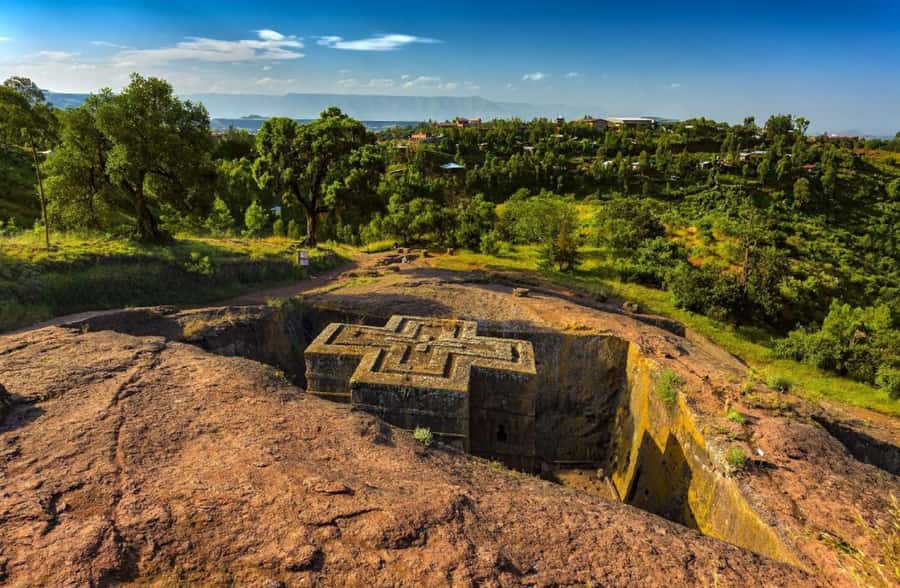
- All 11 rock-hewn churches in three groupings, including St. George
- Biet Golgotha Micael as the largest monolithic church in the world and a maze of passageways
- Town walking plus coffee, a small taste of daily life beyond the stone
- Pace that includes breaks and sunset, so your eyes and your feet get a rest
More of Lalibela, reviewed one by one
- Tour 11 monolithic rock churches & museum in Lalibela & cave church with mummies★ 5.0 · 37 reviews
- Lalibela, Axum, Danakil and Omo Valley 8 DAYS★ 5.0 · 29 reviews
- Rock Churches of Lalibela Guided Tour★ 5.0 · 27 reviews
- Lalibela churches , church museum & Yemrehan kirstose ( cave church)★ 5.0 · 19 reviews
Lalibela’s 11 rock-hewn churches, carved for the Zagwe dynasty
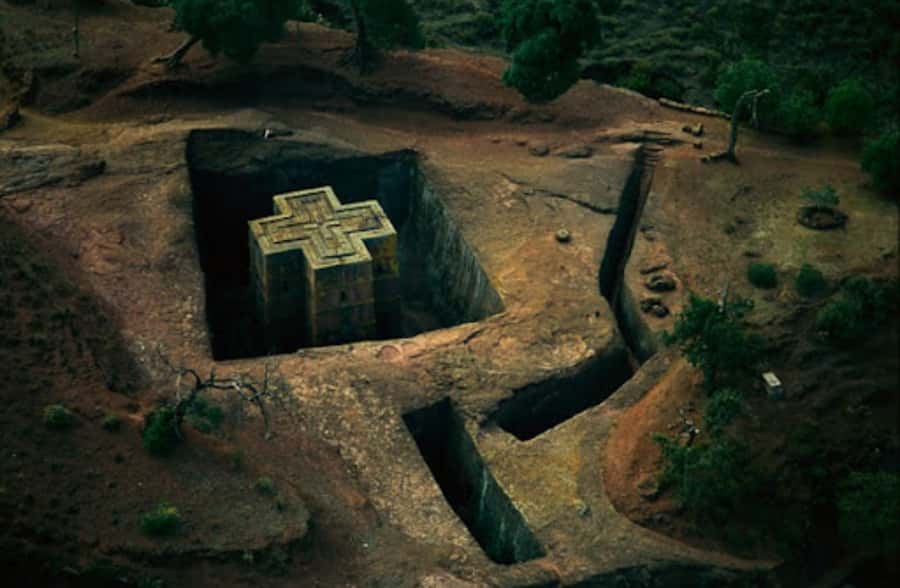
This tour is centered on one of Ethiopia’s most unusual artistic achievements, the rock-hewn churches of Lalibela in the Amhara Region. In the Lasta region, there are said to be at least 200 churches nearby, with some hidden in enormous caves. What makes Lalibela special is not just how many religious sites exist, but how exceptional it is to find 11 master-built churches together in one area.
The churches are traditionally attributed to King Lalibela and are often dated to his reign, around the 12th and 13th centuries, when Lalibela was known as Roha and served as the capital of the Zagwe dynasty. That context matters because these churches are not just monuments. They are designed spaces for worship, shaped by engineering choices that let you move, pause, and see sacred scenes from specific angles.
You’ll also feel a practical truth behind all that symbolism: you are walking through a religious landscape that still works for people today. So come with a flexible mindset. If you treat it like a quick photo stop, you’ll miss what makes it meaningful.
Getting there and the real feel of an 8-hour day
The day starts smoothly, with pickup from Lalibela Airport and transfer into town to your hotel. Some departures also use pickup at the Lalibela Church Ticket Office, and you can be dropped off at either the airport or ticket office at the end. For many people, those options are a quiet win because they reduce the stress of figuring out timing and meeting points in a busy small town.
Once you’re moving, expect a classic circuit: photo stop, guided visits, walking between sites, and time built in for breaks. There is also a sunset moment mentioned in the schedule. That’s not just for atmosphere, it’s for visibility too. Late light tends to flatten harsh shadows and makes the stone carvings easier to read, especially on the facades and door openings.
What I like about this setup is that it balances two types of travel brain. One part wants to see everything, the other part wants to actually understand it. With an English-speaking guide and structured groupings of churches, you get the best chance of doing both.
Tip that will save your day: plan on wearing shoes you trust. You’ll be moving outdoors and around stone surfaces, and your feet are your limiting factor, not the clock.
St. George and the cross-shaped church: your first big wow
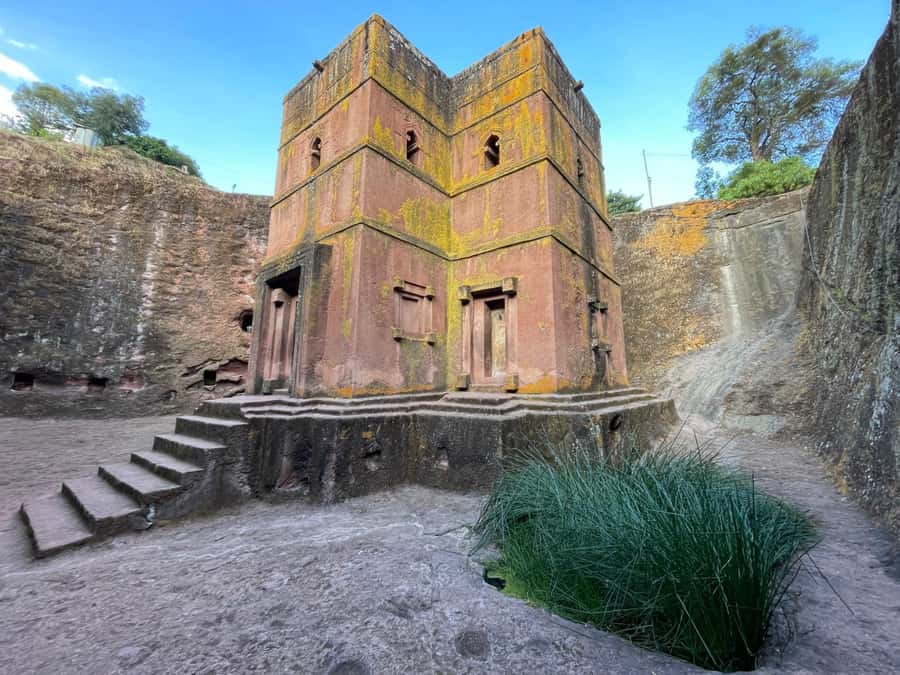
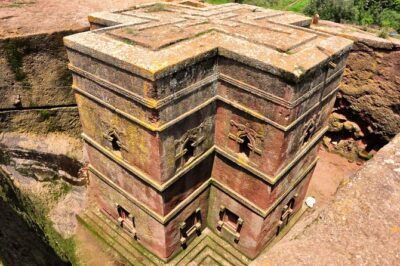
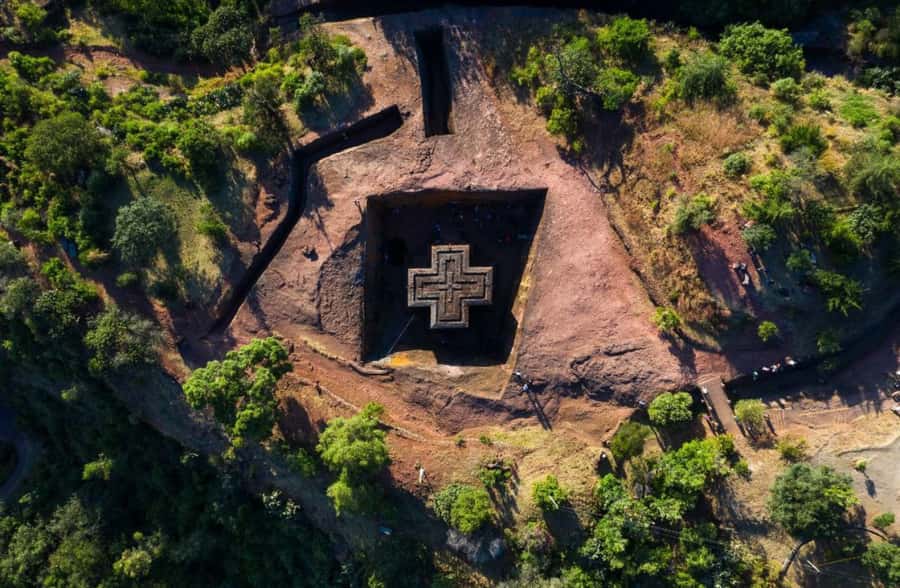
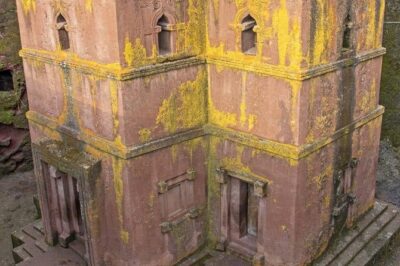
The tour’s headline stop is the cross-shaped St. George church, often presented as the one that hits you hardest at first glance. Even if you don’t know the Ethiopian Christian iconography yet, the building form is instantly recognizable. The shape is not random. It is a message built in stone, and a great guide will help you notice how the space supports worship rather than just impressing tourists.
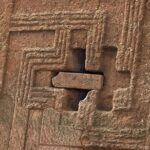
This church is also part of why Lalibela is called the Eighth wonder of the world. That phrase gets thrown around for a lot of sights, but here the idea makes sense because you’re looking at monumental carving work, not standard stone masonry. You can literally see the logic of the craftsmen in how walls meet, how openings are cut, and how the space is organized.
You’ll want your camera ready, but don’t treat every photo like the goal. Pause before you shoot. Take ten seconds to look at the carving lines, the doorway proportions, and the way people move through the space. The best photos tend to come after you understand what you’re photographing.
The three groups of churches, and how to read them
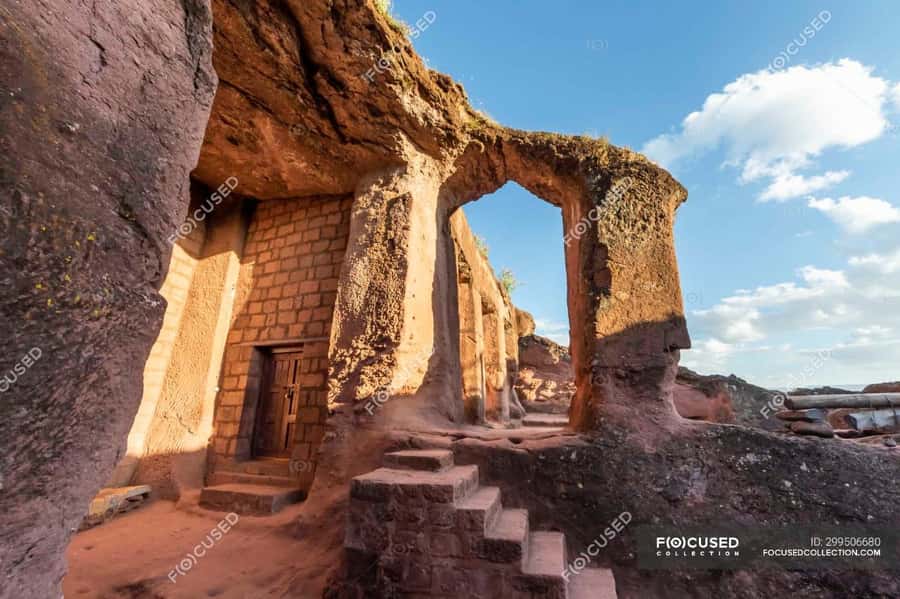
The churches you visit are divided into three groups, which is a smart way to do Lalibela. Your brain sorts better when you’re not jumping randomly between sites.
First group: the general view set
This group includes Biet Medani Alem, Biet Mariam, Biet Mascal, Biet Denagel, and Biet Golgotha Micael. This is where you often get your bearings. You start to see patterns in the architecture, how the interiors feel different from the exteriors, and how the church layout creates a rhythm as you walk.
Southern churches: where the circuit feels tighter
Next are the southern churches: Biete Amanuel, Biete Qeddus Mercoreus, Biete Abba Libanos, Biete Lehem, and Biete Gabriel-Rufael. This is a good stretch to slow down. If your guide is doing their job well, you’ll hear how each church’s design connects to worship and community life, not just a list of names.
The last churches, ending with St. George
The final cluster is described in tour materials as bete Georgia’s, and this is where St. George is commonly treated as the grand finale of the day. Ending with the cross-shaped church gives you a natural crescendo, and sunset timing helps too, because the stone often looks more dimensional in late light.
One of the best parts of this structure is that it reduces guesswork. You don’t need to memorize every name to enjoy the day. You just need to follow the guide’s flow and let the shapes teach you what matters.
Other trips that eat the whole day

Biet Golgotha Micael and the maze of passageways
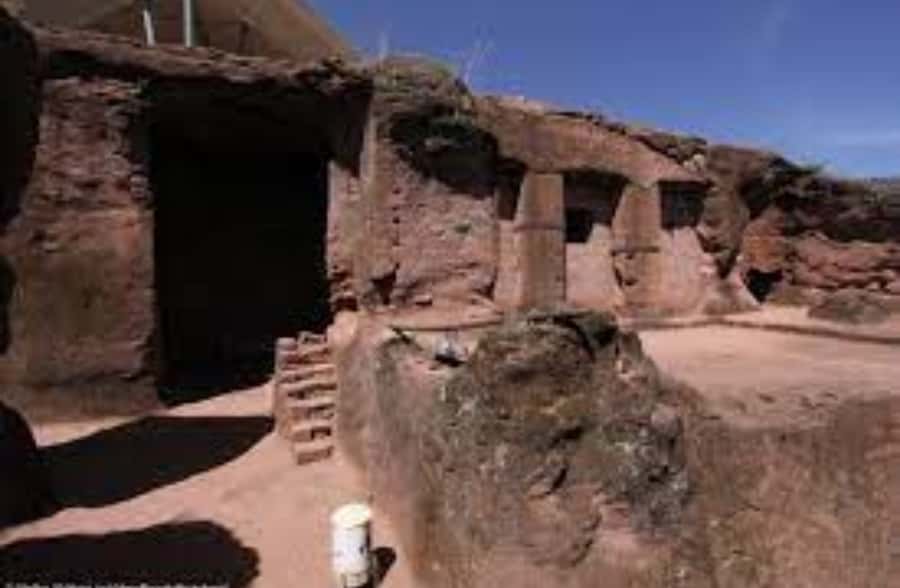
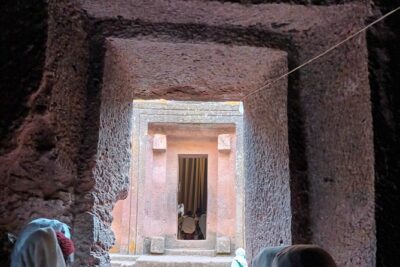
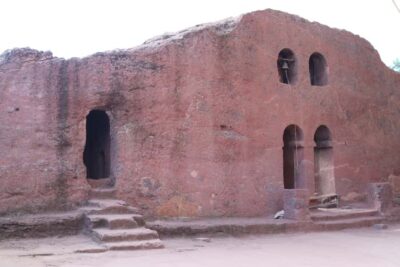
One of the strongest reasons to go with a guide is that Lalibela rewards attention. Biet Golgotha Micael is described as the largest monolithic church in the world, and it’s also known for passageways that feel like a maze. That combination can be disorienting if you’re moving on your own.
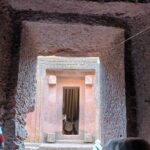
With a guide, you can focus on where to look and what to notice. You’ll likely get pointers on how passageways and entrances frame sightlines, how the interior space changes your sense of scale, and why this kind of carved complexity would have taken serious planning.
A practical note: passageways can be tight, and lighting inside carved churches can vary. If you’re sensitive to cramped spaces or low light, plan to take it slowly and let your guide guide the pacing. This is also where a good guide’s pace matters. In reviews, English-speaking guides like Temesgen and Mas were praised for being professional and not rushing, which is exactly what you want in a place that needs careful looking.
If photography matters to you, keep in mind that the best shots often require positioning, not just speed. A guide who is comfortable with cameras can help you get the angle without turning the church into a circus.
Breaks, photo stops, shopping, and sunset timing
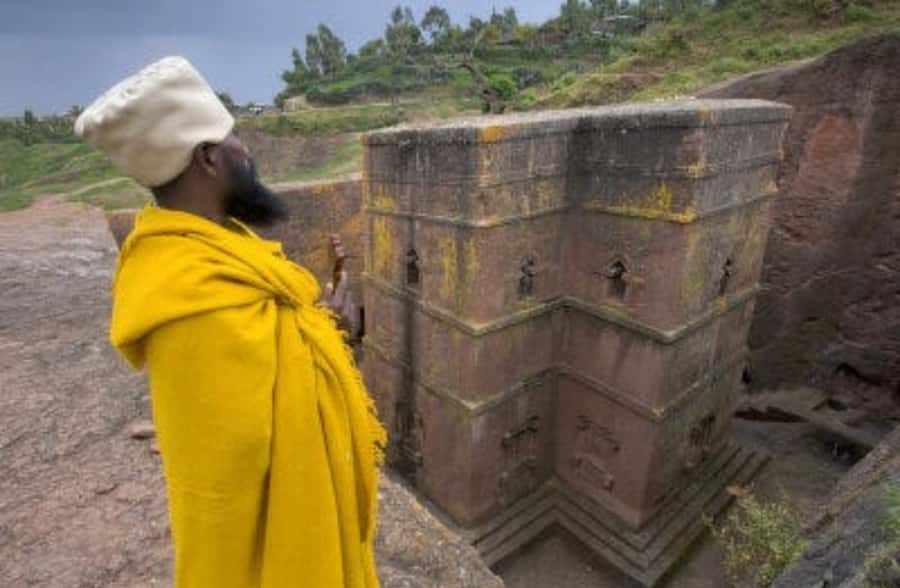
An 8-hour tour can either feel like a sprint or a steady rhythm. This one is designed to include breaks and photo stops, plus a walk in the city. That matters because Lalibela is not a place where you want to skip rest. Stone churches plus stairs plus dirt paths equals fatigue, and fatigue makes you less patient and less observant.
The schedule also includes a dedicated stop around Bete Amanuel, Lalibela, with visit time and room for shopping and sightseeing. That’s a practical way to buy small souvenirs without losing the flow of the church circuit. It also gives you a moment to connect the religious sites to the town that surrounds them.
Sunset timing is more than a nice idea. Late-day light can change how carvings show up, especially on doorways and exterior walls. If you try to chase sunset on your own with no plan, you can end up rushing or missing the best viewpoints. Here, the day is arranged so you get that timing built into the experience.
Bottom line: this tour respects the fact that you’re doing a physical day in a spiritual place. You’ll still walk, but you’re not being asked to do it in one long, unbroken push.
Coffee, local traditions, and the optional Addis Ababa cultural dinner
The tour includes Ethiopian coffee, which is a small detail that makes a big difference. In a day focused on stone, a cup of coffee gives you a human pause and a chance to reset your senses before the next church.
There is also mention of a cultural dinner in Addis Ababa as part of the overall highlights. The day you spend here in Lalibela may or may not include that dinner depending on how your schedule is built around flights or lodging. If you are trying to plan your evening, ask your operator how that dinner fits into your actual travel days so you know what you are buying.
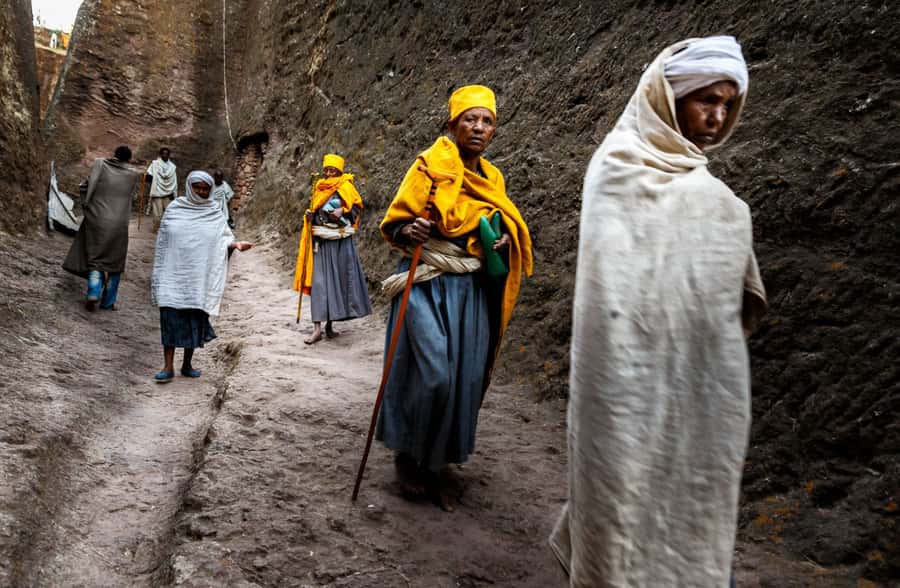
If you want authentic culture beyond the churches, this is where your guide’s local knowledge helps. Reviews mention guides talking about life and traditions, and one guide even recommended a restaurant connected to the guide’s family, with warm food and local conversation. Even if that specific restaurant is not part of your day, it signals the kind of thing a great guide can suggest: real places where locals eat, not only tourist spots.
If your tour includes a short town walk, use it for what it is good for: people watching, small shops, and getting a feel for how Lalibela lives between church festivals and everyday routines.
Guide quality is the difference between seeing and really getting it
This is one of those tours where the guide can make or break your day. Reviews were very consistent on this point. One guide, Temesgen, was praised as friendly, professional, and an excellent photographer. Another, Mas, was praised for punctuality, great English, and a calm approach that avoided rushing. In one account, the guide even spread the church complex over two days for a more comfortable pace, which shows how flexible the experience can be when the operator is thinking about your comfort.
So how do you use this to your advantage? Treat your guide as your translator for what you see. Ask one question early in the day, like what to look for in each church or how the different designs connect to worship. Then watch how your experience changes. Without that context, Lalibela can feel like beautiful architecture and nothing more. With it, the carvings start to feel purposeful.
Also, if photography is a priority, say so. In reviews, guides were comfortable helping with photos and video, not just pointing to buildings. That helps you capture the day without spending the whole time staring through a screen.
Price and value: what $102 includes, and what costs extra
At $102 per person for an 8-hour experience, this sits in the midrange for a guided full-day tour in Ethiopia. The key value is what is included: airport pickup and drop off, hotel pickup and drop off, an English-speaking guide, transportation with fuel, government tax, Ethiopia coffee, and a walking tour in the city.
What is not included is equally important. You are responsible for domestic flights if you need them, church entrance fees, additional entrance fees if charged separately, accommodation without meals, and gratuity.
So what should you do with that information? Budget cash for the church entrance fee and any small purchases. If you show up without extra cash, you can end up feeling rushed at the very moment you want to slow down.
Also remember that you’re paying for convenience. Transfers plus guiding plus transportation means less time negotiating and more time looking closely. If you are short on time in Lalibela, that convenience can be worth the price.
One more balance note: the overall rating shown in the review set is 3.8, which tells you the average experience is solid but not perfect. One negative review claimed a booking with no one coming, which is exactly the kind of issue you can reduce by confirming your pickup details before you set out and keeping your contact information handy.
Should you book this Lalibela full-day church tour?
Book it if you want a guided, efficient way to see all 11 rock-hewn churches without spending your day solving logistics. It’s ideal for first-timers, people who want help understanding what they see, and anyone who prefers a calm pace with breaks, photo stops, and sunset timing.
Skip it or adjust expectations if budget is tight, because entrance fees are not included and you’ll likely spend extra. Also keep the reality of walking in mind. The tour is marked wheelchair accessible, but carved stone sites can still be uneven, so you’ll want to think about mobility needs honestly before committing.
If you do book, do two simple things: bring comfortable shoes and bring a scarf if you are visiting as a woman, since head covering is required at the churches. Then lean on your guide. The churches will look better, and the day will feel more meaningful.
FAQ
How long is the Lalibela full-day tour?
The duration is listed as 8 hours.
Where does pickup happen?
Pickup is included from Lalibela Airport or from the Lalibela Church Ticket Office, depending on your selected option.
Are airport transfers and hotel transfers included?
Yes. The tour includes airport pickup and drop off, plus hotel pickup and drop off.
Is an English-speaking guide included?
Yes. The guide is listed as English speaking.
What is included in the tour besides the churches?
Included items include transportation with fuel, government tax, Ethiopia coffee, and a walking tour in the city.
Do I need to pay church entrance fees?
Yes. Lalibela Churches entrance fee and entrance fee are listed as not included.
What should I bring for the day?
Bring comfortable shoes, comfortable clothes, a camera, change of clothes, biodegradable sunscreen, and cash.
Is the tour wheelchair accessible?
It is listed as wheelchair accessible.
Are there any rules for visitors at the churches?
For women, you must bring a scarf to cover your head. Alcohol and drugs are not allowed.
Browsing Ethiopia More Widely
- Tour 11 monolithic rock churches & museum in Lalibela & cave church with mummies
★ 5.0 · 37 reviews - Rock Churches of Lalibela Guided Tour
★ 5.0 · 27 reviews - Lalibela Rock Churches Guided Tour
★ 5.0 · 15 reviews - 2 Days 1 night tour to Lalibela Rock-hewn churches
★ 5.0 · 12 reviews - Walking tours
★ 5.0 · 11 reviews
The Rest of the Ethiopia List
- Visiting Lalibela churches
★ 5.0 · 40 reviews - Visit the rock hewn churches
★ 5.0 · 39 reviews - Tour 11 monolithic rock churches & museum in Lalibela & cave church with mummies
★ 5.0 · 37 reviews - Lalibela, Axum, Danakil and Omo Valley 8 DAYS
★ 5.0 · 29 reviews - Rock Churches of Lalibela Guided Tour
★ 5.0 · 27 reviews
Lalibela, Reviewed
- Visiting Lalibela churches
★ 5.0 · 40 reviews - Tour 11 monolithic rock churches & museum in Lalibela & cave church with mummies
★ 5.0 · 37 reviews - Lalibela, Axum, Danakil and Omo Valley 8 DAYS
★ 5.0 · 29 reviews - Rock Churches of Lalibela Guided Tour
★ 5.0 · 27 reviews - Lalibela churches , church museum & Yemrehan kirstose ( cave church)
★ 5.0 · 19 reviews
Other Ethiopia tours we have written up
Lalibela Tours, compared.
 ★ 5.012 Days SIMIEN MOUNTAIN-LALIBELA-DANAKIL-TIGRAY CHURCHESFrom $1,64145 reviews
 ★ 5.0Visiting Lalibela churchesFrom $20040 reviews
 ★ 5.0Tour 11 monolithic rock churches & museum in Lalibela & cave church with mummiesFrom $35537 reviews
 ★ 5.05 DAYS Lalibela, Axum, Tigray churches and DanakilFrom $1,02534 reviews
 ★ 5.06 Days tour Package (Simien Mountains, Lalibela, and Danakil Depression)From $1,43532 reviews
 ★ 5.0Lalibela, Axum, Danakil and Omo Valley 8 DAYSFrom $2,05129 reviews
 ★ 5.0Danakil Depression and Lalibela 5 Days ToursFrom $95028 reviews
 ★ 5.0Rock Churches of Lalibela Guided TourFrom $4627 reviews
Browse the lists this tour appears in