

REVIEW · OMO VALLEY CULTURAL TOURS
5 Days Omo Valley Tribal Tours
Five days in Omo Valley feels timeless. This small-group tour puts you close to 20+ indigenous communities and the big cultural moments like Hamar bull-jumping and Mursi lip plates. I like the max 4 travelers setup, because it makes the day feel more like a conversation than a bus stop. I also like the hands-on guiding style, with guides such as Ashu and drivers such as Biruk showing up in past trips, and that kind of teamwork really helps you manage long drives and photo stops. One drawback to plan for: the big pay-as-you-go pieces are not fully covered, since domestic flights and bull-jumping or photographer fees (if applicable) are listed as not included.
You start in Addis Ababa, fly partway into the south, then connect by car across a lot of real distances. Pickup is offered, breakfast is included for all 5 days, and the trip includes boat time linked to the Omo River communities. The overall value comes from the mix of transport, guide, and sites included in the price, but you still need to budget extra for meals and optional ceremony or camera costs.
If you want a comfortable intro to this region without DIY planning, this is a smart way to go. Just keep your expectations grounded: these visits are special, but they are also tightly scheduled and can involve early mornings and long hours in a vehicle.
In This Review
- Key highlights that make this tour work
- Omo Valley in 5 days, what you’re really signing up for
- Price and value: what $1,100 covers, and what to budget on top
- Day 1: Addis Ababa to Arba Minch, Dorze weaving and village houses
- Day 2: Konso UNESCO villages and the generation pole system
- Day 3: Karo village coloring, then Hamar bull-jumping day (if it’s on)
- Day 4: river village time, markets if it’s market day, and onward to Jinka
- Day 5: Mago National Park drive to Mursi villages and the flight back to Addis Ababa
- Comfort, group size, and the rhythm of long drives
- What the guide experience tends to feel like
- Tips to get the most out of the cultural moments
- Should you book this 5 Days Omo Valley Tribal Tours?
Key highlights that make this tour work
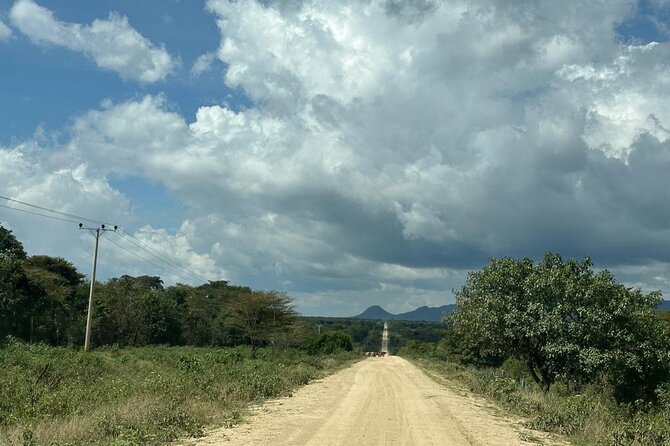
- Small group size (maximum 4) keeps you out of the mass-tour feel.
- Ashu-style guiding and driver teamwork shows up repeatedly in past experiences.
- UNESCO Konso villages add depth beyond photo stops.
- Seasonal Hamar bull-jumping is the emotional peak, if conditions line up.
- Dessenach boat trip gives you a break from road travel and a better angle on village life.
- Mursi lip and earlobe plates are the standout visual moment on the final day.
More Omo Valley itineraries, reviewed
- 6 Days Omo Valley Tribes Tours From Addis Ababa★ 5.0 · 33 reviews
- 3 Days Omo Valley Tour★ 5.0 · 24 reviews
- 5 Days Omo Valley Tours★ 5.0 · 15 reviews
- 6 Days Lalibela, Omo Valley and Harar★ 5.0 · 15 reviews
Omo Valley in 5 days, what you’re really signing up for
Omo Valley tours can be two different things. They can be a checklist of tribes, or they can be a route that teaches you how the region connects, day to day. This 5-day plan leans toward the second one, because it mixes villages, markets when they line up, river time, and a couple of major cultural set pieces.
The strongest reason to choose this tour is how the trip is structured around time and access. You are flying from Addis Ababa to Arba Minch, then shifting to a car route that reaches Dorze, Konso, Hamar, and ends at Mago National Park for the Mursi area. That’s not just efficient, it also reduces the temptation to “rush” by skipping the guide’s context.
The other reason is the people factor. Past trips tied this operator’s success to guides like Ashu and drivers such as Roble, Biruk, Tame, and Danile. When a guide and driver work well together, you spend less time stuck waiting and more time at the right place at the right moment.
Price and value: what $1,100 covers, and what to budget on top
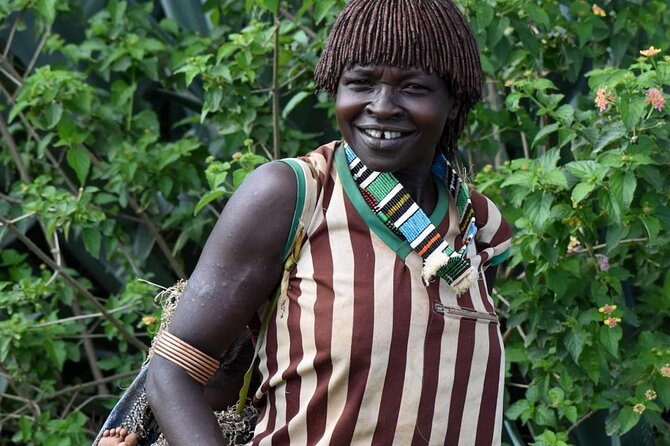
At $1,100 per person, the price is not cheap, but it’s not random either. The tour includes all fees and taxes, a guide, car and fuel, and key experiences like the boat trip. Breakfast is also included for all five days, which matters when you’re traveling early and moving between different regions.
What’s not included is important for your budget math. You’ll need to plan for lunch and dinner, plus domestic flights. The itinerary includes flights between Addis Ababa and Arba Minch and then back, but domestic flights are listed as not included, so treat that as a separate line item. Also note that photographer fees and bull-jumping ceremony fees (if there’s) are not listed as included.
So the honest value equation looks like this:
- You pay for the structure, the vehicle, and a guide who knows where to go.
- You pay extra for your meals and any photography or ceremony-related costs.
If you’re the type who hates figuring out logistics, this structure often feels worth it.
Day 1: Addis Ababa to Arba Minch, Dorze weaving and village houses
Day 1 starts with flights from Addis Ababa to Arba Minch, then pickup from the airport and transfer to your hotel. After a short break, you head to Dorze, where the big visual hook is the tall, beehive-like houses and the weaving craft.
This stop is valuable because it’s not only about what people look like, it’s about what they build and how they earn a living. Dorze communities are known for fine cotton weaving, and you’ll visit the village with time to learn about daily life. If your timing hits a market day, you may also visit the local market in the Dorze area, which is one of the easiest ways to see how trade and community life work together.
Overnight is either in a traditional hut in Dorze or in Arba Minch at a hotel. That choice can change how you experience the first night, so it’s worth deciding what you value more: immersive location, or easier comfort after a flight and drive.
Practical consideration: this is a long day with a flight and road time, so if you’re sensitive to travel fatigue, keep your first-day plans simple and eat light before you go.
Day 2: Konso UNESCO villages and the generation pole system
On Day 2, you wake early, then drive to Konso for lunch and a short break before visiting the village. Konso is one of the most meaningful stops on this route because it has a UNESCO-registered village focus and a very specific cultural system tied to age and community structure.
The Konso people are known for erecting stones and poles called generation poles, where each pole signals roughly an 18-year step in a new generation. Even if you don’t catch every explanation, you can usually read the idea quickly once you see the poles standing. It’s the kind of detail that turns a stop from scenery into understanding.
After Konso, you drive to Turmi and overnight at Turmi Lodge. Turmi is a good base for the next day because you’re positioning yourself closer to the Hamar area, and the early timing matters for ceremonies and village visits.
Practical consideration: this day blends walking in villages with a decent amount of driving time. Wear shoes you can trust on uneven ground.
Five-day runs across the country

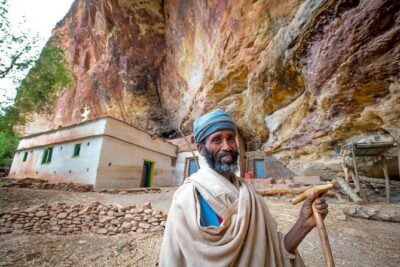
Day 3: Karo village coloring, then Hamar bull-jumping day (if it’s on)
Day 3 starts with a morning drive to Karo village. The Karo are described as living along the east banks of the Omo River, and the most immediate detail is how kids paint faces and bodies. It’s visual, it’s fast-moving, and it’s one of those moments where your camera hand will either be ready or it won’t. (If you care about photos, this is where you’ll feel the benefit of having a guide manage the pacing.)
After that, you drive back to Turmi for lunch and a short break. Then comes the main event: visiting the Hamer people and the seasonal bull-jumping ceremony.
Here’s the key detail worth knowing before you arrive. Bull-jumping is described as a rite of passage where a boy becomes pronounced a man after proving his capacity by jumping over 5 up to 13 cattle standing in a row. The ceremony is also described as the most unique and seasonal event on the day, which is why this part is exciting and also why it’s not guaranteed in every season.
A balanced way to handle this as a visitor is to be ready for it and also accept that timing matters. If your trip lands when the ceremony is on, it can be one of the emotional highlights of the entire route. If it’s not on, you’ll still see community life, but you may not get the same moment.
Day 4: river village time, markets if it’s market day, and onward to Jinka
Day 4 starts early again, this time with a drive to the Dessanch area. This is also the day tied to the included boat trip on the Omo River side of things, which helps break up the long driving stretches and gives you a different view of daily life.
The itinerary description also points to attention on appearance with colored ochre, white chalk, yellow mineral rock, plus designs that can include lines, dots, shapes, animal motifs, and handprints. Scarification and clay work show up too, with men using clay to create elaborate hairstyles and headdresses linked to status, beauty, and bravery. Even if you can’t pin down every name, those material details help you understand how identity is expressed.
After the morning activities, you drive back for lunch and, if the day lines up, you visit the local market. Market timing is always a bit of a toss-up on these routes, so if markets are your priority, plan to treat them as a bonus, not a guarantee.
Finally, you continue to Jinka, and overnight at NASA Hotel. Jinka is where you consolidate before the final day, including your jump toward the Mursi area.
Practical consideration: expect heat, dust, and long sitting in vehicles. Bring a light layer for the cooler moments and a hat you can keep under control.
Day 5: Mago National Park drive to Mursi villages and the flight back to Addis Ababa
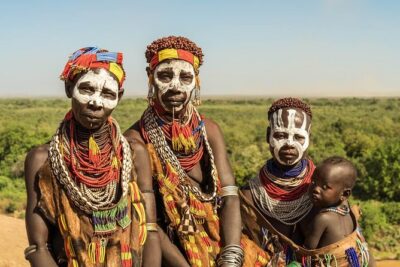
Day 5 is the payoff day for the trip’s most iconic visual tradition. You drive from the Jinka area toward the Mago National Park, heading to a local Mursi kin group village. The Mursi are known for making and wearing lower lip plates and earlobe plates, and this is the moment most people come for.
This stop works best when you don’t treat it like a quick photo shoot. The tradition is meaningful for identity, and the best encounters usually come from slowing down, asking questions through your guide, and respecting boundaries. Your guide is also key because ceremonies and village rules can change depending on timing and community comfort.
After the Mursi visit, you drive back to Jinka for lunch, then fly back toward Addis Ababa. The route ends back at the original meeting point area.
Practical consideration: keep your final-day expectations realistic. You’re combining a village visit, a long drive, and a flight, so you’ll want to travel light and keep your valuables secure.
Comfort, group size, and the rhythm of long drives
This tour is priced for value, but the price does not mean it’s a luxury ride. You’ll be in a car a lot. That’s normal for South Ethiopia routing, and it’s part of how you reach remote communities.
The upside is that group size is capped at 4 travelers. That can mean you get more focused attention from your guide, fewer bottlenecks for photos, and better flexibility if someone needs a break. If you like tours that feel organized without being rigid, this style often lands well.
The tour also includes pickup offered and a specific meeting point at Skylight Hotel parking on Africa Avenue in Addis Ababa. Having that anchor reduces stress on arrival day. Once you’re in the south, your day rhythm is set: early mornings, midday drives, village visits, then dinner out of pocket.
What the guide experience tends to feel like
One of the most praised aspects from past trips is the guide and driver teamwork. Names like Ashu, Danile, Roble, Biruk, and Tame appear in the feedback, and the consistent theme is that they keep things running and handle day-to-day needs before they become problems.
In practical terms, that shows up in things like:
- keeping your timing aligned for village visits and seasonal events
- managing the vehicle schedule so you’re not stuck waiting around
- explaining what you’re seeing and why it matters, in plain language
If you’re traveling solo, or you just want fewer moving parts, that guide support can be the difference between a stressful day and a memorable one.
Tips to get the most out of the cultural moments
I’ll keep this practical, because it’s the best way to respect the communities and protect your trip.
- Treat photography as permission-based. The tour lists photographer fees as not included, which is a clue that camera use can have costs and rules. Ask your guide before you shoot.
- Be ready for seasonality. The Hamar bull-jumping ceremony is described as seasonal, so pack patience. You’ll still learn plenty even if that exact ceremony moment is not on schedule.
- Bring comfortable shoes and light clothing. Village walks and uneven ground are part of the itinerary, and you’ll sweat either way.
- Budget your meals. Lunch and dinner are not included, and that means planning a little helps you stay focused during the long road stretches.
This is one of those trips where your attitude matters as much as your camera.
Should you book this 5 Days Omo Valley Tribal Tours?
Book it if you want a guided, efficient route that hits major cultural highlights in a short time: Dorze, Konso, Karo, Hamer bull-jumping, and Mursi lip plates. The small group size and the strong track record of guide and driver teamwork are also big reasons to feel confident that the days will flow.
Think twice if your budget is strict. With meals and domestic flights not included, plus possible ceremony or photography costs, your total spend will be higher than the headline number. Also, if bull-jumping is your one must-see moment, remember it’s seasonal, and the trip does not guarantee that ceremony costs are fully covered.
If you want a structured cultural route with real logistics handled for you, this is a solid choice. Just go in ready for early starts, respect the rules on photography, and let the guide’s pacing do its job.
Browsing Ethiopia More Widely
- Full Day Tour of Addis Ababa with Hotel Pickup and Drop-off
★ 5.0 · 430 reviews - Addis Ababa: Debre Libanos, Blue Nile Gorge, and Cave Tour
★ 4.5 · 256 reviews - Addis Ababa Guided City Tour With Airport & Hotel Pick Up
★ 5.0 · 237 reviews - Breathtaking Nature, Wildlife and Cave Church Tour – Free Pickups
★ 5.0 · 225 reviews - Full-Day Private City Tour of Addis Ababa
★ 5.0 · 147 reviews
The Rest of the Ethiopia List
- Full Day Tour of Addis Ababa with Hotel Pickup and Drop-off
★ 5.0 · 430 reviews - Taste of Ethiopia
★ 5.0 · 406 reviews - Day Trip From Addis Ababa See Historical Monastery,Stunning Nature,Animals,Birds
★ 5.0 · 303 reviews - Addis Ababa: Debre Libanos, Blue Nile Gorge, and Cave Tour
★ 4.5 · 256 reviews - Addis Ababa Guided City Tour With Airport & Hotel Pick Up
★ 5.0 · 237 reviews
South to the Omo Valley
- 6 Days Omo Valley Tribes Tours From Addis Ababa
★ 5.0 · 33 reviews - 3 Days Omo Valley Tour
★ 5.0 · 24 reviews - 5 Days Omo Valley Tours
★ 5.0 · 15 reviews - 6 Days Lalibela, Omo Valley and Harar
★ 5.0 · 15 reviews - Private Omo Valley Tours From Addis Ababa
★ 5.0 · 12 reviews
Other Ethiopia tours we have written up
Omo Valley Cultural Tours, compared.
 ★ 5.06 Days Omo Valley Tribes Tours From Addis AbabaFrom $1,39933 reviews
 ★ 5.0Lalibela, Axum, Danakil and Omo Valley 8 DAYSFrom $2,05129 reviews
 ★ 5.03 Days Omo Valley TourFrom $80024 reviews
 ★ 5.05 Days Omo Valley ToursFrom $75015 reviews
 ★ 5.06 Days Lalibela, Omo Valley and HararFrom $1,53815 reviews
 ★ 5.0Private Omo Valley Tours From Addis AbabaFrom $1,89012 reviews
 ★ 5.05 Day Private tour to the Omo Valley Tribes and Adventure TourFrom $1,29011 reviews
 ★ 5.09 Days Tours To Danakil Depression, Simen MNP, Lalibela With Omo Valley TribesFrom $1,80011 reviews
Browse the lists this tour appears in