

REVIEW · OMO VALLEY CULTURAL TOURS
Tribes of the Ethiopian Omo Valley – 9 Day Tour
Nine days, multiple worlds in one route.
This tour pairs a strong Addis Ababa orientation with remote Omo Valley tribal visits, plus archaeological stops and wildlife time on Lake Chamo. You’ll move from Ethiopian history and cathedrals to living traditions like Mursi, Dorze, Erbore, and Konso, with market moments where the schedule allows.
I especially like that the trip starts with the big Addis hitters, including Lucy at the National Museum and a stop at the Ethnological Museum in Haile Selassie’s former palace. I also like the practical, real-life stops, like the Lake Chamo boat ride and the Key Afar market timing on Thursdays. One consideration: the days are long and the drive between regions can be a lot, so the tour asks for a moderate fitness level.
In This Review
- Key highlights worth planning for
- Addis Ababa first, so the Omo Valley hits harder
- Lucy at the National Museum, plus Ethiopia’s museum day essentials
- The Tiya Stele Field stop that adds real depth
- Arba Minch and Lake Chamo, crocodiles and hippos included
- Dorze in Chencha: false banana bread and home alcohol
- The Turmi travel day: Konso, Weito, Erbore, and possible bull-jumping
- Key Afar market timing: a Thursday stop you should plan around
- Jinka and the Mago Park visit, plus Konso Cultural Centre time
- Langano Lake before you go back: a Rift Valley reset
- Price and value: what you’re paying for at $1,111 per person
- Who should book this Omo Valley tribe route
- Final verdict: should you book Tribes of the Ethiopian Omo Valley?
- FAQ
- How long is the Tribes of the Ethiopian Omo Valley tour?
- Where does the tour start?
- What time does the tour start each day?
- Is pickup included?
- What is the maximum group size?
- What meals are included?
- Are admission fees included?
- What tribes and cultural groups are visited?
- What is not included in the price?
- Is there a cancellation policy?
Key highlights worth planning for
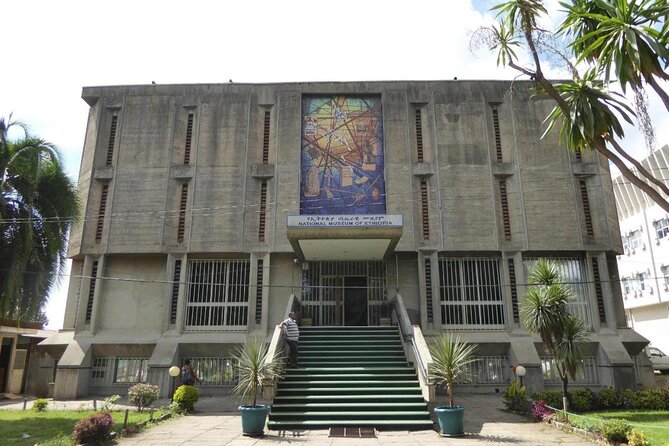
- Lucy, Ethiopian Orthodox churches, and Entoto Mountain before you head south
- Tiya World Heritage Site with carved stelae you can study at your own pace
- Lake Chamo boat ride where you can spot hippos and crocodiles in the wild
- Dorze house visit near Chencha, including false banana bread and local alcohol
- Mago Park and Konso stops that focus on how people live, not just what people wear
More Omo Valley itineraries, reviewed
- 6 Days Omo Valley Tribes Tours From Addis Ababa★ 5.0 · 33 reviews
- 3 Days Omo Valley Tour★ 5.0 · 24 reviews
- 5 Days Omo Valley Tours★ 5.0 · 15 reviews
- 6 Days Lalibela, Omo Valley and Harar★ 5.0 · 15 reviews
Addis Ababa first, so the Omo Valley hits harder

I like the pacing here because it gives your brain a place to land before you go remote. You start in Addis Ababa, with airport pickup and a transfer to a city center hotel, then you get a full day to get your bearings. That matters, because when you head into South Omo, you are suddenly dealing with different languages, different roads, and a whole different rhythm of daily life.
This is also a smart way to build context. Ethiopia’s human story runs deep, from ancient fossils to Orthodox Christianity to the region’s modern identity. When you understand the basics in Addis first, the later cultural encounters feel less like a show and more like a continuation of a long story.
Lucy at the National Museum, plus Ethiopia’s museum day essentials
On your first full day, you’ll tour key sites in Addis Ababa, including the National Museum of Ethiopia. The main reason people come is the collection known for Lucy, fossilized bones from Australopithecus afarensis, described as living about 3.2 million years ago in Ethiopia. You don’t need to be a science person to appreciate the scale of it. Even if fossils aren’t your thing, this stop anchors the trip in what Ethiopia has contributed to our understanding of human origins.
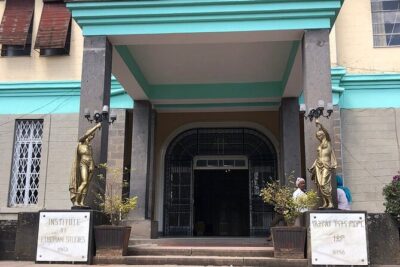
After that, you’ll visit the Ethnological Museum, set within Haile Selassie’s former palace grounds and associated with Addis Ababa University’s main campus. It’s a rare museum setting, and the format tends to make regional culture feel tangible rather than distant. If you’re trying to travel responsibly, this kind of background helps you ask better questions later.
Then you’ll round it out with stops at major churches: Holy Trinity Cathedral (Kidist Selassie) and St George’s Orthodox Cathedral. Both are tied to major historical moments, including Ethiopia’s liberation from Italian occupation and the Battle of Adwa era. You finish the city day with Mount Entoto, where King Menelik tried to build a capital city and where you can visit a church museum near St. Mary and an old house of Menelik. Plan for walking and sun, even on an organized tour day.
The Tiya Stele Field stop that adds real depth
Once you head south, you don’t go straight into tribal visits. You stop at the Tiya World Heritage Site, a site with 36 monuments including 32 carved stelae covered with symbols. The age of the underlying culture is not precisely determined, which is part of what makes it interesting. You’re seeing a set of carvings and trying to interpret them without a neat, complete explanation.
Practical tip: take your time here. This isn’t the kind of stop where you want to rush, because the value is in noticing patterns and learning how archaeologists describe what they can and cannot read. It’s also a great mental shift. You start thinking in longer timelines, not just present-day life.
Lunch is in the town of Sodo, then you arrive in Arba Minch late afternoon. That rhythm is useful. It keeps the day from feeling like a constant sprint while still moving you toward the Omo Valley zone.
Arba Minch and Lake Chamo, crocodiles and hippos included
Arba Minch is where the trip begins turning from history to ecosystems. You spend a morning with a boat ride on Lake Chamo, part of Nech Sar National Park. The payoff is the chance to observe huge crocodiles and hippos in the wild, plus water birds around the water.
This is one of the stops that changes how you experience the landscape around people. Instead of seeing the region only as a cultural destination, you start seeing it as a working environment shaped by water, animals, and seasonal life. In practical terms, boat rides also reset your energy. It’s a break from constant land driving.
Then you’re back for lunch in Arba Minch, and you set up the Dorze day next. The way the schedule stacks these experiences works well, because you get wildlife, then you get daily life and craft traditions.

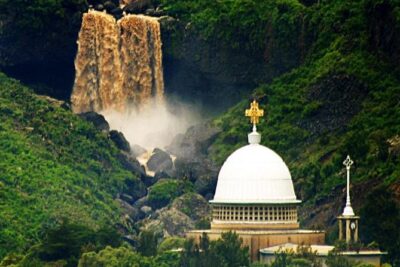
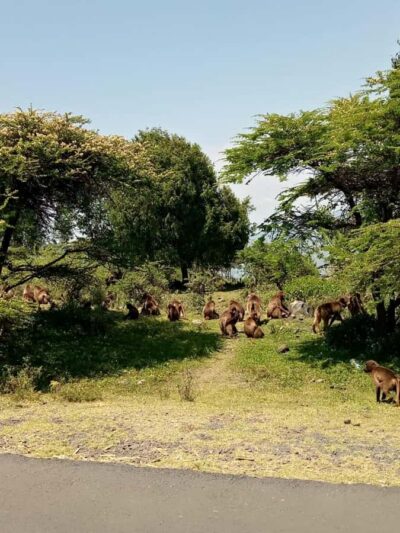
Dorze in Chencha: false banana bread and home alcohol
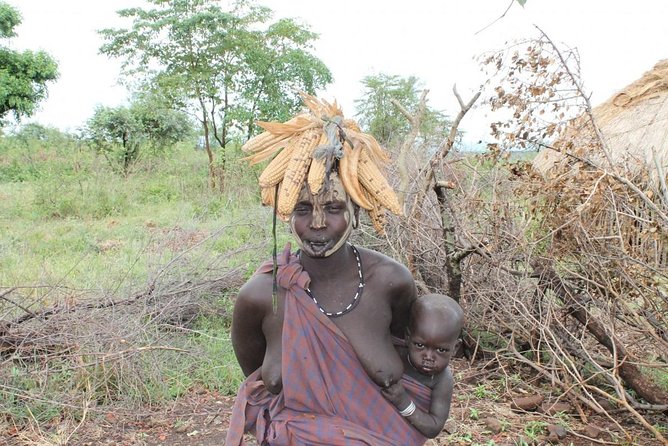
In the afternoon plan, you go to Chencha for an excursion to the Dorze people. The highlight is a visit to a traditional Dorze house, where you can observe how bread is made from false banana and how locally made alcohol is prepared.
This kind of stop is valuable because it is about food systems and hands-on routines, not just photos of costumes. Still, it’s worth approaching with a light touch. Watch what’s happening, ask permission before photographing, and remember you’re learning how families do ordinary things in their own space.
You also return to Arba Minch in the evening. That’s a good call for energy management, since your next day starts moving toward Turmi, and the region changes again.
The Turmi travel day: Konso, Weito, Erbore, and possible bull-jumping

Day 5 is a “roads and viewpoints” day heading toward Turmi. On the way, you stop at Karat Konso, Weito, and Erbore. The Erbore stop is described as a chance to take photos of the Erbore people, which signals that the tour leans into cultural observation here.
Then you arrive in Turmi, and the plan includes a possible chance to attend a bull-jumping ceremony in a Hamer village near Turmi, if you’re lucky. The key phrase is if you are lucky. In other words, don’t build your whole emotional experience on one event being guaranteed. Instead, see this day as a set of encounters where flexibility matters.
You’ll rest at the lodge in the evening. After long travel, that quiet time is not a luxury. It helps you process what you’ve just seen, especially on a trip that mixes cultures you might not have encountered before.
Key Afar market timing: a Thursday stop you should plan around

From Turmi you drive to Jinka, with a stop-over at Key Afar, where there is a local market every Thursday. The market attracts Hamer, Benna, Konso, Ari, and many other people from South Omo.
This is one of those experiences that feels more real than a staged cultural performance. Markets bring together trade, news, and daily life. You’ll likely notice how people travel, what they carry, and how bargaining and social interaction work in practice.
The tour doesn’t promise you a single type of shopping experience. Instead, it gives you the chance to observe how a regional economy and community network function. If you plan to buy things, consider small, practical items. It’s easier to carry, and it’s a gentler way to participate.
You arrive in Jinka late afternoon and rest at the hotel, which is another useful scheduling choice. After a market day, you don’t want another immediate jam-packed itinerary.
Jinka and the Mago Park visit, plus Konso Cultural Centre time
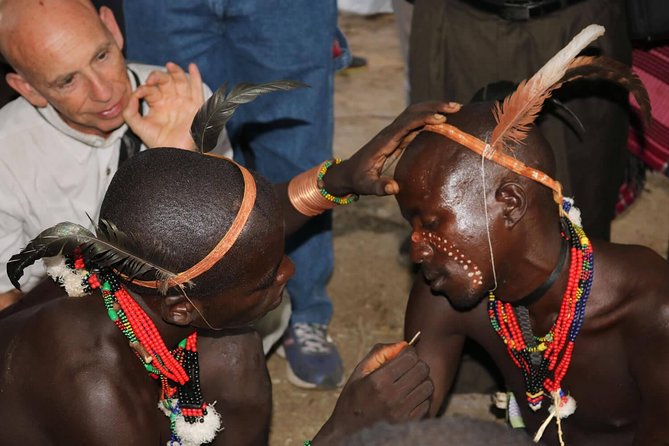
Day 7 focuses on the Mago Park area, home to the Mursi tribe. You’ll have an excursion in the morning, with a return to Jinka around lunch time, then drive to Karat Konso.
The Mursi are probably best known in South Omo because women traditionally slit their lower lip and insert a clay or wooden plate, while men have stick fights called donga that help determine eligible bachelors for marriage. The point here is not to treat these customs like a spectacle. The value is to see how social systems, beauty markers, and adulthood rituals connect to community life.
From there you move to Karat Konso and visit the Konso Cultural Centre. Konso is its own cultural world. This kind of stop is helpful because it gives you a framework for what you are seeing, so you can interpret later moments with less confusion.
Also note the day includes admission tickets where listed, so you’re not constantly hunting for what costs extra. You can stay focused on the actual experience.
Langano Lake before you go back: a Rift Valley reset
On day 8 you drive from Karat Konso to Langano early in the morning. Langano is one of the Rift Valley lakes, and it’s known as a place where people go to rest and relax away from Addis.
You’ll have time to take a dip, which is listed as a chance here. This is a simple but smart finale. After days of cultural encounters and long drives, swimming or just sitting by the water gives your body a chance to recover and your mind a chance to slow down.
You’ll finish with a drive back to Addis Ababa in the afternoon on day 9, and the program ends after arrival.
Price and value: what you’re paying for at $1,111 per person
At $1,111 per person, this is not a budget tour. But the included costs help justify the price, especially for a remote region like South Omo where logistics can be the hard part.
Here’s what you do get included:
- Air-conditioned vehicle
- Professional guide and a scout fee
- All fees and taxes listed as included
- Meals: 8 breakfasts, 8 lunches, and 8 dinners
- Admission where noted in the route
- Pickup is offered, and you use a mobile ticket
What you should expect you may still pay for:
- Alcoholic beverages are not included
- Anything not listed under inclusions
My practical take: you’re paying for transportation, coordination, and access to sites that take serious time and driving to reach. You’re not just buying “tribe photos.” The schedule also includes museum time, a World Heritage site, a boat ride with wildlife, and a relief stop at Langano Lake.
If you want a trip that stays organized without feeling like an endless bus ride, this can be strong value. If you hate long driving days, you should weigh that carefully.
Who should book this Omo Valley tribe route
This tour fits best if you want a structured route that still gives you real contact with daily life. It’s a good match for:
- You who like guided context, like museums and World Heritage stops
- You who enjoy markets and everyday food experiences, like false banana bread and local alcohol
- You who are comfortable with a moderate physical fitness level and long days on the road
- You who want a small group, since the maximum is 20 travelers
It might feel like a lot if you’re seeking a slow-paced vacation with lots of downtime between stops. But the inclusion of rest moments, like Arba Minch evenings and the Langano reset, helps balance the pace.
Final verdict: should you book Tribes of the Ethiopian Omo Valley?
If your dream trip is South Omo culture with real landmarks attached, I think you’ll likely be happy with this one. The standout strengths are the mixture of Ethiopian context in Addis, the strong “hands-on” experiences along the way, and the care in scheduling so you see multiple regional cultures rather than just one highlighted stop.
I would book it if you can handle long drives and if you appreciate cultural observation done through an organized plan. Skip it or reconsider if you want minimal travel time or if you are looking for guaranteed participation in a specific ceremony, since some moments are conditional, like the bull-jumping chance.
FAQ
How long is the Tribes of the Ethiopian Omo Valley tour?
The tour runs for 9 days approximately.
Where does the tour start?
It starts in Addis Ababa, Ethiopia. You meet the company’s representative at the airport and then transfer to a city center hotel.
What time does the tour start each day?
The start time listed is 8:30 am.
Is pickup included?
Pickup is offered, and you also have meeting support at the airport with a transfer to your hotel.
What is the maximum group size?
The tour has a maximum of 20 travelers.
What meals are included?
The package includes 8 breakfasts, 8 lunches, and 8 dinners.
Are admission fees included?
All fees and taxes are included, and admissions are listed as included for stops like Lucy at the National Museum and the Ethnological Museum, plus other site entries where noted.
What tribes and cultural groups are visited?
The route includes visits connected to the Mursi, Dorze, Erbore, Konso, and more.
What is not included in the price?
Alcoholic beverages are not included, and services not listed under inclusions are also not included.
Is there a cancellation policy?
Yes. You can cancel up to 3 days in advance for a full refund, based on local time. Canceling closer than that means the amount paid is not refunded.
Browsing Ethiopia More Widely
- Full Day Tour of Addis Ababa with Hotel Pickup and Drop-off
★ 5.0 · 430 reviews - Addis Ababa: Debre Libanos, Blue Nile Gorge, and Cave Tour
★ 4.5 · 256 reviews - Addis Ababa Guided City Tour With Airport & Hotel Pick Up
★ 5.0 · 237 reviews - Breathtaking Nature, Wildlife and Cave Church Tour – Free Pickups
★ 5.0 · 225 reviews - Full-Day Private City Tour of Addis Ababa
★ 5.0 · 147 reviews
The Rest of the Ethiopia List
- Full Day Tour of Addis Ababa with Hotel Pickup and Drop-off
★ 5.0 · 430 reviews - Taste of Ethiopia
★ 5.0 · 406 reviews - Day Trip From Addis Ababa See Historical Monastery,Stunning Nature,Animals,Birds
★ 5.0 · 303 reviews - Addis Ababa: Debre Libanos, Blue Nile Gorge, and Cave Tour
★ 4.5 · 256 reviews - Addis Ababa Guided City Tour With Airport & Hotel Pick Up
★ 5.0 · 237 reviews
South to the Omo Valley
- 6 Days Omo Valley Tribes Tours From Addis Ababa
★ 5.0 · 33 reviews - 3 Days Omo Valley Tour
★ 5.0 · 24 reviews - 5 Days Omo Valley Tours
★ 5.0 · 15 reviews - 6 Days Lalibela, Omo Valley and Harar
★ 5.0 · 15 reviews - Private Omo Valley Tours From Addis Ababa
★ 5.0 · 12 reviews
Other Ethiopia tours we have written up
Omo Valley Cultural Tours, compared.
 ★ 5.06 Days Omo Valley Tribes Tours From Addis AbabaFrom $1,39933 reviews
 ★ 5.0Lalibela, Axum, Danakil and Omo Valley 8 DAYSFrom $2,05129 reviews
 ★ 5.03 Days Omo Valley TourFrom $80024 reviews
 ★ 5.05 Days Omo Valley ToursFrom $75015 reviews
 ★ 5.06 Days Lalibela, Omo Valley and HararFrom $1,53815 reviews
 ★ 5.0Private Omo Valley Tours From Addis AbabaFrom $1,89012 reviews
 ★ 5.09 Days Tours To Danakil Depression, Simen MNP, Lalibela With Omo Valley TribesFrom $1,80011 reviews
 ★ 5.05 Day Private tour to the Omo Valley Tribes and Adventure TourFrom $1,29011 reviews
Browse the lists this tour appears in