
REVIEW · LALIBELA TOURS
Lalibela Churches Day Tour
The rock-hewn churches of Lalibela are hard to picture until you’re standing in them, and the day tour is set up to make them feel close and understandable. I like that you get a private guide plus time to move at your pace, and I love the mix of sacred architecture and real Ethiopian culture, including a coffee ceremony and honey wine with live traditional music. A key consideration: it’s a long day and parts of the route include underground tunnels, so plan for uneven stone and darker, cooler spaces.
What makes this tour especially satisfying is how the guide ties the churches together, explaining the 12th-century workmanship and the way the site functions as a connected world of passages, caves, and tombs. If you’re lucky, you may also get one of those standout guide moments people talk about, like Joseph, who gets you answers fast and keeps the experience thoughtful, kind, and unrushed.
If you want a simple, no-thoughts sightseeing block, this may feel a little full. Also, meals are not included, and you’ll need to budget for any tips or potential camera or videography fees if required.
In This Review
- Key moments that make the day worth it
- Price and logistics you can actually plan around
- Why Lalibela’s churches are unlike any other
- Entering the first circuit: Bete Medahine Alem and Bete Mariam
- Bete Medahine Alem, the largest church
- Bete Mariam, the most decorated
- After lunch at 2:00pm: Bet Gabriel-Rufael, Bet Merkorios, and more
- Underground tunnels: the part you’ll remember most
- Coffee ceremony, honey wine, and live traditional music
- What you get for $180: value check for a private day
- Who this Lalibela day tour suits best
- Should you book the Lalibela Churches Day Tour?
- FAQ
- What time does the Lalibela churches day tour start?
- How long is the Lalibela churches day tour?
- Is the tour private?
- What is included in the $180 per person price?
- Are breakfast or dinner included?
- What cultural activities are part of the tour?
- Is free cancellation available?
- Are camera or videography fees included?
Key moments that make the day worth it
- Underground tunnels and connected sacred spaces across churches, caves, and tombs
- Two church circuits with a break between the main morning group and the afternoon group
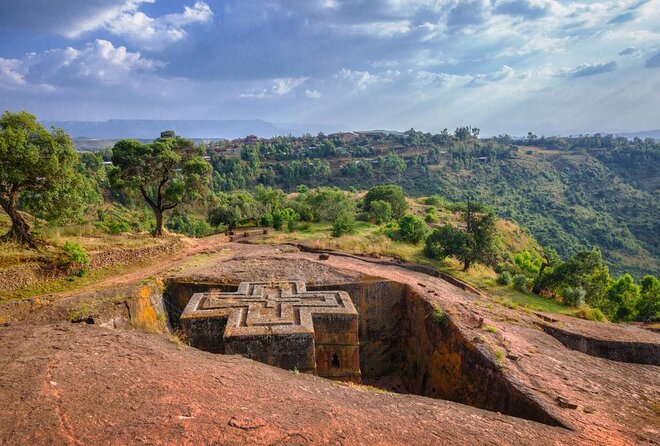
- UNESCO rock-hewn churches carved from living volcanic tuff, including standout Bete Medahine Alem and Bete Mariam
- Traditional Ethiopian coffee ceremony, plus honey wine tasting and live traditional music
- Private tour for your group only, so questions and timing stay flexible
More of Lalibela, reviewed one by one
- Tour 11 monolithic rock churches & museum in Lalibela & cave church with mummies★ 5.0 · 37 reviews
- Lalibela, Axum, Danakil and Omo Valley 8 DAYS★ 5.0 · 29 reviews
- Rock Churches of Lalibela Guided Tour★ 5.0 · 27 reviews
- Lalibela churches , church museum & Yemrehan kirstose ( cave church)★ 5.0 · 19 reviews
Price and logistics you can actually plan around
At $180 per person for an 8 to 9 hour private day tour, this is not a “cheap and cheerful” option. What you are paying for is the full package: an English speaking professional guide, an air-conditioned vehicle, bottled water, admission coverage, and all fees and taxes. When those items are bundled, you avoid the common travel headache of adding up separate charges that quietly inflate the real total.
Two practical notes that matter for your comfort: pickup is offered, and the tour is near public transportation if you prefer to meet up rather than wait around. Since your day runs from a morning start around 8:30am, it helps to have breakfast sorted before pickup, because breakfast is not included.
The other logistics point is the mobile ticket. You do not need to worry about finding a printer or hunting for paper once you arrive.
Why Lalibela’s churches are unlike any other
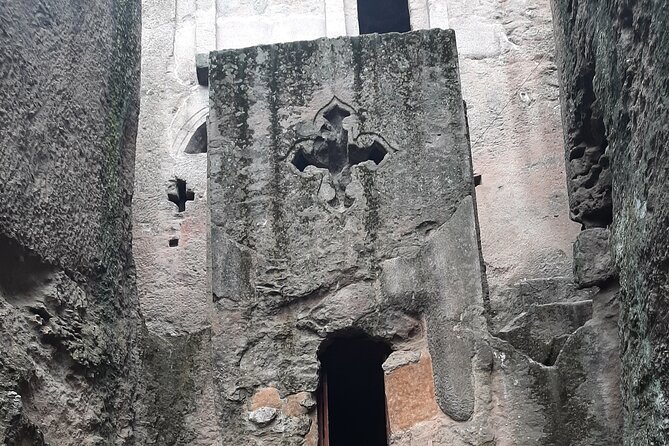
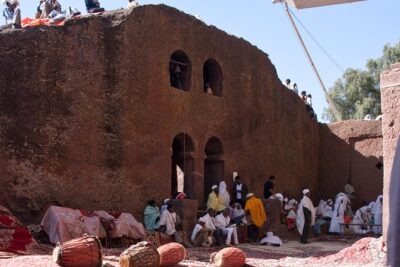
Lalibela is often described as Ethiopia’s holiest town, and the churches here were built with a purpose that goes beyond impressive architecture. These 12th-century churches are carved directly out of volcanic tuff, a living type of rock, and the result is a set of stone structures that feel engineered for both worship and movement.
What I think you’ll appreciate most is the way the churches relate to each other. They are not just separate monuments. They connect through deep passages in the rocky ground, and that network reaches caves and tombs. When your guide explains this as you go, the site stops feeling like a checklist and starts feeling like a system.
This is also why the underground tunnel portion is such a big deal. Walking through those connections gives you a physical sense of how people might have experienced the sacred geography, not just viewed it from the outside.
Entering the first circuit: Bete Medahine Alem and Bete Mariam
You start in the morning, around 8:30am, visiting the first group of rock-hewn churches. This part of the day is where the tour’s structure really helps. You focus on the core cluster first, then you shift to the other church groups after lunch at around 2:00pm.
In this morning set, two churches are especially worth noting.
Bete Medahine Alem, the largest church
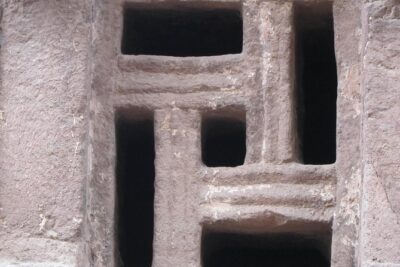
Bete Medahine Alem, also known as the house of the redeemer, is described as the largest church in its group. It is not just big in a general way. It’s listed with specific architectural details: five aisles, 72 pillars, and a vaulted dome, along with molding decoration. Even if you are not an architectural expert, those facts help you see that this was built with a clear plan and serious skill.
Bete Mariam, the most decorated
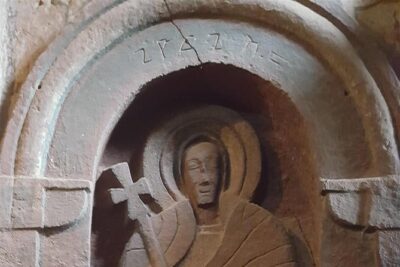
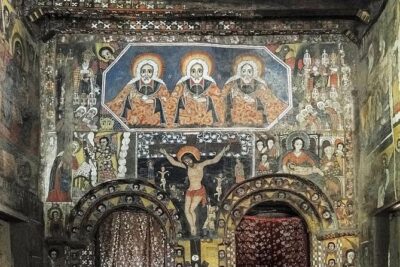
Then there’s Bete Mariam, the house of St. Marry. This one stands out for decoration, and your guide’s explanations help translate what you are seeing. Think of it as the church where the visual details tend to grab you first, and then the meaning comes second.
A practical reason I like doing the first circuit earlier: the lighting can be better for viewing carved stone details, and you get a calmer start before the day fully fills up. If you end up with a guide like Joseph, you may also get extra time for questions without feeling like you are being rushed along.
After lunch at 2:00pm: Bet Gabriel-Rufael, Bet Merkorios, and more
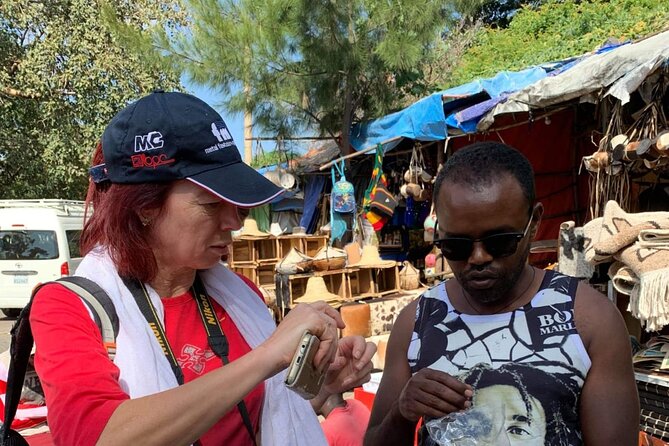
After lunch, the tour moves into the second and third groups. The afternoon schedule starts around 2:00pm, when you head to additional churches, including Bet Gabriel-Rufael, Bet Merkorios, Bet Amanual, and Bet Abba Libanos.
Even though the tour includes multiple churches, it doesn’t feel like you’re just hopping between photo stops. The guide’s goal is to explain why each church matters in the overall sacred design, and to keep the story connected to how the tunnels and underground passages link the spaces.
What can be tricky in the afternoon is energy. Since the tour is 8 to 9 hours, and you already started early, pace matters. The upside of a private tour is that your group can slow down when you need a breather, and speed up when you are on a roll.
If you’re the kind of person who likes to take notes, bring a pen and a small notebook. You’ll likely want to jot down the church names as your guide connects them. The names can be a lot to keep straight, but writing them down saves you from the end-of-day scramble.
Underground tunnels: the part you’ll remember most
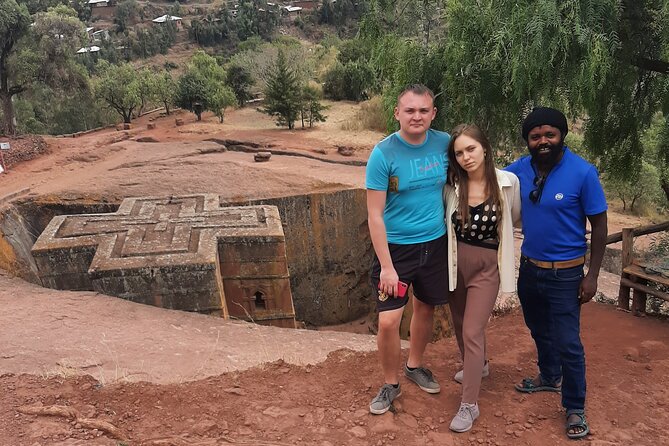
The highlights promise you’ll explore the churches and use the underground tunnels. This is where the tour stops being only visual. You get a sense of movement through the volcanic ground and how the sacred spaces operate as a connected whole.
A few practical points help you get the most out of it. Plan for darker, cooler sections underground, and wear shoes with grip, because the stone can be uneven. Also, keep your phone camera ready but not obsessive. You’re there to understand the place, and the guide’s explanations land better when you’re not constantly stopping for shooting.
If you are claustrophobic or struggle with confined spaces, consider that underground passages are part of the experience. The tour does not state an avoidance option, so it’s worth thinking about your comfort level before booking.
Coffee ceremony, honey wine, and live traditional music
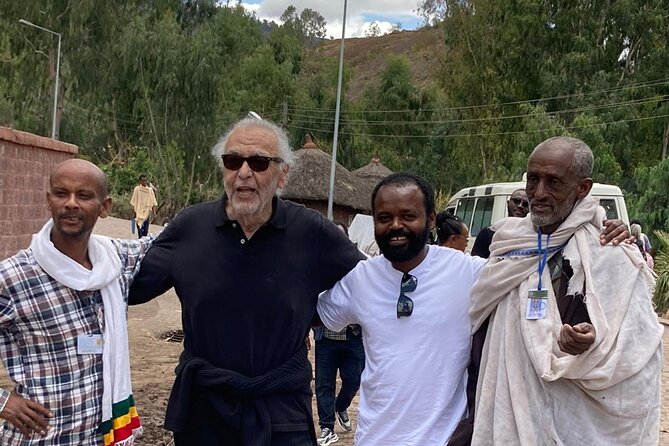
A big part of why this day tour feels more authentic is the cultural stop inside the religious site experience. You take part in a traditional Ethiopian coffee ceremony, then try local honey wine and listen to live traditional music.
This matters because it gives you a bridge between stone and daily life. The churches are built for worship, but Ethiopian culture is not locked in the past. When you share coffee and taste honey wine while music plays, the day feels more complete.
A couple of practical tips for enjoying this section:
- Go slow with honey wine if you are sensitive to alcohol or you have plans afterward, since the tour duration is long.
- Treat the coffee ceremony as a full moment, not a quick photo opportunity. When you pay attention to the process, it tends to feel like part of the tour story instead of a separate add-on.
What you get for $180: value check for a private day
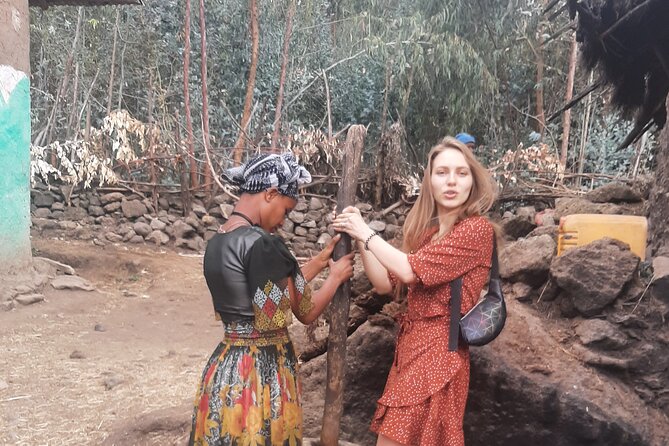
Let’s talk value honestly. $180 can feel high if you compare it to group tours, but this is a private format, with a professional English speaking guide, admission coverage, transport, water, and all fees and taxes included.
Here’s what makes that bundle make sense for many people:
- You are paying for a guide who can explain the site as you walk, not just point.
- Admission is included, so you do not have to solve ticket rules on the day.
- Air-conditioned vehicle and bottled water reduce friction for a long day.
What can reduce value for some:
- Meals are not included, so you’ll need to cover breakfast and dinner yourself.
- Tips are not included, and any camera or videography fees may not be covered.
If you are traveling as a small group, the private setup often feels like better use of money, because you’re not splitting one guide among strangers while you wait your turn.
Who this Lalibela day tour suits best
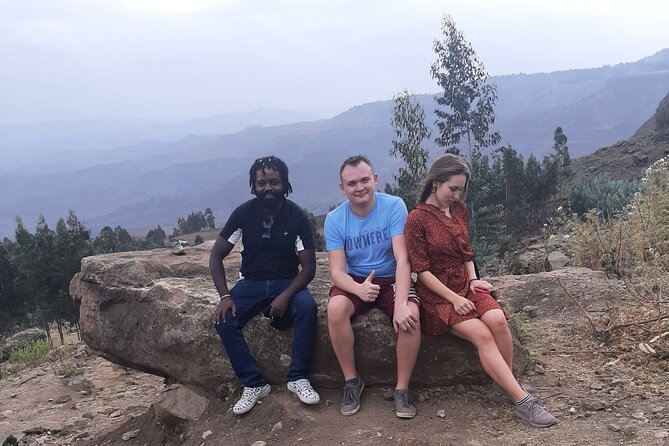
This tour is a strong match if you want:
- A private, guide-led day so you can ask questions and adjust your pace
- A focused plan that covers multiple churches and includes the tunnel experience
- A blend of sacred architecture plus Ethiopian culture, including coffee, honey wine, and live music
It may be less ideal if you:
- Prefer a short half-day with only surface sightseeing
- Cannot do underground tunnels or feel uncomfortable in darker, confined areas
- Want the tour to handle all meals and drinks automatically
Should you book the Lalibela Churches Day Tour?
I’d book it if you want more than photos of stone. The combination of UNESCO rock-hewn churches, a structured morning and afternoon circuit, and the underground connections gives you a real sense of how the site works. Add the coffee ceremony, honey wine tasting, and live traditional music, and the day feels like a proper cultural experience, not just a walking route.
I would pause and think twice if you are trying to keep costs ultra-low, you expect meals to be included, or you have concerns about underground tunnels. With those points in mind, this is the kind of tour that can turn Lalibela from a famous name into a place you actually understand.
FAQ
What time does the Lalibela churches day tour start?
The first visit begins in the morning at 8:30am. The afternoon portion starts after lunch, around 2:00pm.
How long is the Lalibela churches day tour?
Plan on about 8 to 9 hours total.
Is the tour private?
Yes. This is a private tour/activity, so only your group participates.
What is included in the $180 per person price?
Included are all fees and taxes, bottled water, an air-conditioned vehicle, an admission ticket, and a professional English speaking tour guide.
Are breakfast or dinner included?
No. Breakfast and dinner are not included, and alcoholic beverages are also not included.
What cultural activities are part of the tour?
You will take part in a traditional Ethiopian coffee ceremony. You will also try local honey wine and hear live traditional music.
Is free cancellation available?
Yes, you can cancel for a full refund up to 24 hours before the experience starts.
Are camera or videography fees included?
No. Any videography or camera fee needed is not included, so you may need to pay separately if required.
Browsing Ethiopia More Widely
- Tour 11 monolithic rock churches & museum in Lalibela & cave church with mummies
★ 5.0 · 37 reviews - Rock Churches of Lalibela Guided Tour
★ 5.0 · 27 reviews - Lalibela Rock Churches Guided Tour
★ 5.0 · 15 reviews - 2 Days 1 night tour to Lalibela Rock-hewn churches
★ 5.0 · 12 reviews - Walking tours
★ 5.0 · 11 reviews
The Rest of the Ethiopia List
- Visiting Lalibela churches
★ 5.0 · 40 reviews - Visit the rock hewn churches
★ 5.0 · 39 reviews - Tour 11 monolithic rock churches & museum in Lalibela & cave church with mummies
★ 5.0 · 37 reviews - Lalibela, Axum, Danakil and Omo Valley 8 DAYS
★ 5.0 · 29 reviews - Rock Churches of Lalibela Guided Tour
★ 5.0 · 27 reviews
Lalibela, Reviewed
- Visiting Lalibela churches
★ 5.0 · 40 reviews - Tour 11 monolithic rock churches & museum in Lalibela & cave church with mummies
★ 5.0 · 37 reviews - Lalibela, Axum, Danakil and Omo Valley 8 DAYS
★ 5.0 · 29 reviews - Rock Churches of Lalibela Guided Tour
★ 5.0 · 27 reviews - Lalibela churches , church museum & Yemrehan kirstose ( cave church)
★ 5.0 · 19 reviews
Other Ethiopia tours we have written up
Lalibela Tours, compared.
 ★ 5.012 Days SIMIEN MOUNTAIN-LALIBELA-DANAKIL-TIGRAY CHURCHESFrom $1,64145 reviews
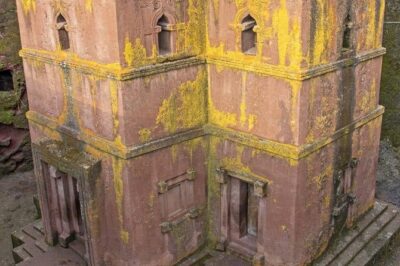 ★ 5.0Visiting Lalibela churchesFrom $20040 reviews
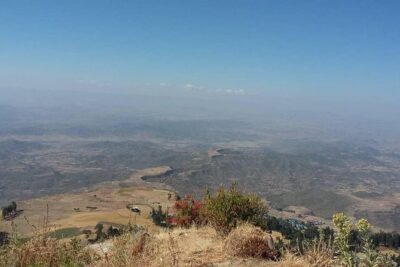 ★ 5.0Tour 11 monolithic rock churches & museum in Lalibela & cave church with mummiesFrom $35537 reviews
 ★ 5.05 DAYS Lalibela, Axum, Tigray churches and DanakilFrom $1,02534 reviews
 ★ 5.06 Days tour Package (Simien Mountains, Lalibela, and Danakil Depression)From $1,43532 reviews
 ★ 5.0Lalibela, Axum, Danakil and Omo Valley 8 DAYSFrom $2,05129 reviews
 ★ 5.0Danakil Depression and Lalibela 5 Days ToursFrom $95028 reviews
 ★ 5.0Rock Churches of Lalibela Guided TourFrom $4627 reviews
Browse the lists this tour appears in