
REVIEW · ADDIS ABABA CITY TOURS
Fully guided city tours of Addis Ababa with hotel pickup
Addis Ababa hits you fast. This guided day stitches together historic churches, high views from the Entoto Hills, and the fossil fame of the National Museum, all with a professional guide and driver. I especially liked how the day moves from spiritual history at Entoto to archaeology at the National Museum, with the guide keeping everything clear and human. I also really enjoyed finishing at Merkato, because the market is not a museum exhibit, it is the city’s daily life in motion.
The only real drawback to plan for is timing and access. The itinerary includes the Ethnological Museum at Addis Ababa University and the National Museum, but one review noted the Ethnological Museum was closed on Monday, so you should expect that not every museum visit will be guaranteed on every day.
In This Review
- Key highlights you will actually feel
- Price and what your $70 covers
- Hotel pickup, mini bus logistics, and how the day runs
- Entoto Maryam Church on the hills: Menelik II’s legacy in stone
- Entoto Hills viewpoints and the 2,900-meter feel
- Ethiopiea’s university museum: Ethnological Museum at Addis Ababa University
- National Museum of Ethiopia: Lucy and Selam
- Ethiopian city life at Merkato: Africa’s largest open-air market
- Which churches you might see: St George or Trinity
- Coffee culture and meals: what to expect and what to plan
- The guides and drivers: why names matter here
- Who this tour suits best
- Should you book this Addis Ababa city tour?
- FAQ
- What does the tour cost?
- Does the tour include hotel pickup?
- Is the tour fully guided?
- What is included in the price?
- Is lunch included?
- Is alcohol included?
- Which Entoto area is visited?
- Is the Ethnological Museum always open?
- What is the cancellation policy?
- Do I have to pay right away?
Key highlights you will actually feel
- Entoto Maryam Church on the Entoto Hills, with artifacts tied to Menelik II and Empress Taytu
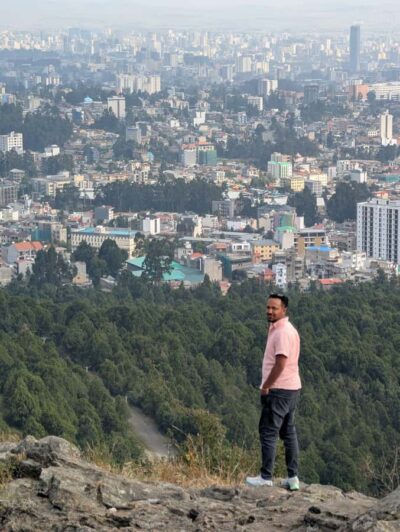
- Entoto Hills views at 2,900 meters, plus a short hike to one of the area’s higher viewpoints
- Lucy and Selam at the National Museum, including a world-famous hominid fossil and a remarkably complete child fossil
- Merkato open-air market, created during the Italian occupation in the late 1930s, with thousands of businesses
- Ethiopian coffee stop, with water included and coffee culture built into the day
- Top-notch local guiding, with names like Joseph, Abe, and George praised for making the city make sense
Comparing operators? These Ethiopia trips scored well when we went through them.
- Visiting Lalibela churches★ 5.0 · 40 reviews
- Visit the rock hewn churches★ 5.0 · 39 reviews
- Tour 11 monolithic rock churches & museum in Lalibela & cave church with mummies★ 5.0 · 37 reviews
- Lalibela, Axum, Danakil and Omo Valley 8 DAYS★ 5.0 · 29 reviews
Price and what your $70 covers
At $70 per person, this feels like a solid value for a full guided day in Addis Ababa. You are paying for more than transportation. You get a professional driver, an English-speaking guide, and entrance fees for the stops that are included in the plan.
What’s notably helpful is that the cost covers the “hard parts” you might otherwise waste time figuring out, like getting from the hotel to multiple sites efficiently in traffic, and having someone explain what you are seeing instead of guessing. You also get a bottle of water, plus Ethiopian coffee, which is a small thing that makes the day feel complete.
Just remember what is not covered. Lunch and dinner are not included, and alcohol is not included. Also, there is an entrance fee to Entoto Park that is not included. The tour specifies Entoto Hills (not Entoto Park), but it is still worth noting so you do not get surprised if you see signage for one versus the other.
Hotel pickup, mini bus logistics, and how the day runs
This is a fully guided city tour with hotel pickup, and you will start from where you are staying based on the pickup place you request. The tour ends back at the meeting point, so you do not need to plan a separate return ride.
The experience is designed around comfort and speed. The provider uses mini buses, and you will have a car with a professional driver. That matters in Addis Ababa because you are not just touring one street corner. You are crisscrossing a busy metropolitan area, and local driving skill helps.
One small practical note: you should expect a mix of walking and short climbs. The plan includes a short hike on the way up to the Entoto area. Comfortable walking shoes are a good idea even if you think the hike sounds short.
Entoto Maryam Church on the hills: Menelik II’s legacy in stone
Entoto Maryam Church is the kind of stop that makes Addis Ababa feel layered. It sits on the Entoto Hills, and it is described as one of the oldest Ethiopian Orthodox Tewahedo churches, built in 1877 by Emperor Menelik II.
What I like about this church is the way the setting supports the story. You are already traveling uphill to a high vantage point, and the church gives you a spiritual and historical anchor. The architecture is traditional Ethiopian Orthodox style, with octagonal domes that visually separate it from generic “church photos.”
Inside, the focus is not just on decoration. You are shown collections tied to royal history, including the crowns of Menelik II and Empress Taytu, ceremonial garments, their royal bed, and even a mirror reportedly gifted to the Empress by Queen Victoria.
If you are interested in why Ethiopian Orthodoxy has such a strong sense of continuity, this stop does a good job. The guide helps connect the objects to the broader history, and that makes the artifacts feel less like random displays.
Entoto Hills viewpoints and the 2,900-meter feel
Right after the church, you get time in the Entoto Hills at about 2,900 meters above sea level. The tour calls out that this is the Entoto Hills (not Entoto Park), and that is worth keeping in mind if you have seen other Entoto-related tours.
This area carries history and spiritual significance because it was once the capital before the city moved to its current location. You feel that in the stop order. It is not “one church photo then leave.” You build upward and then look out, so the city’s scale becomes visible.
You will also do a short hiking segment to one of the higher spots in the area. It is not described as a long trek, but altitude and sun can still affect you. Bring water, and if you are sensitive to elevation, pace yourself on the climb.
Other guided departures
Ethiopiea’s university museum: Ethnological Museum at Addis Ababa University
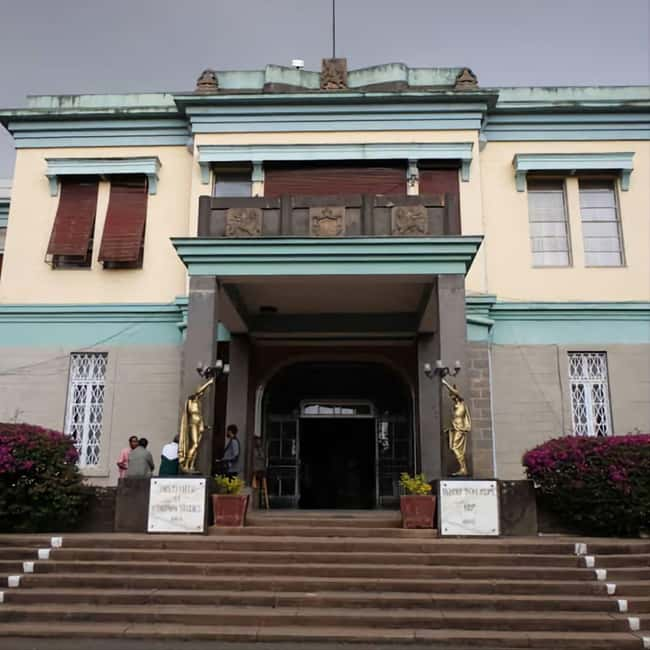
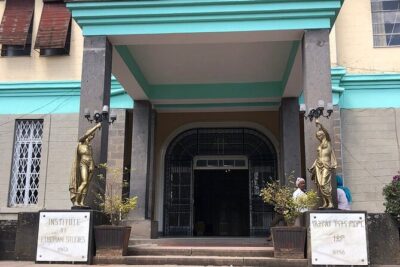
The itinerary includes the Ethnological Museum, located on the main campus of Addis Ababa University. It is housed in the former palace of Emperor Haile Selassie, which instantly gives the museum extra meaning. You are not just walking through exhibits, you are in a building tied to a specific era of Ethiopian leadership.
The museum is recognized as the first university museum in Ethiopia, and the exhibits cover anthropology, music, and traditional life. That mix matters. Addis Ababa is not only about grand monuments. It is also about the everyday cultural threads that connect different communities.
One caution based on the way this tour can play out on different days: a review noted the Ethnological Museum was closed on Monday. If you are going on a Monday and you really want that stop, I would keep a little flexibility in your expectations.
National Museum of Ethiopia: Lucy and Selam
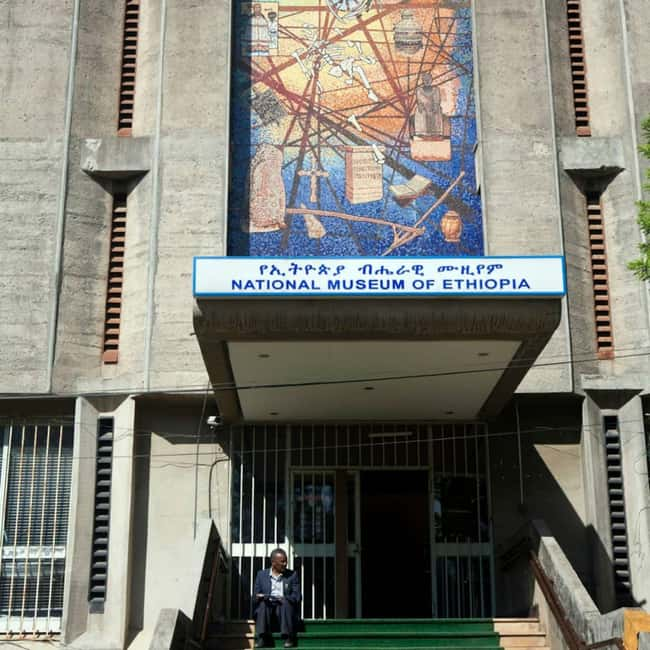
The National Museum of Ethiopia is the star for many visitors, and for good reason. It is described as one of the most important museums in sub-Saharan Africa, focused on Ethiopia’s archaeological heritage.
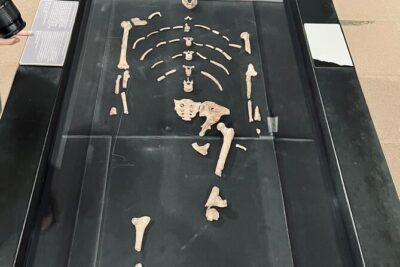
This is where you see Lucy, the world-famous fossil remains of Australopithecus afarensis. You will also see Selam, a remarkably complete child hominid fossil estimated at 3.3 million years old.
I like this stop because it gives you context for Ethiopia’s place in human history. You are not reading it off a panel. You are standing in a museum space that treats the fossils with the seriousness they deserve, and your guide can connect the significance back to Ethiopia more broadly.
If you prefer museums where the guide talks clearly and keeps the flow tight, this is a good match. Several guides on similar days are praised for explaining things in plain language, including history and geography, not just reciting facts.
Ethiopian city life at Merkato: Africa’s largest open-air market
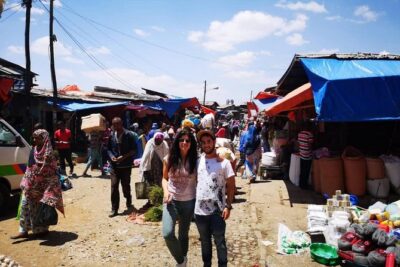
Merkato is the ending that changes your whole mood. The plan calls it Africa’s largest open-air market, and it gives you the background that makes the market make sense.
Merkato was established during the Italian occupation in the late 1930s. It spans several square miles and hosts over 7,000 businesses. That scale matters because you are not shopping in a neat grid. You are walking into a living system that includes spices, textiles, handmade crafts, and electronics.
This stop is also where you learn how to travel with your eyes open. For me, markets are about sensory flow and choices. For you, it means giving yourself time and staying realistic about what you can carry.
If you want souvenirs, this is a strong place to do it. If you do not plan to buy much, it is still worth going because the market helps you see Addis Ababa beyond the museums.
Do expect noise, crowding, and bargaining energy. Your guide can help you keep things manageable, and a professional driver keeps the overall day moving.
Which churches you might see: St George or Trinity
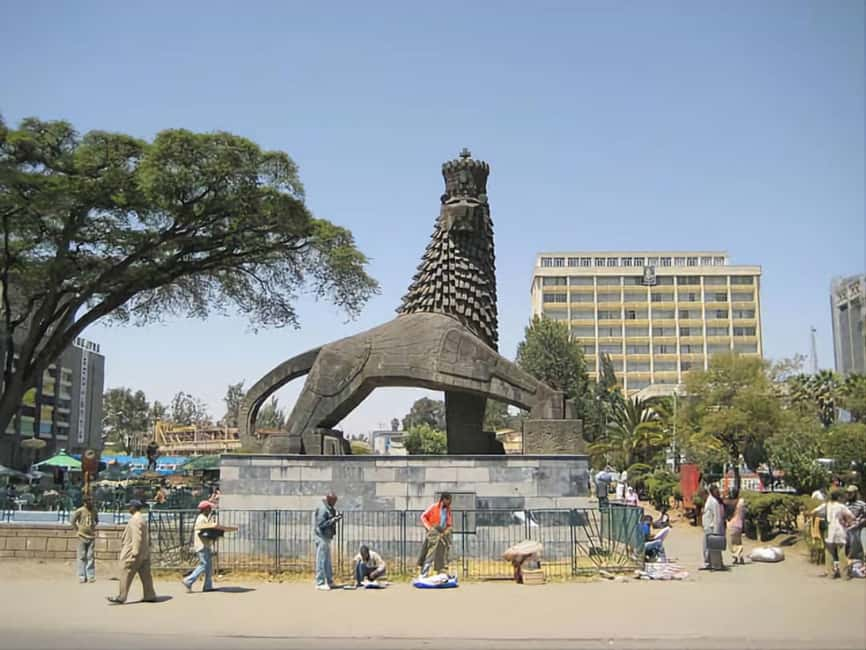
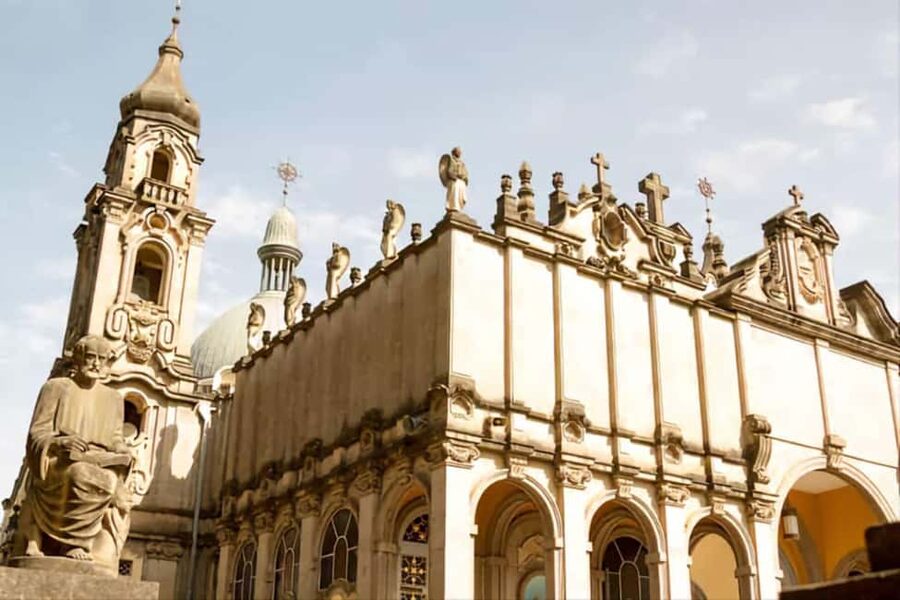
The highlights mention visiting one of the historical churches of St George or Trinity. The key idea is that you are getting Ethiopian Orthodox culture and history built into the day, not just a museum-heavy agenda.
Because the specific church is not locked in the details you provided, I would treat this as a flexible church component. Either way, the goal is the same: see heritage spaces connected to Ethiopia’s Orthodox tradition and the city’s deep religious roots.
Coffee culture and meals: what to expect and what to plan
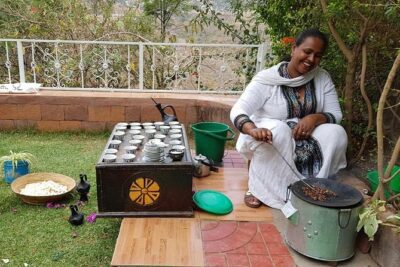
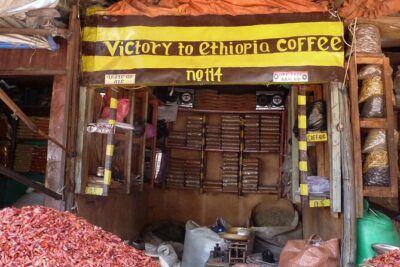
Ethiopian coffee is included, and it fits the day perfectly. After museums and market walking, coffee feels like a reset button. You will have water included too, which helps you pace the day if you are doing the hike and market together.
Some days include more than the coffee stop. Reviews mention a local lunch and even an Ethiopian home-cooked meal with coffee ceremony after. I would treat that as something your guide might arrange depending on the day and timing, but it is supported by the way certain days are described.
What you should plan for is simple: lunch and dinner are not included in the base list. If you are prone to getting hungry between stops, eat earlier in the day and keep a snack handy as a backup.
The guides and drivers: why names matter here
This tour gets consistently strong feedback for people, not just places. You will have an English-speaking guide, and the driving support is praised too.
Joseph is specifically highlighted as a guide who explains a lot during the trip, with strong historical and cultural context. George is praised for driving in heavy, chaotic roads, making the day feel less stressful.
Abe also gets a big mention for encyclopedic knowledge, from Ethiopian history to geography and even tree and plant wildlife, plus good communication for a solo visitor.
If you care about understanding what you are seeing, this is the biggest differentiator. Addis Ababa can feel overwhelming if you are only watching. With guides like Joseph, Abe, and drivers like George, you are more likely to leave with mental maps, not just photos.
Who this tour suits best
This works especially well if you want a guided best-of Addis Ababa day without building your own route. It is also a good fit if you like a mix of churches, museum stops, and one hands-on “reality check” experience at Merkato.
You may want to consider a different option if you hate walking, or if you want guaranteed long museum time at specific sites regardless of the day of the week. The plan includes the Ethnological Museum, but it can be closed on certain days.
If you are traveling solo, or you like clear explanations as you go, this tour style tends to fit well. Reviews mention solo comfort with the guides and a sense of being in good hands.
Should you book this Addis Ababa city tour?
I would book it if you want a practical, guided way to see Addis Ababa’s main layers in one day: Entoto Maryam and the hills, Lucy and Selam, and the energy of Merkato, with Ethiopian coffee finishing things off.
I would hesitate only if your schedule is extremely rigid around museum opening days, especially if you specifically need the Ethnological Museum. Also, if you dislike crowds and noise, Merkato may be intense, though your guide can help you pace it.
If you show up with comfortable shoes and a flexible mindset for altitude, churches, museums, and market life, this tour gives you real value for your money. At $70, you are paying for the thinking and guidance as much as the transport, and that is where this day earns its high marks.
FAQ
What does the tour cost?
The price listed is $70 per person.
Does the tour include hotel pickup?
Yes. The tour includes pickup of all guests based on the requested places, and it returns you back to the meeting point.
Is the tour fully guided?
Yes. It is fully guided with an English-speaking professional guide, plus a professional driver.
What is included in the price?
Included items are a car with a professional driver, an English speaking guide, all entrances fee, bottle of water, and Ethiopian coffee.
Is lunch included?
No. Lunch and dinner are not included.
Is alcohol included?
No. Any alcohol drinks are not included.
Which Entoto area is visited?
The tour highlights Entoto Hills, not Entoto Park. Entrance fee to Entoto Park is not included.
Is the Ethnological Museum always open?
The plan includes a visit to the Ethnological Museum, but it is possible for it to be closed on some days. You should keep some flexibility in your expectations.
What is the cancellation policy?
Cancel up to 24 hours in advance for a full refund.
Do I have to pay right away?
You can reserve and pay later, meaning you can book your spot and pay nothing today.
Browsing Ethiopia More Widely
- Tour 11 monolithic rock churches & museum in Lalibela & cave church with mummies
★ 5.0 · 37 reviews - Rock Churches of Lalibela Guided Tour
★ 5.0 · 27 reviews - Lalibela Rock Churches Guided Tour
★ 5.0 · 15 reviews - 2 Days 1 night tour to Lalibela Rock-hewn churches
★ 5.0 · 12 reviews - Walking tours
★ 5.0 · 11 reviews
The Rest of the Ethiopia List
- Visiting Lalibela churches
★ 5.0 · 40 reviews - Visit the rock hewn churches
★ 5.0 · 39 reviews - Tour 11 monolithic rock churches & museum in Lalibela & cave church with mummies
★ 5.0 · 37 reviews - Lalibela, Axum, Danakil and Omo Valley 8 DAYS
★ 5.0 · 29 reviews - Rock Churches of Lalibela Guided Tour
★ 5.0 · 27 reviews
Other Ethiopia tours we have written up
Addis Ababa City Tours, compared.
 ★ 5.0Full Day Tour of Addis Ababa with Hotel Pickup and Drop-offFrom $69430 reviews
 ★ 5.0Addis Ababa Guided City Tour With Airport & Hotel Pick UpFrom $55237 reviews
 ★ 5.0Full-Day Private City Tour of Addis AbabaFrom $160147 reviews
 ★ 5.0Addis Ababa Authentic Private City TourFrom $75134 reviews
 ★ 4.9Authentic Addis Ababa City Tour with a Local GuideFrom $67109 reviews
 ★ 5.0Prepare for the Best Day Tour in Addis AbabaFrom $90104 reviews
 ★ 5.0Hidden Treasures of Addis Ababa – Food, Culture and History TourFrom $7557 reviews
 ★ 5.0Addis Ababa Guided City ToursFrom $10057 reviews
Browse the lists this tour appears in