
REVIEW · ADDIS ABABA CITY TOURS
Addis Ababa Guided City Tours
Addis Ababa becomes easy in one guided day. This private 8-hour loop pulls together top landmarks with a real sense of how they connect, plus hotel pickup and a comfortable air-conditioned vehicle to keep the day moving. I love that the guide, often named Ashu from past bookings, explains what you’re seeing in plain language rather than just pointing.
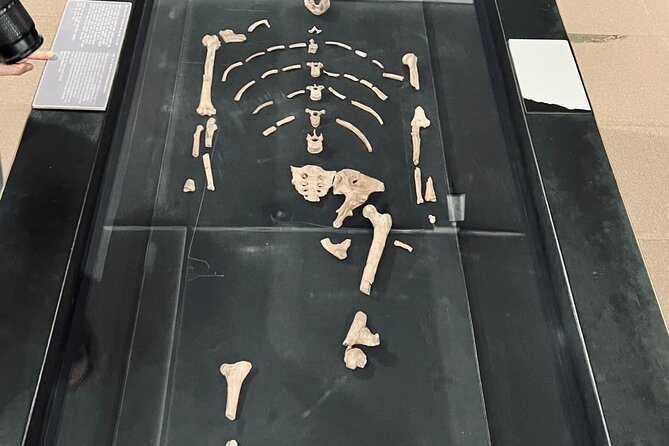
Two things I love most are the stop at the National Museum for Lucy, locally known as Dinknesh, and the time at Mercato Market, where you get a front-row view of daily life and the art of bartering. One consideration: you’ll have limited time at each major site, so you’ll want to stay flexible, especially at the viewpoint stop on Mount Entoto and during the long open-air market visit.
In This Review
- Quick highlights you should know
- How this Addis Ababa tour keeps the day from feeling chaotic
- Meeting your guide and driver: why the private format matters
- National Museum of Ethiopia: Lucy and the instant context you want
- Patriots Square and the Freedom Monument: reading the city’s political memory
- Mount Entoto: a quick altitude hit and big-city views
- Mercato Market: the best place in town to practice Ethiopia’s everyday rhythm
- Yekatit 12 Monument: an obelisk that forces you to pay attention
- Meskel Square: where festivals and gatherings give Addis its pulse
- Ethnological Museum at Addis Ababa University: Ethiopia by culture, not just dates
- Trinity Cathedral and the Lion of Judah statue: symbols with strong presence
- Transportation, timing, and what to pack for an 8-hour circuit
- Coffee break and included extras: small perks that actually help
- Value check for $100 per person
- Should you book this Addis Ababa guided tour?
Quick highlights you should know

- Private guiding by Ashu (often mentioned), with friendly, professional pacing and help making the day match your interests
- Hotel pickup and drop-off, plus an air-conditioned ride between sights
- Lucy the hominid fossil at the National Museum, with Ethiopia’s big historical timeline made understandable
- Mount Entoto viewpoint break, at about 3,200 meters, for skyline photos over Addis Ababa
- Mercato Market time for real bargaining culture, in Africa’s largest open-air market
- Major memorials and landmarks, from Patriots Square and Yekatit 12 to Trinity Cathedral and the Lion of Judah
Other ways to take on the capital in a day
- Full Day Tour of Addis Ababa with Hotel Pickup and Drop-off★ 5.0 · 430 reviews
- Full-Day Private City Tour of Addis Ababa★ 5.0 · 147 reviews
- Addis Ababa Authentic Private City Tour★ 5.0 · 134 reviews
- Authentic Addis Ababa City Tour with a Local Guide★ 4.9 · 109 reviews
How this Addis Ababa tour keeps the day from feeling chaotic
Addis Ababa can be a lot, fast. This tour is built to solve that problem with a private format, pickup, and a ride that handles the constant back-and-forth between neighborhoods. You get a structured route for the city’s biggest “first visit” targets, without feeling herded.
What I like is that the plan isn’t just sightseeing. The stops are chosen so you can connect themes: deep time at the National Museum, city identity at central squares, and lived culture through museums and the market. Even the included traditional coffee is there for a practical reason, it helps you keep energy through museum time and market time.
Your biggest trade-off is time. Most stops are timed in a way that favors seeing more, not lingering forever. If you’re the type who hates moving on too quickly, go in with a relaxed mindset and focus on quality moments rather than perfect completion.
Meeting your guide and driver: why the private format matters
This is a private tour, meaning it’s only your group. That matters in Addis Ababa because you get more control over pace, questions, and how long you stay at a place. Past travelers repeatedly mention Ashu as the guide, and the pattern is consistent: friendly, professional, and tuned to what people care about.
The ride part is also not a small detail. You’re traveling between sites in a comfortable air-conditioned vehicle with a driver, and you start with pickup either from your hotel or Bole International Airport. That reduces one of the most stressful parts of planning a day in a city: figuring out transport logistics while also trying to learn your way around.
If you’re traveling solo, this kind of setup tends to feel better because you’re not negotiating the “how do I do this alone” moment at every stop. One review specifically notes feeling secure and supported, which tracks with the overall private, guided structure.
National Museum of Ethiopia: Lucy and the instant context you want

The day starts with the National Museum of Ethiopia, and you get about 2 hours there. This is a strong opener because it frames Ethiopia’s story before you start walking through monuments and squares around Addis.
The museum is famous for the hominid fossil Lucy, locally known as Dinknesh, meaning wonderful. You’ll also see a wide range of archaeological and historical artifacts, which gives you a base layer for understanding what you’re about to experience in the city. In practical terms, it helps you stop treating Addis landmarks like random photos and start noticing the connections.
If you enjoy museums, this is one of the most efficient uses of time you can have on a first trip. If you don’t love museums, don’t worry. The guide can help you focus on the key sections so you’re not just stuck reading labels for hours.
Patriots Square and the Freedom Monument: reading the city’s political memory
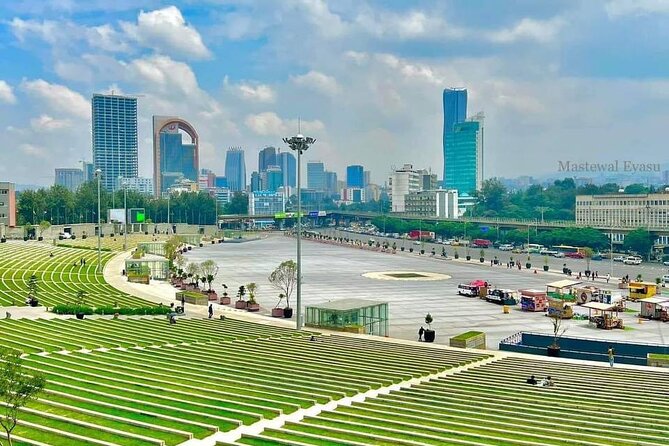
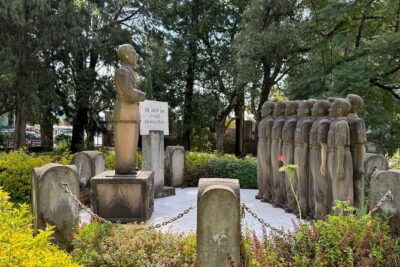
After the museum, you’ll stop at Patriots Square, where the Freedom monument sits. The official name for the day connected to this monument is Miazia 27, marking the day of liberation and the arrival of Emperor Haile Selassie I with his patriotic troops in Addis Ababa. The Freedom monument was inaugurated in 1944.
This is a useful stop even if you’re not a history nerd. Monuments like this are a shortcut to understanding what the city wants to remember, and why. In a city with layers, this helps you read the skyline and public spaces with better instincts.
One consideration here is that such locations can attract crowds, depending on the day and local events. Your guide will help you manage time and keep the day flowing.
Other guided departures

Mount Entoto: a quick altitude hit and big-city views
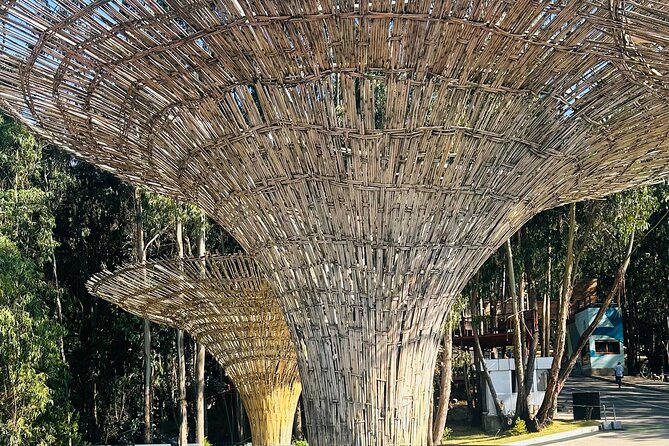
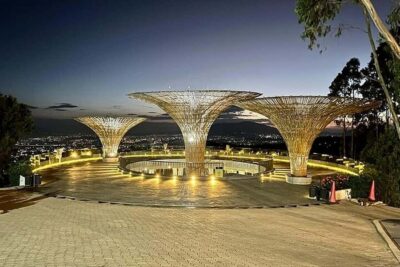
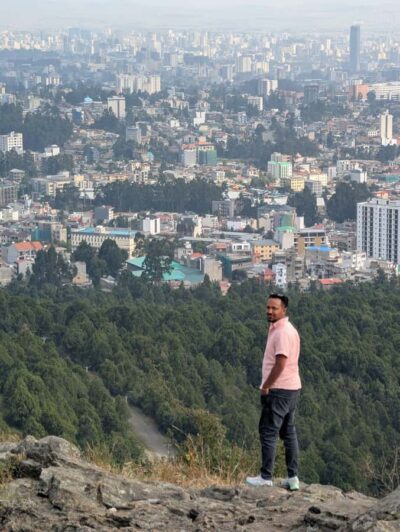
Next comes Mount Entoto, with about 30 minutes set aside for the viewpoint and a lunch break period. Mount Entoto sits at roughly 3,200 meters, and it’s the highest peak in the Addis Ababa region. It was also the site of the first palace of Menelik-II, the founder of Addis Ababa.
That mix, altitude plus history, is what makes this stop work. Even in a short time window, you can usually get the main payoff: the views down over the capital and the feeling that Addis sits inside a dramatic highland setting.
Because you’re at elevation, come prepared to feel it. Even if you’re not hiking long distances, you may want a light layer and comfortable shoes. Also, lunch is not included in the tour price, so treat this as a scheduled break where you’ll eat on your own.
Mercato Market: the best place in town to practice Ethiopia’s everyday rhythm
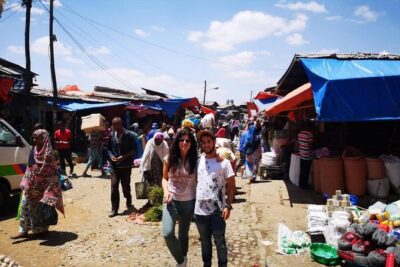
Mercato Market takes up about 2 to 3 hours, and it’s the largest open-air market in Africa. This is where the tour becomes less about monuments and more about daily life.
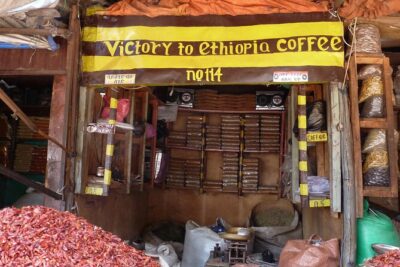
You’ll see goods from all parts of the country, and you get a chance to participate in Ethiopian tradition by negotiating a price or bartering. That’s a big part of why this stop is fun. You’re not just observing, you’re interacting in a social way.
Practical advice: go slower than you think you need to. A market this large can make time disappear. Wear something you’re comfortable moving in, and keep your expectations realistic. This is an experience, not a photo-only stop.
Also remember that lunch isn’t part of the package. If you’re hungry during or right after Mercato, plan to cover your own meal.
Yekatit 12 Monument: an obelisk that forces you to pay attention
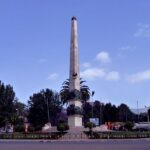
On the way through central areas, you’ll stop at Yekatit 12 Monument. It’s an obelisk commemorating the politically motivated mass killing of Ethiopians by Italians in 1937.
Stops like this can hit hard because they connect public space with real tragedy. But they also make the rest of the day more meaningful. Once you’ve seen a memorial like Yekatit 12, other landmarks stop feeling decorative and start feeling like a map of the country’s priorities and struggles.
If your group prefers a lighter tone, you can still handle this stop well by letting your guide keep it grounded and factual. You don’t have to overthink it, just take in the message and keep moving.
Meskel Square: where festivals and gatherings give Addis its pulse
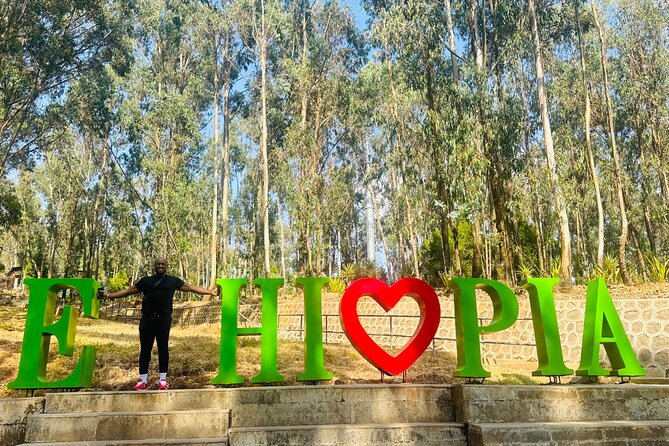
You’ll also visit Meskel Square, a public square used for gatherings and demonstrations, and a key site connected to the Meskel Festival. Meskel Square is often associated with the festival named Meskel.
This stop is valuable because it helps you understand that Addis is not only museums and statues. It’s also street life and public events. Even if you don’t catch the festival itself, the square gives you a sense of how community celebrations shape the city.
Time here is flexible in the way it feels. You’ll be able to look around and orient yourself for the rest of the day, especially if you’re the type who likes to read a city from its people places.
Ethnological Museum at Addis Ababa University: Ethiopia by culture, not just dates
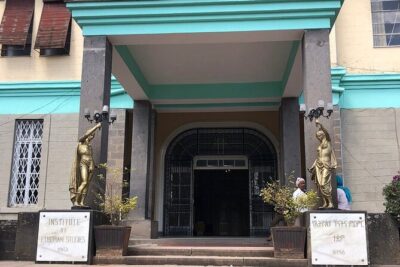
Another highlight is the Ethnological Museum on the main campus of Addis Ababa University. The museum is focused on preserving Ethiopia’s historical and cultural heritage and was founded by the Institute of Ethiopian Studies.
You’ll get an overview of history, culture, and traditions of Ethiopia’s people, with collections that describe many tribal groups. This stop is a smart counterbalance to the big national narratives you’ll hear at the museum and memorial locations.
You’ll typically spend around 1 to 2 hours here, depending on how your day is pacing. If you like understanding who people are, not just what happened, this is your payoff.
A small reality check: museum time can feel slower than monuments. If you want the day to stay energetic, ask your guide to point out the sections most likely to match your interests first.
Trinity Cathedral and the Lion of Judah statue: symbols with strong presence
You’ll finish with Trinity Cathedral (also referenced as St. George Cathedral), with about 40 minutes planned. The church has a baroque style of European architecture that is described as unique to both Ethiopia and Africa, and it’s dedicated to the Holy Trinity.
Many renowned Ethiopians are buried in the church grounds. The tombs of Emperor Haile Selassie and his wife are inside the church, which makes this a major place of national remembrance.
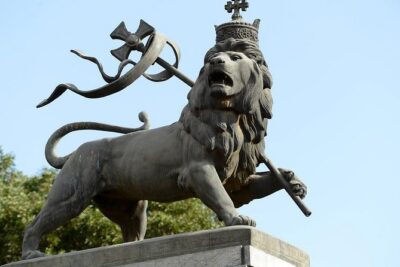
Then you’ll stop at the Lion of Judah statue, a symbol of Ethiopian emperors and Ethiopia itself. Ending with symbolic monuments is a nice move because the day comes full circle: you start with Lucy and end with emblems of identity.
If you’re serious about photos, bring your patience. Religious and ceremonial spaces can be more controlled than open streets. Let your guide direct where to stand and how to move respectfully.
Transportation, timing, and what to pack for an 8-hour circuit
This is an 8-hour tour, built around timed stops: about 2 hours at the National Museum, roughly 30 minutes at Mount Entoto, 2 to 3 hours at Mercato, 1 to 2 hours at the Ethnological Museum, and about an hour combined at Trinity Cathedral and the nearby symbol stop.
The ride is air-conditioned, and bottled water is included. You’re not left figuring out transport between sites, which makes a big difference when you’re trying to see multiple neighborhoods in one day.
What to bring:
- Comfortable walking shoes for markets and museum grounds
- A light layer for changing indoor and outdoor temperatures
- Some cash or a card for lunch and for anything you want to buy at Mercato
- Your camera, because the Mount Entoto views and central monuments are photo-friendly
Also note that you’ll receive a mobile ticket after booking, which helps you keep things simple when you’re moving around.
Coffee break and included extras: small perks that actually help
Included in the package are bottled water, coffee and/or tea, and all fees and taxes. The coffee is described as traditional Ethiopian coffee, and it’s the kind of small inclusion that pays off during a long day.
This matters because it gives you energy without the extra time cost of finding a café and ordering. It also makes the day feel more local. Ethiopia’s coffee culture isn’t just a drink, it’s part of how hospitality works.
If you’re sensitive to caffeine, you can usually choose tea since coffee and/or tea is included, but you should still confirm your preference in advance so the day starts smoothly.
Value check for $100 per person
At $100.00 per person, this tour has a clear advantage if you want to avoid ticket and logistics hunting. The day includes hotel pickup and drop-off, an air-conditioned vehicle, bottled water, coffee or tea, and admissions and fees for multiple stops.
Not included are lunch, tip for the guide and driver, and personal needs. So the real cost for most people is the base price plus whatever you spend on food and optional shopping at Mercato.
Where the value really shows is in the admissions plus time. You’re paying for a guided circuit that lines up museum stops (including National Museum), a viewpoint stop (Mount Entoto), and another major museum (Ethnological Museum), plus a church and public memorial sites. The structure makes it easier to fit everything into a single day without feeling like you’re bouncing between random locations on your own.
If you have limited time in Addis Ababa, this is the kind of value that feels worth it. If you have a full week and you want to wander slowly, you might prefer a more flexible self-guided approach. But for a first visit or a focused day, this price sits in a reasonable zone for what’s included.
Should you book this Addis Ababa guided tour?
Book it if you want a private, guided day that hits major Addis landmarks without the planning stress. It’s especially a good fit if you like history but also enjoy practical culture, like the market experience and the way the tour moves between museums, squares, and symbols.
Skip it, or at least adjust expectations, if you hate schedules and want to linger for long stretches at a single place. The route is built for coverage, so you will move on. Also budget for lunch, since it isn’t included.
If you’re coming in for a first-time look at Addis Ababa and you want a guide who can help you connect the dots, this tour is a smart call.
Browsing Ethiopia More Widely
- Full Day Tour of Addis Ababa with Hotel Pickup and Drop-off
★ 5.0 · 430 reviews - Addis Ababa: Debre Libanos, Blue Nile Gorge, and Cave Tour
★ 4.5 · 256 reviews - Addis Ababa Guided City Tour With Airport & Hotel Pick Up
★ 5.0 · 237 reviews - Breathtaking Nature, Wildlife and Cave Church Tour – Free Pickups
★ 5.0 · 225 reviews - Full-Day Private City Tour of Addis Ababa
★ 5.0 · 147 reviews
The Rest of the Ethiopia List
- Full Day Tour of Addis Ababa with Hotel Pickup and Drop-off
★ 5.0 · 430 reviews - Taste of Ethiopia
★ 5.0 · 406 reviews - Day Trip From Addis Ababa See Historical Monastery,Stunning Nature,Animals,Birds
★ 5.0 · 303 reviews - Addis Ababa: Debre Libanos, Blue Nile Gorge, and Cave Tour
★ 4.5 · 256 reviews - Addis Ababa Guided City Tour With Airport & Hotel Pick Up
★ 5.0 · 237 reviews
Addis Ababa, More Ways Round It
- Full Day Tour of Addis Ababa with Hotel Pickup and Drop-off
★ 5.0 · 430 reviews - Addis Ababa Guided City Tour With Airport & Hotel Pick Up
★ 5.0 · 237 reviews - Full-Day Private City Tour of Addis Ababa
★ 5.0 · 147 reviews - Addis Ababa Authentic Private City Tour
★ 5.0 · 134 reviews - Authentic Addis Ababa City Tour with a Local Guide
★ 4.9 · 109 reviews
Other Ethiopia tours we have written up


Addis Ababa City Tours, compared.
 ★ 5.0Full Day Tour of Addis Ababa with Hotel Pickup and Drop-offFrom $69430 reviews
 ★ 5.0Addis Ababa Guided City Tour With Airport & Hotel Pick UpFrom $55237 reviews
 ★ 5.0Full-Day Private City Tour of Addis AbabaFrom $160147 reviews
 ★ 5.0Addis Ababa Authentic Private City TourFrom $75134 reviews
 ★ 4.9Authentic Addis Ababa City Tour with a Local GuideFrom $67109 reviews
 ★ 5.0Prepare for the Best Day Tour in Addis AbabaFrom $90104 reviews
 ★ 5.0Hidden Treasures of Addis Ababa – Food, Culture and History TourFrom $7557 reviews
 ★ 5.0The Best way to Discover Addis AbabaFrom $8555 reviews
Browse the lists this tour appears in