
REVIEW · ADDIS ABABA CITY TOURS
The Best way to Discover Addis Ababa
One day can give you a fast, real sense of Addis Ababa. This private tour strings together Mount Entoto, the Merkato market, the National Museum’s Lucy, and major churches and museums into one efficient route, with admissions handled for key stops. I especially like the hotel pickup and drop-off and the fact that attraction admission fees are included. One thing to consider, Merkato is busy and loud, so go in with comfortable shoes and a calm head.
If you only have a day, you will end up seeing far more than a scattershot self-guided plan. A good guide also matters here, because Addis has layers, and the tour helps you connect what you see to the meaning behind it, from Menelik II’s connection at Entoto to the Tabot story tied to Saint George’s Cathedral. The day is packed, so it is not a slow stroll.
In This Review
- Quick take: what makes this Addis Ababa day tour work
- Why this Addis Ababa highlights route is a smart use of time
- Hotel pickup, private transport, and the little perks that matter
- Mount Entoto: the viewpoint with Menelik II history attached
- Merkato Market: how to handle the biggest market without losing your mind
- National Museum of Ethiopia and Lucy: why this stop anchors the day
- Saint George’s Cathedral: faith, the Tabot, and the Battle of Adwa story
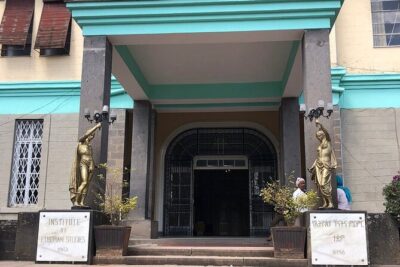
- Ethnological Museum in Haile Selassie’s former palace
- Tiglachin Memorial, Winston Churchill Street, and Tewodros Square
- Lunch at Piazza and the optional Tomoca coffee break
- Price and value: what $85 really buys you
- What to pack and how to pace yourself on a packed day
- Who this tour suits best
- Should you book this private Addis Ababa highlights tour?
Quick take: what makes this Addis Ababa day tour work
- Mount Entoto in the morning for a viewpoint and the royal backstory of Menelik II
- Merkato with a guide’s context, including what people sell and how the recycling market works
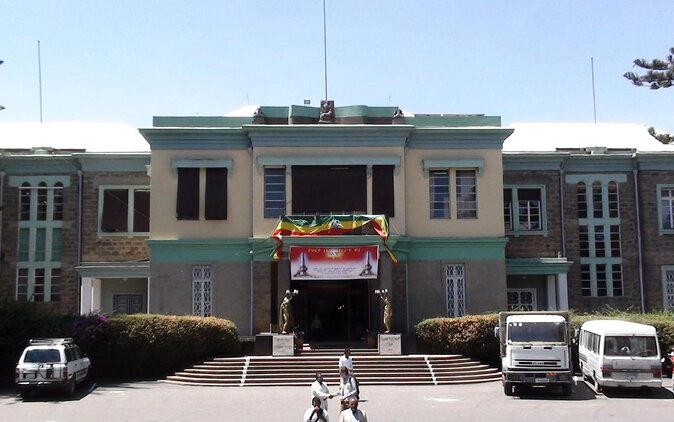
- National Museum of Ethiopia plus Lucy, with time for artifacts, Ethiopian art, weapons, jewelry, clothing, and instruments
- Saint George’s Cathedral, built around the Tabot and the Battle of Adwa victory story
- Ethnological Museum in Haile Selassie’s former palace, where you connect everyday objects to Ethiopia’s ethnic diversity
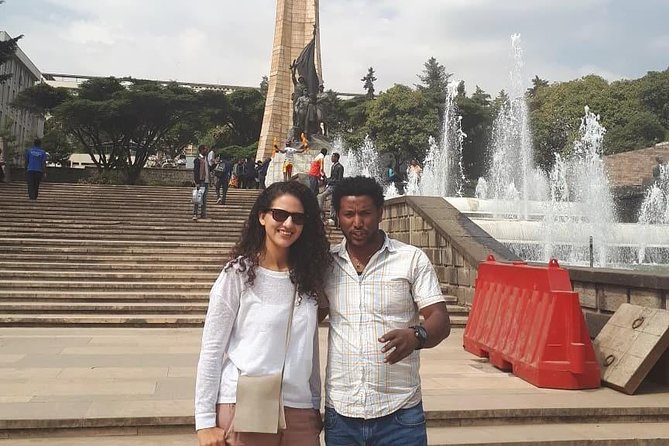
- Tiglachin Memorial and Tewodros Square, including notable statues and an ancient cannon in the square
Other ways to take on the capital in a day
- Full Day Tour of Addis Ababa with Hotel Pickup and Drop-off★ 5.0 · 430 reviews
- Full-Day Private City Tour of Addis Ababa★ 5.0 · 147 reviews
- Addis Ababa Authentic Private City Tour★ 5.0 · 134 reviews
- Authentic Addis Ababa City Tour with a Local Guide★ 4.9 · 109 reviews
Why this Addis Ababa highlights route is a smart use of time
This is built for one-day reality. Addis Ababa has a lot going on, and travel time between sites can eat your hours fast. Here, you get a private, air-conditioned vehicle plan that strings together the big-name sights plus a few less obvious stops like the Ethnological Museum and the Tiglachin area.
The itinerary also makes sense as a flow. You start up high at Mount Entoto, where the city feels bigger and your bearings reset. Then you drop into street level at Merkato, then shift into museums, then finish with monuments and a few political or historical waypoints. The shape of the day helps you process the city instead of just collecting photos.
Hotel pickup, private transport, and the little perks that matter
This tour includes round-trip hotel transfers, plus travel in an air-conditioned vehicle. That matters in Addis because time and comfort both affect how much you can enjoy each stop. When you are not trying to figure out rides, you can focus on the places.
You also get a few small included items that keep the day from feeling like pure logistics:
- bottled water and a banana
- coffee and/or tea during the experience
- admission fees for listed attractions
- a mobile ticket
From the reviews you can sense a theme: the guides and drivers make the day feel organized and safe. People specifically praise guides such as Beki for explaining culture and history in a way that clicks, and for adjusting the day to what you want to emphasize. That matters most when your time is limited.
Mount Entoto: the viewpoint with Menelik II history attached
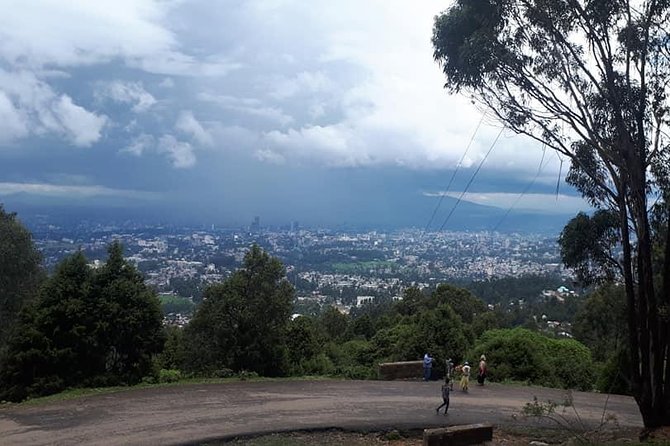
Mount Entoto is the first stop, and that is a smart move. You get roughly one hour here, enough time to take in the views and absorb why this place shows up in Addis’s story.
The tour frames it with a direct historical link: Mount Entoto served as Menelik II’s capital before Addis Ababa was founded. Even if you are not a history nerd, that context changes how you look at the skyline. It is not just a scenic stop, it is a reminder that Addis grew from decisions made in this region.
Practical note: since it is a viewpoint, go ready for changing weather and bring something for cool air if it feels chilly. Also, plan your photos early. If you wait until the end of the hour, you might feel rushed.
Merkato Market: how to handle the biggest market without losing your mind
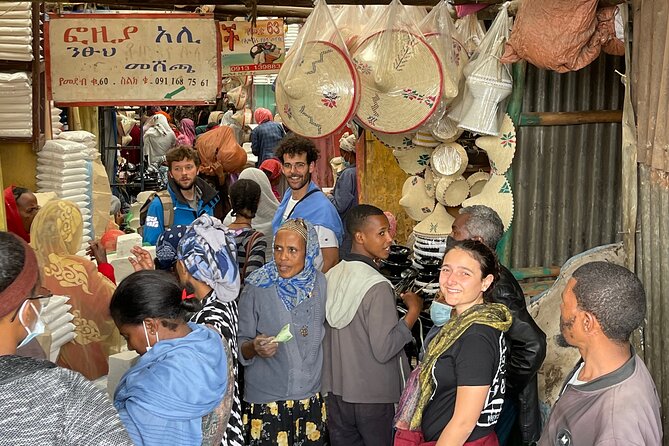
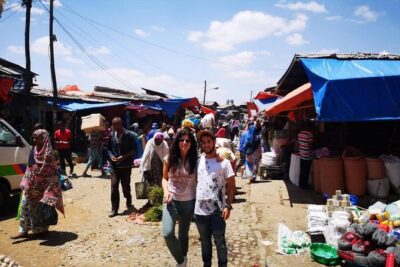
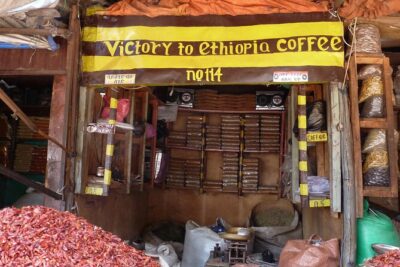
Merkato is the heart-thump of Addis. The tour gives you about one hour there, and it also comes with guidance on what you are actually looking at. Merkato is described as the largest shopping area in Addis, and some say the largest market in Africa. Either way, it is huge enough that you can feel swallowed if you walk in blind.
What I like about this approach is the focus on meaning, not just browsing. You do not just see stalls. You get help understanding what is for sale and what it is used for, from spices and incense to clothing, jewelry, music, movies, appliances, and handicrafts. The market also includes chat, food and drink, and lots of everyday supplies. That range makes it a window into daily life, not only tourism shopping.
Then there is one especially interesting angle: the recycling market, where items are transformed into something new. The tour includes time to see how scrap materials get reworked into products ready for a new life. It is one of those stops that makes you rethink what you would normally call waste.
One possible drawback is the energy level. Merkato is crowded, and it moves fast. You will want to keep your attention on your guide and your belongings, and avoid treating it like a calm museum stroll.
National Museum of Ethiopia and Lucy: why this stop anchors the day
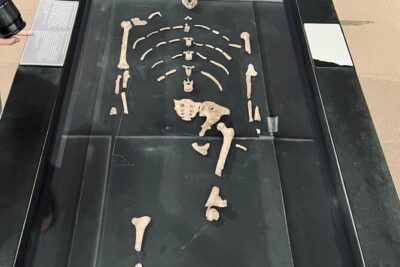
Next comes the National Museum of Ethiopia, and the headline here is Lucy. The tour includes an admission ticket and about one hour inside.
This is not only a single-photo moment. The museum visit is described as a tour that covers archaeological artifacts discovered in Ethiopia, plus Ethiopian artwork, traditional weapons, jewelry, clothing, and musical instruments. That blend is useful because it helps you see Ethiopia’s deep past and its lived culture in the same building.
Lucy often draws people in, but what makes this museum stop valuable for a one-day tour is the wider context. If you only had ten minutes, you would miss the way the collection connects prehistory, craftsmanship, and identity.
Practical tip: museums are your chance to slow down after Merkato. Use the hour to look, not just rush. If you care about photography, ask your guide how to best time it within the flow of the exhibits.
Saint George’s Cathedral: faith, the Tabot, and the Battle of Adwa story
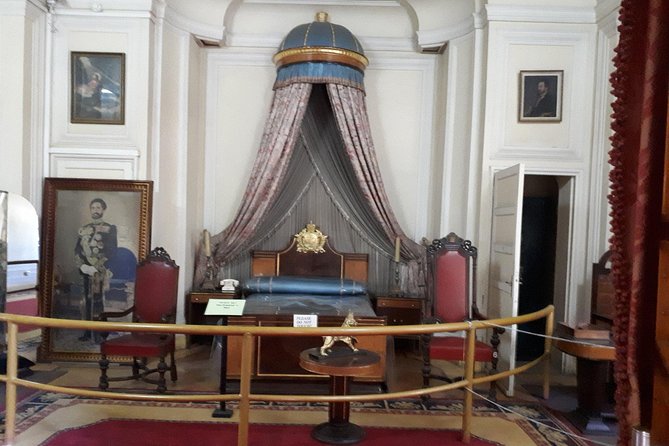
Saint George’s Cathedral is one of the major spiritual and historical anchors on this route. The tour includes admission and about one hour here.
The key story the tour shares is tied to the Tabot, described as the Ark of the church. According to the tour framing, the Tabot was carried to the Battle of Adwa against the Italians, when Ethiopians secured victory. The cathedral is named after St. George, tying the religious identity to a very specific national memory.
What I like about including this stop is the way it adds depth to the day’s museum-and-market contrast. After talking about artifacts and everyday life at other points, you get a place that is both religious and historically charged.
One consideration: cathedral visits can involve rules about where you stand and how you dress. If you prefer a smooth visit, dress in a way that feels respectful and comfortable, and follow your guide’s lead.
Ethnological Museum in Haile Selassie’s former palace

The Ethnological Museum is a strong pairing with the National Museum stop. It is located on the campus of Addis Ababa University and housed in Haile Selassie’s former palace, and the tour includes admission for an about one hour visit.
This museum helps you understand Ethiopia beyond a list of landmarks. Instead, it focuses on artifacts and daily objects, musical instruments, and visual art pieces linked to many of the country’s diverse ethnic groups. If you want your day to feel coherent, this is where the pieces start connecting: how different communities dress, make music, and express everyday life.
I also like the setting. Seeing an ethnological collection in a former palace adds an extra layer, because it reminds you that these objects are not just displays. They represent ways of living.
If you find museums tiring, this is still a manageable hour because it is organized around objects and categories you can relate to what you have already seen in the city.
Tiglachin Memorial, Winston Churchill Street, and Tewodros Square
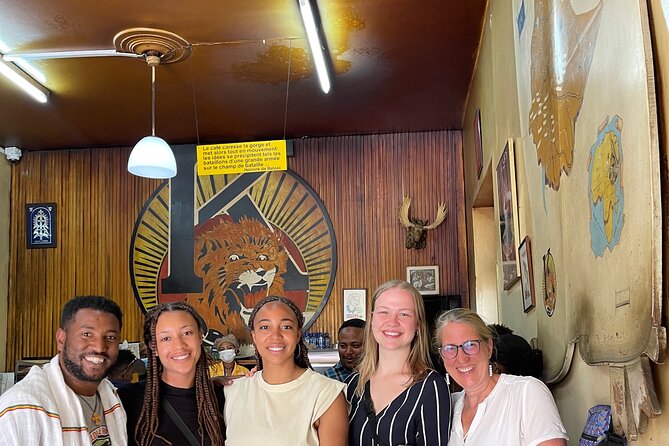
This part of the day shifts you toward public monuments and place-based history. The tour includes sightseeing of:
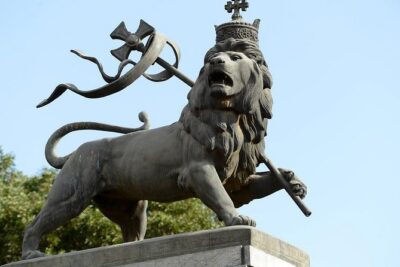
- the Tiglachin Monument, also called Our Struggle Monument
- famous statues and the Loin of Judah
- streets such as Winston Churchill
- Legehare train station
- and Tewodros Square area
At Tewodros Square, the tour notes that it carries the name of Emperor Tewodros II, and that there is an ancient cannon in the middle of the square standing as a monument to him.
This segment is shorter than the museums, but it matters. Museums explain, markets show daily life, and memorial spaces tell you what a city chooses to remember in public. If you want your Addis Ababa day to feel more than sightseeing, these stops help.
Lunch at Piazza and the optional Tomoca coffee break
Lunch is included as a plan, but not as cost. The tour states lunch will be at an Addis Ababa cultural restaurant in Piazza. The good news is you will not be hunting for a place while you are already on the move.
That said, lunch is not included in the tour price, and alcohol is not included either. So budget for lunch separately.
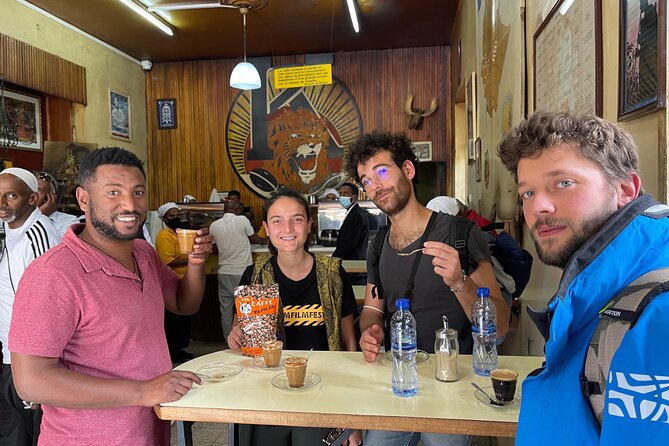
There is also an optional add-on if you want coffee culture: a stop at Tomoca coffee is possible, with about 40 minutes allocated, and the admission ticket for that stop is included. If coffee is your thing, this is a nice chance to slow down without adding complexity.
Price and value: what $85 really buys you
The price is $85.00 per person for a day that typically runs 6 to 8 hours. At first glance, it may not seem like a bargain if you only think in terms of sightseeing time. But this tour includes several high-value elements:
- Hotel pickup and drop-off, which saves time and reduces risk
- Air-conditioned private transport, which makes long stretches tolerable
- Admission fees included for the main attractions listed
- Bottled water and a banana, plus coffee and/or tea
What is not included is lunch and alcoholic beverages. So you should think of this as paying for a guided, admission-supported day, then budgeting extra for your meal.
For me, the best value part is the way the tour turns scattered sites into one continuous story. If you tried to plan it yourself, you would spend hours coordinating transport and managing entry fees. Here, the day is already stitched together.
What to pack and how to pace yourself on a packed day
Because the tour is built for a lot of stops, your preparation affects comfort:
- Wear comfortable walking shoes for Merkato and museum floors
- Bring something for sun and heat, especially around the market time
- Keep a light layer for changing indoor and outdoor temperatures
- Bring patience for crowds, Merkato is not calm, it is alive
- Keep your valuables secure, not because it is unsafe, but because big markets are active
Also, if you have preferences, say them early. This is a private tour, so the whole point is flexibility and personal attention from your guide.
Who this tour suits best
This tour is especially good if:
- you have only one day in Addis Ababa and want the main highlights
- you prefer a guide who can explain what you are seeing, from Lucy to cathedrals to monuments
- you want private transportation rather than public transit
- you like museum time but also want to experience daily city life at Merkato
It may feel like a lot if you want long, slow stays at each site. Still, because each stop is timed around an hour, it stays manageable.
Should you book this private Addis Ababa highlights tour?
If your goal is a high-impact day with minimal hassle, I think this is a strong choice. The biggest reasons are simple: private pickup and transport, admissions included for key sites, and a route that balances history, religion, markets, and culture.
Book it if you want your time in Addis to feel structured, with context you can carry into the rest of your trip. Skip it if you already know you want deep, unhurried time in just one or two places, because this day is designed to cover a lot.
The Rest of the Ethiopia List
- Full Day Tour of Addis Ababa with Hotel Pickup and Drop-off
★ 5.0 · 430 reviews - Taste of Ethiopia
★ 5.0 · 406 reviews - Day Trip From Addis Ababa See Historical Monastery,Stunning Nature,Animals,Birds
★ 5.0 · 303 reviews - Addis Ababa: Debre Libanos, Blue Nile Gorge, and Cave Tour
★ 4.5 · 256 reviews - Addis Ababa Guided City Tour With Airport & Hotel Pick Up
★ 5.0 · 237 reviews
Addis Ababa, More Ways Round It
- Full Day Tour of Addis Ababa with Hotel Pickup and Drop-off
★ 5.0 · 430 reviews - Addis Ababa Guided City Tour With Airport & Hotel Pick Up
★ 5.0 · 237 reviews - Full-Day Private City Tour of Addis Ababa
★ 5.0 · 147 reviews - Addis Ababa Authentic Private City Tour
★ 5.0 · 134 reviews - Authentic Addis Ababa City Tour with a Local Guide
★ 4.9 · 109 reviews
Other Ethiopia tours we have written up



Addis Ababa City Tours, compared.
 ★ 5.0Full Day Tour of Addis Ababa with Hotel Pickup and Drop-offFrom $69430 reviews
 ★ 5.0Addis Ababa Guided City Tour With Airport & Hotel Pick UpFrom $55237 reviews
 ★ 5.0Full-Day Private City Tour of Addis AbabaFrom $160147 reviews
 ★ 5.0Addis Ababa Authentic Private City TourFrom $75134 reviews
 ★ 4.9Authentic Addis Ababa City Tour with a Local GuideFrom $67109 reviews
 ★ 5.0Prepare for the Best Day Tour in Addis AbabaFrom $90104 reviews
 ★ 5.0Addis Ababa Guided City ToursFrom $10057 reviews
 ★ 5.0Hidden Treasures of Addis Ababa – Food, Culture and History TourFrom $7557 reviews
Browse the lists this tour appears in