
REVIEW · ADDIS ABABA CITY TOURS
Addis Ababa: Guided Expedition through Ethiopia’s Capital
Addis Ababa hits fast. In one day you get Lucy at the National Museum, the coffee ceremony side of daily life, and city views from Mount Entoto without feeling like you need a PhD to read the signs. I especially like how the stops blend big landmark moments with real street-level Addis, including time in Merkato, the famous open-air market.
One thing to keep in mind is altitude. This tour is not suitable for people with altitude sickness, and Addis can feel high, especially if you are sensitive.
In This Review
- Key things to know before you go
- First stop: meet your guide and get oriented
- National Museum and Lucy: Ethiopia in one powerful stop
- Holy Trinity Cathedral: sacred architecture and real artifacts
- Local artisans and handcrafts: what people make with their hands
- Merkato: Africa’s largest open-air market, with a guide
- Tomoca-style coffee stops and Ethiopian coffee ceremony
- Beata LeMariam and other church time, if the day allows
- Mount Entoto: panoramic city views to close the day
- Transportation and timing: what you get for $50 per person
- What is included, and what you will still pay for
- Rules and restrictions to plan around
- Who this tour is best for
- Should you book this Addis Ababa guided expedition?
- FAQ
- What is the price of this tour?
- What locations are included in the tour?
- Is transportation included?
- Are entrance fees included?
- Is coffee included?
- Is bottled water included?
- What is not included in the tour price?
- What language is the tour offered in?
- Is this tour suitable for people with altitude sickness?
- Are there any important restrictions?
Key things to know before you go
- Lucy and Ethiopian timelines: National Museum connects fossil finds with the longer story of Ethiopia.
- Church art you can actually see: Holy Trinity Cathedral is famous for its religious artifacts and architecture.
- Merkato without getting lost: You get structure in one of Africa’s largest open-air markets.
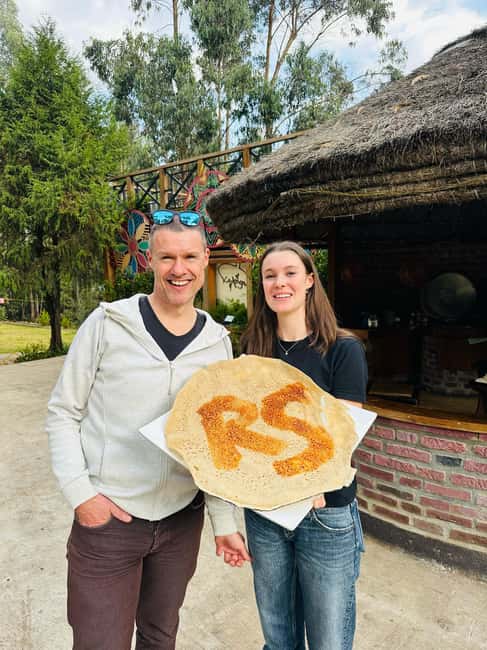
- Coffee ceremony, not just a drink: You learn the role of coffee in Ethiopian culture and taste it fresh.
- Mount Entoto for the skyline view: You end with panoramic cityscapes from a higher vantage point.
Other ways to take on the capital in a day
- Full Day Tour of Addis Ababa with Hotel Pickup and Drop-off★ 5.0 · 430 reviews
- Full-Day Private City Tour of Addis Ababa★ 5.0 · 147 reviews
- Addis Ababa Authentic Private City Tour★ 5.0 · 134 reviews
- Authentic Addis Ababa City Tour with a Local Guide★ 4.9 · 109 reviews
First stop: meet your guide and get oriented
The tour starts with a meet-and-greet at a set meeting point, with a local guide ready to explain what you are seeing and why it matters. This matters in Addis Ababa because the city moves fast, and without context, you can miss the story behind the scenes.
In the group, you usually feel the pace is controlled, not rushed. Guides who lead this route, including names like Joe, Mike, and Kasseye, are repeatedly praised for answering questions and keeping the day organized. A supervisor named Yoki also gets mentioned as someone who helps things run smoothly and keeps everyone comfortable.
Practical tip: ask your guide what to watch for at each stop. You will get more out of church paintings, museum rooms, and market browsing when you know what detail matters.
National Museum and Lucy: Ethiopia in one powerful stop

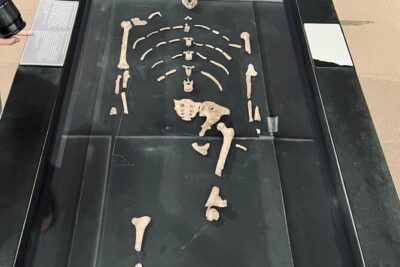
The National Museum is where the day earns its wow factor. You will visit the museum that houses the famous fossil known as Lucy, a centerpiece for understanding Ethiopia’s role in human origins.
What I like about starting here is the timeline effect. Once you see Lucy and hear the explanation, the rest of the day feels less like random sightseeing and more like Ethiopian geography plus Ethiopian time. It is a strong anchor point for first-time visitors, especially if you only have a short layover or limited days.
A balanced note: museums take a steady pace. If you do not enjoy museums, you might want to plan for a slightly slower rhythm afterward, because this stop can be emotionally and mentally intense.
Holy Trinity Cathedral: sacred architecture and real artifacts
Next you head to Holy Trinity Cathedral, another landmark you want to see in person instead of through photos. The cathedral is known for ancient religious architecture and for the religious artifacts inside, giving you a deeper sense of Ethiopia’s spiritual and artistic traditions.
I like this stop because it changes the tone of the day. After the museum, you shift into lived culture, where symbolism, design, and ritual atmosphere matter. If you take a minute to look closely at details, you will start to understand why these sacred sites are so central to Ethiopian identity.
Possible drawback: church visits can involve standing, walking inside, and sometimes crowds. Wear comfortable shoes and keep your camera ready, but do not rush the room. Let the guide point out what to notice.
Local artisans and handcrafts: what people make with their hands
A good Addis day should include more than monuments. This tour includes time to visit local artisans and craftsmen, where you can see traditional crafts in the works, including handwoven textiles and intricate jewelry.
This is valuable for two reasons. First, you get a direct look at process, not just products. Second, it helps you avoid the usual souvenir trap, where you buy something without knowing what style it represents or how it is made.
A practical note: handcraft shops can turn into shopping pressure fast in some countries. Here, the structure of a guide-led visit is useful, because you can ask questions about what you are seeing and browse at your own speed.
Other guided departures

Merkato: Africa’s largest open-air market, with a guide
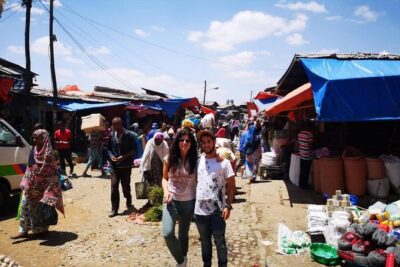
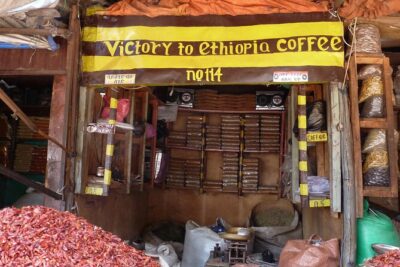
Then comes Merkato, described as Africa’s largest open-air market. This is not a neat, curated place. It is crowded, loud, and full of movement, which is exactly why a guided approach helps.
You will navigate busy lanes where you can find everything from spices to handmade crafts. I love that Merkato feels like a working city, not a staged tourist zone, and the guide can translate what you are seeing so you do not just walk through chaos.
One consideration: Merkato is intense. If you get overwhelmed in busy markets, tell your guide early. You can still enjoy it, but you might need slower walking and frequent pauses.
Tomoca-style coffee stops and Ethiopian coffee ceremony
Coffee is a big deal in Ethiopia, and this tour treats it as culture, not caffeine. You get a traditional Ethiopian coffee ceremony where you learn about the significance of coffee and taste the freshly brewed result.
This is also where the day gets human and warm. In real experiences described by guests, guides such as Joe and Mike often take people to both a traditional coffee shop and a more modern spot, and some days include coffee with small bites like Ethiopian pastries.
If you have dietary preferences, ask early what will be served. The tour includes cultural coffee, but the exact pairings are not spelled out in the main info you are given, so it is smart to confirm what to expect.
Small practical tip: coffee ceremonies can be warm indoors, and you might sit for a bit. Bring water with you, and remember you also get bottled water during the tour.
Beata LeMariam and other church time, if the day allows
Beyond Holy Trinity Cathedral, some routes may add additional church visits. For example, one guest specifically mentioned Beata LeMariam church being a perfect addition alongside other highlights.
Treat this as a bonus possibility, not a guarantee, because the core plan already includes Holy Trinity. Still, it is a good sign when your guide is flexible enough to fit in meaningful stops, especially on layovers.
Mount Entoto: panoramic city views to close the day
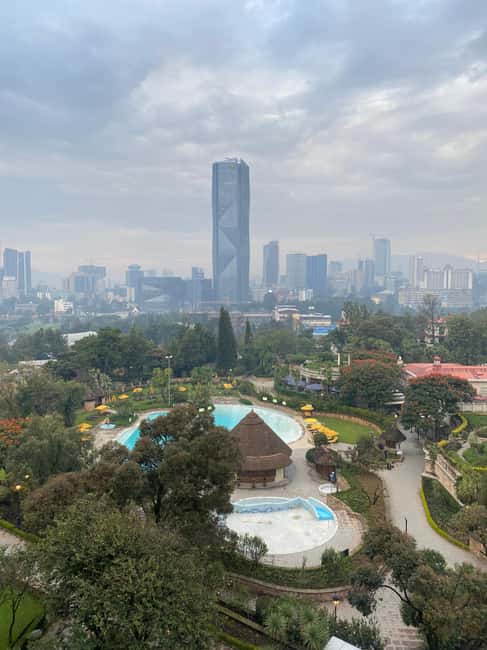
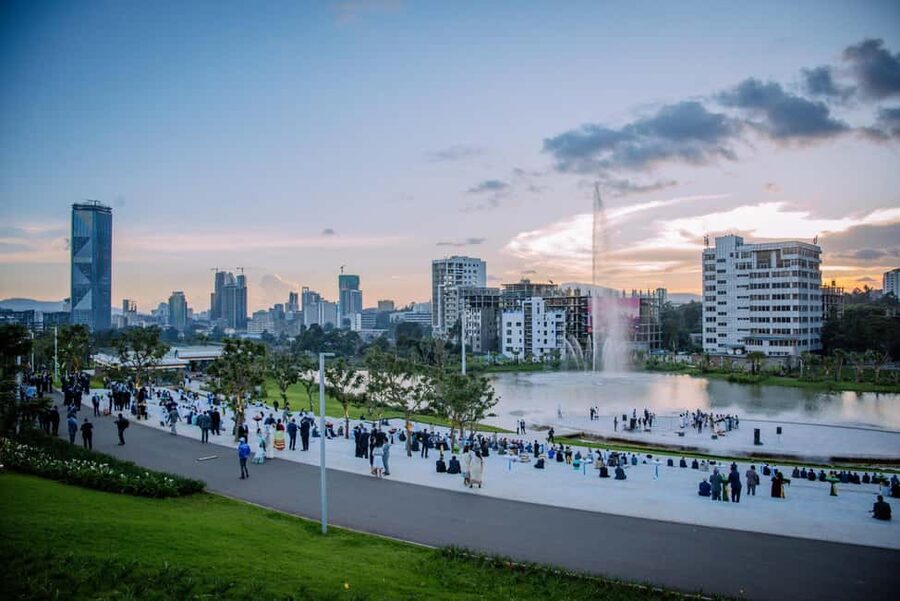
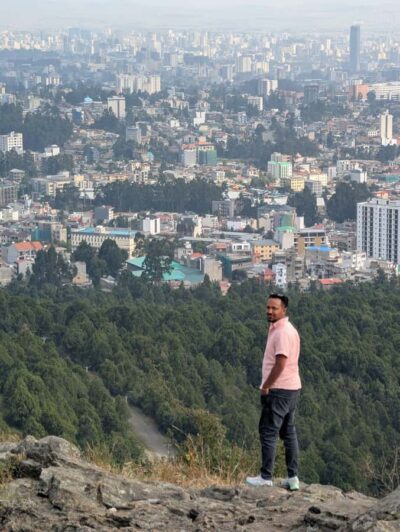
Finally you head to Mount Entoto for panoramic views over Addis Ababa. This stop works like a mental reset. After museums, markets, and churches, you get a wide angle view that helps the city click into place.
I like endings like this because it turns your day into a story you can remember. You can look down at the sprawl, sense the elevation, and connect what you learned earlier to how the city is built and arranged.
Possible drawback: the view depends on weather. If it is cloudy or rainy, expect less clarity. If rain rolls in, guides have handled it in practical ways, including grabbing an umbrella for a guest so photos could still happen.
Transportation and timing: what you get for $50 per person
This tour is priced at $50 per person. For that cost, you get more than just sightseeing. Included are comfortable transportation between sites, all entrance fees for the included attractions, bottled water, and a professional guide who shares history, culture, and local anecdotes.
That is the value equation: you are paying for time-saving logistics plus explanation. In a place where signage and local context can be tricky, a guide can be the difference between a checklist day and a meaningful first look.
The price also tends to make sense for short stays. If you have an afternoon or a layover, this is a compact way to hit multiple major parts of Addis Ababa in one managed day.
What is included, and what you will still pay for
Included in the tour:
- Transportation to move between locations
- All entrance fees to included sites
- Bottled water
- Cultural coffee (coffee ceremony experience)
- A professional guide with in-depth insights
Not included:
- Personal expenses, including souvenirs and extra snacks beyond what is provided
- Optional activities not part of the main itinerary
- Travel insurance
- International or domestic flights to and from Addis Ababa
- Accommodation
- Any meals not specified
- Personal transportation
My practical advice: carry some cash for small purchases, especially if you plan to browse Merkato or artisan shops. Even if you do not plan to buy much, having a little flexibility helps.
Rules and restrictions to plan around
A few rules are part of the tour format:
- Intoxication, alcohol, and drugs are not allowed
- Explosive substances are not allowed
- Military-style clothing is not allowed
Also, the tour has suitability limits:
- Not suitable for people with altitude sickness
- Not suitable for babies under 1 year
- Not suitable for people over 70 years
If any of these apply to you, you should rethink the plan. Altitude and mobility matter more here than in flatter cities.
Who this tour is best for
This experience is a strong fit if you want:
- A guided, high-impact introduction to Addis Ababa
- A mix of major landmarks and everyday culture
- Coffee culture as part of the trip, not an afterthought
- A plan that works well when your time is short
It is less ideal if you:
- Have altitude issues
- Prefer long unstructured wandering without guidance
- Have limited patience for museum time or crowded markets
If you are traveling solo, you may appreciate the structure. Several guest experiences describe feeling looked after and guided throughout the day.
Should you book this Addis Ababa guided expedition?
I think you should book it if you want a one-day orientation that connects the dots. For $50, the value is in transportation, entrance fees, bottled water, and a guide who explains what you are seeing, including the big Lucy moment and the coffee ceremony culture.
Pass or consider an alternative if altitude is a concern for you, or if you want more time at fewer places. Merkato is not for everyone, but with a guide-led route and pacing, you can still get the feel without being overwhelmed.
If you are planning a short stay, this is the kind of day that helps you understand Addis fast, and it leaves you with memories you can actually interpret.
FAQ
What is the price of this tour?
The price is $50 per person.
What locations are included in the tour?
The tour includes the National Museum with Lucy, Holy Trinity Cathedral, time with local artisans, Merkato market, an Ethiopian coffee ceremony experience, and panoramic views from Mount Entoto.
Is transportation included?
Yes. The tour includes transportation to navigate between locations.
Are entrance fees included?
Yes. All entrance fees for included attractions are covered.
Is coffee included?
Yes. The tour includes cultural coffee, including a traditional Ethiopian coffee ceremony.
Is bottled water included?
Yes. Bottled water is included throughout the tour.
What is not included in the tour price?
Personal expenses such as souvenirs and extra snacks are not included, along with optional activities, travel insurance, flights, and accommodation. Meals not specified in the itinerary and personal transportation are also not included.
What language is the tour offered in?
The tour is offered in English.
Is this tour suitable for people with altitude sickness?
No. It is not suitable for people with altitude sickness.
Are there any important restrictions?
Alcohol and drugs are not allowed, explosive substances are not allowed, and military-style clothing is not allowed.
With an Ethiopian Guide Throughout
- Addis Ababa Guided City Tour With Airport & Hotel Pick Up
★ 5.0 · 237 reviews - Authentic Addis Ababa City Tour with a Local Guide
★ 4.9 · 109 reviews - Addis Ababa Guided City Tours
★ 5.0 · 57 reviews - Addis Ababa: City Highlights Guided Tour with Entry Tickets
★ 4.8 · 19 reviews - Private Half Day Guided tour in Addis Ababa New Flower
★ 5.0 · 16 reviews
The Rest of the Ethiopia List
- Full Day Tour of Addis Ababa with Hotel Pickup and Drop-off
★ 5.0 · 430 reviews - Taste of Ethiopia
★ 5.0 · 406 reviews - Day Trip From Addis Ababa See Historical Monastery,Stunning Nature,Animals,Birds
★ 5.0 · 303 reviews - Addis Ababa: Debre Libanos, Blue Nile Gorge, and Cave Tour
★ 4.5 · 256 reviews - Addis Ababa Guided City Tour With Airport & Hotel Pick Up
★ 5.0 · 237 reviews
Addis Ababa, More Ways Round It
- Full Day Tour of Addis Ababa with Hotel Pickup and Drop-off
★ 5.0 · 430 reviews - Addis Ababa Guided City Tour With Airport & Hotel Pick Up
★ 5.0 · 237 reviews - Full-Day Private City Tour of Addis Ababa
★ 5.0 · 147 reviews - Addis Ababa Authentic Private City Tour
★ 5.0 · 134 reviews - Authentic Addis Ababa City Tour with a Local Guide
★ 4.9 · 109 reviews
Other Ethiopia tours we have written up


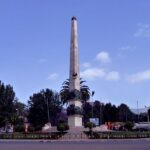
Addis Ababa City Tours, compared.
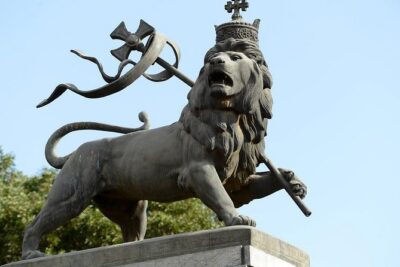 ★ 5.0Full Day Tour of Addis Ababa with Hotel Pickup and Drop-offFrom $69430 reviews
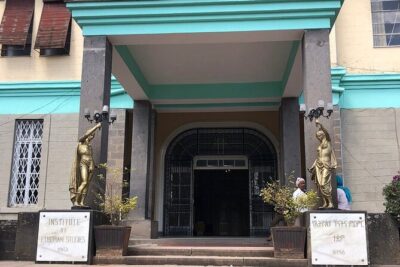 ★ 5.0Addis Ababa Guided City Tour With Airport & Hotel Pick UpFrom $55237 reviews
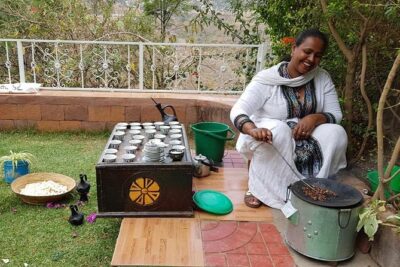 ★ 5.0Full-Day Private City Tour of Addis AbabaFrom $160147 reviews
 ★ 5.0Addis Ababa Authentic Private City TourFrom $75134 reviews
 ★ 4.9Authentic Addis Ababa City Tour with a Local GuideFrom $67109 reviews
 ★ 5.0Prepare for the Best Day Tour in Addis AbabaFrom $90104 reviews
 ★ 5.0Hidden Treasures of Addis Ababa – Food, Culture and History TourFrom $7557 reviews
 ★ 5.0Addis Ababa Guided City ToursFrom $10057 reviews
Browse the lists this tour appears in