
REVIEW · DANAKIL DEPRESSION & ERTA ALE
From Semera: Danakil Depression 3-Day Tour
The ground here feels like another planet. I love the Erta Ale crater hike and the chance to swim and float in the salty lakes of the Danakil Depression. One consideration: this trip is physically serious and mentally demanding, so if you have a weak heart or you are not confident with long, rough days, you should think twice.
I also like that the small stuff is handled for you. You get a live English guide, 4×4 transport, camping setup with mattress and clean bedsheets, and meals with unlimited water, plus dietary options like halal, kosher, vegetarian, and vegan.
If you want the best photos, timing matters here. Day 2 is built around moving toward Lake Asale for sunset and camel caravans, and Day 3 brings the odd, colorful feel of Dallol plus sulfuric acid ponds.
In This Review
- Key points to know before you go
- Danakil and Erta Ale: why this trip pulls you in
- From Semera to Afdera: the first taste of salt and distance
- Erta Ale Base Camp to the crater walk: what the hike really means
- Lake Asale sunset, camel caravans, and Hamedela nights
- Dallol Depression: hot springs, sulfur ponds, and color that feels unreal
- Meals, water, camping gear, and how comfort affects the whole trip
- What to pack for Danakil: shoes, pants, and the passport rule
- Price and logistics: is $450 a fair deal?
- Who should book, and who should think twice
- Should you book the Danakil Depression 3-Day from Semera?
Key points to know before you go
- Erta Ale hike, with a night camp close enough to feel the volcano in your day
- Lake Afdera swim and float, including time in a highly saline basin about 100 meters below sea level
- Sunset at Lake Asale plus salt-carrying camel caravans
- Dallol’s geothermal visuals, including colorful hot springs and sulfuric acid ponds
- Traditional salt excavation you can actually see, not just read about
- Meals and water included, with camping comfort items like mattresses and clean bedsheets
Other ways into the Danakil
- From Semera: Danakil Depression 3-Day Tour★ 4.3 · 10 reviews
- 3 Days Desert Adventure: Discover Danakil’s Hidden Wonders!★ 4.7 · 5 reviews
Danakil and Erta Ale: why this trip pulls you in
The Danakil Depression in Ethiopia’s Afar Region is not your typical “wow, pretty” destination. It is extreme, remote, and raw, which is exactly why people make the effort to come. When you see the ground, colors, and activity around Erta Ale, it feels less like sightseeing and more like witnessing a living natural process.
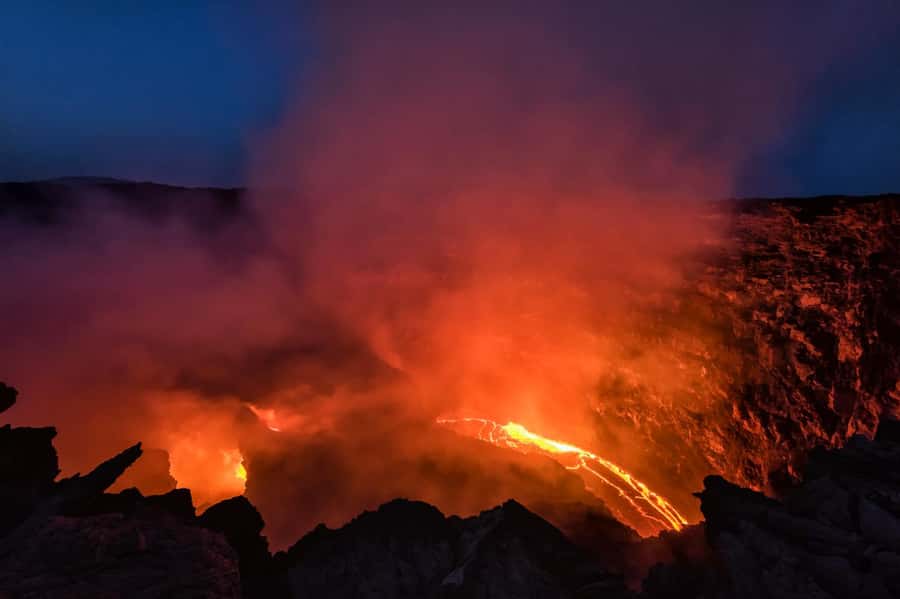
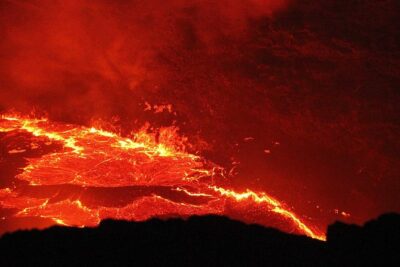
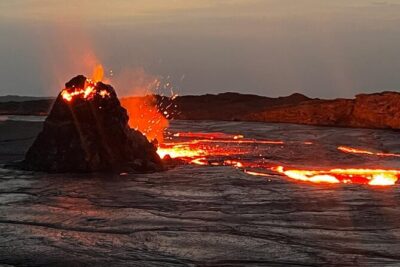
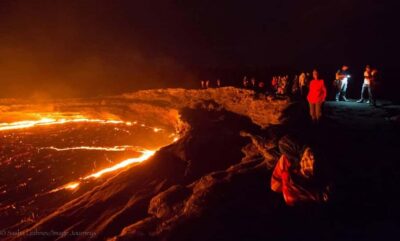
The core hook is Erta Ale. This tour is built around hiking to the volcano’s base camp area and spending time near the crater during the day, then camping nearby so the experience stretches across more than one moment. In one recent run, a traveler described walking on six-month-old lava, which gives you a sense of how close you can get to the real, changing surface.
Second, the salt lakes are not a side quest. Lake Afdera is highly saline, and the tour gives you real time for a swim and a float in a basin around 100 meters below sea level. That alone breaks up the dust-and-rock rhythm with something body-friendly, even if it is still a bit surreal to float in water that feels nothing like home.
From Semera to Afdera: the first taste of salt and distance
Your tour starts with pickup from Semera Airport, then a long drive toward Erta Ale with a key stop along the way. You will stop in Afdera for lunch, and that is where you get the chance to swim and float in the area near the Salt Lake. It is a great early balance, because you are not only traveling, you are also arriving.
Afdera is attractive because it gives you a first-hand feel for the “salt world” you came for. The water is highly saline, and the effect is more practical than it sounds: your body stays buoyant even when you are not trying. Expect this to feel odd at first, then strangely fun, like you have found a weird natural pool with its own rules.
The logistics here matter more than people realize. After lunch, the drive continues to Erta Ale Base Camp at a relaxed pace, so you have time to adjust before camping. That makes Day 1 less like a race and more like an introduction, which helps if you are not used to long, bumpy off-road days.
Erta Ale Base Camp to the crater walk: what the hike really means
On Day 2, you start from Erta Ale Base Camp at 8:30 AM. You will have time out on the route and then spend the day moving toward Hamedela, arriving by around 4:00 PM before overnight camping. The crater-time part is the big moment, and the tour is designed to position you well for visibility and light.
This is also the day that separates “adventure fun” from “hard work.” A review included a blunt reminder: weak hearted people should not go, and you should be physically and mentally fit. That is not scare talk for drama. Erta Ale and the surrounding approach are rugged, and you will be on foot in a harsh environment.
If you like active travel, this is where you get it. In one write-up, the traveler emphasized reaching early and walking on very recent lava, then pairing that with breakfast by a salty lake and later watching sunrise. I can’t promise those exact timing details for every group, but it shows the pattern: this trip is set up to put you in the right place for early light and real crater approach.
Even if you do not consider yourself a “volcano person,” you will likely appreciate how much the guide helps you read what you are seeing. A traveler credited their guide Phili and driver Addis with keeping things organized, professional, and easy to follow. When the terrain is alien, clarity helps a lot.
Lake Asale sunset, camel caravans, and Hamedela nights
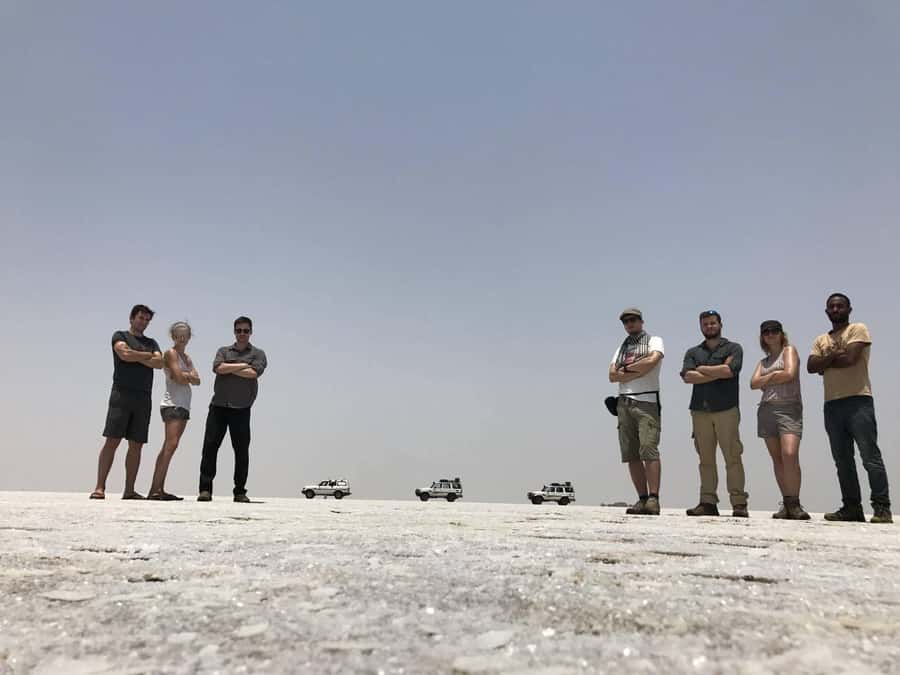
Later on Day 2, you head from Hamedela toward Lake Asale salt flats to enjoy sunset. You are not only looking at the salt surface, you are watching the working side of the region: camel caravans transporting salt. That makes the scene feel grounded instead of staged.
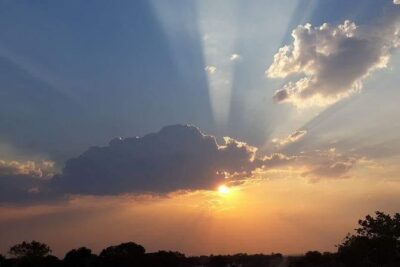
Sunset at salt flats is also a practical photographer’s gift. The sky changes fast, and the ground tones shift with every minute. If you want to capture the contrast between people moving across the flats and the flat, pale expanse, you will appreciate the schedule built around that light.
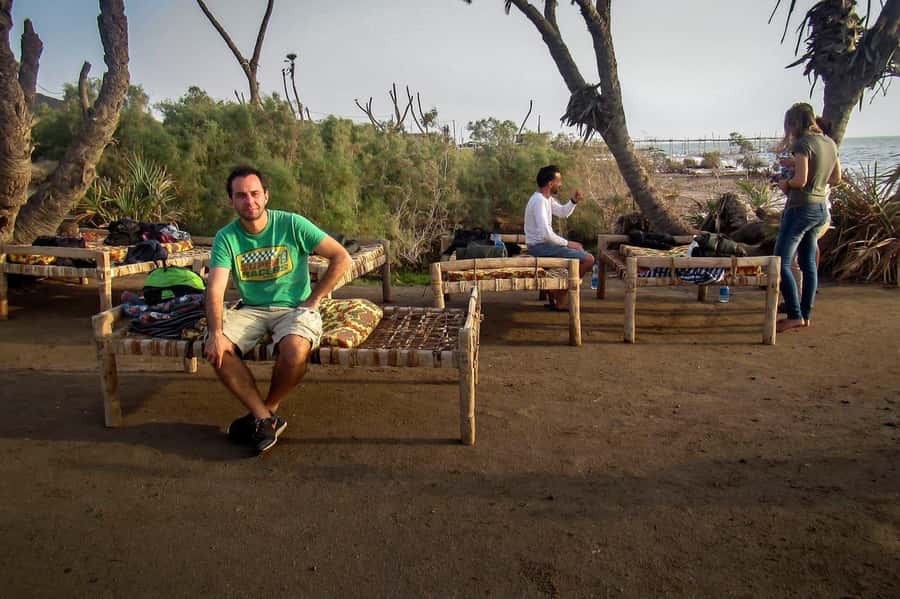
Overnight camping in Hamedela continues the “remote but planned” feel. You are out of a vehicle most of the time, and that means your day is slower in a physical way, not a slow tour pace way. Having the camping gear and mattress, plus clean bedsheets, makes this kind of night survivable.
And yes, the food and water matter again. With breakfast, lunch, and dinner included along with unlimited water, you do not have to keep solving logistics mid-trip. That is one of the ways this tour earns its price.
Dallol Depression: hot springs, sulfur ponds, and color that feels unreal
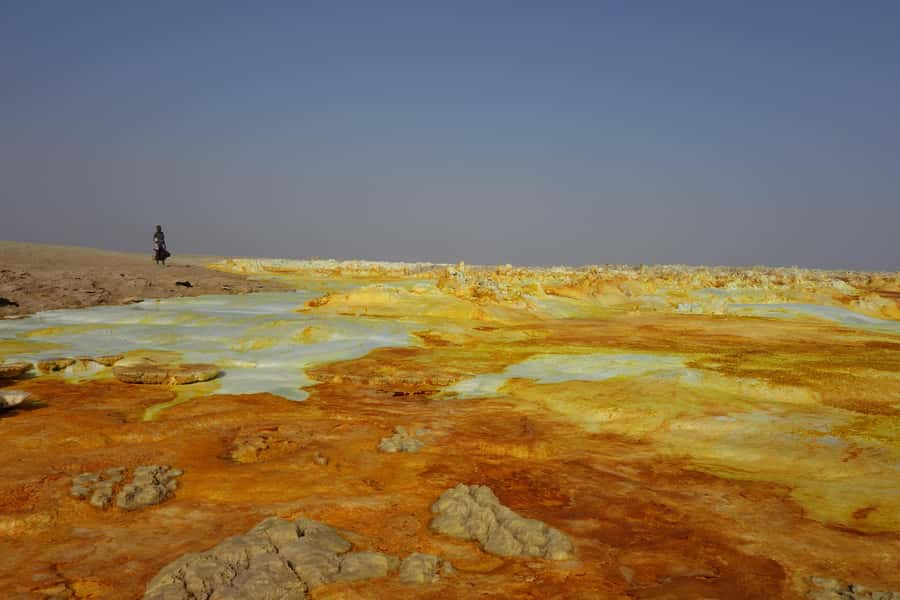
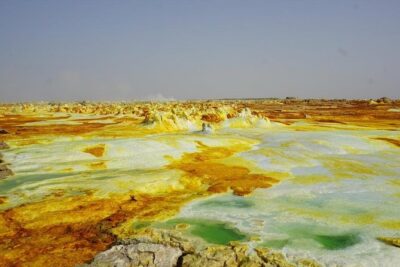
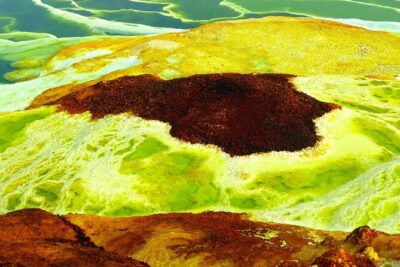
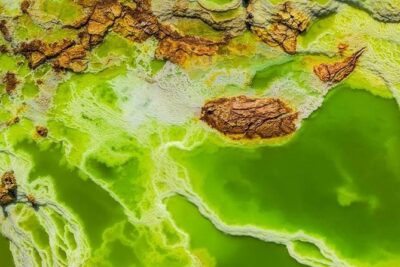
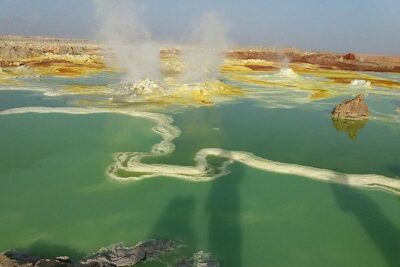
Day 3 brings Dallol. You visit the colorful Dallol mountain and spend time with a guided tour of the area. This is where geothermal visuals take over, including colorful hot springs and sulfuric acid ponds.
Dallol is not just pretty. It looks unstable, like the ground is still deciding what form it will take next. That feeling is the point. When you are standing there, you start to understand why people call places like this otherworldly without making it sound poetic. The region is doing its own thing, and you are seeing the evidence.
This is also where you will likely connect the visuals to the human activity around salt. The tour includes camel caravans again, plus time exploring the Lake Asale salt flats. Then you witness traditional salt excavating methods, including the way locals extract salt and get it onto transport routes.
One traveler singled out Dallol as the most impressive part, describing surreal colors and an emotional and geological experience that felt like walking on another planet. Even if you are not moved by the drama, you will probably be moved by the details: the textures, the chemical-looking ponds, and the way color shows up in places that should be only gray.
The optional swim in the Salt Lake is the final wild card. You’ll have the chance again to see how the salt interacts with your body. Just be honest with yourself about risk and comfort. If you have doubts, ask your guide about safe entry and how to keep your feet protected.
Meals, water, camping gear, and how comfort affects the whole trip
A lot of “extreme” tours fall apart because comfort is treated like a joke. Here, the basics are handled. You get accommodation via camping gear plus a mattress and clean bedsheets, and meals are included for all three days: breakfast, lunch, and dinner, plus unlimited water.
That matters because the environment is demanding, and the biggest enemy is decision fatigue. You are not stuck figuring out where to eat, which drink is safe, or what you can pack that will last. With unlimited water built in, you can focus on the scenery and the physical effort.
Dietary needs are also addressed. The tour states kosher, halal, vegetarian, and vegan options are available. If you have specific requirements, this is a green flag, since you should not have to guess at meal quality in a remote region.
Language support is another quiet win. The live tour guide is English, which is important in a place where small safety instructions are worth hearing clearly. In reviews, the guide and driver teams are described as attentive to needs, and that kind of teamwork reduces stress when conditions are tough.
What to pack for Danakil: shoes, pants, and the passport rule
Packing for this trip is simple, but it needs to be taken seriously. You are bringing hiking shoes and hiking pants, and that is exactly what you want on uneven, salty, dusty ground. If you use footwear that is fine for city sidewalks, you will feel it fast.
You also need your passport. A copy is accepted, which is practical if you keep the original somewhere secure. Bring it so you do not spend energy on last-minute paperwork.
Other items you might want are common sense, like sun protection and layers, but the tour data only specifically lists hiking shoes, hiking pants, and passport with a copy accepted. So keep those core items non-negotiable, then add personal comfort gear as you normally would for hot, remote, and physically active conditions.
Price and logistics: is $450 a fair deal?
$450 per person for three days sounds like a lot, until you break down what you are actually buying. You are paying for 4×4 transportation, fuel cost, overnight camping with setup including mattress and clean bedsheets, and meals plus unlimited water. You are also paying for permits and entry fees for the Danakil Depression.
When you consider the remoteness, the permit requirements, and the fact that meals and water are included, the price looks more like an all-in operational cost than a “tourist markup.” The real value here is that the heavy lifting is done for you: transport, timing, permits, and on-the-ground guidance.
It also helps that the tour includes an English live guide and uses a camping format rather than expecting you to be self-sufficient. If you have never done remote camping-based travel, that is not a small deal.
If you are the kind of traveler who hates uncertainty, you’ll like that this trip is structured across morning crater time, sunset salt flats, and guided Dallol. The schedule gives you multiple “signature” moments rather than one highlight stretched across long drives with nothing to do.
Who should book, and who should think twice
This tour is for people who want the extreme version of Ethiopia travel: active geology, saline lakes, and salt harvesting you can watch in real time. You’ll love it if you enjoy physically active days and you are comfortable with camping nights.
You might think twice if you are sensitive to physical effort or you know you struggle with tough terrain. One review was direct about it, saying weak hearted people should not go and that you need to be physically and mentally fit. That is worth respecting.
The trip is also not “just a photo stop.” You are hiking to Erta Ale, then walking around Lake Asale salt flats and Dallol areas, and watching traditional salt excavating methods up close. If your travel style is mostly seated, this will likely feel like work.
One more note: the tour is marked wheelchair accessible. At the same time, there is hiking involved, like the approach to Erta Ale. If you use a wheelchair or have mobility limitations, reach out and ask what the practical route and walking distance will look like for your group.
Should you book the Danakil Depression 3-Day from Semera?
Book it if you want a tightly packed three-day “Danakil hits” circuit: Erta Ale, a salt lake swim at Lake Afdera, sunset at Lake Asale with camel caravans, then Dallol with guided geothermal sights and sulfuric acid ponds. The included meals, unlimited water, and camping comfort items help you focus on the experience instead of logistics.
Don’t book if you are looking for easy comfort. This is rugged travel with serious physical demands, and the environment is not forgiving. Also, if you want to avoid strenuous walks, be honest about that before you commit.
If you want flexibility, you can cancel up to 24 hours in advance for a full refund, and you can reserve now and pay later. For many people, that lowers the risk of making the decision, especially when you are timing flights into Semera and planning the rest of your Ethiopia route.
If your goal is to see one of Earth’s most intense places with guides who keep the operation running, this is a strong pick.
Browsing Ethiopia More Widely
- From Semera: 3-Day Danakil Depression Tour
★ 5.0 · 3 reviews
The Rest of the Ethiopia List
- 3 Days Desert Adventure: Discover Danakil’s Hidden Wonders!
★ 4.7 · 5 reviews - From Semera: 3-Day Danakil Depression Tour
★ 5.0 · 3 reviews
Into the Danakil Depression
- 3 Days Desert Adventure: Discover Danakil’s Hidden Wonders!
★ 4.7 · 5 reviews - From Semera: 3-Day Danakil Depression Tour
★ 5.0 · 3 reviews
Other Ethiopia tours we have written up
Danakil Depression & Erta Ale, compared.
 ★ 4.53 Days Danakil Depression TourFrom $450135 reviews
 ★ 5.03 Days Danakil Depression Tours Via SemeraFrom $42047 reviews
 ★ 5.012 Days SIMIEN MOUNTAIN-LALIBELA-DANAKIL-TIGRAY CHURCHESFrom $1,64145 reviews
 ★ 5.03 Day Danakil Depression Ertale and Dallol ToursFrom $40044 reviews
 ★ 5.03 Days Dankile Depression group ToursFrom $45040 reviews
 ★ 5.05 DAYS Lalibela, Axum, Tigray churches and DanakilFrom $1,02534 reviews
 ★ 5.06 Days tour Package (Simien Mountains, Lalibela, and Danakil Depression)From $1,43532 reviews
 ★ 4.82-Night 3-Day Danakil Depression Tour without FlightsFrom $30031 reviews
Browse the lists this tour appears in