
REVIEW · OMO VALLEY CULTURAL TOURS
Ethiopian Fasika with North And South Omo Valley Tour Packages
Ethiopia at Easter is a whole different world. This Fasika-Easter journey strings together major rock-hewn churches, northern history, and close-up tribal culture in the Omo Valley, all while the Ethiopian Orthodox calendar is in full swing. I like how the timing adds meaning to what you see, not just photos.
I also like the mix of built heritage and lived culture, from Lalibela’s Easter events to visits around Lake Turkana and the south’s tribal communities. A possible drawback: this is a long, road-heavy trip with a lot of early starts and drives, so you will want moderate physical fitness and patience for travel days, especially if weather changes your plans.
In This Review
- Key things you will feel on this tour
- Arriving in Addis Ababa, then moving fast
- Lalibela for Ethiopian Easter: churches, market, and ceremony
- Heading north: Axum and the monoliths stop
- Gondar and the royal mood of the highlands
- Rift Valley reset: Addis Ababa, Awassa, and Arba Minch
- Lake Chamo and Nech SAR: nature time that balances the history
- Konso to Turmi: south Ethiopia tribes and changing rhythms
- Turmi, Omorate, Jinka: Dassanech and Mursi areas
- Ari, pottery, weaving, and Welayta Sodo
- Back to Addis Ababa: Tiya and Adadi Maryam, then a formal cultural night
- Price and value: what $1,371.91 buys you
- Private-group pacing, guides, and the role of safety
- What to pack and how to prepare for the real Ethiopia days
- Who this tour fits best
- Should you book this Fasika to Omo Valley journey?
- FAQ
- What does the tour include in the price?
- Where does the tour start and what time?
- Is pickup from the airport included?
- Are departure taxes included?
- Are meals vegetarian-friendly?
- What about alcohol during the tour?
- Is this tour private?
- Will the tour run in bad weather?
- How physical is it?
- What is the dress code?
- Can I cancel for a full refund?
Key things you will feel on this tour
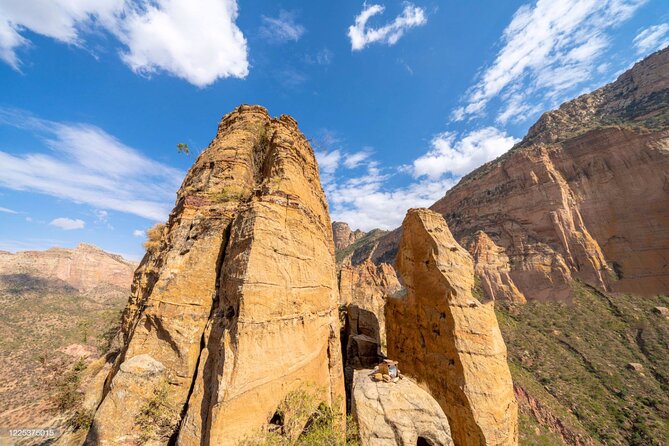
- Fasika timing in Lalibela, with a major church ceremony in one of the biggest rock-hewn sites there
- HeMamat and Dagme Tinsae context, helping you understand why people act, dress, and gather the way they do
- A north-to-south route, connecting Axum and Gondar’s past with Omo Valley everyday life
- National park time around Arba Minch and Lake Chamo, plus nearby Nech SAR National Parks
- Omo Valley tribal visits across Turmi and Jinka, including Dassanech and Mursi areas
- A formal night in Addis Ababa, with a folkloric dinner, dances, and a traditional coffee ceremony
More Omo Valley itineraries, reviewed
- 6 Days Omo Valley Tribes Tours From Addis Ababa★ 5.0 · 33 reviews
- 3 Days Omo Valley Tour★ 5.0 · 24 reviews
- 5 Days Omo Valley Tours★ 5.0 · 15 reviews
- 6 Days Lalibela, Omo Valley and Harar★ 5.0 · 15 reviews
Arriving in Addis Ababa, then moving fast
Your trip begins in Addis Ababa, with pickup offered and a short transfer to the hotel after you meet your team. Starting at Bole Airport at 7:00 am means you get your bearings early, and then the itinerary keeps rolling. If you like a plan that does not waste days, this suits you.
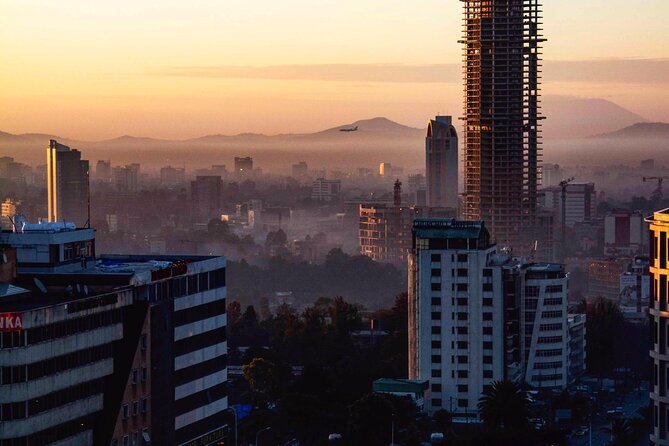
Addis Ababa is also where you’ll mentally shift gears. In the space of a few days you go from modern city life into ancient church spaces, then out toward the Rift Valley parks and the south. The best way to enjoy that jump is simple: drink water, keep your phone charged, and give yourself a little quiet time each night to catch up.
Lalibela for Ethiopian Easter: churches, market, and ceremony
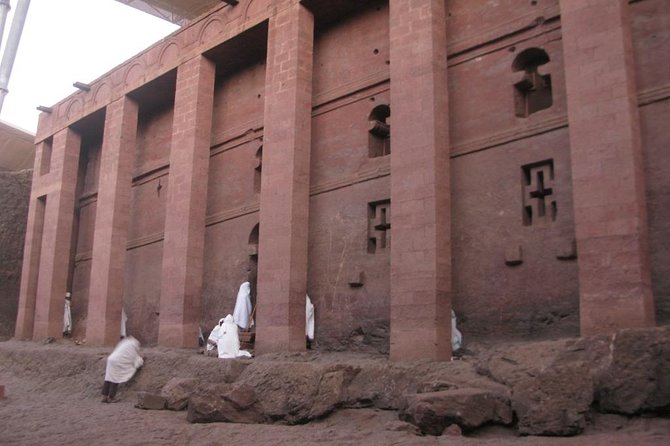
Lalibela is where the trip turns from sightseeing into something you can feel in your chest. You’ll spend time visiting notable churches in the morning, then head out for the Easter market in the afternoon, one of the most colorful annual seasonal scenes in the area. The scale of this market is not the point; the point is that people are actively living the season. You’re not watching a static exhibit.
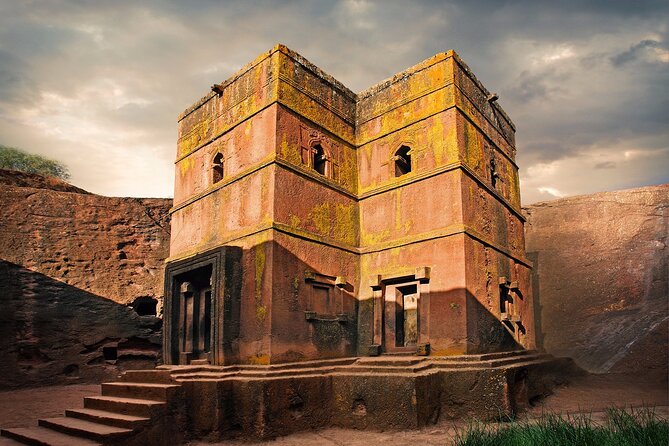
Then comes the ceremony component. In the evening you’ll attend an important Easter observance in a major rock-hewn church, Bete Medhanialem. If you are the kind of traveler who likes context, this part lands even harder. Ethiopian Orthodox Easter is preceded by a 55-day Lent period with strong rules around animal products, and the week before is called HeMamat, a time of remembrance and solemn behavior. A week after Easter, people celebrate Dagme Tinsae, connected to the ascension theme.
What I like about scheduling Lalibela like this is that you experience multiple layers of the season:
- the community market life
- the religious observance in a huge church space
- the sense that the calendar shapes behavior day to day
Possible reality check: dress code is listed as formal for the tour. In practice, that means you should pack clothes that fit formal or semi-formal rules and can also handle church settings comfortably.
Heading north: Axum and the monoliths stop
After Lalibela, you move north toward Axum, including time for the mysterious monoliths. Axum is one of those places where the history is not behind glass. Even if you never count one more stone, you feel the weight of the region’s past.
From Axum, you then head toward the Simen Mountain area. The key thing to remember is that this part of the trip is more about the drive and the change in scenery than about a single headline activity. If you dislike long transfers, this might feel like filler. If you like watching the country shift in front of you, it is a good pause between major heritage hubs.
Gondar and the royal mood of the highlands
Next you reach Gondar, sometimes called the Camelot of Africa. That nickname matters because it hints at how people experience the city: a feeling of royal architecture and courtly power, expressed through stone and church-linked spaces.
This is an overnight stretch, giving you time to settle and not just speed through. Gondar also works as a contrast point. Lalibela is intensely religious and communal in the moment. Gondar feels more historical and architectural, like the country is showing you how it built power into place.
If weather changes your plans, this tour is stated to operate in all weather conditions. That does not mean nothing changes. It means you should pack for variable conditions and expect that driving days may be slow.


Rift Valley reset: Addis Ababa, Awassa, and Arba Minch
After Gondar, you shift back toward the Rift Valley and eventually return to Addis Ababa and then out again. The flow goes from Bahir Dar to Addis Ababa, then onward to Awassa, and finally to Arba Minch.
Why this matters: the landscapes and atmosphere of Ethiopia shift a lot as you move from highlands to lakes and then toward the south. These stops give you time to feel that change rather than bouncing straight into the next cultural stop.
Awassa is a useful “breather” town on the way south. It is not presented as a single-day theme park stop, so the value is more practical: it helps you break up the route and adjust to different climates.
Then Arba Minch becomes the staging point for wildlife time. Lake Chamo and nearby Nech SAR National Parks are on the schedule, and this is where the trip gives you a nature day, not just culture days.
Lake Chamo and Nech SAR: nature time that balances the history
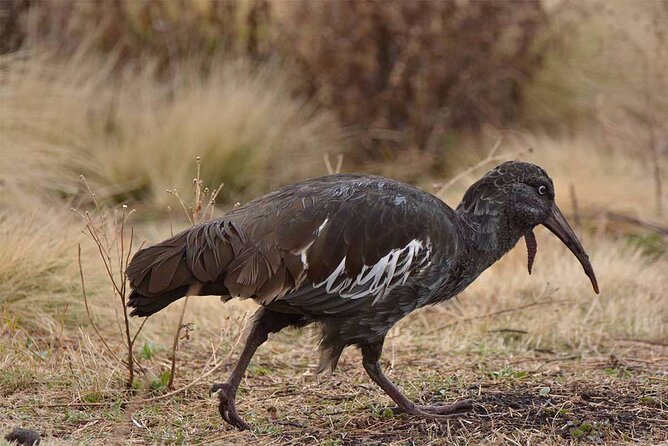
This is one of those sections where you can step back from human history and let geography take over. Lake Chamo and Nech SAR National Parks put you close to Ethiopian ecosystems and wildlife areas. The trip does not describe a specific type of safari experience in detail, but it clearly sets aside time for this region rather than squeezing it in like an afterthought.
If you are thinking about the right expectations, here is my practical advice: plan to be flexible. You are in a national park setting, so you should expect the timing and viewing opportunities to depend on conditions on the day. Bring sun protection, have water ready, and keep your camera lens clean.
Konso to Turmi: south Ethiopia tribes and changing rhythms
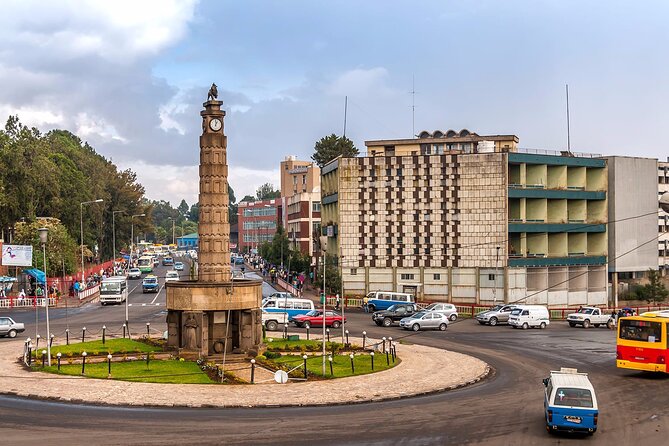
Moving deeper into the south, you travel toward Turmi, with stops around Konso and visits connected to the Benna and Tsemay people along the way. Then the itinerary brings you into Turmi for overnight at a Turmi Lodge.
Konso often signals a transition from cooler northern heritage vibes into a more intimate everyday landscape. The Benna and Tsemay stops also matter because they turn “tribal culture” from a generic label into lived communities you can see moving, cooking, trading, and traveling in real time.
Then you reach Turmi, and from there the trip sets its most direct rhythm: tribe visits that are scheduled, guided, and focused.
Turmi, Omorate, Jinka: Dassanech and Mursi areas
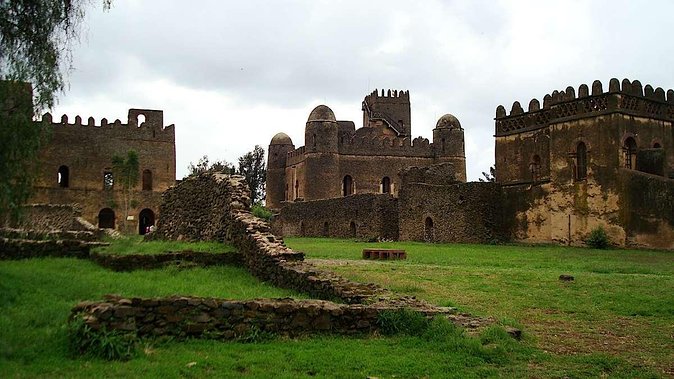
From Turmi you head toward Omorate, visiting the Dassanech people, described as the people of the delta, living on the northern shore of Lake Turkana. After that, you drive back toward Jinka for lunch, then continue to the Mursi village area and stay overnight in Jinka.
This stretch is the heart of the Omo Valley cultural focus. The biggest value here is that you are not only passing through towns. You are visiting specific groups with distinct geographic connections. Lake Turkana and the delta concept is important because it hints at how environment shapes day-to-day life.
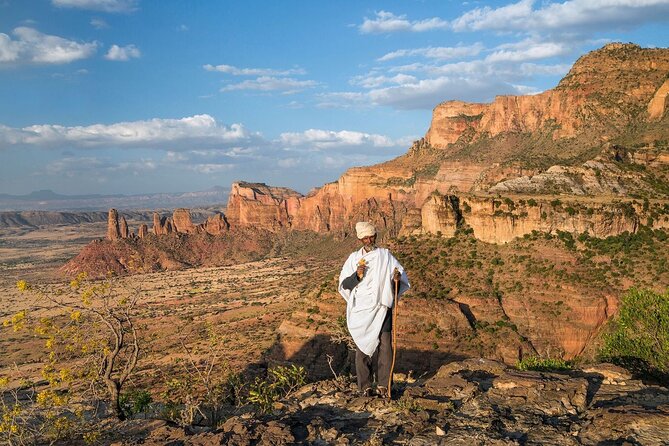
My advice for this part of the trip is about respect and pacing. Keep your voice calm, ask questions through your guide rather than guessing, and be patient in areas where photography or interaction rules may differ from what you are used to. You are there to learn, not to treat communities as a photo contest.
Ari, pottery, weaving, and Welayta Sodo
After Jinka, you head to Welayta Sodo. Early in the day you visit villages of the Ari people, including a chance to see how they make pottery and weaving. This is one of the more hands-on cultural components described on the schedule.
In many tour routes, “craft” is just a shop stop. Here it is tied to daily work, and that makes it feel more grounded. Even if you do not buy anything, watching the process teaches you more than a textbook caption.
Then you arrive in Welayta Sodo for dinner and overnight, giving you a real sense of place rather than a quick drive-by.
Back to Addis Ababa: Tiya and Adadi Maryam, then a formal cultural night
You head back to Addis Ababa via key stops. On the way you visit Tiya, listed as a UNESCO site, and then you head to the Rock Hewan Churches of Adadi Maryam, described as a church built by St. Lalibela. This is a strong “full circle” moment, because it echoes the Lalibela theme while you are already in transit back to city life.
In the evening you attend a folkloric dinner where you can taste several national dishes, watch dances from various ethnic groups, and experience a traditional coffee ceremony. Note the dress code described as formal, so treat this night as something more than casual.
Finally, you are transferred to the airport for departure. This keeps the end of the trip clean and prevents that last-day scramble.
Price and value: what $1,371.91 buys you
At $1,371.91 per person for roughly 15 days, the value comes from the structure. You are paying for:
- accommodation across multiple regions
- meals included as breakfast plus buffet lunch and buffet dinner
- a route that connects north historical centers with south cultural areas and a nature park zone
- pickup support and a private-group setup
It is not a cheap trip, but it is also not priced like you are on your own trying to stitch together flights, hotels, and day-after-day logistics. The itinerary includes enough meals that you do not have to budget every meal day by day, and that matters on longer tours where convenience is real money.
Two budget notes you should plan for:
- departure tax is not included and is payable at tour check-in (you need to bring or arrange it)
- alcoholic drinks are not included, though you can purchase them
Also, if you need food flexibility, the tour states a vegetarian option is available if you advise at booking.
Private-group pacing, guides, and the role of safety
This is listed as a private tour, meaning only your group participates. That is a big deal for a route like this, because you will be dealing with changing road conditions, cultural etiquette, and church-time schedules. A private setup also helps you ask follow-up questions without feeling like you are competing for attention.
The tour may be operated by a multi-lingual guide, and the operator named Aman Ethiopia Tours and Travel Agent is associated with strong trip organization. In the experiences people shared, the organizer working under the name Amanuel shows up as a key reason the trip felt well run, with people highlighting good hotels and smooth planning. Some also mention that the provider collaborated with others for extensions beyond the core Ethiopia loop, which suggests the team is comfortable coordinating region-to-region plans.
I cannot promise that every extension will be possible for your dates, but I can say the pattern is consistent: this is the kind of operator that tries to keep your route coherent rather than dumping you into chaos.
What to pack and how to prepare for the real Ethiopia days
The tour operates in all weather conditions, so you should pack for temperature swings. You also should keep an eye on practicality:
- comfortable walking shoes for church and village visits
- a layer for cooler highlands and a lighter setup for warmer lowlands
- sun protection and water habits for lake and park areas
- formal attire for the required dress code night
If you are unsure about physical demands, the tour lists moderate physical fitness as the expectation. That usually means you are okay with uneven ground, long drives, and a schedule that does not slow down much.
Who this tour fits best
This tour is a great match if you want a single trip that covers:
- Ethiopian Orthodox Easter culture in Lalibela, including the Easter market and a major church ceremony
- major northern heritage areas like Axum and Gondar
- a nature break around Lake Chamo and Nech SAR National Parks
- a south Ethiopia cultural focus in the Omo Valley, including Dassanech and Mursi areas
- crafts and daily work, like Ari pottery and weaving
It might be less ideal if you hate long driving days or you prefer slower, single-region travel. This is a “see a lot, move smart” route, not a “one base, one vibe” holiday.
Should you book this Fasika to Omo Valley journey?
If your priority is experiencing Ethiopian Easter with real context, and you want to pair that with a thoughtful north-to-south sweep, I think this is worth a serious look. The strongest reason to book is the way it connects major church life, a season people take seriously, and then pushes onward into nature and lived community culture.
Before you commit, check two things: you are comfortable with the pace and road time, and you are ready to follow a formal dress code for at least part of the trip. If those fit your style, you are set up for a trip that feels more like understanding a country than collecting stamps.
FAQ
What does the tour include in the price?
The tour includes accommodation as per the itinerary, plus breakfast, buffet lunch, and buffet dinner.
Where does the tour start and what time?
The meeting point is Bole Airport in Addis Ababa, with a start time of 7:00 am.
Is pickup from the airport included?
Yes, pickup is offered.
Are departure taxes included?
No. A per person departure tax is not included and is payable at tour check-in.
Are meals vegetarian-friendly?
A vegetarian option is available if you advise at the time of booking.
What about alcohol during the tour?
Alcoholic drinks are not included and are available to purchase.
Is this tour private?
Yes, it is listed as private, with only your group participating.
Will the tour run in bad weather?
It operates in all weather conditions, so you should dress appropriately.
How physical is it?
The tour asks for a moderate physical fitness level.
What is the dress code?
The tour lists a formal dress code.
Can I cancel for a full refund?
Cancellation is free if you cancel at least 24 hours before the experience starts. If you cancel less than 24 hours before, you will not get a refund.
Browsing Ethiopia More Widely
- Full Day Tour of Addis Ababa with Hotel Pickup and Drop-off
★ 5.0 · 430 reviews - Addis Ababa: Debre Libanos, Blue Nile Gorge, and Cave Tour
★ 4.5 · 256 reviews - Addis Ababa Guided City Tour With Airport & Hotel Pick Up
★ 5.0 · 237 reviews - Breathtaking Nature, Wildlife and Cave Church Tour – Free Pickups
★ 5.0 · 225 reviews - Full-Day Private City Tour of Addis Ababa
★ 5.0 · 147 reviews
The Rest of the Ethiopia List
- Full Day Tour of Addis Ababa with Hotel Pickup and Drop-off
★ 5.0 · 430 reviews - Taste of Ethiopia
★ 5.0 · 406 reviews - Day Trip From Addis Ababa See Historical Monastery,Stunning Nature,Animals,Birds
★ 5.0 · 303 reviews - Addis Ababa: Debre Libanos, Blue Nile Gorge, and Cave Tour
★ 4.5 · 256 reviews - Addis Ababa Guided City Tour With Airport & Hotel Pick Up
★ 5.0 · 237 reviews
South to the Omo Valley
- 6 Days Omo Valley Tribes Tours From Addis Ababa
★ 5.0 · 33 reviews - 3 Days Omo Valley Tour
★ 5.0 · 24 reviews - 5 Days Omo Valley Tours
★ 5.0 · 15 reviews - 6 Days Lalibela, Omo Valley and Harar
★ 5.0 · 15 reviews - Private Omo Valley Tours From Addis Ababa
★ 5.0 · 12 reviews
Other Ethiopia tours we have written up


Omo Valley Cultural Tours, compared.
 ★ 5.06 Days Omo Valley Tribes Tours From Addis AbabaFrom $1,39933 reviews
 ★ 5.0Lalibela, Axum, Danakil and Omo Valley 8 DAYSFrom $2,05129 reviews
 ★ 5.03 Days Omo Valley TourFrom $80024 reviews
 ★ 5.05 Days Omo Valley ToursFrom $75015 reviews
 ★ 5.06 Days Lalibela, Omo Valley and HararFrom $1,53815 reviews
 ★ 5.0Private Omo Valley Tours From Addis AbabaFrom $1,89012 reviews
 ★ 5.09 Days Tours To Danakil Depression, Simen MNP, Lalibela With Omo Valley TribesFrom $1,80011 reviews
 ★ 5.05 Day Private tour to the Omo Valley Tribes and Adventure TourFrom $1,29011 reviews
Browse the lists this tour appears in