

REVIEW · PRIVATE
Private Ethiopian Combined Tours 15 Days
Fifteen days, and Ethiopia feels like three countries. You start in Addis Ababa with big-city highlights like Lucy and Mercato, then move through the north’s ancient churches and monoliths, before landing in the south for lake cruises and famous Omo Valley cultural visits. It’s a fast-moving route that trades waiting around for real variety.
What I like most is how private pickup and an air-conditioned vehicle keep logistics sane, even when days run long. The second thing I love is the balance of big sights and human-scale moments: monastery views from Lake Tana, murals in Gondar, and time in southern villages around Lake Chamo and Mago National Park. One consideration: this schedule stacks a lot of driving plus at least one domestic flight, so you’ll want patience on long travel days, and note that the Blue Nile falls may be low because of a dam.
In This Review
- Key points before you go
- Addis Ababa on Day 1: Lucy, Mercato, and a classic orientation day
- Lake Tana and the Blue Nile on Days 2 and 3: monastery time, plus a real-world water warning
- Gondar and the Semien Mountains on Days 4 and 5: murals, castles, and the UNESCO view day
- Axum on Day 6: monoliths, royal sites, and that Ark-of-the-Covenant focus
- Tigray to Lalibela on Days 7 and 8: Yeha, rock-hewn churches, and markets en route
- Lalibela on Day 9: underground rock churches and a tight afternoon plan
- Addis to Langano via Ziway on Day 10: Rift Valley lakes and a slower day after the north
- Arba Minch to Jinka on Days 11 and 12: weaving at Dorze, then Lake Chamo wildlife
- Mago, Hamer, Karo, and Nyangatom on Days 13 and 14: how to handle tribal visits thoughtfully
- Konso terraces and your final ride to Addis on Day 15: UNESCO terracing and coffee
- Price and Logistics: is $2,467 good value for a 15-day private circuit?
- Who this tour fits best, and who should think twice
- Should you book this 15-day Ethiopia combined tour?
- FAQ
- Where does this tour start?
- Is pickup included?
- How long is the tour?
- Is this a private tour?
- What meals are included?
- Are vegan and vegetarian meals available?
- Do I need to bring my own tickets?
- Is there a restroom on board?
- What should I wear?
- Can I cancel for a full refund?
Key points before you go
- A door-to-door Ethiopia plan with pickup and a dedicated vehicle for your group
- North-first hits in Addis Ababa, Gondar, Axum, Tigray, and Lalibela
- Lake Tana by boat plus a Blue Nile Falls stop that may disappoint on water volume
- Simien Mountains National Park day focused on the big, wild view factor
- Omo Valley culture visits with a structure built around specific groups and regions
- Meals included so you can spend less time hunting for food between sights
Private departures elsewhere in Ethiopia
- Full-Day Private City Tour of Addis Ababa★ 5.0 · 147 reviews
- Addis Ababa Authentic Private City Tour★ 5.0 · 134 reviews
- 2 Days Private Tour in Addis Ababa Ethiopia★ 5.0 · 36 reviews
- Full Day Private City Tour Of Addis Ababa★ 5.0 · 36 reviews
Addis Ababa on Day 1: Lucy, Mercato, and a classic orientation day
If you want an Ethiopia trip that starts with context, this day works. You land at Bole International Airport, get met, and head straight to your hotel, then you ease in with a museum-and-city route that helps you understand what you’re about to see across the country.
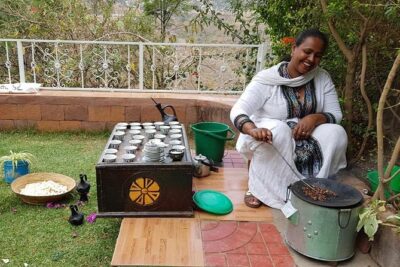
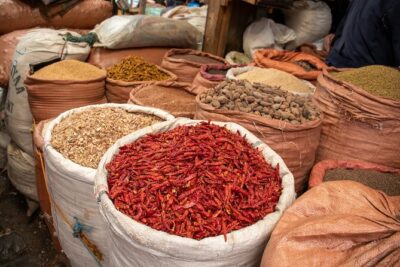
The National Museum stop is a highlight for first-timers because it gives you the origin story of Ethiopia’s role in human evolution. From there, Mercato market is your sensory reset. It’s the kind of place where you’ll watch daily life happen, and a traditional coffee ceremony adds a grounded, local rhythm after museum time.
Two places also help you get your bearings fast: Holy Trinity Cathedral, known for its copper-dome look, and the general city loop that ties together religion, history, and everyday trade. If you hate rushing, this is still doable because it’s the kind of day where you can slow down for photos and people-watching, then rejoin the group without feeling behind.
Lake Tana and the Blue Nile on Days 2 and 3: monastery time, plus a real-world water warning

The run from Addis toward Bahir Dar is long, but it isn’t wasted time. You pass Mount Entoto and dense forest areas early on, and the day includes a stop at Debre Libanos, a 13th-century monastery founded by Saint Tekle Haymanot. This isn’t just a photo stop. You’re set up to see religious books and crosses in the museum, then go inside the church spaces, which helps you understand how these sites function beyond being architecture on a hill.
You also get a break with scenic driving through the Blue Nile Gorge area and a stopover at Debre Markos. After that, you reach the lakeside setting for a more relaxed next day.
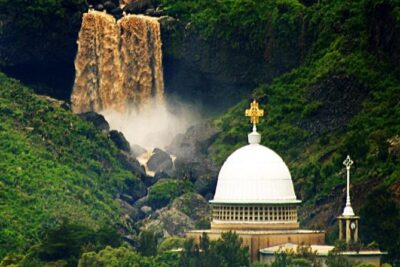
Day 3 gives you the best kind of contrast in Ethiopia trips: peaceful water plus dramatic religious geography. You take a boat cruise on Lake Tana to the 14th-century Ura Kidane Mihret monastery on the Zege peninsula. Then you head to Tis Isat for the Blue Nile Falls.
Here’s the one drawback worth knowing upfront: the itinerary flags that the water volume could be minimal because of a new dam. So go in with the mindset of seeing the falls area and the setting, not expecting a guaranteed roaring spectacle.
Gondar and the Semien Mountains on Days 4 and 5: murals, castles, and the UNESCO view day
Gondar is famous for a reason. The city is often called the Camelot of Africa, and it connects the dots between Ethiopian royal power and the churches you’ll see today. You start with city touring, including castles and church buildings associated with Emperor Fassiladas and his descendants.
Then you shift into the art-forward stops. Debre Birhan Selassie is a must for its murals, and Qusquam Church adds another layer of religious detail to the day. If you like seeing how different sacred spaces look and feel, Gondar gives you variety within a small geographic radius.
The next day turns the dial from royal walls to wild terrain. You drive into the Simien Mountains National Park, aiming for the Buyit Ras area for a view that’s described as one of the most wild and magnificent in Ethiopia. You also get that UNESCO natural beauty angle, which matters because it tells you you’re not just driving to scenery, you’re entering a protected area where the land form is the main character.
Practical note: Simien can mean a physical day. Even if you’re not hiking for hours, the day is set up for standing, looking, and taking in big altitude views, so pack layers and keep your camera ready.
Axum on Day 6: monoliths, royal sites, and that Ark-of-the-Covenant focus
Axum is the kind of stop that makes your brain slow down. This day centers on a city that’s described as having over 2,500 years of history, tied to an ancient empire and major religious storytelling.
The route is built around major sites: St. Mary’s Church, the sanctuary chapel (presented as the repository of the Ark of the Covenant), and the coronation yard. You also visit Stelae Park, the Tomb of Kaleb and his son Gebre Meskel, and Ezana’s Inscriptions. These stops work together like a timeline you can walk through, from monuments to inscriptions to royal commemoration.
Then you add the human-culture detail with places like Queen of Sheba’s Bath and palace ruins, plus the Axum Museum to help connect the dots. If you’re the type who wants meaning, not just sightseeing, Axum gives you a lot to think about without requiring a complicated itinerary logic.
The only consideration I’d keep in mind is pace. Axum is packed with “major site” moments, so if you’re easily museum-ed out, take short breaks when you need them and focus on the two or three places that really hook you.

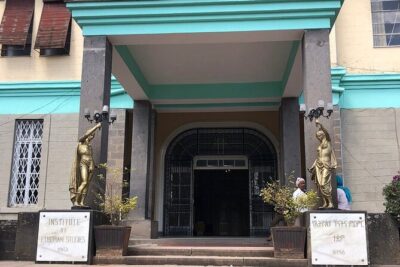
Tigray to Lalibela on Days 7 and 8: Yeha, rock-hewn churches, and markets en route
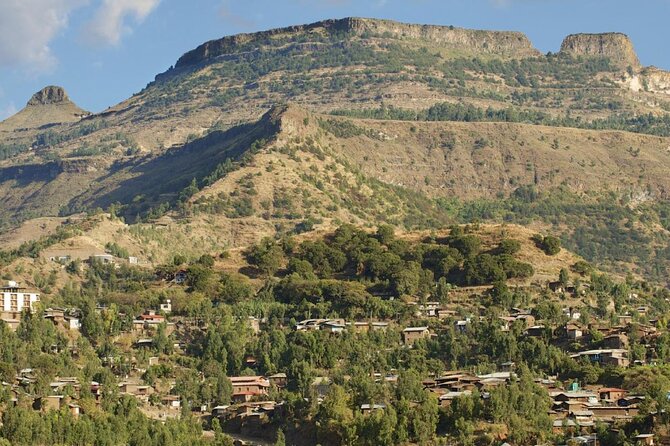
Getting to Lalibela the way this tour does it gives you more than a transfer day. The Tigray route includes meaningful stops that build anticipation.
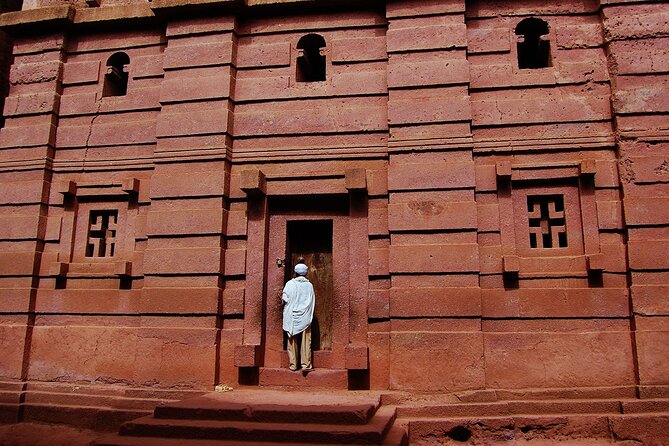
On the way to Mekelle, you stop at Yeha and the rock-hewn churches of Tigray, including Adikisho Medhanyalem, Wukero Cherkos, and Abrha Wasba. These are the kind of places where the setting matters, because the religious architecture is tied to the terrain.
Then you continue toward Lalibela. En route, you stop at Alamata for markets and see everyday flow among Welo and Tigray people, plus a lunch stop at Weldya. That matters because it keeps the journey from feeling like only transit between “top attractions.”
Once you reach Lalibela, you’re ready for the main event. The lodging listed for this part of the route is Lalibela Cliff Edge Hotel or similar, which helps you settle right near your sightseeing base.
Lalibela on Day 9: underground rock churches and a tight afternoon plan
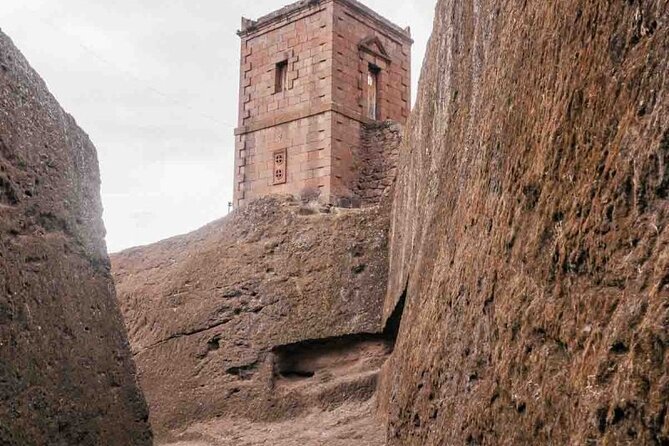
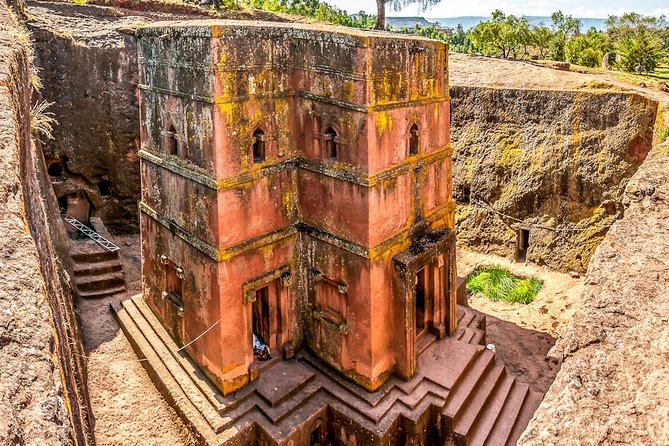
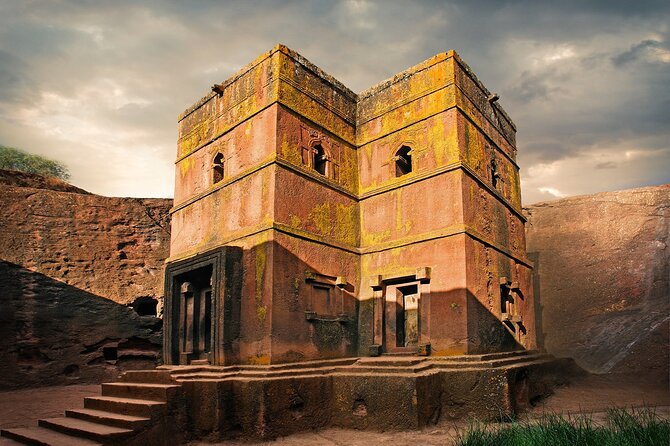
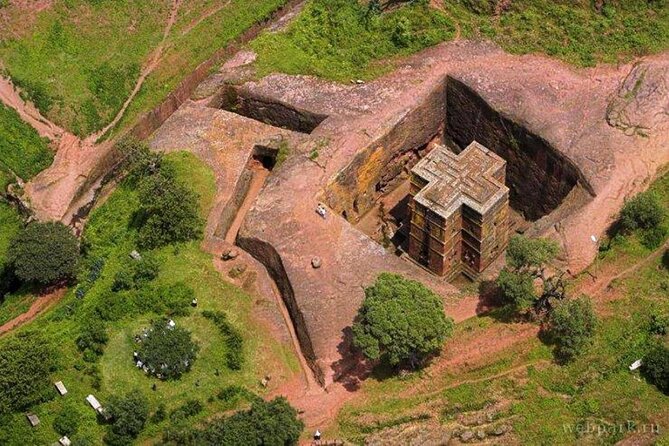
Lalibela is famous for its underground rock-hewn cathedrals, and this day is structured to get you there smoothly. You transfer to the airport, fly to Lalibela, then you’re met on arrival and taken to your hotel.
You get a practical split: the morning is logistics, and the afternoon is sightseeing. That’s helpful because it keeps the energy focused. When you visit the top attractions in the afternoon, you can actually see the shape of the churches and understand how the layout works once you’re not still juggling travel fatigue.
If you care about photography, this is one of those places where lighting can shift fast as you move between courtyards and carved spaces. So give yourself time to walk slowly inside and outside, not just snap and go. Lalibela rewards attention.
Addis to Langano via Ziway on Day 10: Rift Valley lakes and a slower day after the north
After the intensity of the north, the Rift Valley shift feels like a reset button. You fly back to Addis, then drive to Langano. En route you stop at Lake Ziway, described as the largest of the upper Rift Valley lakes, with water lilies and a habitat for different Ethiopian animals.
This day is a good choice if you like a mix of cultures and scenery without non-stop “monument pressure.” Langano itself is positioned as a place for water activities, and that’s the vibe you’re aiming for, especially after days of churches and rock sites.
One practical tip: Langano day is not about packing in 15 stops. It’s about using your time on the water and letting your schedule breathe. If you’re the kind of traveler who loves a long meal and a late afternoon walk, this is your moment.
Arba Minch to Jinka on Days 11 and 12: weaving at Dorze, then Lake Chamo wildlife
The route from Arba Minch into the Omo region starts with cultural detail before it gets into wildlife and lake views.
You drive toward Arba Minch via Chencha, with a stop at the Dorze village where weaving is central. The Dorze are described as expert weavers, and the house shape is noted as elephant-like, a memory reference to animals in the area. You also learn about enset, called fake banana in the itinerary, since it’s a stable food source.
From Arba Minch to the next stage, the focus turns to Lake Chamo. You take a boat cruise and you may have a chance to see Nile crocodiles, hippos, and different types of birds. Even if wildlife sightings aren’t guaranteed, the boat portion is still valuable because it changes your perspective from road travel to water travel.
Then the day brings you into village visits. You head to Bana village to meet the indigenous pastoral and semi-nomadic Bana people, and you also visit the Ari people. The itinerary notes details like the Bana’s colorful clay cap and the Ari women’s enset-based skirts and pottery skills.
This part of the trip can be emotional in a good way, but it also sets up a big cultural responsibility for you. Keep questions respectful, watch your camera behavior, and remember these are people with daily life, not a staged show.
Mago, Hamer, Karo, and Nyangatom on Days 13 and 14: how to handle tribal visits thoughtfully
These are some of the most talked-about days in Ethiopian combined tours, and this one is built around specific ethnic groups and specific geographic areas in the lower Omo Valley.
You start with Mago National Park day excursion. You visit the Mursi, described with low straw-leaf huts and distinctive body adornment, including terra cotta on stretched lower lips and ear lobes. Then you continue toward Turmi and meet the Hamer people.
After that, the Karo and Nyangatom stops focus on ceremonial body decoration and scar patterns. The Karo people at Murulle are noted for painting bodies and faces with white chalk to prepare for ceremonies, and for chest scars described as part of their ideas about beauty. The Nyangatom are noted 17 kilometers away, with long and lean bodies, necklaces, and long goat-skin skirts.
Important for your own experience: these are not “just see and leave” stops. You’ll enjoy them more if you go in with a respectful, low-pressure attitude. Follow your guide’s lead, ask what’s appropriate, and treat photo-taking like a privilege, not an entitlement.
Also, plan for long driving days. These are distance days, not short hops, and you’ll feel it.
Konso terraces and your final ride to Addis on Day 15: UNESCO terracing and coffee
The last day is a long transfer, but it ends with a meaningful cultural stop: Konso.
You drive toward Jinka passing through Konso, described as one of Ethiopia’s UNESCO sites known for terracing. Terraces like this are living agriculture, not decorative farming. They also tie into the region’s food and community rhythms.
The itinerary also notes that one of Ethiopia’s best coffees comes from Konso. Even if you don’t do a full coffee tour here, that detail helps you connect what you’ve seen across the trip to what people grow and trade.
Then you continue the ride back toward Arba Minch and on to Addis, where you transfer to the airport for departure.
Price and Logistics: is $2,467 good value for a 15-day private circuit?
At $2,467 per person for a 15-day private tour, the value question comes down to one thing: do you want a structured route that minimizes planning and keeps transport efficient?
Here’s what your money appears to cover based on the included items and how the itinerary is set up: an air-conditioned vehicle, lunch and breakfast across the days listed, and “all fees and taxes.” The route also includes a mix of boat cruises, monastery and church visits, major historical sites, and several different regions in one trip. That combination is hard to replicate alone without losing time to ticketing, routing, and finding reliable guides and drivers.
The other value angle is the private format. You’re not sharing your day with strangers, which matters a lot on museum days and on long drive days.
The one caution I’d keep is to confirm what’s included for internal flights, since the itinerary mentions transfers to airports and flights, but the included section only spells out meals, vehicle, and fees and taxes. A good operator will answer quickly, and you’ll sleep better once you have a clear yes.
Who this tour fits best, and who should think twice
This tour suits you if you want a big circuit with minimal guesswork: Addis orientation, northern historical highlights, a Lalibela core day, then a south-of-country switch into Omo Valley culture and lake and park visits.
It’s also a fit if you like variety more than slow travel. You get monastery cruising, mural churches, royal monuments, and then a completely different set of cultural encounters.
Think twice if you hate long driving days or if you want lots of free time in each city. This is a plan with momentum. Also, because the Blue Nile falls may be low due to dam impact, don’t book this expecting a guarantee of maximum waterfall volume.
Should you book this 15-day Ethiopia combined tour?
Yes, if your dream Ethiopia includes both sacred stone (Lalibela and Axum) and human daily life (Mercato, markets en route, and Omo Valley village visits), and you want a private team to handle the hard parts. If you prefer ultra-slow travel or you only care about one region, you might feel stretched.
My practical advice: when you book, ask your operator to confirm exactly what internal flights include, and ask how they handle pacing on the longest drive days. If that’s clear, you’ll likely feel you got good value for a trip that covers serious ground without you doing the scheduling work yourself.
FAQ
Where does this tour start?
It starts in Addis Ababa, with meeting at Bole International Airport and transfer to your hotel.
Is pickup included?
Yes. Pickup is offered, and you are met on arrival at the airport.
How long is the tour?
The tour is 15 days (approx.).
Is this a private tour?
Yes. Only your group will participate, so it’s private.
What meals are included?
The tour includes breakfast and lunch on the listed days.
Are vegan and vegetarian meals available?
Yes. The tour notes that vegan and vegetarian food options are provided.
Do I need to bring my own tickets?
The tour listing includes mobile ticket and notes admission ticket Free for the scheduled stops, but you should still check what’s covered for each specific sight.
Is there a restroom on board?
No. Restroom on board is listed as not included.
What should I wear?
The dress code is listed as formal.
Can I cancel for a full refund?
Yes. You can cancel up to 24 hours in advance for a full refund. If you cancel less than 24 hours before, the amount paid is not refunded.
Private, Just Your Group
- Full-Day Private City Tour of Addis Ababa
★ 5.0 · 147 reviews - Addis Ababa Authentic Private City Tour
★ 5.0 · 134 reviews - 2 Days Private Tour in Addis Ababa Ethiopia
★ 5.0 · 36 reviews - Full Day Private City Tour Of Addis Ababa
★ 5.0 · 36 reviews - Private Half Day Guided tour in Addis Ababa New Flower
★ 5.0 · 16 reviews
Browsing Ethiopia More Widely
- Full Day Tour of Addis Ababa with Hotel Pickup and Drop-off
★ 5.0 · 430 reviews - Addis Ababa: Debre Libanos, Blue Nile Gorge, and Cave Tour
★ 4.5 · 256 reviews - Addis Ababa Guided City Tour With Airport & Hotel Pick Up
★ 5.0 · 237 reviews - Breathtaking Nature, Wildlife and Cave Church Tour – Free Pickups
★ 5.0 · 225 reviews - Full-Day Private City Tour of Addis Ababa
★ 5.0 · 147 reviews
The Rest of the Ethiopia List
- Full Day Tour of Addis Ababa with Hotel Pickup and Drop-off
★ 5.0 · 430 reviews - Taste of Ethiopia
★ 5.0 · 406 reviews - Day Trip From Addis Ababa See Historical Monastery,Stunning Nature,Animals,Birds
★ 5.0 · 303 reviews - Addis Ababa: Debre Libanos, Blue Nile Gorge, and Cave Tour
★ 4.5 · 256 reviews - Addis Ababa Guided City Tour With Airport & Hotel Pick Up
★ 5.0 · 237 reviews
Other Ethiopia tours we have written up
Private, compared.
 ★ 5.0Full-Day Private City Tour of Addis AbabaFrom $160147 reviews
 ★ 5.0Addis Ababa Authentic Private City TourFrom $75134 reviews
★ 5.0Full Day Private City Tour Of Addis AbabaFrom $9936 reviews
★ 5.0Addis Ababa Authentic Private City TourFrom $75134 reviews
★ 5.0Full Day Private City Tour Of Addis AbabaFrom $9936 reviews
 ★ 5.02 Days Private Tour in Addis Ababa EthiopiaFrom $19136 reviews
 ★ 5.0Private Half Day Guided tour in Addis Ababa New FlowerFrom $7016 reviews
 ★ 5.0Private 3 Days Adventure Tour Through Arba MinchFrom $85616 reviews
 ★ 5.0Private Omo Valley Tours From Addis AbabaFrom $1,89012 reviews
 ★ 5.05 Day Private tour to the Omo Valley Tribes and Adventure TourFrom $1,29011 reviews