
REVIEW · ARBA MINCH, DORZE & KONSO
Arba Minch, Dorze Tribe, Konso, and Awasa Private 4 Days Tour from Addis Ababa
Southern Ethiopia can feel like a world away.
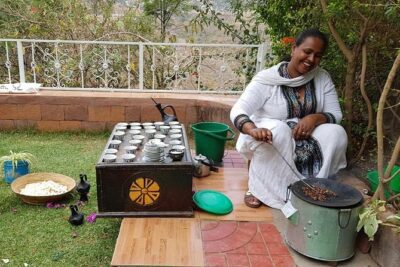
In four days, this private tour threads together UNESCO sites, Rift Valley lake scenery, and hands-on culture in Konso and Dorze, all led by an English-speaking guide in an air-conditioned vehicle. I like that you get real explanations, not just checkpoints, and you still move efficiently between stops. The schedule also includes an Ethiopian coffee ceremony, so even the slower moments feel intentional.
What I like most is the way your guide helps you make sense of what you see in Konso, Dorze, and the Jamaican Rastafarian community area in Shashamene. You’re not just looking at colorful traditions, you’re hearing context you can actually use. My second favorite part is practical comfort: you’re riding in a Toyota minivan with A/C, seat belts, bottled water, and local snacks, which matters once the driving starts stacking up.
One thing to consider is that some site time includes admission tickets marked as not included, so your real cost can rise a bit depending on what you end up paying on the ground. Also, in June, July, and August it is rainy season, so plan on slippery paths and slower travel times, and keep a moderate fitness level for short walks and village visits.
In This Review
- Key highlights that make this tour worth your time
- A 4-day private route that hits culture and scenery in the same breath
- Entering UNESCO history at Tiya and the Devil’s Lake views
- Konso Cultural Landscape: terraces, costumes, and the King of Konso
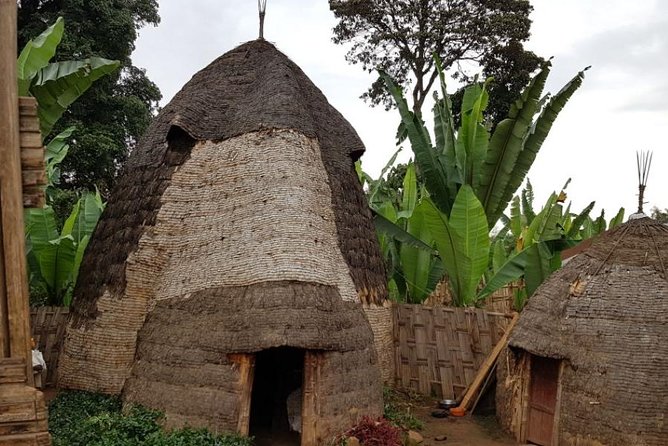
- Dorze Tribe in Chencha: bamboo huts and Enset bread
- Shashamene Rastafarian community and the easy magic of Awassa sunset
- Awassa fish market and a gentle walk in Abiyatta-Shalla Lakes National Park
- Lake Ziway lunch, a swimming-safe stop, and the crater lakes on the return
- Price and value: what you are paying for, and what you still must cover
- Practical travel notes: rainy season timing, clothing rules, and fitness
- Should you book this southern Ethiopia private tour?
- FAQ
- Will this tour be private?
- How many people are included per group?
- Is pickup offered from Addis Ababa?
- What is included in the tour price?
- Are accommodations included?
- Are meals included?
- Is admission included for all stops?
- What should I wear for cultural or church visits?
- When is rainy season, and how should I prepare?
- Is the tour suitable for people with limited mobility?
Key highlights that make this tour worth your time
- UNESCO Tiya stone stelae on Day 1, with carvings from the 14th century AD
- Konso Cultural Landscape with terraced farming, huge-stone fences, and a visit to the Konso Museum
- Dorze bamboo huts in Chencha plus Enset bread and porridge made from the false banana root
- Awassa fish market by the lake where you see netting, hand-cleaning, and local morning food rhythm
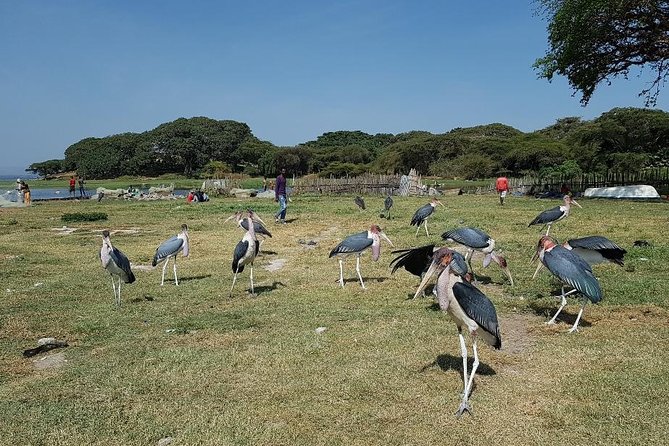
- Abiyatta-Shalla Lakes National Park with a gentle walking tour and chances to spot gazelles, warthogs, and ostriches
- Lake Ziway lunch and a swimming-safe lake stop, plus a crater-lake viewpoint moment on the return toward Addis Ababa
Comparing operators? These Ethiopia trips scored well when we went through them.
- Full Day Tour of Addis Ababa with Hotel Pickup and Drop-off★ 5.0 · 430 reviews
- Taste of Ethiopia★ 5.0 · 406 reviews
- Day Trip From Addis Ababa See Historical Monastery,Stunning Nature,Animals,Birds★ 5.0 · 303 reviews
- Addis Ababa: Debre Libanos, Blue Nile Gorge, and Cave Tour★ 4.5 · 256 reviews
A 4-day private route that hits culture and scenery in the same breath
If you want southern Ethiopia without turning it into a logistics headache, a private setup like this is a smart fit. You get one team, one vehicle, and an English-speaking guide who can adjust pacing for your group, instead of feeling rushed by a bus schedule. It also matters that the tour is capped for a small group, up to 6, and it is only your party.
This kind of trip works best if you like variety. You’ll see ancient stone markers, agricultural terraces, tribal homes, a lake sunset, and a national park walk in just a few days. If you prefer deep time in one place, you might find the schedule a bit full, but you should still come away with a clear sense of how southern Ethiopia connects across cultures and ecosystems.
Entering UNESCO history at Tiya and the Devil’s Lake views
Day 1 starts with Tiya World Heritage Site, a stop focused on the Steles of Tiya. These are stone grave markers, roughly 40 of them, decorated with carvings and erected in the 14th century AD. This is the kind of place where the details matter, so I like that the visit is timed (about 45 minutes) rather than stretched out. You can actually look, read the room with your guide, and leave without feeling mentally overloaded.
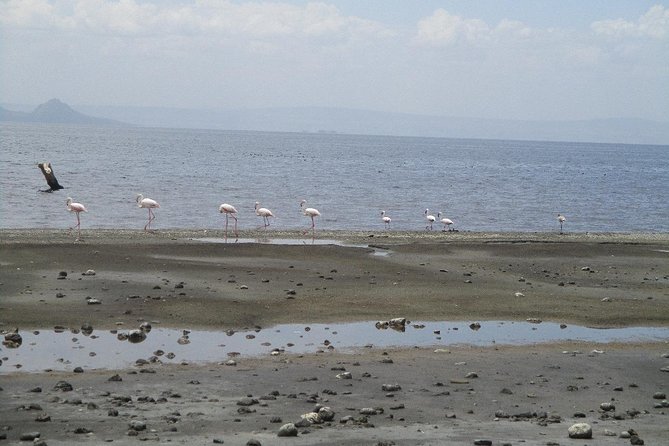
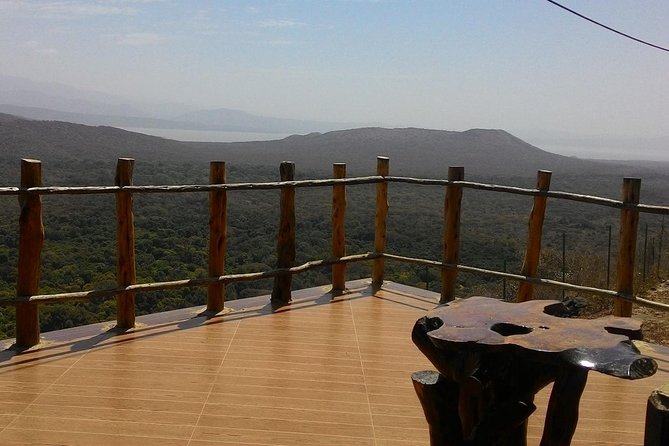
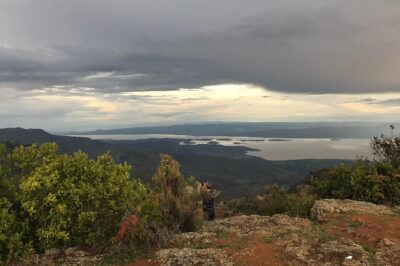
After that, you head toward Butajira, with a pass by Crater Lake Hare Sheitan, often called Devil’s Lake. The point here is the Rift Valley framing. You stop at selected outlooks for superb views of Ethiopia’s Great East African Rift Valley section. The timing is about 2 hours, which is usually enough to take photos, listen, and get your bearings. Admission there is marked as free, but always keep your eyes open for any small local fees that might pop up depending on how the stop is run.
Practical tip: wear comfortable shoes and plan for dust on roads and viewpoints. Even when the walk time is short, you will appreciate grip.
Konso Cultural Landscape: terraces, costumes, and the King of Konso
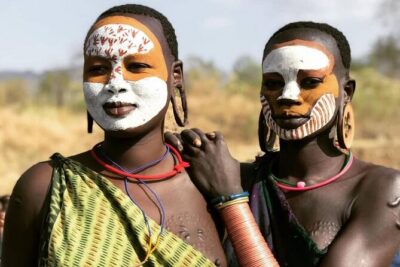
Konso is one of those places where you can see how human work shapes a region. Your time here is built around the Konso Cultural Landscape, a UNESCO site known for rock terraced agriculture, villages fenced with huge stones, and wooden ceremonial structures. You will also notice the strong visual identity of Konso clothing, including colorful hand-woven cotton and traditional masks and shields, plus feathers used in cultural expressions.
You get a longer stretch here, about 4 hours, so this is not a quick look-and-go. I like that there is room to connect the practical farming system to the cultural way of organizing village life. It is also easier to ask questions when you are not being pulled out of the village every 15 minutes.
Then the tour adds a big cultural moment: you meet the King of Konso, who governs the nine clans. After that, you visit the Konso Museum for deeper background on Konso culture and history. The itinerary gives about 2 hours for this second Konso block, and admission is marked as free for those components. Even if museums are not your thing, the museum stop helps turn what you saw in the terraces and compounds into something you can explain to friends later.
Respect matters here. Konso culture is not a costume party. Dress simply, ask permission before photos if needed, and listen to your guide about how to interact in village spaces.
Dorze Tribe in Chencha: bamboo huts and Enset bread
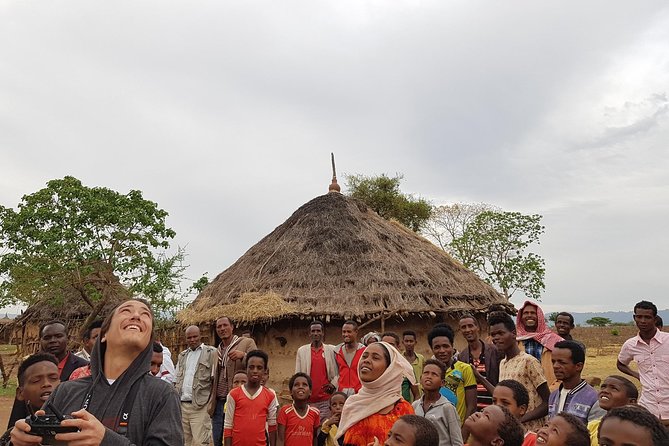
On Day 3, Chencha is where the experience turns more hands-on. You visit Dorze villages and explore their huge bamboo huts. This is the part of the tour that feels most about daily life and local skills rather than just sightseeing.
The time is about 3 hours, and admission is marked as not included for the Dorze visit. That matters for budgeting, but it also signals this is less about “ticketed attractions” and more about community-based experiences.
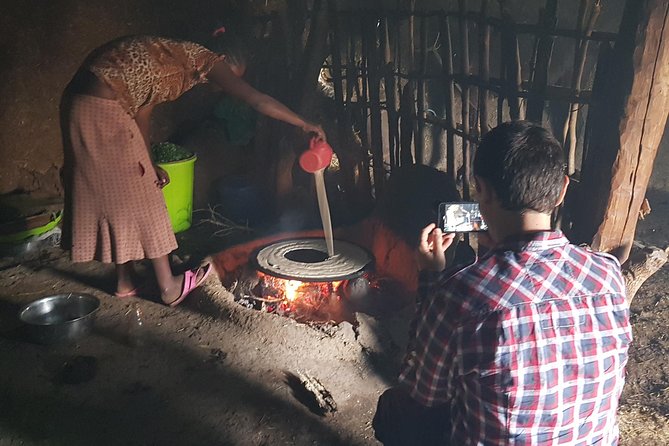
The best practical takeaway is the Enset story. You learn how Dorze people prepare bread and porridge using the root of enset, often described as the false banana tree. Even if you do not taste everything, watching how food roots become staples gives you a real-world view of how people live with what grows locally.
If you are sensitive to heat, sun, or walking on uneven ground, bring a hat and take breaks. Village time can be slower than city time, and the goal is understanding, not speed.
Private departures elsewhere in Ethiopia
Shashamene Rastafarian community and the easy magic of Awassa sunset
From Dorze areas, you drive toward Awasa with a stop that adds a different kind of cultural layer: Shashamene. You visit the Jamaican Rastafarian community and their church, with time to learn the religious and historical background of Rastafarianism in this region. The schedule includes about 2 hours here, and admission is marked as free.
This is a good counterpoint to the tribal visits. Instead of village tradition tied to ethnicity and territory, you get diaspora religion and the way a faith community took root in Ethiopia. I like that the tour frames it with both religious and historical context, which helps you avoid turning it into surface-level curiosity.
After lunch in Shashamene, the day shifts to Awasa. You end with a lakeside walk on the shore and a chance to watch sunset. The tour gives about 1 hour for this, and admission is free. You do not need a fancy viewpoint to enjoy Awassa. The timing alone helps, and the walk lets you step away from the day’s driving.
A small travel note: sunset time can be breezy. Bring a light layer even if the daytime feels warm.
Awassa fish market and a gentle walk in Abiyatta-Shalla Lakes National Park
Day 4 starts with the Fish Market at Awassa Lake. The focus is simple and real: you see how locals collect the fish catch by net, clean it by hand, and then enjoy breakfast of fresh catch fish. Admission is marked as not included for this stop.
Here is what you should expect from a practical point of view. You are not going to a packaged “experience.” You are walking through live work. That means smells, noise, and sudden movements. If that sounds unpleasant, keep your expectations grounded. If you like seeing how a place actually runs, this is one of the strongest moments of the whole trip.
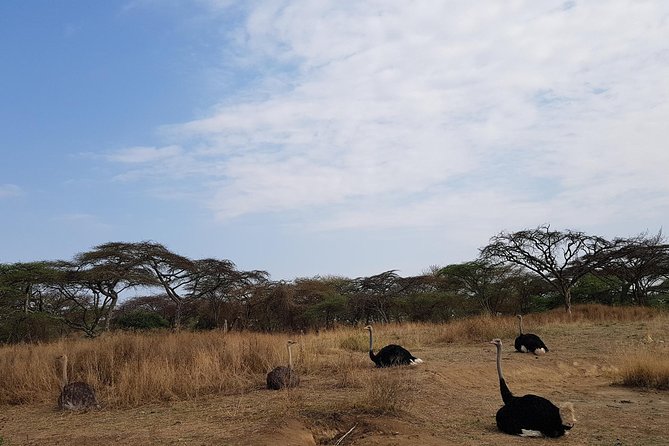
Next up is Abiyatta-Shalla Lakes National Park. You take a gentle walking tour (about 1 hour) with chances to see wildlife such as gazelles, warthogs, and ostriches. You also get viewpoints for Lake Abidjatta and Lake Shalla scenery. Admission for this park time is marked as not included.
This is a smart choice for a mixed trip like this. A gentle walk fits the tour’s pace, and the goal is spotting plus viewpoint time, not hard hiking. If you come expecting a safari-style day full of long drives, this is more about seeing the park on foot and taking in the lake views.
Lake Ziway lunch, a swimming-safe stop, and the crater lakes on the return
Before heading back to Addis Ababa, you stop at Lake Ziway for lunch and time by the shore of the Rift Valley. The tour notes a key advantage: Lake Ziway is free from bilharziasis and safe for swimming. Admission for this portion is marked as included, and you get about 1 hour for the overall Ziway and return stop.
If swimming is on your wish list, this is the moment to ask your guide what time makes sense, and whether conditions allow it safely. The information here is specific, so it is worth paying attention.
The itinerary also includes a final change of scenery on the way back: a stop at Ziway and one crater lake of Bishoftu. This is shorter, but crater-lake viewpoints can be a nice last visual reset after the villages and market scenes.
Price and value: what you are paying for, and what you still must cover
The tour price is $1,285 per group for up to 6 people, for about 4 days. That can sound high until you break down what is included. For a private experience, you are paying for:
- A Toyota minivan with air conditioning and seat belts
- A professional informative English-speaking guide
- Local tour guidance at stops
- Bottled water and local snacks in the car
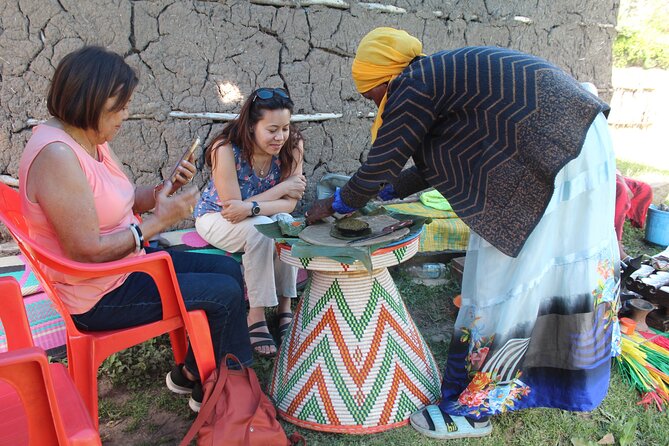
- The Ethiopian coffee ceremony
- Included fees and taxes, plus site fees where the tour lists them as included
What is not included is equally important:
- Accommodations
- Meals and drinks (beyond what is noted for coffee ceremony attendance and coffee)
- Any extra costs for activities or entries marked as not included, like Tiya and parts of Dorze, fish market, and the national park
To judge value, think in terms of stress and time saved. Even with great planning, reaching Konso, Dorze, and Awasa in a coordinated way is hard and slow. This tour wraps you into one route, with built-in timing for multiple major cultural stops. If you split the group cost across 4 to 6 people, it can become one of the better ways to do southern Ethiopia privately without cutting corners on guidance.
Good hotel suggestions are given for key bases: in Arba Minch, Paradise Lodge and Haile Resort are highlighted, and in Awasa, Lewi Resort and Haile Resort are suggested. Since accommodations are not included, picking from these options can make your nights more comfortable, which also helps you enjoy the next day’s driving.
Practical travel notes: rainy season timing, clothing rules, and fitness
Southern Ethiopia in June, July, and August is rainy season. Plan for rain, muddy patches, and wetter ground around villages and viewpoints. Bring rain protection and quick-dry layers if you can. Also, expect that travel between regions can feel slower than you hope.
The tour asks for moderate physical fitness. That does not mean “mountain athlete,” but it does mean you should be comfortable with short walks, uneven ground, and village steps. You do not need to train for a marathon, but you should not show up with zero walking stamina either.
One respectful clothing note you are given involves hair coverage for women when visiting Adadi Mariam Rock Church. Even if that specific church is not listed in the day-by-day stops you see, it is smart to prepare for the possibility that church visits come with dress expectations in this region. A scarf you can pack easily is an easy solution.
Should you book this southern Ethiopia private tour?
I’d book this tour if you want a balanced 4-day hit of culture and natural settings, and you appreciate having an English-speaking guide explain what you are seeing. The mix is strong: UNESCO at Tiya, Konso with terraced farming and the King of Konso, Dorze bamboo huts with Enset food knowledge, Rastafarian history in Shashamene, Awassa sunset, a real fish market morning, and then Abiyatta-Shalla with wildlife chances plus lake viewpoints.
I would think twice if you hate tight schedules or prefer fewer stops with more time at each. Also, if you want every single admission fee handled in advance, pay attention to the items marked as not included, because you may need to set aside extra cash on the ground.
FAQ
Will this tour be private?
Yes. This is a private tour, and only your group will participate.
How many people are included per group?
The price is listed per group up to 6 people.
Is pickup offered from Addis Ababa?
Pickup is offered.
What is included in the tour price?
The tour includes a private Toyota minivan with air conditioning and seat belts, a professional English-speaking tour guide (and local tour guides), family visits, an Ethiopian coffee ceremony, bottled water and local snacks in the car, and all fees and taxes.
Are accommodations included?
No. Accommodations are not included.
Are meals included?
No. Meals and drinks are not included, aside from coffee ceremony attendance and coffee.
Is admission included for all stops?
Not for every stop. The tour information lists some sites as admission ticket not included, such as Tiya, Dorze Village, the fish market, and Abidjatta-Shalla National Park.
What should I wear for cultural or church visits?
The tour notes that women are expected to cover hairs when visiting Adadi Mariam Rock Church.
When is rainy season, and how should I prepare?
June, July, and August are rainy season. Dresswise, you should prepare accordingly for wet weather.
Is the tour suitable for people with limited mobility?
The tour says travelers should have a moderate physical fitness level, so plan for short walks and village terrain.
Browsing Ethiopia More Widely
- Full Day Tour of Addis Ababa with Hotel Pickup and Drop-off
★ 5.0 · 430 reviews - Addis Ababa: Debre Libanos, Blue Nile Gorge, and Cave Tour
★ 4.5 · 256 reviews - Addis Ababa Guided City Tour With Airport & Hotel Pick Up
★ 5.0 · 237 reviews - Breathtaking Nature, Wildlife and Cave Church Tour – Free Pickups
★ 5.0 · 225 reviews - Full-Day Private City Tour of Addis Ababa
★ 5.0 · 147 reviews
The Rest of the Ethiopia List
- Full Day Tour of Addis Ababa with Hotel Pickup and Drop-off
★ 5.0 · 430 reviews - Taste of Ethiopia
★ 5.0 · 406 reviews - Day Trip From Addis Ababa See Historical Monastery,Stunning Nature,Animals,Birds
★ 5.0 · 303 reviews - Addis Ababa: Debre Libanos, Blue Nile Gorge, and Cave Tour
★ 4.5 · 256 reviews - Addis Ababa Guided City Tour With Airport & Hotel Pick Up
★ 5.0 · 237 reviews
Other Ethiopia tours we have written up
Arba Minch, Dorze & Konso, compared.
 ★ 5.03 days around Arbaminch and Konso Adventure Tours Life TimeFrom $79924 reviews
 ★ 5.0Private 3 Days Adventure Tour Through Arba MinchFrom $85616 reviews
 ★ 5.03 days, Arba Minch and DorzeFrom $1,4107 reviews
 ★ 5.06 Days Omo valley Tribal Tour (Starts Arba Minch End Jinka)From $1,6007 reviews
 ★ 5.0From Arba Minch: 4-Day Omo Valley Tribal Guided TourFrom $5995 reviews
 ★ 5.03 Days, Arba Minch, Dorze village and Konso VillageFrom $1,0005 reviews
Browse the lists this tour appears in