
REVIEW · ADDIS ABABA CITY TOURS
Addis Ababa Sightseeing
History hides in Addis streets and churches. This full day route strings together fossil, faith, and imperial-era landmarks, with the National Museum of Ethiopia as your early anchor.
What I like most is how practical it feels: an air-conditioned vehicle keeps the day comfortable, and the tour is run as a private setup for your group. I also appreciate the human touch, because guides like Tariq, Tesfaye, and Samson are known for friendly, warm explanations, plus the sort of patience that keeps mornings from going sideways.
One thing to consider is timing. Entoto Maryam’s painted interior is only viewable right after morning services usually end around 9am, so you will want to be ready to move early and follow the schedule closely, even if you want extra photo time.
In This Review
- Key things to know before you go
- A full-day Addis Ababa plan that makes sense
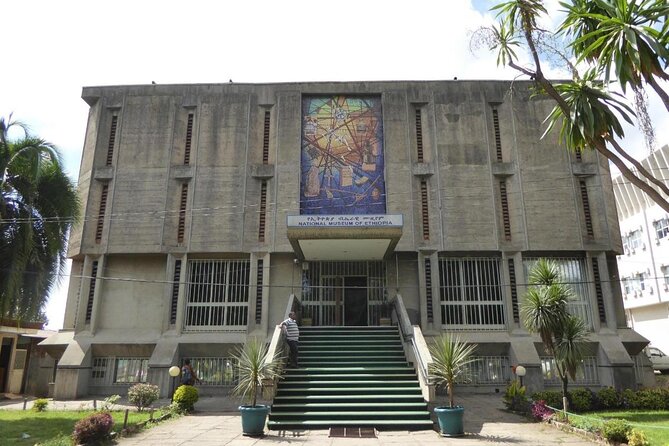
- National Museum of Ethiopia, Lucy and Selam in one stop
- Entoto Maryam Church, octagonal design and service-time paintings
- Holy Trinity Cathedral, Kidist Selassie and liberation from Italy
- Unity Park and the former imperial palace grounds
- St. George’s Cathedral, Tabot, Adwa, and WWII-era fire
- Getting there comfortably: 7:00am start and paced time windows
- Price and value: what you pay for, and what it means
- Practical advice to get the most from each stop
- Should you book this Addis Ababa sightseeing day?
- FAQ
- How long is the Addis Ababa sightseeing tour?
- What time does the tour start?
- Where is the meeting point?
- Is pickup offered?
- Is this tour private?
- What is included in the price?
- What is not included?
- Does the tour use a mobile ticket?
- Is the tour appropriate for most people?
- What is the cancellation policy?
- Is there a minimum number of people for this price?
Key things to know before you go
- A tight, well-fed day: lunch plus bottled water are included, and the pace is planned around set stop lengths.
- Museum for your science side: you get about an hour at the National Museum, including Lucy and the Selam fossil display.
- Church timing matters: Entoto Maryam’s interior paintings are easiest to catch immediately after morning service.
- Big religious and political symbolism: Holy Trinity Cathedral commemorates liberation from Italian occupation.
- Imperial threads continue: Unity Park’s former palace grounds lead naturally into the St. George’s Cathedral story tied to Adwa.
Other ways to take on the capital in a day
- Full Day Tour of Addis Ababa with Hotel Pickup and Drop-off★ 5.0 · 430 reviews
- Full-Day Private City Tour of Addis Ababa★ 5.0 · 147 reviews
- Addis Ababa Authentic Private City Tour★ 5.0 · 134 reviews
- Authentic Addis Ababa City Tour with a Local Guide★ 4.9 · 109 reviews
A full-day Addis Ababa plan that makes sense
A day like this is built for people who want the main meaning of Addis Ababa without wasting hours figuring things out. You hit five major sites in roughly 8 to 9 hours, and you get a vehicle that keeps you moving even when the city traffic decides to be unpredictable.
The tour also feels flexible in the good way. You are not stuck in a rigid script where you have zero room to ask questions. In a private group, that flexibility matters, because Addis landmarks are the kind where you will naturally want to slow down when something connects to Ethiopian history, not just race through for the photos.
And yes, comfort counts. The best comments about this experience focus on a comfortable journey, with drivers who show up ready to help and respond to requests without making it complicated. That is not a small detail in Addis, where weather, road conditions, and timing can change fast.
National Museum of Ethiopia, Lucy and Selam in one stop
The National Museum of Ethiopia is where the day gets very real, very fast. You start here with about an hour on site, and admission is included, so you can get straight into the fossil displays instead of stopping to sort paperwork.
Two fossils anchor the museum visit. First is Lucy, a partial skeleton of Australopithecus afarensis. It is the kind of find that turns the museum from art and artifacts into something closer to a scientific landmark. Second is Selam, a fossil found between 2000 and 2004, displayed in a basement gallery. Selam is estimated to date to about 3.3 million years ago.
If you like museums, this stop is strong because it is not just a single room of science trivia. The museum also includes archaeological and artistic treasures, so it gives you multiple angles on how Ethiopia’s past is understood and presented. If you are less into fossils, you will still get something from seeing how the story is physically curated, with major finds placed where you can actually spend time looking.
The main practical point: give yourself a small buffer in your head. You have one hour, so you will have to choose what you want to linger over. I suggest doing the Lucy and Selam highlights first, then use whatever time remains for other galleries that catch your eye.
Entoto Maryam Church, octagonal design and service-time paintings
Entoto Maryam Church is one of the stops that teaches you how Addis spirituality shows up in architecture and daily life. This church is described as the oldest functional building in the area, built by Menelik II around 1882, when his capital was based here.
You get about 40 minutes at Entoto Maryam. Admission is included, and there is also a site museum with religious items and ceremonial clothing from the Menelik era. One key detail: the lovely traditional interior paintings are only viewable immediately after morning services, which usually end around 9am. If your timing slips, those paintings might be much harder to see.
Here is how to make this work for you. Since the tour starts early at 7:00am, the plan is set up so you have a realistic shot at catching the interior right after services. Still, you should be ready to follow local guidance on entry timing and movement inside the church compound.
The octagonal shape is another reason this stop is worth your time. It helps you notice that Ethiopian Orthodox church design is not just about what is inside. The building form itself matters, and it frames the space where people gather, pray, and maintain tradition.
Holy Trinity Cathedral, Kidist Selassie and liberation from Italy
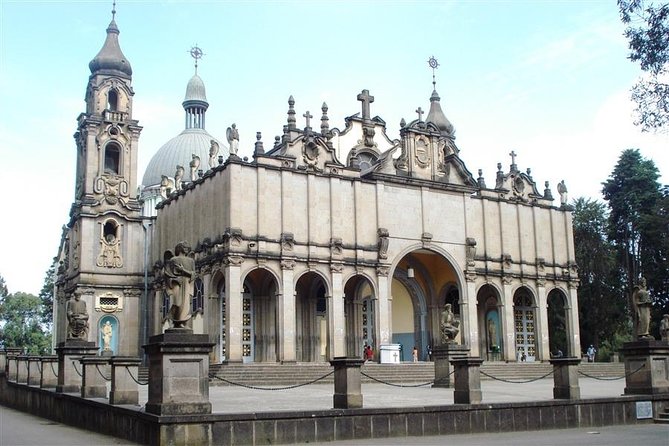
Next comes Holy Trinity Cathedral, known in Amharic as Kidist Selassie. This stop is shorter, around 30 minutes, but it carries major meaning.
The cathedral was built to commemorate Ethiopia’s liberation from Italian occupation. It is described as the highest-ranking Ethiopian Orthodox Tewahedo cathedral in Addis Ababa, and it is also noted as the second most important place of worship in Ethiopia after the Church of Our Lady Mary of Zion in Axum.
What I appreciate about this stop is that it is not abstract. You can stand inside and feel how the building is meant to anchor a national turning point. When you pair this with the museum stop earlier, the day starts to connect in your head. Fossils and antiquity are one layer. Later history, faith, and identity are another.
Because your time here is limited, treat this as a moment to focus on a few things: the overall space, the visible symbolism, and any interpretive explanations your guide shares. If you try to see everything at once, 30 minutes will feel short. If you pick what matters to you, it feels complete.
Unity Park and the former imperial palace grounds
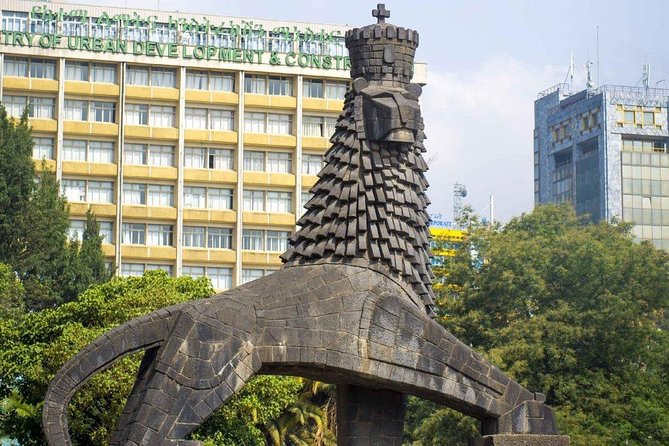
Unity Park is the stop that shifts you from sacred buildings into the story of power and state. The palace compound once housed Ethiopia’s emperors, and today the government has rebranded the area as Unity Park.
You get about an hour here, with admission included. This length is helpful because palace grounds are easy to rush through, and then you lose the sense of scale. Even if you are not a dedicated history person, it is worth using the time to notice how the compound layout communicates authority.
This stop also helps you understand why Addis Ababa feels like it has multiple Addis Ababas. There is the everyday city side, the museum and church side, and then the state and legacy side. Unity Park is where that last layer becomes visible.
A good way to get more from Unity Park is to ask for connections. For example, how does the emperor-era story show up in religious institutions you saw earlier? When your guide explains those threads, the day stops feeling like a checklist and starts feeling like one coherent map.
St. George’s Cathedral, Tabot, Adwa, and WWII-era fire
Your final major stop is St. George’s Cathedral, with about 40 minutes on site and admission included.
The story here is dramatic and specific. The new church was built on the ruins of an older church from the 15th century. It was named after St. George, connected to the Tabot, the Ark of the church, which was carried to the Battle of Adwa. That matters because Adwa is tied to Ethiopia’s victory against the Italians.
The building also has a clear 20th-century war chapter. In 1938, an Italian tourist publication described the church as a fine example of the European interpretation of Ethiopian church design. Then the Italian Fascist authorities set the building on fire during the war in 1937. After liberation in 1941, the cathedral was restored by the Emperor.
That long arc is why this stop earns its time. You are not just seeing a church. You are watching a timeline play out in buildings, destruction, and restoration.
One practical tip for this final stop: save your energy. By now you have already spent time in museum halls and churches. St. George’s can still be emotionally intense, so give yourself space to sit if there is somewhere to do it, and take your time reading any on-site context you are shown.
Getting there comfortably: 7:00am start and paced time windows
The day starts at 7:00am, and that early start is not just for show. It helps you line up the one tricky timing item you have at Entoto Maryam, plus it keeps you from spending more time in traffic than you have to.
You ride in an air-conditioned vehicle, and you also get bottled water and lunch. That combination does more than just keep you cool. It helps you stay in the day, rather than turning sightseeing into a snack-and-sprint routine.
The tour is private, restricted to your group, which changes how the day feels. If someone needs a short break or wants to ask a question, you are not waiting for strangers to catch up. This is a big deal for comfort and for safety, and it is also why many comments focus on feeling looked after.
The tour duration is listed as 8 to 9 hours. That is long enough to feel you saw the best of Addis landmarks, but short enough that you are not stuck in logistics all day. When you plan around it, I recommend thinking of it as a full-day orientation to the city’s major identity themes: ancient origins, faith, independence, and legacy.
Price and value: what you pay for, and what it means
At $192.31 per person, the price is not “cheap,” but it does not look inflated for what you actually get. You are paying for structured access to major sites, a vehicle, meals, and included tickets, not just transportation and a vague route.
Here is the value equation that stands out:
- Admission tickets are included at every stop: the National Museum, Entoto Maryam, Holy Trinity Cathedral, Unity Park, and St. George’s Cathedral.
- You get lunch and bottled water, plus dinner is listed under included items.
- An air-conditioned vehicle handles the city driving.
- Parking fees and GST are included.
- The tour also lists airport or departure tax as included.
What is not included is also clear: alcoholic beverages, and landing and facility fees. That is normal for many tours, but it is useful to plan around it if you like an evening drink later.
Who this is best for: people who want a curated intro day to Addis Ababa, people who like history tied to real places, and anyone on a layover or short schedule. It is also ideal if you want a private guide experience with local context delivered in plain language.
The main limitation is that you cannot expect unlimited time at each stop. The experience is paced, and that can be a drawback if you want slow wandering. Still, in a day structured around five major sites, pacing is often what makes it work.
Practical advice to get the most from each stop
Do not treat this as a “take photos and leave” day. The value is in the connections between stops, like how Ethiopian Orthodox institutions relate to national milestones, or how the museum’s fossil finds fit into a longer view of human origins.
Also, be ready to move quickly at the church interiors. Entoto Maryam’s interior painting access is time-dependent, so if the guide asks you to be there right when the door opens, go. That is the difference between seeing the church as an empty shell and seeing it as it is meant to be seen.
Bring patience for the city itself. Even with an air-conditioned vehicle, Addis traffic and timing can vary. The best kind of tour day is one where you accept that the day is a conversation between your schedule and the city’s rhythms.
Finally, take comfort seriously. Comments tied to this experience highlight cheerful, attentive drivers and professional guidance, including moments where a driver waited for longer than planned to make sure the group connected. That is the kind of service that reduces stress, not adds it.
Should you book this Addis Ababa sightseeing day?
I would book this if you want a focused, high-value orientation to Addis Ababa in one day. The museum plus the cathedral-and-palace sequence gives you a clear narrative, not random stops. And the comfort factor matters, especially with an early 7:00am start, plus lunch and bottled water.
I would hesitate only if you hate tight time windows, or if you are the type who needs long, slow visits without any timing pressure. For a paced introduction, this works well.
If your goal is to leave Addis understanding what the city centers on, this private day is a solid choice. It is the kind of plan where you go home with names, places, and the story behind them, not just a pile of photos.
FAQ
How long is the Addis Ababa sightseeing tour?
It runs about 8 to 9 hours.
What time does the tour start?
The start time is 7:00am.
Where is the meeting point?
The meeting point is Yama Ethiopia Tours & Travel, Haile Gebre Silase St, Addis Ababa 1000, Ethiopia.
Is pickup offered?
Yes, pickup is offered.
Is this tour private?
Yes, it is a private tour/activity, and only your group will participate.
What is included in the price?
The tour includes bottled water, lunch, an air-conditioned vehicle, GST, parking fees, dinner, and airport or departure tax. Admission tickets are included for each stop listed in the itinerary.
What is not included?
Alcoholic beverages and landing or facility fees are not included.
Does the tour use a mobile ticket?
Yes, the tour includes a mobile ticket.
Is the tour appropriate for most people?
The tour notes that most travelers can participate.
What is the cancellation policy?
Cancellation is free up to 24 hours in advance for a full refund. If you cancel less than 24 hours before the start time, there is no refund.
Is there a minimum number of people for this price?
Yes, the price is valid only when there are at least 2 persons in the group.
The Rest of the Ethiopia List
- Full Day Tour of Addis Ababa with Hotel Pickup and Drop-off
★ 5.0 · 430 reviews - Taste of Ethiopia
★ 5.0 · 406 reviews - Day Trip From Addis Ababa See Historical Monastery,Stunning Nature,Animals,Birds
★ 5.0 · 303 reviews - Addis Ababa: Debre Libanos, Blue Nile Gorge, and Cave Tour
★ 4.5 · 256 reviews - Addis Ababa Guided City Tour With Airport & Hotel Pick Up
★ 5.0 · 237 reviews
Addis Ababa, More Ways Round It
- Full Day Tour of Addis Ababa with Hotel Pickup and Drop-off
★ 5.0 · 430 reviews - Addis Ababa Guided City Tour With Airport & Hotel Pick Up
★ 5.0 · 237 reviews - Full-Day Private City Tour of Addis Ababa
★ 5.0 · 147 reviews - Addis Ababa Authentic Private City Tour
★ 5.0 · 134 reviews - Authentic Addis Ababa City Tour with a Local Guide
★ 4.9 · 109 reviews
Other Ethiopia tours we have written up


Addis Ababa City Tours, compared.
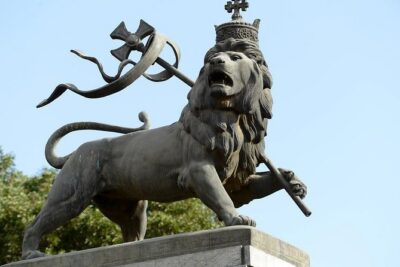 ★ 5.0Full Day Tour of Addis Ababa with Hotel Pickup and Drop-offFrom $69430 reviews
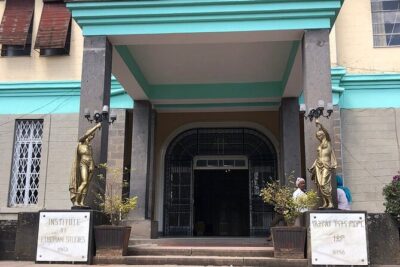 ★ 5.0Addis Ababa Guided City Tour With Airport & Hotel Pick UpFrom $55237 reviews
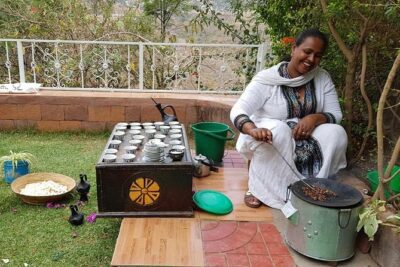 ★ 5.0Full-Day Private City Tour of Addis AbabaFrom $160147 reviews
 ★ 5.0Addis Ababa Authentic Private City TourFrom $75134 reviews
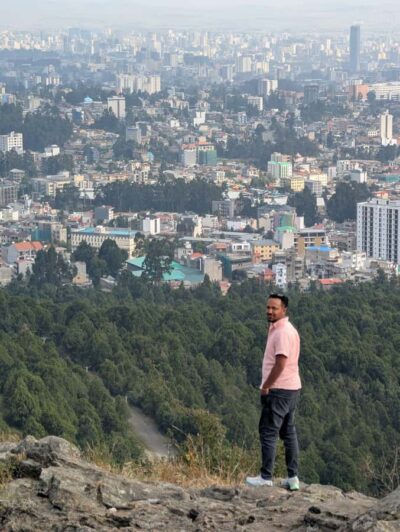 ★ 4.9Authentic Addis Ababa City Tour with a Local GuideFrom $67109 reviews
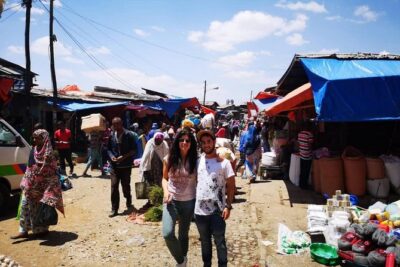 ★ 5.0Prepare for the Best Day Tour in Addis AbabaFrom $90104 reviews
 ★ 5.0Hidden Treasures of Addis Ababa – Food, Culture and History TourFrom $7557 reviews
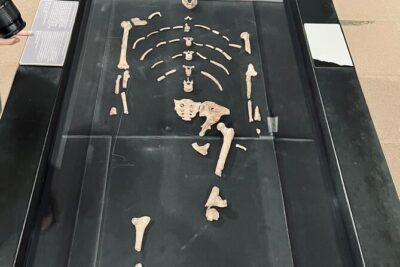 ★ 5.0Addis Ababa Guided City ToursFrom $10057 reviews
Browse the lists this tour appears in