
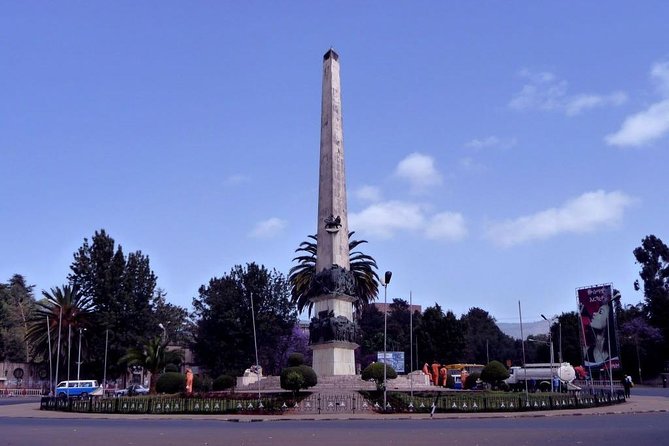
REVIEW · ADDIS ABABA CITY TOURS
Addis Ababa City Tour
Entoto Mountain views set the tone fast, and this Addis Ababa city tour mixes top sights with real-life stops. I like the smart museum combo (Entoto area history plus the National Museum and Lucy) and the included coffee moment at the end of the sightseeing stretch. The one catch is that you’ll do a fair amount of walking and moving between neighborhoods, so plan for a moderate fitness day.
You’ll also appreciate how this is handled like a proper private tour, not a rushed checklist. Pickup is offered, entry fees are included, and you get a guided day that aims to show you more than just postcards, with market time and standout churches.
In This Review
- Key things that make this Addis Ababa tour worth your time
- Why Entoto Mountain sets up your whole day
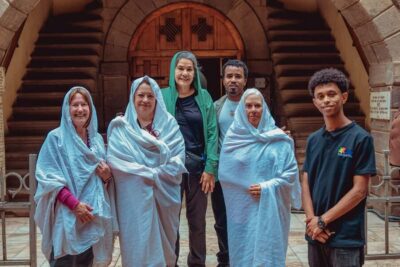
- Entoto Maryam Church and museum, plus a real introduction to Ethiopian culture
- The Shiro Meda market move: shopping energy without losing the tour rhythm
- Addis Ababa University’s ethnological museum in Haile Selassie’s former palace
- National Museum of Ethiopia and Lucy: what to watch for
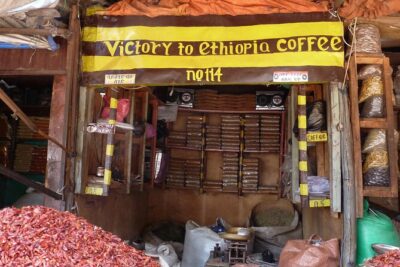
- Mercato market: a fast taste of Addis Ababa’s everyday economy
- Holy Trinity Cathedral: a major spiritual landmark in city context
- What you actually get for $200, and where the value comes from
- Pickup, timing, and the “private tour” difference
- Pace and practical tips for a smooth 6.5-hour city day
- Who this Addis Ababa city tour suits best
- Should you book this Addis Ababa city tour?
- FAQ
- How long is the Addis Ababa City Tour?
- What is the price per person?
- Does the tour include pickup?
- Is there a mobile ticket?
- What major places does the tour visit?
- What is included in the tour price?
- What is not included?
- Is this a private tour?
- What fitness level do I need?
- FAQ
- When does the tour run?
- Where does the tour end?
Key things that make this Addis Ababa tour worth your time
- Entoto Mountain first, so you start with the big picture of the city
- Ethnological Museum at Addis Ababa University in Haile Selassie’s former palace
- National Museum of Ethiopia, where you can see Lucy and understand why she matters
- Mercato and Shiro Meda market stops for everyday Addis Ababa color
- Private pacing, with guides like Haile and Meseret known for adjusting to your speed
- English-led guidance and a clean, comfortable car with an experienced driver such as Redwan
Other ways to take on the capital in a day
- Full Day Tour of Addis Ababa with Hotel Pickup and Drop-off★ 5.0 · 430 reviews
- Full-Day Private City Tour of Addis Ababa★ 5.0 · 147 reviews
- Addis Ababa Authentic Private City Tour★ 5.0 · 134 reviews
- Authentic Addis Ababa City Tour with a Local Guide★ 4.9 · 109 reviews
Why Entoto Mountain sets up your whole day
If you only do one thing right in Addis Ababa, do it early. Starting on Entoto Mountain gives you a sweeping view down over the city, before you spend hours moving through streets, traffic, and crowds. It’s the fastest way to get your bearings. Even if you don’t memorize street names, you’ll feel how the city sits and spreads.
The Entoto area also brings a different mood than downtown. The tour description calls out fresh air coming from eucalyptus forests, which is a big deal in a city where the weather can feel thick. On a practical level, that early break from the heat and congestion helps you enjoy the rest of the day more.
One more plus: the morning view helps you understand what you’ll be seeing later, especially once you reach museums and major landmarks around the capital.
Entoto Maryam Church and museum, plus a real introduction to Ethiopian culture
From the mountain viewpoint, you visit Entoto Maryam church and its museum. This stop matters because it’s not just a church photo moment. You’re getting a first cultural anchor before the day flips into museums and city neighborhoods.
A good guided visit here helps connect symbols, setting, and story. It also gives you context for how Ethiopia’s heritage is explained in different ways across the capital. If you’re the type who likes to know what you’re looking at, you’ll likely enjoy this.
This is also where the tour’s pacing becomes clear. It runs close to half a day’s worth of key sights in a focused sequence, not a long, tiring all-day museum marathon.
The Shiro Meda market move: shopping energy without losing the tour rhythm
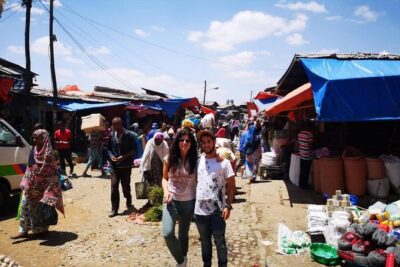
After heading down from Entoto, the tour goes toward Shiro Meda, described as the city’s largest market for traditional clothes. This is one of the places where Addis Ababa feels like Addis Ababa, not a theme park for visitors.
Even if you don’t plan to buy anything, you’ll get a sense of daily life and local style. Markets like Shiro Meda can be overwhelming on your own, so having a guide helps you understand what you can safely explore and where to keep your attention.
Practical note: markets are the kind of stop where your senses get busy fast. Expect people, motion, and plenty of textures and colors. The good part is that it breaks up the museum time so your day doesn’t feel like constant indoor walking.
Addis Ababa University’s ethnological museum in Haile Selassie’s former palace
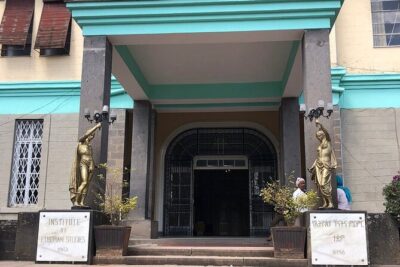
Next up is the Ethnological Museum on the campus of Addis Ababa University. The tour description highlights that it sits in the former palace of Haile Selassie, which makes the setting feel important even before you read a single label.
What I like about this stop is the way it frames Ethiopia’s cultures as something you can actually see. The museum is designed around the diversity of Ethiopian cultural life, and doing it early gives you a framework. Once you understand that broad cultural picture, the National Museum visit later lands better.
This stop is also a reminder that Addis Ababa’s history isn’t only in monuments. It’s in buildings, in institutions, and in how museums choose to present identity.
Time-wise, plan for a solid chunk here. The listing includes entry time, and you’ll want enough space to read what you can. Don’t rush this one.
City walks and drives elsewhere in Ethiopia
National Museum of Ethiopia and Lucy: what to watch for
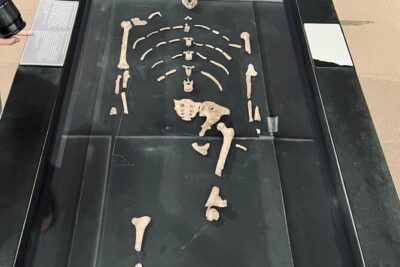
The highlight for many people is the National Museum of Ethiopia, where Lucy is housed. If you’ve ever wondered how a single discovery can reshape the way people talk about human origins, this is the place to make that connection in person.
This stop is valuable for a simple reason: it turns a famous name into something you can stand in front of. With a guide, you also get help understanding why Lucy matters beyond the headlines.
The museum time in the tour is clearly set aside, not squeezed in as an afterthought. If you’ve got questions about Ethiopian science education, history interpretation, or how the museum presents evidence, asking your guide during the visit is a good use of your time.
One caution: museums are quiet, and the day before and after can be busy. Pace yourself. If your feet start complaining, you can still keep your focus by prioritizing the areas your guide points out.
Mercato market: a fast taste of Addis Ababa’s everyday economy
After museums, the itinerary includes Mercato Market. This is a classic Addis Ababa stop for watching real commerce in action. It’s also a good shift in energy after indoor time.
Even though the listing shows a very short window here, the point is not deep shopping. It’s a quick contact with street-level Addis life. If you use the moment well, you can walk away with a stronger sense of the city’s rhythm.
A smart approach at Mercato is to pick one goal. Maybe it’s looking at food stalls from the outside, maybe it’s checking out textiles from a distance, or maybe it’s just taking in what kinds of products people trade. You don’t have to buy anything to learn a lot.
If you tend to get overstimulated in crowded places, bring your patience with you. A guide will help you move efficiently.
Holy Trinity Cathedral: a major spiritual landmark in city context
The last major sight listed is Holy Trinity Cathedral. This kind of stop can feel straightforward when you just see the building from the outside, but a guided visit helps you connect the cathedral to the city around it.
I also like that it closes the day with something visually and spiritually significant, rather than finishing with another market push. It gives your brain a chance to settle after a day that mixes museums, streets, and dense neighborhood scenes.
Keep in mind: cathedrals are places with active meaning. Even without any special instructions in the tour details, a calm tone and respectful behavior go a long way.
What you actually get for $200, and where the value comes from
At $200 per person for about 6 hours 30 minutes, this is not a bargain price. But it can be strong value if you compare it to what you would spend on your own.
Here’s what’s included:
- Entrance fees (for the stops that charge during your route)
- Guide service
- Transportation
- Mineral water
- Coffee Ceremony or Tomoca Coffee
What that means for you:
- You’re paying for fewer unknowns. Entry and guidance are handled, so you’re not standing around figuring things out.
- Transportation matters in Addis Ababa, where you do not want to transfer between far-flung stops on your own plan.
- The included coffee break is a nice touch, because it’s not just a consolation prize. It’s a chance to slow down, reflect on the day, and ask follow-up questions while you’re still with your guide.
What’s not included:
- Tips
- Food and alcoholic drinks
- Tickets and flights
If you like structure but hate wasting time, this setup fits.
Pickup, timing, and the “private tour” difference
This is a private tour/activity, meaning your group participates together. That matters more than people expect. In a city with busy streets and variable pacing, being able to set a reasonable rhythm can improve the whole day.
The tour listing also states pickup is offered and that you get a mobile ticket. In practice, private pacing tends to reduce the awkward parts of travel, like searching for your group, waiting in the wrong spot, or getting left behind while you shop for one more thing.
From past experiences with this operator’s team, guides such as Haile and Meseret have been described as easy to communicate with and flexible with your pace. The driver, such as Redwan, has also been mentioned in connection with comfort and experience. That combination is exactly what you want when your day includes both museums and markets.
Pace and practical tips for a smooth 6.5-hour city day
You’ll want to treat this as a full half-day, not a light stroll. The tour notes that it requires moderate physical fitness and is not recommended for travelers with any kind of illness.
So here’s how to make it easier on yourself, based on how the day is set up:
- Wear comfortable shoes. You’ll combine viewpoints, museum walking, and market movement.
- Bring sunglasses and sun protection if you go in bright weather. Entoto and outdoor stretches can be exposed.
- Plan for changing moods. Museums slow you down. Markets speed you up. Your guide helps manage that rhythm.
- Stay hydrated. Mineral water is included, but having your own water habit helps too.
Weather also matters. The experience requires good weather, and if it’s canceled due to poor weather, you’ll be offered a different date or a full refund. That’s a key detail in Addis Ababa because visibility and outdoor comfort can affect how much you enjoy the Entoto portion.
Who this Addis Ababa city tour suits best
This tour is a smart match if:
- You want a guided highlights route with history, culture, and a little nature, without spending weeks planning
- You care about Ethiopian context, not only photos
- You like museums but also want some city-life energy, through markets
- You prefer private pacing and clear guidance in English-led explanations (the tour notes guide service, and prior bookings have mentioned English-led tours)
It may feel like too much if:
- You want a very laid-back day with minimal walking
- You have health limitations that make museum and street movement hard
- You’re chasing only one type of attraction, like purely religious sights or purely shopping
Should you book this Addis Ababa city tour?
I’d book it if you want a structured day that hits the big cultural and historical anchors of Addis Ababa, starting with Entoto Mountain and finishing with major landmarks like Holy Trinity Cathedral. The best reason to choose this one is the mix: a museum framework that explains identity, a major science/history moment with Lucy, and real city-life textures through Shiro Meda and Mercato.
Before you commit, check your comfort level with moderate walking, and keep an eye on the weather. If you’re the kind of traveler who likes asking questions, having a guide like Haile or Meseret can make the day feel more like understanding the city and less like collecting stops.
If you want a guided Addis Ababa half-day that feels organized, culturally grounded, and not stuck in only one lane, this one is a strong choice.
FAQ
How long is the Addis Ababa City Tour?
It runs for approximately 6 hours 30 minutes.
What is the price per person?
The price is $200.00 per person.
Does the tour include pickup?
Yes, pickup is offered.
Is there a mobile ticket?
Yes, the tour includes a mobile ticket.
What major places does the tour visit?
The tour includes stops such as Entoto Maryam church and museum, the ethnological museum at Addis Ababa University, the National Museum of Ethiopia (Lucy), Mercato Market, and Holy Trinity Cathedral, with time spent around markets like Shiro Meda.
What is included in the tour price?
Entrance fees, guide service, transportation, mineral water, and a coffee ceremony or Tomoca coffee are included.
What is not included?
Tips, tickets and flights, and food and alcoholic drinks are not included.
Is this a private tour?
Yes. It is a private tour/activity, and only your group participates.
What fitness level do I need?
The tour requires a moderate physical fitness level and is not recommended for travelers with any kind of illness.
FAQ
When does the tour run?
The opening hours listed are 9:00 AM to 5:00 PM, Monday through Sunday.
Where does the tour end?
It ends back at the meeting point.
Browsing Ethiopia More Widely
- Full Day Tour of Addis Ababa with Hotel Pickup and Drop-off
★ 5.0 · 430 reviews - Addis Ababa: Debre Libanos, Blue Nile Gorge, and Cave Tour
★ 4.5 · 256 reviews - Addis Ababa Guided City Tour With Airport & Hotel Pick Up
★ 5.0 · 237 reviews - Breathtaking Nature, Wildlife and Cave Church Tour – Free Pickups
★ 5.0 · 225 reviews - Full-Day Private City Tour of Addis Ababa
★ 5.0 · 147 reviews
The Rest of the Ethiopia List
- Full Day Tour of Addis Ababa with Hotel Pickup and Drop-off
★ 5.0 · 430 reviews - Taste of Ethiopia
★ 5.0 · 406 reviews - Day Trip From Addis Ababa See Historical Monastery,Stunning Nature,Animals,Birds
★ 5.0 · 303 reviews - Addis Ababa: Debre Libanos, Blue Nile Gorge, and Cave Tour
★ 4.5 · 256 reviews - Addis Ababa Guided City Tour With Airport & Hotel Pick Up
★ 5.0 · 237 reviews
Addis Ababa, More Ways Round It
- Full Day Tour of Addis Ababa with Hotel Pickup and Drop-off
★ 5.0 · 430 reviews - Addis Ababa Guided City Tour With Airport & Hotel Pick Up
★ 5.0 · 237 reviews - Full-Day Private City Tour of Addis Ababa
★ 5.0 · 147 reviews - Addis Ababa Authentic Private City Tour
★ 5.0 · 134 reviews - Authentic Addis Ababa City Tour with a Local Guide
★ 4.9 · 109 reviews
Other Ethiopia tours we have written up



Addis Ababa City Tours, compared.
 ★ 5.0Full Day Tour of Addis Ababa with Hotel Pickup and Drop-offFrom $69430 reviews
 ★ 5.0Addis Ababa Guided City Tour With Airport & Hotel Pick UpFrom $55237 reviews
 ★ 5.0Full-Day Private City Tour of Addis AbabaFrom $160147 reviews
 ★ 5.0Addis Ababa Authentic Private City TourFrom $75134 reviews
 ★ 4.9Authentic Addis Ababa City Tour with a Local GuideFrom $67109 reviews
 ★ 5.0Prepare for the Best Day Tour in Addis AbabaFrom $90104 reviews
 ★ 5.0Hidden Treasures of Addis Ababa – Food, Culture and History TourFrom $7557 reviews
 ★ 5.0Addis Ababa Guided City ToursFrom $10057 reviews
Browse the lists this tour appears in