
REVIEW · DEBRE LIBANOS & THE PORTUGUESE BRIDGE
1-Day Tour Old bridge, Monastery,water falls Wildlife,Birds,
A monastery perched above wild ravines, this day trip ties together Debre Libanos, the Portuguese Bridge, and waterfall views north of Addis. You also get time in the Jemma River area, where birdlife and scenery are part of the point.
I love the sheer weight of the place, from the 13th-century tradition around Saint Tekle Haymanot to the cliffside churches built over centuries. I also like the mix of history and nature, especially the Portuguese Bridge stop where the cascade can look truly powerful in the rainy season.
The only real drawback is simple timing, it is a long day with a significant drive each way, so you need to treat this as a full-day outing, not a quick half-trip.
In This Review
- Quick hit highlights
- Debre Libanos and Portuguese Bridge, a day trip built around real contrasts
- The drive north: Mount Entotot to Ethiopia’s river country
- Entering Debre Libanos: Tekle Haymanot’s monastery above the Abbay tributaries
- The cliffside churches and what to look for on the visit
- The Tekle Haymanot cave walk and the holy spring water
- Portuguese Bridge: Portuguese style, Ethiopian-built timing, and waterfall power
- Jemma River viewpoints: where the Blue Nile story starts to feel real
- Wildlife and birds: how to actually get good spotting time
- Coffee ceremony and lunch: included comfort after long drives
- Price and value: what $148.85 buys you in this part of Ethiopia
- Why the guide matters at Debre Libanos and the bridge
- Practical tips for timing, weather, and photos
- Should you book this Debre Libanos and Portuguese Bridge day trip?
- FAQ
- How long is the tour?
- Where does the tour pick up in Addis Ababa?
- How big is the group?
- What is included in the tour price?
- Is entrance to Debre Libanos included?
- What kind of lunch is provided?
- Is alcohol included?
- What happens if the weather is poor?
Quick hit highlights
- Debre Libanos monastery on a terrace between cliff and gorge, with churches tied to Tekle Haymanot and Haile Selassie
- Tekle Haymanot cave and holy spring water, a short walk with real pilgrimage energy
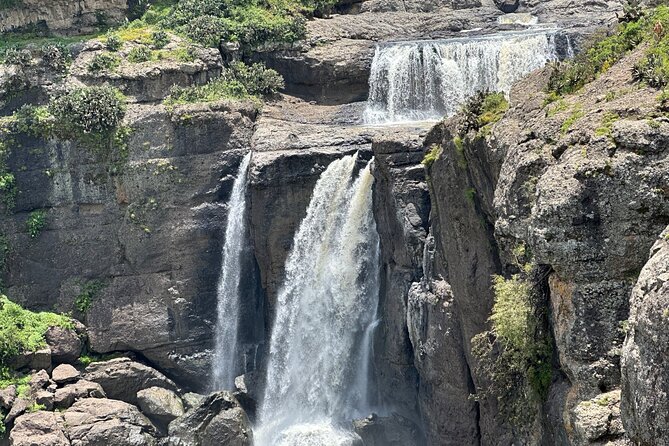
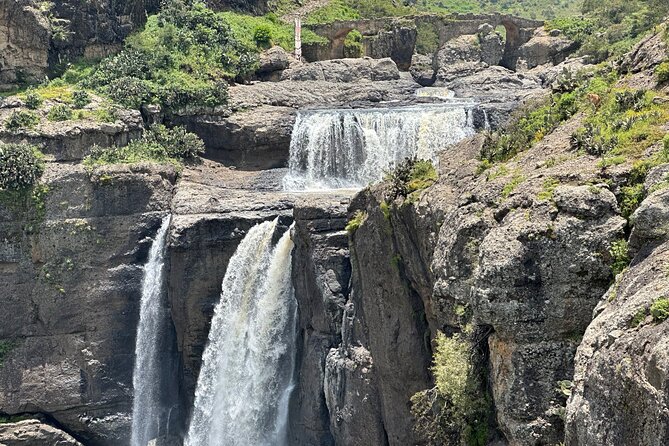
- Portuguese Bridge in old Portuguese style, plus gushing waterfall views below in rainy season
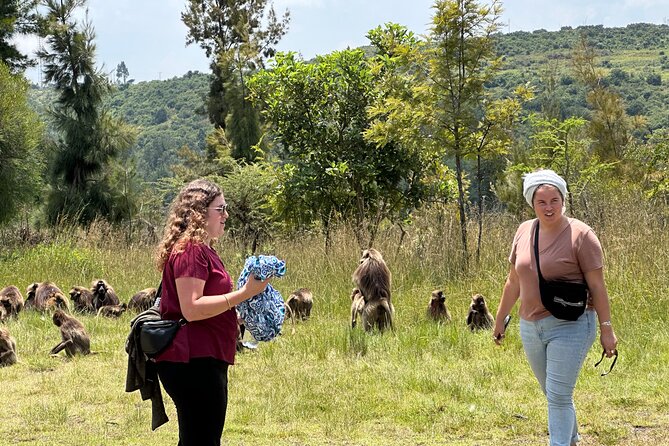
- Jemma River gorge viewpoint time with a solid chance to spot birds along the way
- Small group size (max 6) with an air-conditioned vehicle, bottled water, and WiFi on board
The same run north out of Addis, done differently
- Addis Ababa: Debre Libanos, Blue Nile Gorge, and Cave Tour★ 4.5 · 256 reviews
- Day Trip From Addis Ababa To Debre Libanos & Portuguese Bridge★ 4.5 · 64 reviews
- Day trip Debre Libanos, Bule nile George &Portugal Bridge★ 4.4 · 25 reviews
- Debre Libanos Monastery and Jemma River Gorge – Day Tour from Addis Ababa★ 5.0 · 20 reviews
Debre Libanos and Portuguese Bridge, a day trip built around real contrasts
This is the kind of Addis-area trip that feels properly balanced: a medieval monastery on a dramatic site, then a scenic river gorge moment, then a waterfall stop that can go from gentle to seriously impressive depending on the season. The route is set up as a loop day trip, starting in Addis Ababa and returning to your pickup point at the end.
The tour runs about 7 hours total, with pickup offered from Edna Mall in Addis Ababa (Cameroon St). The group stays small, up to 6 travelers, which matters here because you are visiting places where guidance and timing make the difference between a smooth visit and a rushed one.
Value is also built in. You get an air-conditioned vehicle, bottled water, WiFi on board, a local guide, and admission coverage for the main sights (Debre Libanos and Portuguese Bridge). On top of that, lunch and an Ethiopian traditional coffee ceremony are included.
The drive north: Mount Entotot to Ethiopia’s river country

Expect an early start and a lot of time on the road. The trip goes about 110 km north from Addis Ababa, passing Mount Entotot, and that drive is part of the experience, not just transportation. Even if you mainly care about the monastery and bridge, you will still appreciate the change in scenery as you head away from the city.
One review noted a pickup scheduled for around 5am, and another praised how the driver-guide handled Addis traffic efficiently. Practically, that tells you what to plan for: you will want to be ready on time, and you will likely feel the day as a schedule, not a loose stroll.
If you are the type who gets impatient in traffic, this is where you should manage expectations. You are dealing with a full-day rhythm and a long round trip, so bring your patience as your main travel gear.
Entering Debre Libanos: Tekle Haymanot’s monastery above the Abbay tributaries
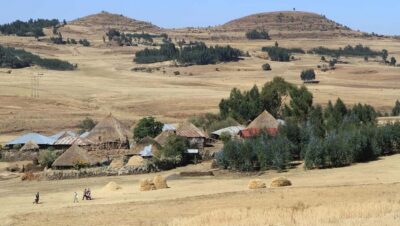
The monastery visit is the core of the day. Debre Libanos sits on a terrace between a cliff and the gorge of a tributary connected to the Abbay River system. In Ethiopia terms, that link matters because you are not just seeing an isolated church complex. You are seeing a spiritual site positioned in a real physical setting, with cliffs, ravines, and river lines shaping the experience.
Debre Libanos is associated with Saint Tekle Haymanot. Tradition says the saint founded the monastery in the 13th century, and it also connects to the idea of long, intense devotion, including years spent meditating in a cave. Another detail that helps the story click is the role of the monastery’s chief abbot, the Ichege, described as the second most powerful official in the Ethiopian Church after the Abuna.
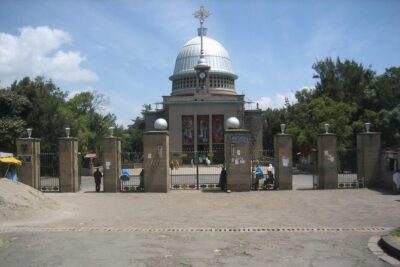
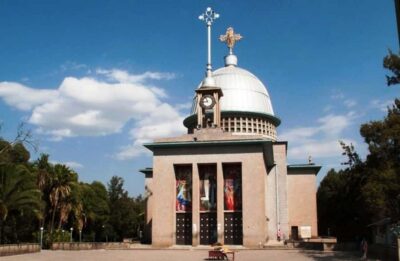
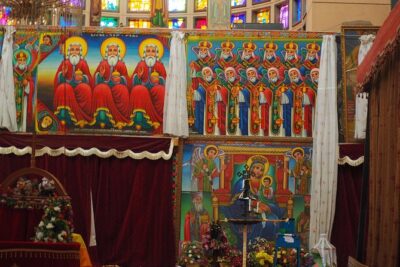
What survives today is mostly the later building phase. None of the original buildings are said to have survived, but the current complex is still compelling and layered. You can see a church over Tekle Haymanot’s tomb, ordered by Emperor Haile Selassie and constructed in 1961. You can also visit the Church of the Cross, which is associated with a preserved fragment of the True Cross.
There are also five religious schools on site. That adds a living feel. This is not only a museum stop. It is part of a functioning religious landscape, and your visit will feel more meaningful when you remember that.
The cliffside churches and what to look for on the visit
Inside Debre Libanos, I like how the structure tells time. The Church of the Cross gives you one kind of historic weight, while the tomb church and the Haile Selassie-era building show a different chapter in Ethiopian religious life.
Because the monastery sits between cliff and gorge, your photos will naturally benefit from the setting. You will likely notice how the views work with the stone structures, especially from spots where you can see down toward the ravine areas. Even if you are not chasing perfect angles, you will end up with images that look “placed,” not just “taken.”
Here is a practical note: plan to go slow once you arrive. With a small group, you can give the guide your attention, ask questions, and take breaks without holding everyone up.
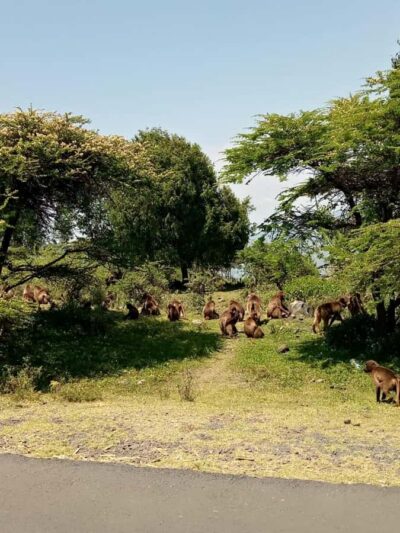
Where else to look for wildlife
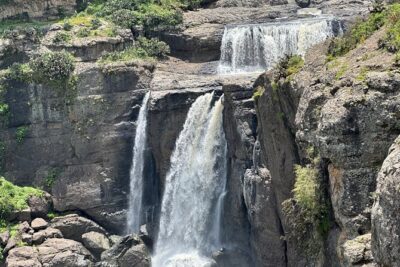
The Tekle Haymanot cave walk and the holy spring water
Nearby is the cave associated with Tekle Haymanot. One travel guide description calls the cave a five-minute walk away from the monastery area, which is helpful because it means you are not committing to a long hike to reach the pilgrimage element.
This cave contains a spring, and the water is described as holy. The spring is also said to be an object of pilgrimages, which is the key detail to understand. You are not only visiting a scenic spot, you are stepping into a place that people still travel to for spiritual reasons.
In practical terms, treat the cave area like a pilgrimage zone. Keep your voice down, move respectfully, and time your photos so you are not in people’s way. If you are traveling with camera gear, it helps to have a plan before you arrive, because the space can feel active.
Portuguese Bridge: Portuguese style, Ethiopian-built timing, and waterfall power
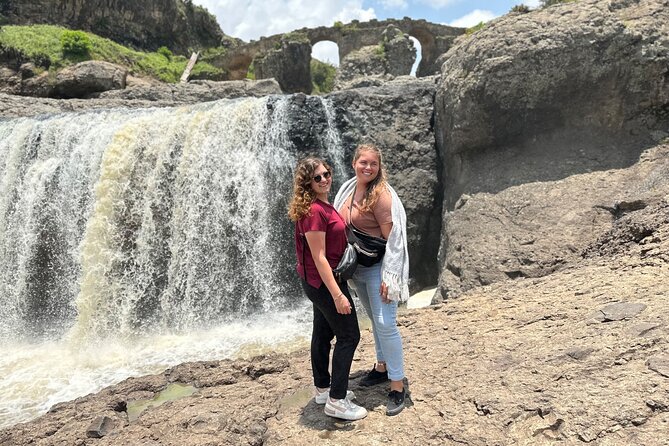
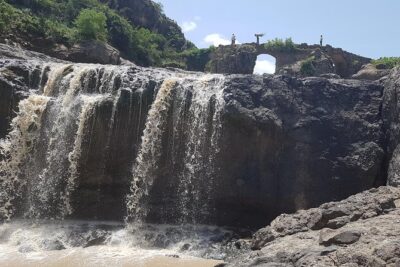
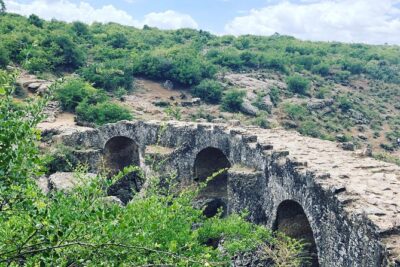
Next comes the Portuguese Bridge stop near Debre Libanos. The story here is the kind of local-historic mix I love because it avoids a simple label. You might hear that the Portuguese erected it in the 16th century, but the detail that matters is that it was actually built at the turn of the 19th century by Ethiopians, using the old Portuguese style.
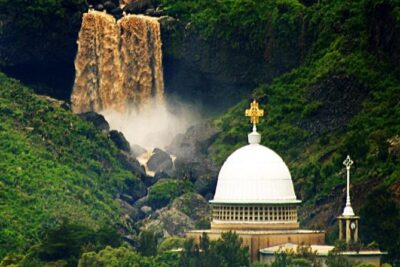
That means you are looking at a structure that carries European influence in its design language while still being a distinctly Ethiopian built work. The bridge is also narrow, which helps it frame the scene like a picture cutout. Under it, you may see gushing water and a waterfall cascade, especially in rainy season.
The stop is designed for views. You have the chance to enjoy waterfall scenery and take in the gorge feel below. Even if the water is lower on your day, the bridge’s position over the cascade area is still visually strong.
Jemma River viewpoints: where the Blue Nile story starts to feel real
From the bridge, you shift your attention to the Jemma River and the broader river system. The Jemma is described as joining the Wenchit before reaching the Abbay (Blue Nile) River. That connection is more than trivia. When you look at the river gorge, you can feel why monasteries, roads, and settlements cluster near water lines.
You will also spend time with gorge and valley views in the area beside Debre Libanos and toward Fiche. This is where birdlife often matters most, since river zones tend to pull in birds and other wildlife activity.
If you have binoculars, consider bringing them. The tour includes wildlife and birds as themes, so you will likely appreciate slower pacing during viewpoint moments. If you do not have binoculars, still take a few minutes to scan tree lines and cliff edges where birds commonly use perches.
Wildlife and birds: how to actually get good spotting time
The tour includes wildlife and birds, but wildlife watching is never automatic. The biggest factor is how you manage your attention during stops and drive time.
Here’s what works well in practice:
- Keep your eyes moving between gorge edges and tree lines during viewpoint breaks.
- When you hear activity, pause and watch for a minute before you start photographing.
- Do not rush the bridge and waterfall moments. Birds often react to movement, water noise, and changing light.
Because the group is small, you should be able to get a better shot of the view without constant crowd jostling. That is one of the hidden benefits of a max-6 setup.
Coffee ceremony and lunch: included comfort after long drives
After monastery and bridge walking, the included meal and coffee moment feels like proper travel pacing. The tour includes an Ethiopian traditional coffee ceremony, plus a lunch that includes both non vegan and vegetarian options.
There is also bottled water and WiFi on board. That sounds basic, but on a long day it really helps. WiFi can be handy for sending photos and GPS-checking your bearings, and water keeps you comfortable during viewpoint breaks.
Alcohol is not included, so if you want a drink with lunch, you will need to plan for it separately. Tips for your driver and local guide are also not included, so keep a little cash ready if you want to show appreciation.
Price and value: what $148.85 buys you in this part of Ethiopia
At $148.85 per person, this day trip can be a good deal if you value organized logistics. The price includes a lot of the “annoying” parts: air-conditioned transport, bottled water, WiFi, local guide support, attraction admission fees for Debre Libanos and Portuguese Bridge, and the coffee ceremony plus lunch.
You are not just paying for driving. You are paying for entry access and guidance through a site where context matters. That is especially true at a place like Debre Libanos, where details like Haile Selassie-era construction and the role of the Ichege are not obvious if you show up without a guide.
The main cost considerations beyond the listed price are straightforward: tips and alcohol are not included. If you plan for those, the rest feels straightforward and bundled.
Why the guide matters at Debre Libanos and the bridge
This trip is the kind where a strong guide makes your day feel “handled.” Reviews highlighted that the guide role here is very professional, and names like Yonas and Adisu came up in bookings. One solo traveler also described quick communication from Yonas when planning a short-notice day trip, which helps you settle in fast after arrival.
In my view, a good guide at Debre Libanos does two things:
1) He or she translates the place into story you can actually remember, like Tekle Haymanot traditions and the church details.
2) They help you manage time in a small group so you still get views, not just walking.
If you care about photography, guide quality also affects where you stop and how long you get in each spot. In a place built on cliff and gorge lines, a little timing flexibility can make your photos better.
Practical tips for timing, weather, and photos
This tour requires good weather. That matters because waterfall conditions and visibility in gorge areas depend on it. If conditions are poor, the experience can be rescheduled or refunded.
Wear comfortable walking shoes. Even a short cave walk can mean uneven ground. Bring sun protection for the viewpoints and a light layer if morning air feels cool.
For photos, plan to shoot in quick phases: wide shot first at the Portuguese Bridge, then close details. That keeps you from standing around too long while the light changes.
Also, start with the mindset that this is a full day. If you come in rested, you will enjoy it more, because you will not feel like you are “waiting” through driving time.
Should you book this Debre Libanos and Portuguese Bridge day trip?
I think you should book if you want a single organized day that mixes 13th-century monastery gravity, a real river-and-waterfall scene, and a stop that can deliver strong scenery in the right conditions. It is also a good fit if you are arriving in Addis and want a structured introduction to life outside the city without handling transport and admissions yourself.
Skip it if you dislike long car time and want something shorter or more flexible. The drive is a real chunk of the day, so this is for travelers who are happy with an early start and want their payoff at Debre Libanos and the Portuguese Bridge.
If your priority is photography or bird spotting, this tour can work nicely because the schedule includes multiple viewpoint moments in a gorge and river setting.
FAQ
How long is the tour?
The tour is about 7 hours, approximately.
Where does the tour pick up in Addis Ababa?
The meeting point is Edna Mall (Cameroon St, Addis Ababa, Ethiopia).
How big is the group?
This activity has a maximum of 6 travelers.
What is included in the tour price?
The price includes an Ethiopian traditional coffee ceremony, bottled water, WiFi on board, an air-conditioned vehicle, local guide service, all attraction fees, entrance to Debre Libanos, entrance to Portuguese Bridge, and lunch (non vegan and vegetarian).
Is entrance to Debre Libanos included?
Yes. Entry or admission for Debre Libanos is included.
What kind of lunch is provided?
Lunch includes both non vegan and vegetarian options.
Is alcohol included?
No. Alcohol beverages are not included.
What happens if the weather is poor?
If the experience is canceled due to poor weather, you will be offered a different date or a full refund.
Browsing Ethiopia More Widely
- Full Day Tour of Addis Ababa with Hotel Pickup and Drop-off
★ 5.0 · 430 reviews - Addis Ababa: Debre Libanos, Blue Nile Gorge, and Cave Tour
★ 4.5 · 256 reviews - Addis Ababa Guided City Tour With Airport & Hotel Pick Up
★ 5.0 · 237 reviews - Breathtaking Nature, Wildlife and Cave Church Tour – Free Pickups
★ 5.0 · 225 reviews - Full-Day Private City Tour of Addis Ababa
★ 5.0 · 147 reviews
The Rest of the Ethiopia List
- Full Day Tour of Addis Ababa with Hotel Pickup and Drop-off
★ 5.0 · 430 reviews - Taste of Ethiopia
★ 5.0 · 406 reviews - Day Trip From Addis Ababa See Historical Monastery,Stunning Nature,Animals,Birds
★ 5.0 · 303 reviews - Addis Ababa: Debre Libanos, Blue Nile Gorge, and Cave Tour
★ 4.5 · 256 reviews - Addis Ababa Guided City Tour With Airport & Hotel Pick Up
★ 5.0 · 237 reviews
Debre Libanos and the Portuguese Bridge
- Day Trip From Addis Ababa See Historical Monastery,Stunning Nature,Animals,Birds
★ 5.0 · 303 reviews - Addis Ababa: Debre Libanos, Blue Nile Gorge, and Cave Tour
★ 4.5 · 256 reviews - Day Trip From Addis Ababa To Debre Libanos & Portuguese Bridge
★ 4.5 · 64 reviews - Day trip Debre Libanos, Bule nile George &Portugal Bridge
★ 4.4 · 25 reviews - Debre Libanos Monastery and Jemma River Gorge – Day Tour from Addis Ababa
★ 5.0 · 20 reviews
Other Ethiopia tours we have written up
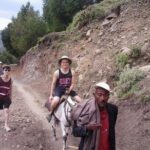
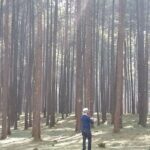
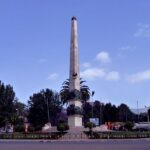
Debre Libanos & the Portuguese Bridge, compared.
 ★ 5.0Day Trip From Addis Ababa See Historical Monastery,Stunning Nature,Animals,BirdsFrom $90303 reviews
 ★ 4.5Debre Libanos, Blue Nile Gorge, and Cave TourFrom $94256 reviews
 ★ 4.5Day Trip From Addis Ababa To Debre Libanos & Portuguese BridgeFrom $10064 reviews
 ★ 4.4Day trip Debre Libanos, Bule nile George &Portugal BridgeFrom $9025 reviews
 ★ 5.0Debre Libanos Monastery and Jemma River Gorge – Day Tour from Addis AbabaFrom $27220 reviews
 ★ 5.0Day Trip To See Monastrys,Amazing landscapes & AnimalsFrom $12013 reviews
 ★ 4.5DAY TRIP TO Debre Libanos Monastery Cave Church Nature and WildlifeFrom $27512 reviews
 ★ 5.0Private Day Trip to Debre Libanos Portuguese Bridge Galada BaboonFrom $1999 reviews
Browse the lists this tour appears in