
REVIEW · DEBRE LIBANOS & THE PORTUGUESE BRIDGE
Monastic Marvels Exploring the beauty of Debre Libanos Monastery
A monk’s cliffside retreat and a baboon lookout, in one day. I love how Debre Libanos mixes awe-inspiring church details with a hands-on museum, plus you get the added payoff of seeing the Tekla Haimanot cave and holy water. I also like that the day includes a scenic stretch to the Portuguese Bridge and a good chance of spotting Ethiopia’s endemic Chelada baboons. The main drawback to consider is the long day, about 8 hours, with mostly driving and a short walk on uneven ground.
What makes this trip work is the pacing: you start early, spend meaningful time at the monastery, then swap the quiet church atmosphere for gorge views and wildlife spotting. With a small group size (up to 5) and pickup included, it’s one of the less stressful ways to reach a major monastic site outside Addis Ababa. If you want a totally relaxed day, plan for sun, dust, and a few steps on rocky paths.
In This Review
- Key highlights before you go
- Debre Libanos monastery day trip from Addis Ababa: the big idea
- Entering Debre Libanos Orthodox Church and its unusual museum
- Why the holy water story matters at Tekla Haimanot cave
- Portuguese Bridge and the Blue Nile Gorge: views plus baboons
- Price and value: is $120 fair for this 8 hour day?
- Timing and pacing: how the day usually feels
- What to pack and how to get better photos
- Who should book this Debre Libanos tour
- Should you book the Debre Libanos Monastery and Portuguese Bridge day trip?
- FAQ
- How long is the Debre Libanos Monastery and Portuguese Bridge experience?
- What time does the tour depart Addis Ababa?
- Is hotel pick-up and drop-off included?
- What does the price of $120 include?
- Is there a group limit?
- Is a mobile ticket used?
- Can I cancel and get a full refund?
Key highlights before you go

- Debre Libanos church museum with unusual items like Italian guns and old wooden shackles
- Tekla Haimanot cave about 15 minutes uphill, tied to the monastery’s holy water
- Portuguese Bridge viewpoint at the Blue Nile Gorge with a walk to a rock for waterfall views
- Chelada baboons (Galada Baboons) and local birds are a real part of the experience
- Small group day trip (maximum 5 travelers) with a local guide and private transportation
The same run north out of Addis, done differently
- Addis Ababa: Debre Libanos, Blue Nile Gorge, and Cave Tour★ 4.5 · 256 reviews
- Day Trip From Addis Ababa To Debre Libanos & Portuguese Bridge★ 4.5 · 64 reviews
- Day trip Debre Libanos, Bule nile George &Portugal Bridge★ 4.4 · 25 reviews
- Debre Libanos Monastery and Jemma River Gorge – Day Tour from Addis Ababa★ 5.0 · 20 reviews
Debre Libanos monastery day trip from Addis Ababa: the big idea
This is a classic Addis escape. You leave Addis Ababa at 7:30 AM and head to Debre Libanos, a major Ethiopian Orthodox monastery about 100 km from the city. By the time you’re inside, you’re not just “touring a church.” You’re stepping into a place where religion, memory, and local tradition all share the same walls.
I like the way the day is built around contrasts. One part is deeply sacred and museum-like, the next part is outdoors in the Blue Nile Gorge with wildlife and water power. That shift keeps the day interesting, instead of turning into one long museum stop.
Entering Debre Libanos Orthodox Church and its unusual museum
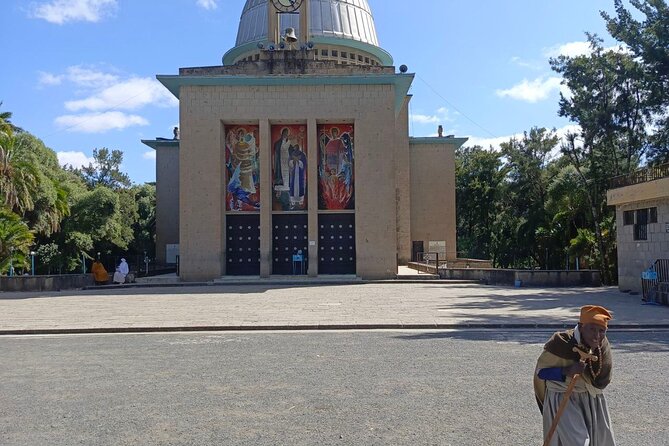
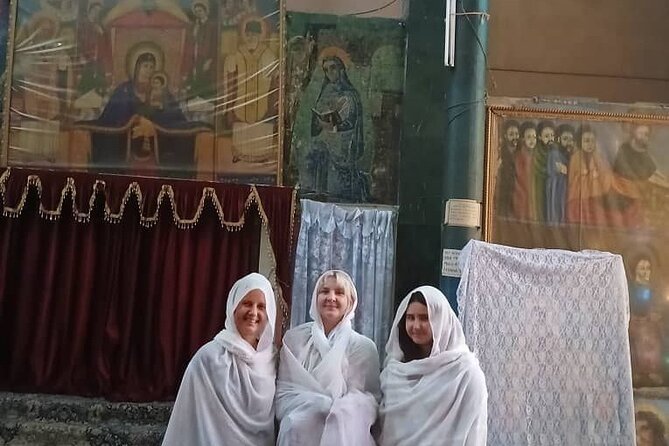
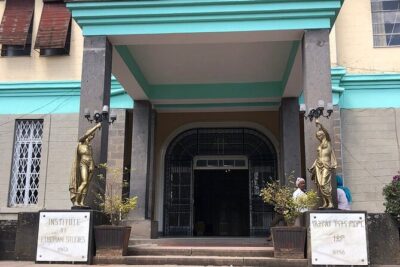
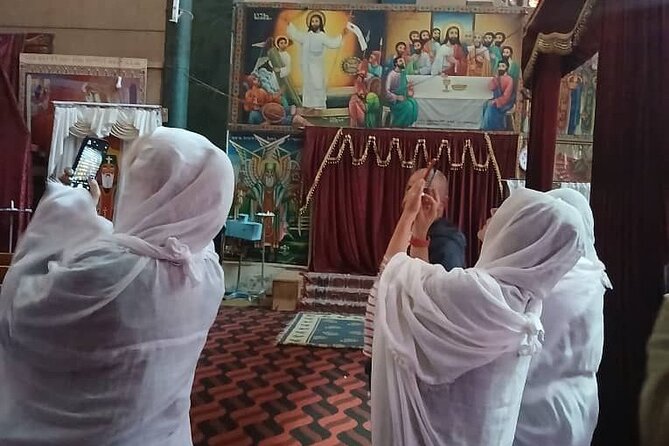
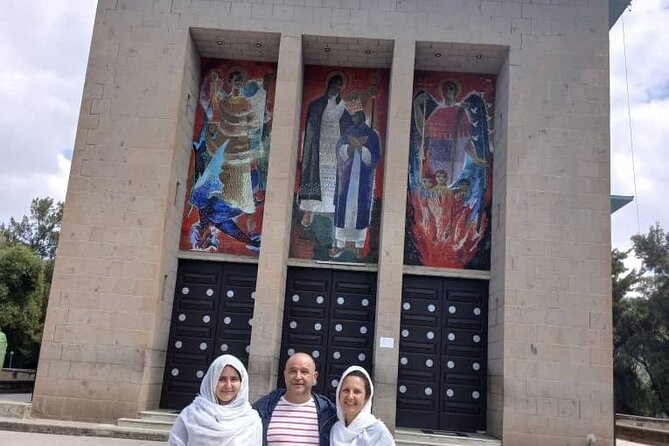
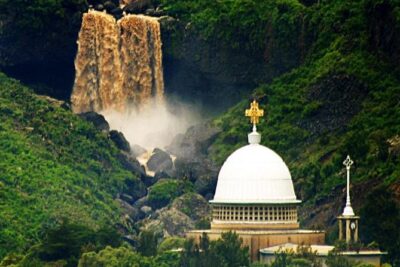
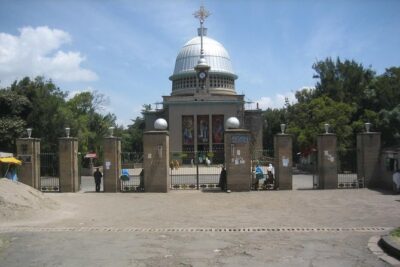
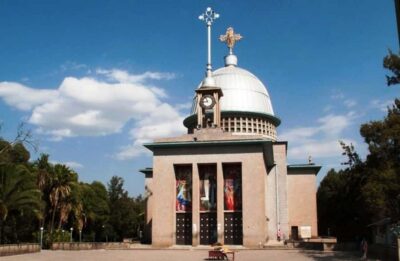
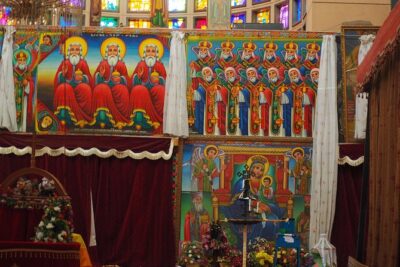
Debre Libanos Orthodox Church is monumental. From the outside, it can feel surprisingly plain and even a bit rough around the edges. But once you’re inside, the mood changes quickly. The stained-glass windows are especially attractive, and they help you see the church as more than architecture, they’re part of the visual language of worship.
Then comes the church museum, and this is where the trip becomes more than a standard church visit. You’ll see the usual ecclesiastical objects, but you also get striking surprises that make the museum feel human and historical rather than purely decorative.
Here are some of the standout items you can expect to encounter:
- Italian guns
- Giant cooking pots
- Crowns of past emperors and their wives
- Musical instruments
- Old wooden shackles
For me, the museum works because it hints at how long this place has mattered, and how many different eras have left traces. It’s the kind of collection that makes you look twice, because it doesn’t only show sacred artifacts, it shows how people lived, ruled, traveled, and suffered.
Practical note: you’ll be walking around the church complex and museum areas. Dress respectfully for a religious site, and wear shoes that can handle uneven stone and dust.
Why the holy water story matters at Tekla Haimanot cave
Fifteen minutes up the hills from the monastery is the cave of Tekla Haimanot, the monastery’s founder. This is not just a scenic stop. The cave is associated with the saint’s praying, and it is also described as the source of Debre Libanos’ famed holy water.
Even if you’re not deeply plugged into Ethiopian Orthodox traditions, this is still a powerful concept. It connects geography to faith: a specific place, a specific person, and a specific practice that continues to be part of the monastery’s identity.
What I’d watch for during this part of the visit is how the cave area sets a quieter tempo. You’re moving away from the museum’s objects and back toward the landscape and the idea of a living tradition tied to one spot. It’s a good moment to slow down, take photos only when it feels appropriate, and listen to what your guide explains about the saint’s role.
Portuguese Bridge and the Blue Nile Gorge: views plus baboons
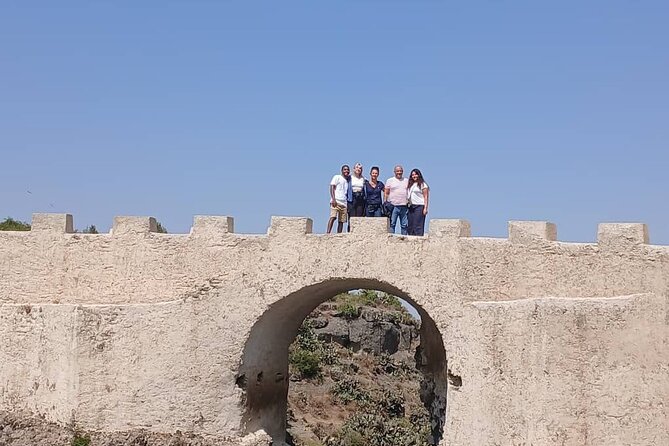
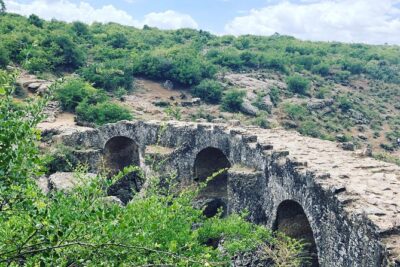
After the monastery area, you’ll head to the Portuguese Bridge in the Blue Nile Gorge. The bridge itself comes with an intriguing historical controversy. Some say it was built in the 16th century by Portuguese. Others attribute the bridge to Ras Darge, who was Menelik’s uncle in the 19th century.
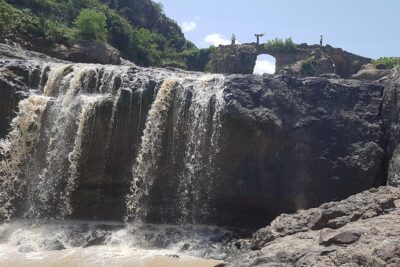
You don’t have to solve the argument to enjoy the stop. In practice, the real reward is the setting and the short “walk to the best angle.” Once you cross the bridge, you go left along the river until you reach a large rock that works as a viewing point for a 600 m waterfall.
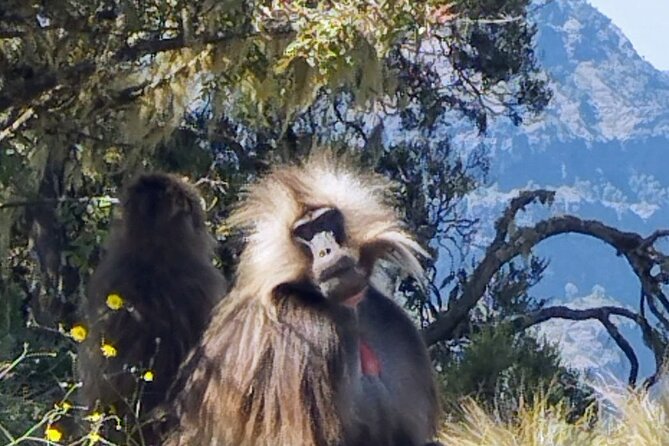
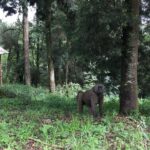
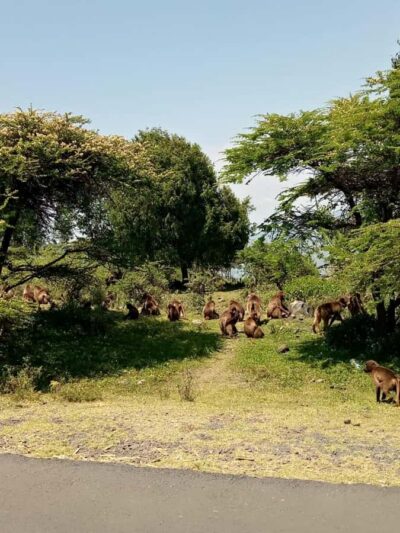
This is also where wildlife can steal the show. You have a chance to see Galada Baboons, also called Chelada baboons, which are endemic to Ethiopia. The experience also includes bird spotting, and it’s smart to keep your eyes up for local species, not just at eye level.
My practical advice: bring your camera ready, but also pause and take in the scene without the lens for a few minutes. The best wildlife moments are quick, and you’ll spot more if you’re alert to movement.
Price and value: is $120 fair for this 8 hour day?
At $120 per person, this is not a bargain-basement trip. But it is also not overpriced if you add up what’s included and what would cost extra if you tried to do it on your own.
Here’s what the price covers:
- Hotel pick-up and drop-off
- Private transportation
- Local guide
- All entrance fees
- Lunch (local food)
- Coffee or tea
- Bottles of water
- Government tax
That combination matters. Monastery days can easily turn into a patchwork of tickets, guides, and bargaining. Here, you’re buying a set day with transportation handled, admission handled, and someone local guiding you through what you’re seeing.
The value gets even better because the group is kept small, with a maximum of 5 travelers. In a place where you want to hear details about religious artifacts, a small group improves the quality of the explanations. It also usually makes the day feel less rushed.
What you’ll pay for yourself:
- personal spending like shopping
- alcoholic drinks
- tips
If you like structured days with clear inclusions and you’d rather spend time learning than solving logistics, this price makes sense.
Timing and pacing: how the day usually feels
The day starts early at 7:30 AM, and the whole experience runs about 8 hours. That timing is ideal for getting out of Addis before crowds and heat build up, and for having enough daylight for the gorge viewpoint walk.
Because you’re bouncing between different environments, expect a few different “moods”:
- early driving, then a quieter indoor and museum pace at the monastery
- a short uphill segment to reach the cave area
- then outdoors at the bridge viewpoint, where weather and visibility matter
You can participate if you’re generally comfortable walking short distances and handling uneven surfaces. The pace isn’t described as extreme, but it is a real day outside, not just a drive-by.
What to pack and how to get better photos
This is a day with churches, museums, caves, and outdoor river views. That means your packing should be about comfort and basic practicality, not just photo gear.
Bring:
- comfortable walking shoes
- a light layer for shade, or something to cover up where needed
- a hat and sunscreen (gorge days can be bright)
- a small camera strap setup so you don’t fumble when baboons appear
The tour includes bottled water, but you’ll still enjoy having it accessible during the walk segments. Also, if you’re photographing inside the church, be ready to follow any rules your guide shares.
One more tip: save some energy for the viewpoint rock. The best angles often take a little repositioning, and it’s easier if you’re not rushing.
Who should book this Debre Libanos tour
This tour is a strong fit if you:
- want a full day trip from Addis without trying to piece together transport and tickets
- enjoy religious sites but also like when the museum tells more than the “standard story”
- care about Ethiopian culture with real artifacts, not only scenery
- want a chance at Ethiopian endemic wildlife like the Chelada baboons
- prefer small groups and guided context
It’s also a good choice for your “one day outside Addis” plan if your schedule is tight. You get monastery depth, a founder’s cave connection, and gorge views in the same outing.
If you’re the type who hates any walking at all, or you want zero physical effort, you might find the cave approach and viewpoint walk slightly tiring. But for most people, it’s manageable with good shoes and a relaxed attitude.
Should you book the Debre Libanos Monastery and Portuguese Bridge day trip?
Book it if you want your Ethiopia day trip to feel specific and local. You’re not just going to a viewpoint and taking photos. You’ll also spend time learning through a church museum with unusual objects like Italian guns, and you’ll hear how Tekla Haimanot ties a cave location to the monastery’s holy water tradition. The Portuguese Bridge stop gives you a clear outdoor payoff, including a good chance to see Chelada baboons by the Blue Nile Gorge.
Don’t book it if you’re looking for a very short, very easy outing with minimal walking. It’s a full day, and the value depends on you enjoying both the monastery interior and the outdoor viewpoint portion.
FAQ
How long is the Debre Libanos Monastery and Portuguese Bridge experience?
It lasts about 8 hours.
What time does the tour depart Addis Ababa?
Departure is at 7:30 AM.
Is hotel pick-up and drop-off included?
Yes, hotel pick-up and drop-off are included.
What does the price of $120 include?
The price includes all entrance fees, private transportation, a local guide, government tax, coffee or tea, lunch (local food), bottled water, and pickup and drop-off.
Is there a group limit?
Yes. The maximum group size is 5 travelers.
Is a mobile ticket used?
Yes, a mobile ticket is included.
Can I cancel and get a full refund?
Yes, free cancellation is available. You can cancel up to 24 hours in advance for a full refund. If you cancel within 24 hours of the start time, it is not refunded.
The Rest of the Ethiopia List
- Full Day Tour of Addis Ababa with Hotel Pickup and Drop-off
★ 5.0 · 430 reviews - Taste of Ethiopia
★ 5.0 · 406 reviews - Day Trip From Addis Ababa See Historical Monastery,Stunning Nature,Animals,Birds
★ 5.0 · 303 reviews - Addis Ababa: Debre Libanos, Blue Nile Gorge, and Cave Tour
★ 4.5 · 256 reviews - Addis Ababa Guided City Tour With Airport & Hotel Pick Up
★ 5.0 · 237 reviews
Debre Libanos and the Portuguese Bridge
- Day Trip From Addis Ababa See Historical Monastery,Stunning Nature,Animals,Birds
★ 5.0 · 303 reviews - Addis Ababa: Debre Libanos, Blue Nile Gorge, and Cave Tour
★ 4.5 · 256 reviews - Day Trip From Addis Ababa To Debre Libanos & Portuguese Bridge
★ 4.5 · 64 reviews - Day trip Debre Libanos, Bule nile George &Portugal Bridge
★ 4.4 · 25 reviews - Debre Libanos Monastery and Jemma River Gorge – Day Tour from Addis Ababa
★ 5.0 · 20 reviews
Other Ethiopia tours we have written up
Debre Libanos & the Portuguese Bridge, compared.
 ★ 5.0Day Trip From Addis Ababa See Historical Monastery,Stunning Nature,Animals,BirdsFrom $90303 reviews
 ★ 4.5Debre Libanos, Blue Nile Gorge, and Cave TourFrom $94256 reviews
 ★ 4.5Day Trip From Addis Ababa To Debre Libanos & Portuguese BridgeFrom $10064 reviews
 ★ 4.4Day trip Debre Libanos, Bule nile George &Portugal BridgeFrom $9025 reviews
 ★ 5.0Debre Libanos Monastery and Jemma River Gorge – Day Tour from Addis AbabaFrom $27220 reviews
 ★ 5.0Day Trip To See Monastrys,Amazing landscapes & AnimalsFrom $12013 reviews
 ★ 4.5DAY TRIP TO Debre Libanos Monastery Cave Church Nature and WildlifeFrom $27512 reviews
 ★ 5.0Private Day Trip to Debre Libanos Portuguese Bridge Galada BaboonFrom $1999 reviews
Browse the lists this tour appears in